
 en
en
 English
 Español
 Structural Strengthening System Service Provider
Product
Company
News


Content
On most of the sites our technical team walks, the parts that fail first are not the beams or columns everyone photographs. They are the quiet interfaces: the clearance under a machine base plate, the pocket around an anchor bolt, the gap between a bridge bearing and its pedestal. Non-shrink high strength grout exists for precisely these spaces. Mixed, placed and cured correctly, it turns a rough concrete surface and a steel plate into one continuous load path, with no shrinkage voids, no rocking equipment and no callback six months later. In this guide, we share what the material is, where it earns its keep, and how we help contractors and engineers specify it with confidence.
Non-shrink high strength grout is a cementitious material, or in some grades a resin-based one, formulated to occupy a space completely at the moment it hardens and to keep occupying it for the life of the structure. Two claims sit inside that name, and both deserve attention.
The combination is what engineers call precision grouting: filling critical, often narrow, clearances so that load transfers evenly instead of concentrating on high spots. If you want a deeper treatment of the mechanics, we explain the role of non-shrink high-strength grouting material in structural performance in a companion article.
It is tempting to choose a grout on compressive strength alone. In practice, dimensional stability decides whether the number on the datasheet ever reaches the structure. An ordinary sand-cement mix shrinks as it hydrates and bleeds under vibration. Under a base plate, that becomes a thin void exactly where bearing pressure is highest. The plate bridges across the gap, stress concentrates along the edges, and after months of vibration the grout frets, cracks or crushes. Anchor bolts loosen, equipment drifts out of alignment, and oil and water find their way into the void.
A slight, positive early expansion reverses that sequence before it can start. The grout presses gently outward as it gains strength, holding full contact between steel and concrete. Stress stays evenly distributed, the fasteners holding the assembly down stop working loose, and the repair stops being a recurring maintenance item.
Within the non-shrink high strength family, selection begins with geometry: how far must the material travel, how narrow is the gap, and what surrounds it? We organize our precision grouting range the same way, from free-flowing grades that chase thin clearances to stiff mortars for shoulders and edges.
| Grout family | Placement character | Typical duty |
|---|---|---|
| Flowable cementitious | Poured or pumped, self-leveling | Base plates, anchor pockets, general bearing |
| Free-flow ultraflow grade | Runs under low head through narrow gaps | Thin plates, bridge bearings, congested reinforcement |
| Gravity grouting mortar | Large open pours, non-segregating | Equipment foundations with generous clearance |
| Underwater non-dispersive | Placed in water without washout | Marine foundations, repairs below waterline |
Across our case studies, the same classic scenarios keep appearing, whatever the industry:
Bearings and track fixings deserve a special mention, because tolerances are tight and live loads never stop cycling. Our bridge bearing grout was formulated for exactly this duty, pairing free flow under a low head with early strength so the structure is supported on schedule.
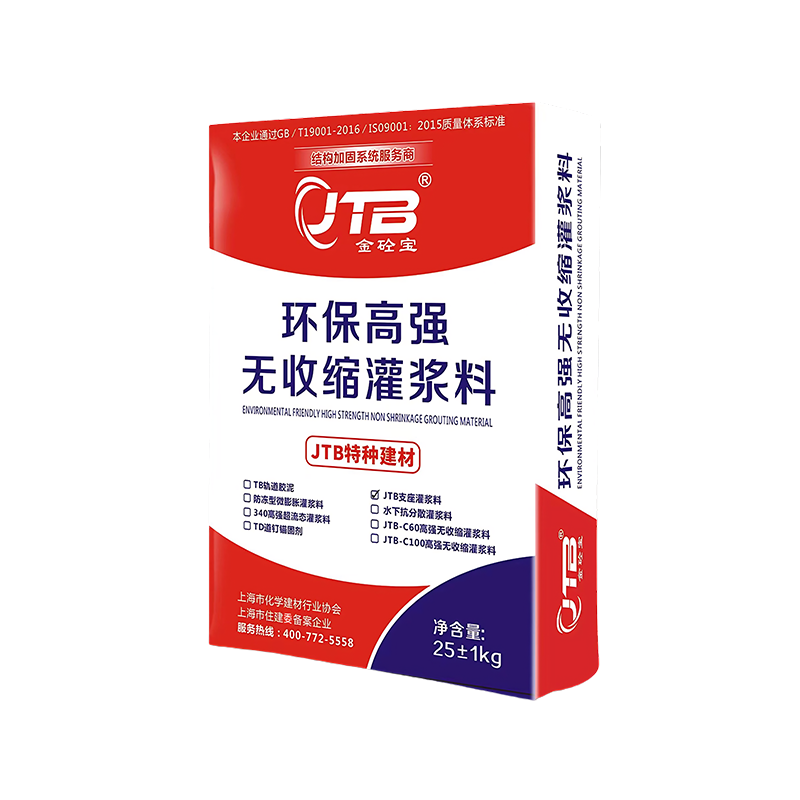 Bridge Bearing GroutThe JTB Bridge Bearing Grout is used to fill gaps between the bridge bearing and the pier and abutments, forming a solid grout layer that ensures the stability and saf...View Product →
Wind turbine foundations and comparable heavy installations depend on grouted bases surviving decades of fatigue loading, which is why grout selection there is treated as a structural decision rather than a formality. We cover the wider picture on our nuclear and wind power engineering systems page.
Marine structures, quay walls and hydropower works regularly need grouting where the void is already flooded. Placing a conventional mix underwater risks washout and dilution, so strength never develops as designed. An anti-washout formulation displaces the water instead of mixing with it, which is the principle behind our underwater non-dispersive grout.
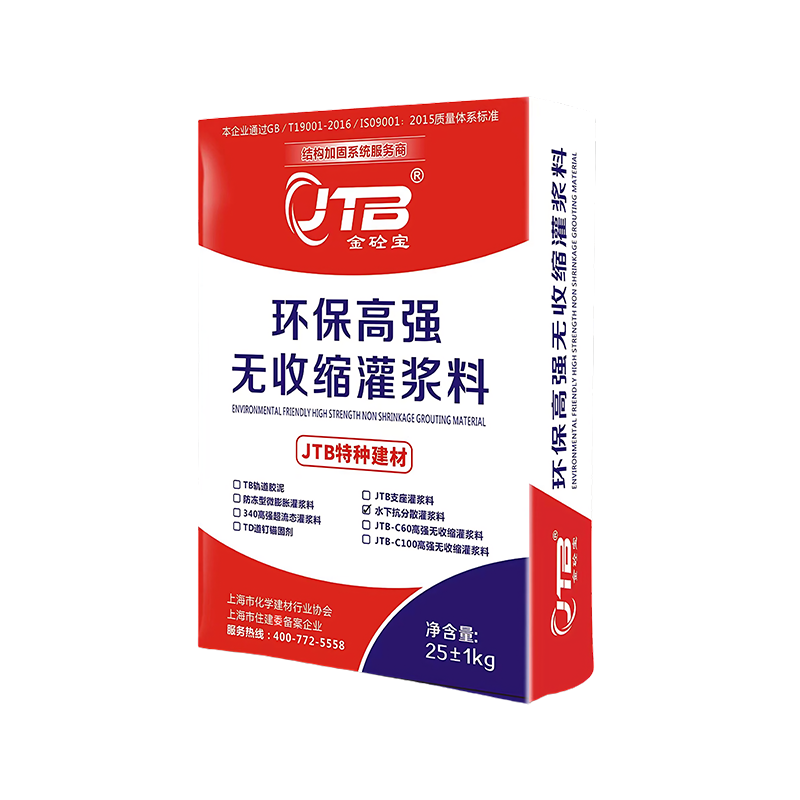 JTB Bridge Bearing Grout for Precision Bearing InstallationThis free-flowing, early-strength, non-shrink grout fills gaps between bridge bearings and piers or abutments, suiting the tight tolerances and constantly cycling live loads discussed here.View Product →
Most grout failures we investigate trace back not to the bag but to the process around it. Six habits separate a bearing bed that lasts from one that comes back on a warranty claim:
None of these steps is difficult. Doing all six, on every pour, is what separates precision grouting from simply filling holes.
As a structural strengthening system service provider, we treat grouting as one link in a load path rather than a commodity in a bag. Our high-strength ultraflow grout, for instance, was developed for congested, thin-clearance pours where ordinary flowable grades stall, and it is backed by the same laboratory and field discipline as the rest of our precision grouting range.
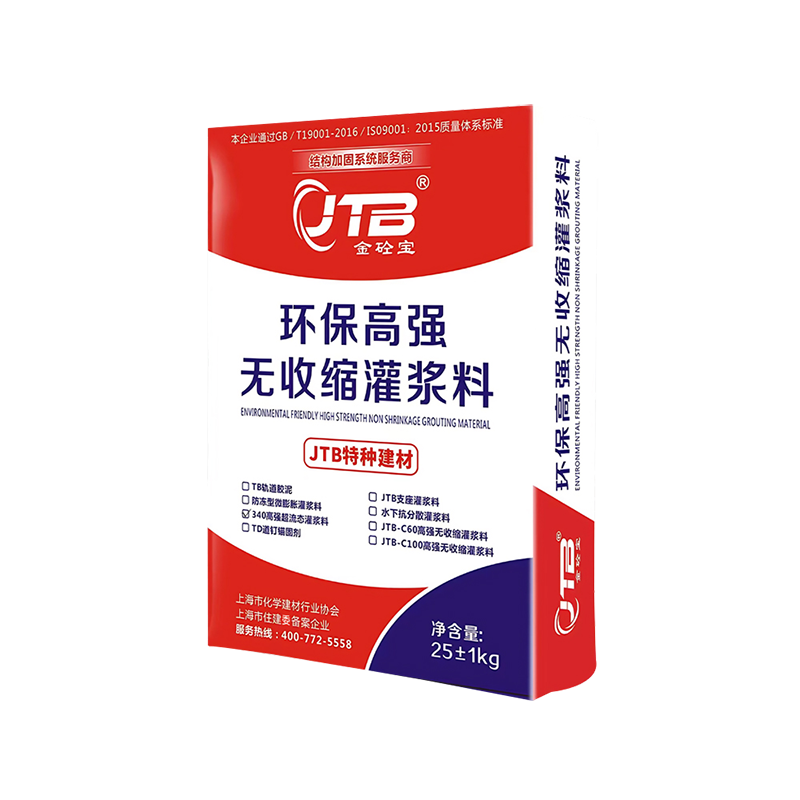 JTB High-Strength Ultra-Flow Grout for Confined PoursWith early strength, slight expansion and exceptional flowability, this grout reaches congested, thin-clearance voids where ordinary flowable grades stall, supporting the load-path approach described.View Product →
What that means in practice:
Non-shrink high strength grout succeeds on three fronts at once: dimensional stability that keeps the load path continuous, strength that carries design loads for decades, and a placement process disciplined enough to deliver both. Specify by geometry and exposure first, treat the water, the pour and the cure with respect, and lean on a supplier whose support does not end at the tailgate. That combination is how a thirty-millimeter gap under a base plate quietly does its job for thirty years, and how you never hear about it again.
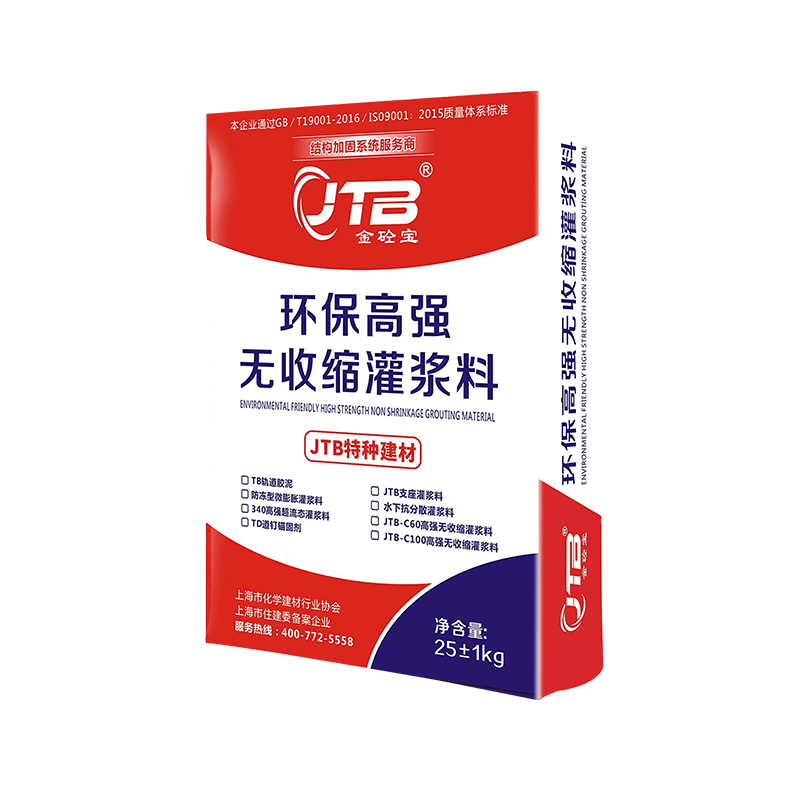 Eco-Friendly High-Strength Non-Shrink Grout
VIEW MORE
Eco-Friendly High-Strength Non-Shrink Grout
VIEW MORE
 High-Strength Ultra-flow Grout
VIEW MORE
High-Strength Ultra-flow Grout
VIEW MORE
 Underwater Non-Dispersive Grout
VIEW MORE
Underwater Non-Dispersive Grout
VIEW MORE
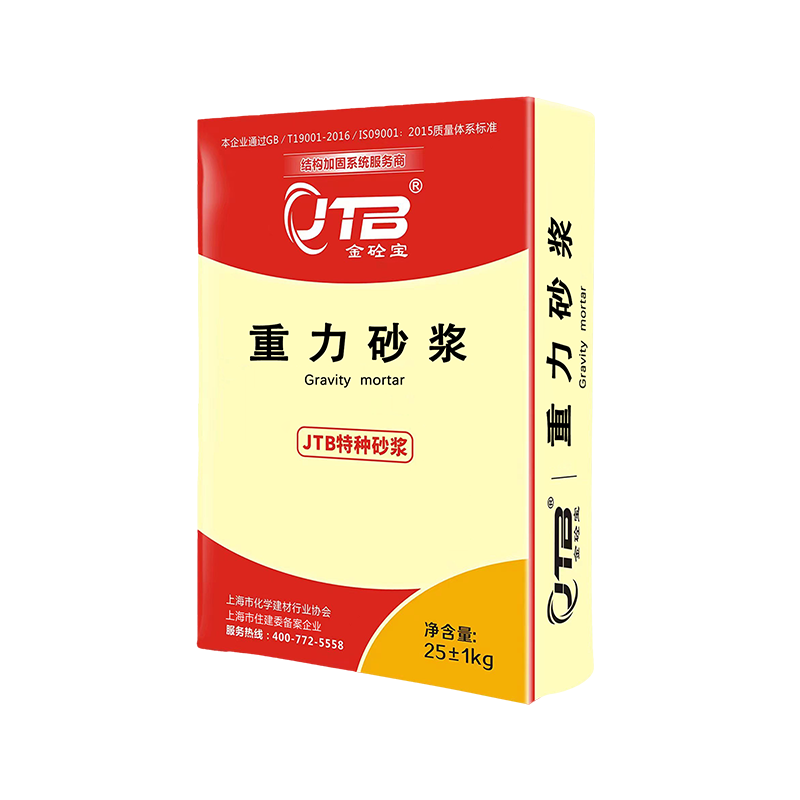 Gravity Grouting Mortar
VIEW MORE
Gravity Grouting Mortar
VIEW MORE
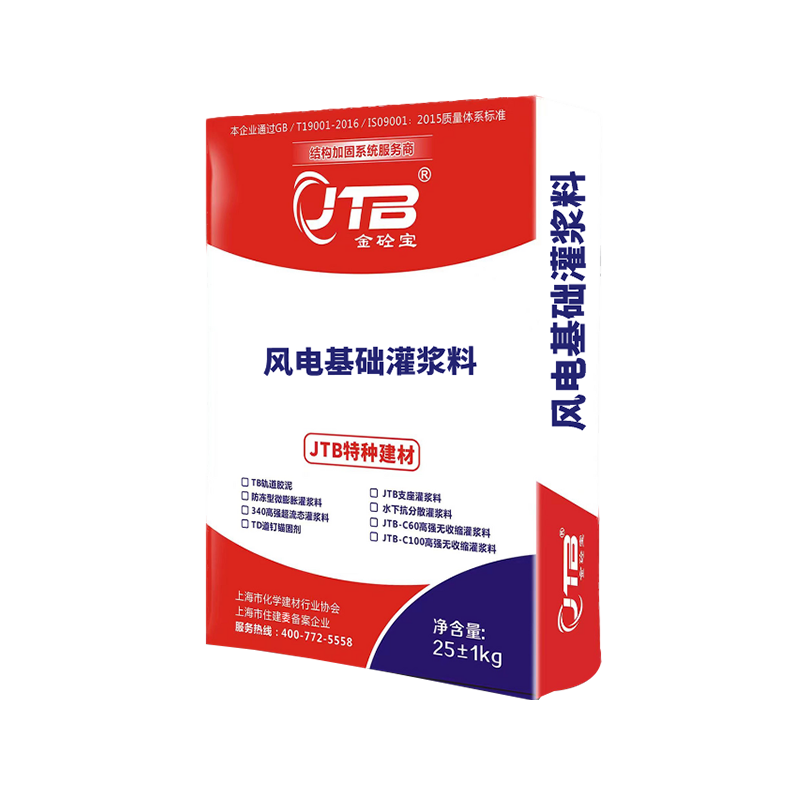 Wind Turbine Foundation Grout
VIEW MORE
Wind Turbine Foundation Grout
VIEW MORE
 Bridge Bearing Grout
VIEW MORE
Bridge Bearing Grout
VIEW MORE
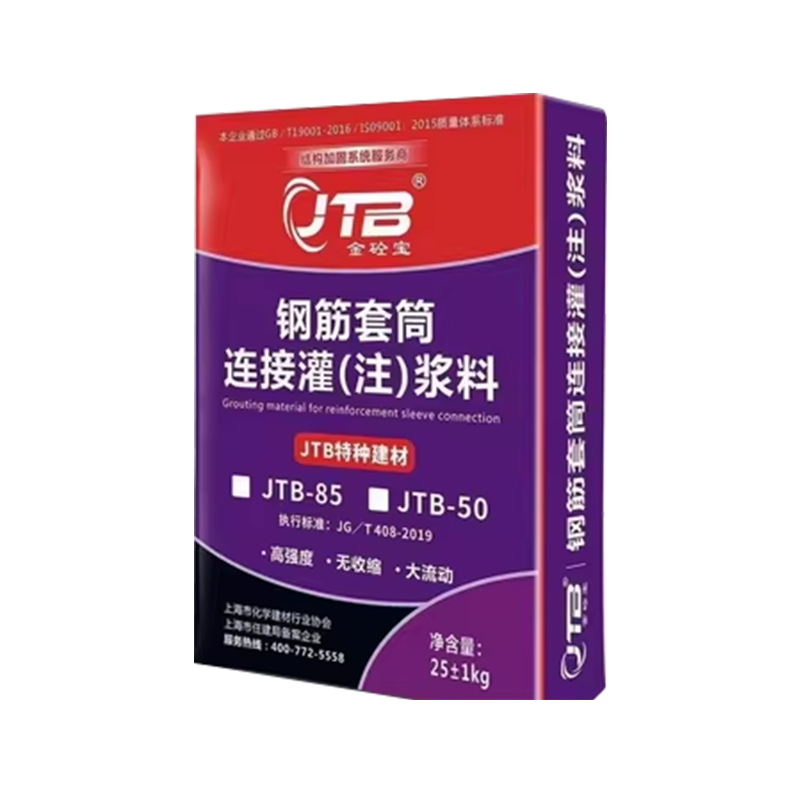 Rebar Coupler Grout
VIEW MORE
Rebar Coupler Grout
VIEW MORE
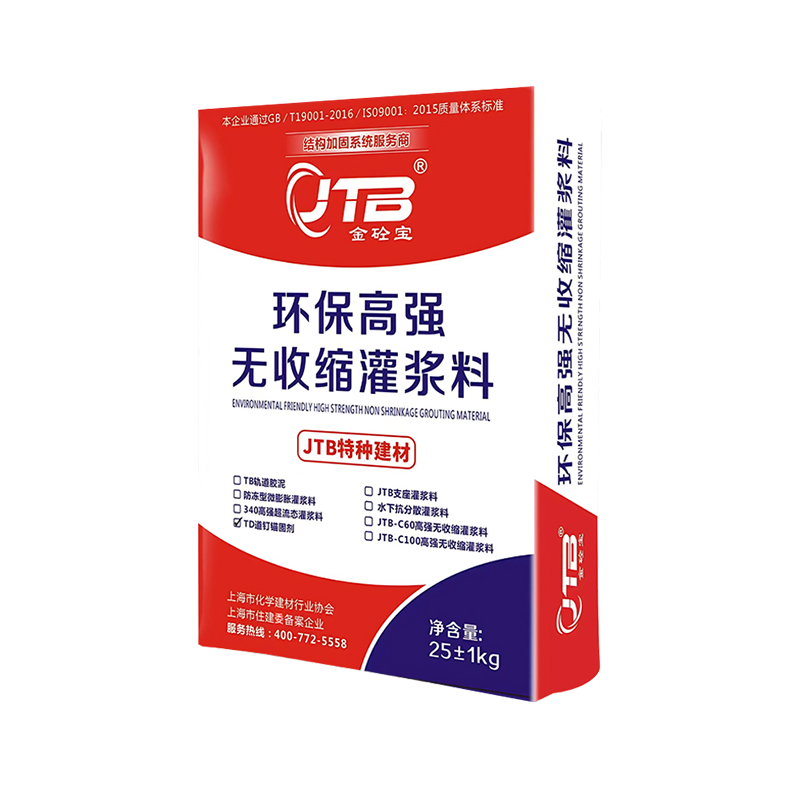 Rail Spike Anchoring Grout
VIEW MORE
Rail Spike Anchoring Grout
VIEW MORE
Setting a 40-tonne compressor on its foundation looks simple until you measure the gap: typically 25 to 80 millimetres ...
READ MORE:root { --text: #1f2937; --muted: #6b7280; --border: #e5e7eb; --navy: #1e3a5f; --navy-dark: #163...
READ MOREA base plate sits 25 mm above a concrete foundation, and every tonne that presses, vibrates, or torques the equipment a...
READ MOREIntroduction to High-Strength Grouting Materials In the modern construction industry, the durability and performance of ...
READ MORE
JTB technology group is a one-stop structural strengthening system service and solution provider with more than 10 years of industry experience.

+86-138 6245 1066
400-772-5558

sales@jtbmaterials.com

Qianjin Hebei Road, Dantu District, Zhenjiang City, Jiangsu Province, China
Copyright © JTB Technology Group Co. , Ltd.All rights reserved.
Cutsom Construction Chemicals & Reinforcement Materials Manufacturer

