How Do Concrete Mortar Admixtures Affect the Long-Term Performance of Reinforced Concrete Structures and Why Does Manufacturing Capacity Matter for Large-Scale Infrastructure Projects?
The Role of Concrete Mortar Admixtures in Reinforced Concrete Durability
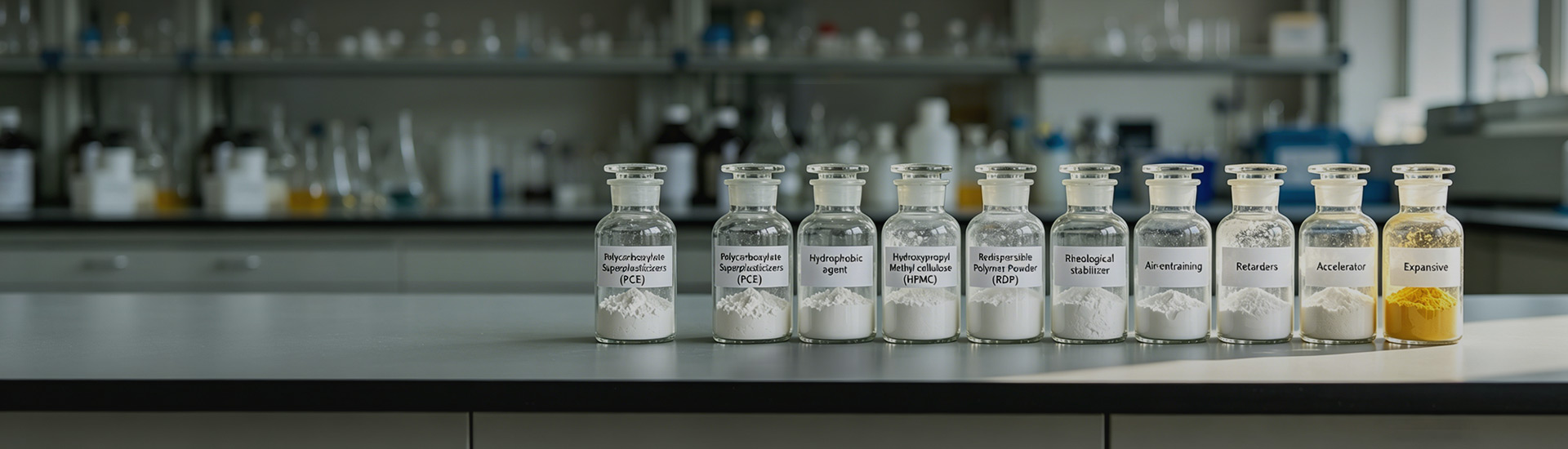
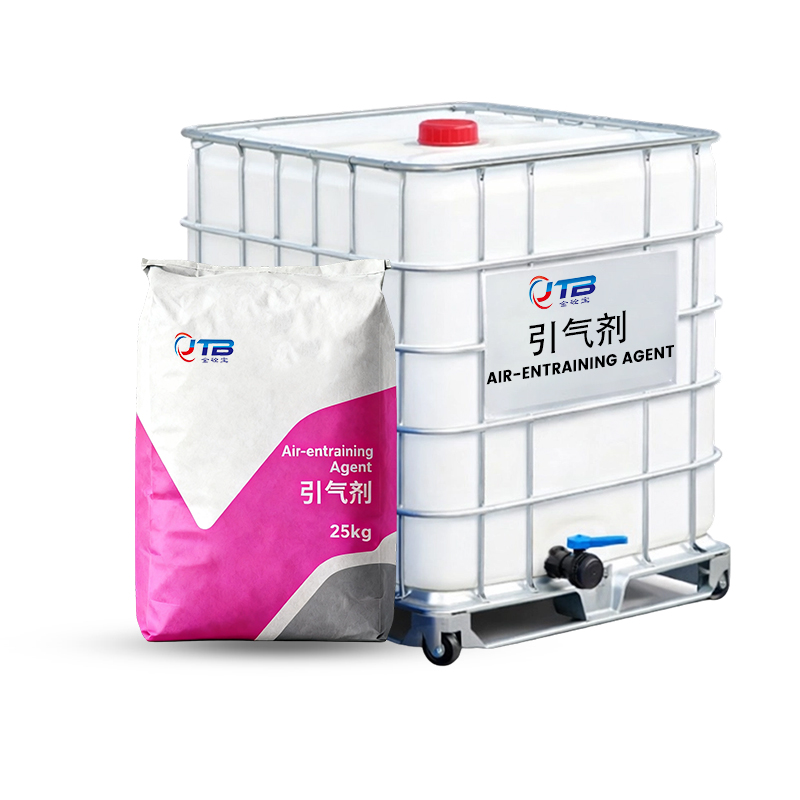
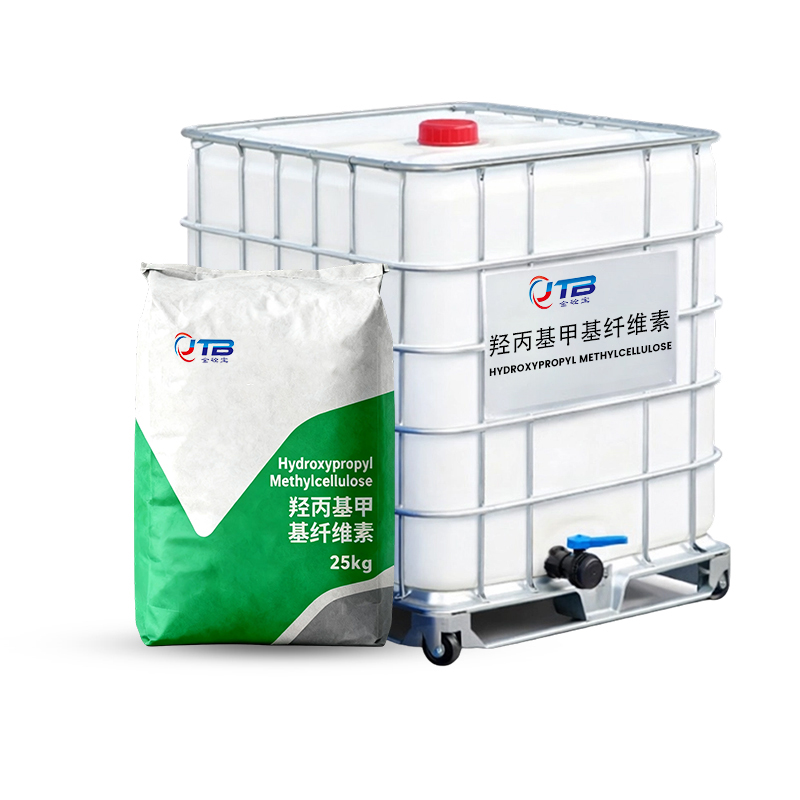
Concrete mortar admixtures have become an important component in modern reinforced concrete systems because they influence material behavior from the early mixing stage through the entire service period of a structure. Rather than acting as simple additives, admixtures participate in hydration control, pore structure adjustment, workability improvement, and interface performance enhancement.
In reinforced concrete structures, long-term durability depends on the interaction between cement-based materials, reinforcement systems, environmental exposure, and construction quality. Properly designed admixture systems can help control water demand, improve mixture stability, and reduce internal defects that may affect structural performance over time.
For applications such as urban renewal projects, bridges, tunnels, wind power facilities, and industrial structures, concrete materials are often exposed to changing temperatures, moisture cycles, chemical conditions, and continuous loading. The selection of suitable admixture technology helps create a more stable concrete matrix and supports the long-term service requirements of reinforced structures.
How Admixtures Influence the Internal Structure of Concrete
The performance of reinforced concrete is closely related to its internal microstructure. During hydration, cement particles react with water and form hydration products that determine strength development and permeability characteristics. Admixtures can modify this process by improving particle dispersion, adjusting hydration behavior, and optimizing the arrangement of solid components inside the concrete matrix.
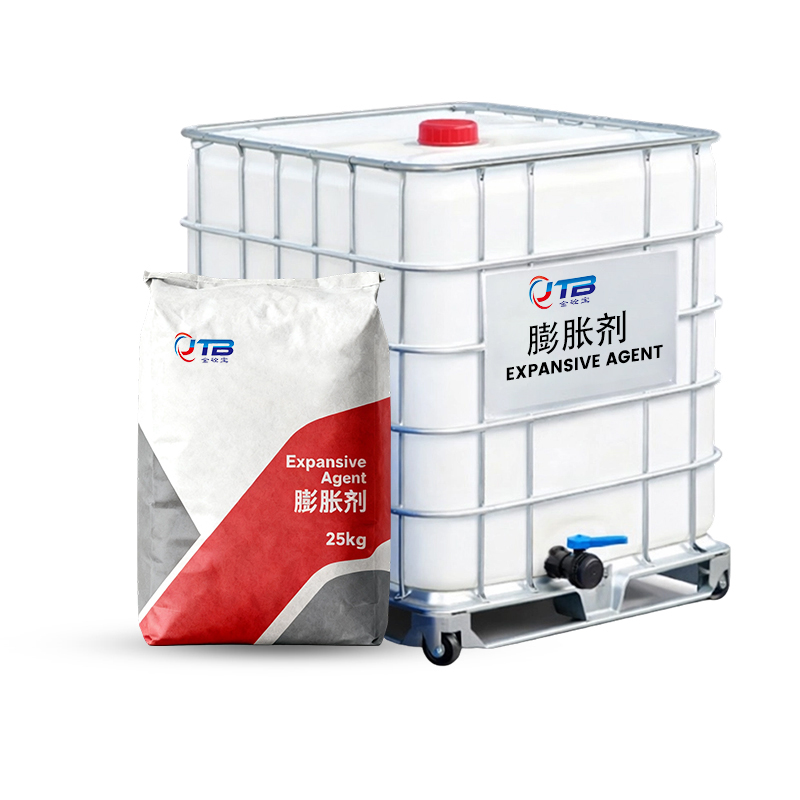
For example, water-reducing components can lower the required water content while maintaining workability, which helps reduce unnecessary capillary pores after hardening. Other functional additives may improve resistance against shrinkage, improve cohesion, or support better bonding between new repair materials and existing concrete surfaces.
| Admixture Function |
Influence on Concrete Performance |
Typical Application Consideration |
| Water reduction and dispersion control |
Improves mixture density and reduces excessive water-related defects |
High-strength concrete and repair materials |
| Shrinkage control technology |
Helps manage volume changes during hardening |
Grouting, reinforcement, and structural repair applications |
| Workability adjustment |
Supports placement efficiency and material consistency |
Complex structures and large-scale construction sites |
Connection Between Admixture Technology and Reinforcement Protection
The durability of reinforced concrete is not only determined by compressive strength. The surrounding concrete layer protects steel reinforcement from moisture, oxygen, and corrosive substances. When concrete contains excessive pores or develops uncontrolled cracks, the protective function may gradually decrease.
Concrete mortar admixtures contribute to improving material compactness and controlling factors that influence crack formation. A denser cement matrix can reduce pathways for harmful substances, while stable volume performance helps maintain the integrity of the concrete cover surrounding reinforcement.
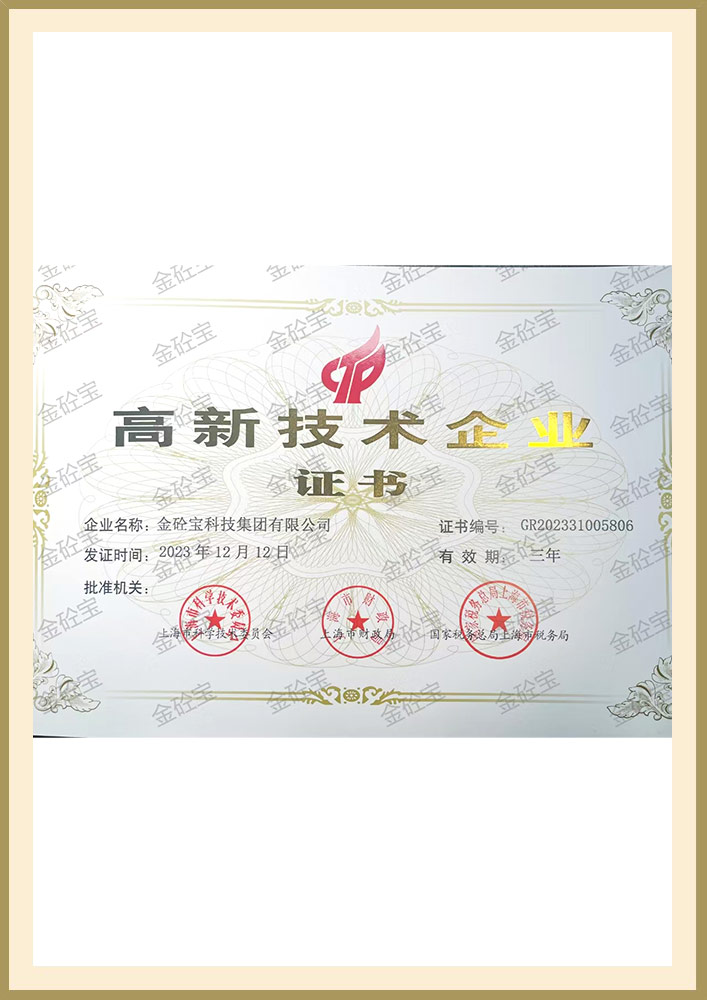
JTB Technology Group Co., Ltd. focuses on reinforcement system solutions that integrate research, production, sales, and construction services. This integrated approach reflects the importance of combining material technology with structural application requirements, especially in projects where durability and service life are key considerations.
Admixture Selection Based on Different Infrastructure Conditions
Different infrastructure environments create different requirements for concrete mortar admixtures. A material system suitable for an indoor industrial structure may not provide the same performance characteristics when applied in coastal environments, underground structures, or large transportation facilities.
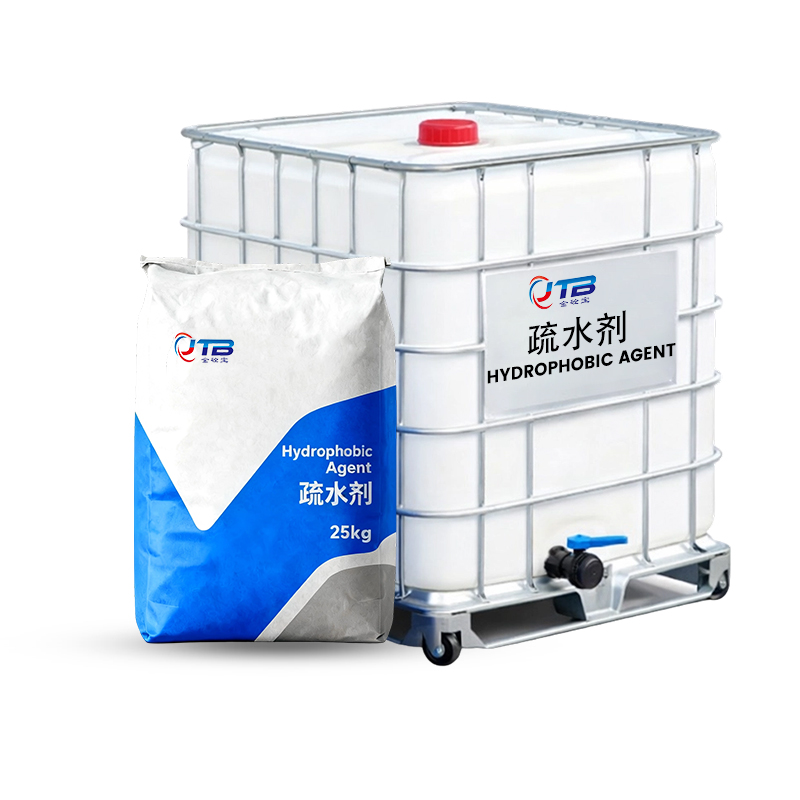
During material selection, factors such as exposure conditions, construction methods, curing conditions, and expected service duration need to be considered together. In bridge and tunnel applications, resistance to moisture penetration and environmental changes may receive more attention. In reinforcement and repair projects, bonding performance and dimensional compatibility between old and new materials become important factors.
| Project Environment |
Material Performance Focus |
| Urban renewal and structural repair |
Bonding stability, shrinkage control, construction adaptability |
| Bridge and tunnel structures |
Durability, permeability control, environmental resistance |
| Wind power and industrial foundations |
Load transfer, vibration resistance, long-term stability |
Why Manufacturing Capacity Matters in Large-Scale Infrastructure Projects
For large infrastructure projects, material performance is only one part of project success. Stable supply capability is also an important factor because construction schedules often require continuous delivery of materials across different project stages.
Large-scale production capacity helps maintain consistency between different batches, supports project planning, and reduces potential interruptions caused by supply limitations. For materials such as grouting products, repair mortars, and related construction materials, consistent manufacturing processes are closely connected with field application results.
JTB Technology Group Co., Ltd. operates three production bases located in Zhenjiang, Jiangsu Province, Jinhua, Zhejiang Province, and Dongguan, Guangdong Province, with a total production capacity exceeding 1,000,000 tons. The Zhenjiang production base plays an important role within its manufacturing system, supporting continuous production and large-volume supply requirements for different engineering applications.
Production Process Control and Material Consistency
Manufacturing capacity is not simply measured by output volume. For construction materials, process control throughout raw material inspection, batching, mixing, quality testing, and storage management directly influences product consistency.
Modern production facilities typically require controlled processing procedures to maintain stable powder characteristics, accurate component ratios, and reliable performance between production batches. This is particularly important for infrastructure projects where materials may be delivered over extended construction periods.
Quality management during production also supports technical verification activities. Laboratory testing, performance evaluation, and formulation adjustments allow manufacturers to respond to different application requirements while maintaining standardized production procedures.
Supporting Infrastructure Development Through Integrated Technical Capability
The relationship between admixture technology and manufacturing capability reflects the changing requirements of modern construction. Infrastructure projects increasingly require materials that combine technical performance, supply reliability, and application support.
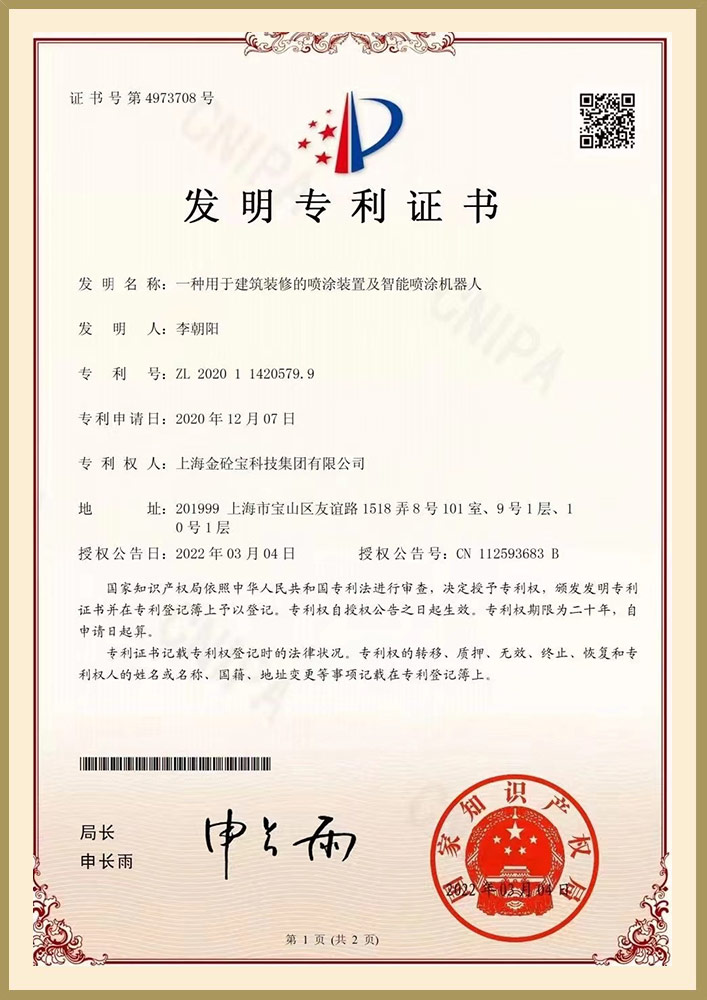
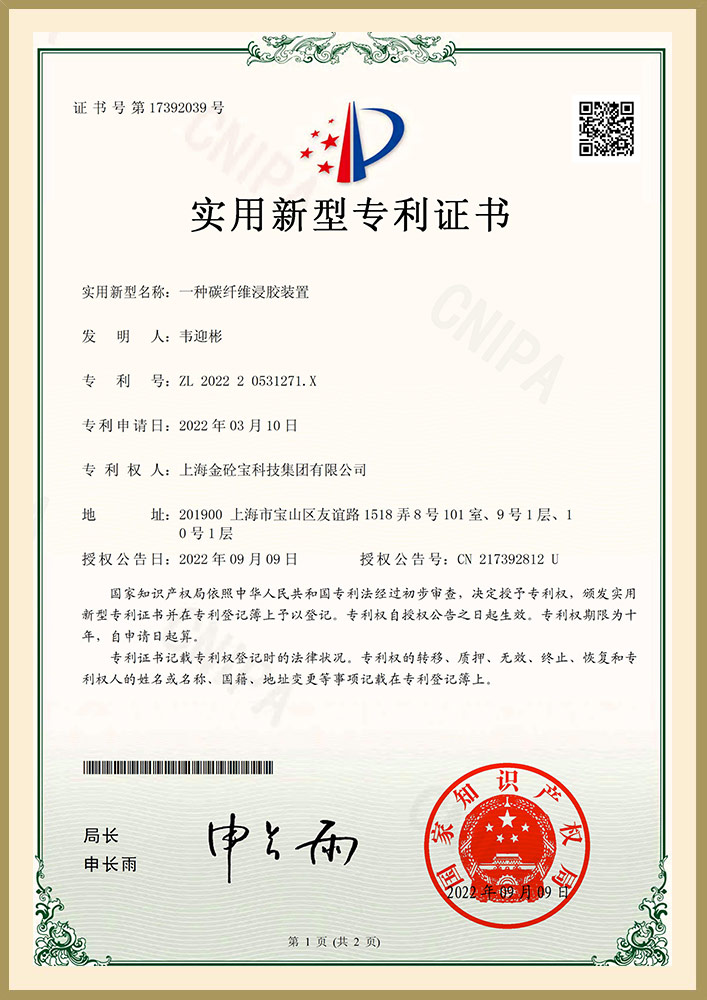
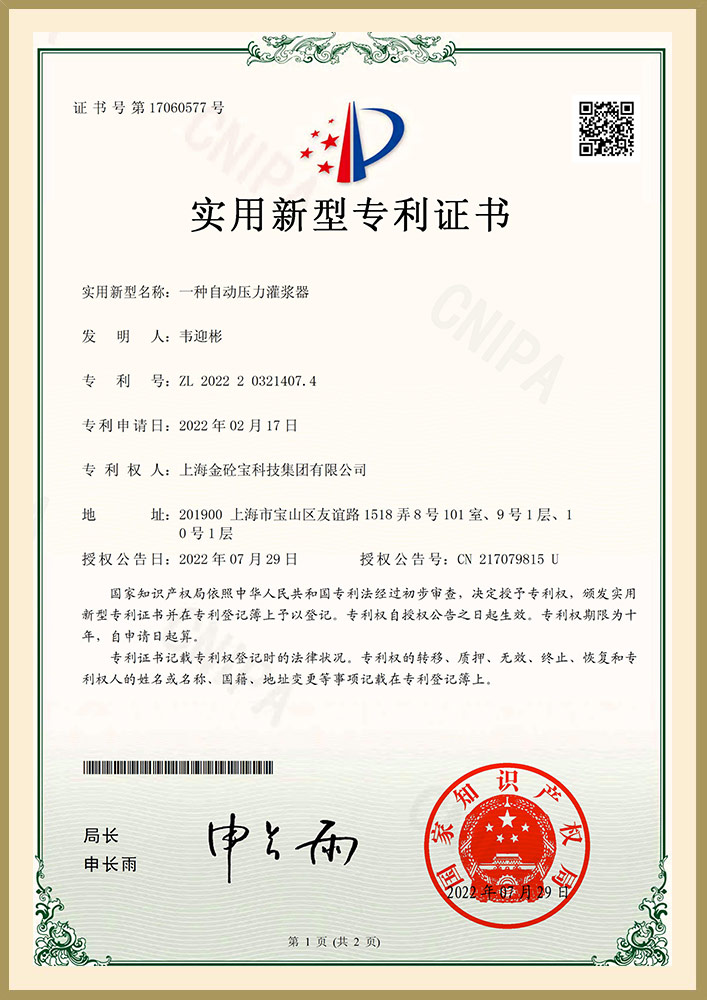
With a dedicated R&D center equipped with advanced testing equipment and professional research resources, JTB Technology Group Co., Ltd. continues to explore material technologies related to reinforcement systems and infrastructure maintenance. The company has promoted the concept of “from reinforcement to pre-reinforcement,” focusing on proactive approaches for extending structural service periods.
Future Requirements for Concrete Mortar Admixture Applications
As infrastructure moves toward longer service cycles and more demanding operating environments, concrete mortar admixtures will continue developing toward improved compatibility, durability, and application flexibility. Future material systems are expected to place greater attention on sustainable formulations, precise performance control, and adaptation to complex construction conditions.
For large-scale projects, the combination of material innovation, manufacturing capability, and technical support provides a foundation for consistent project execution. The development of advanced admixture solutions is closely connected with the broader goal of improving structural reliability throughout the entire lifecycle of reinforced concrete systems.


 en
en
 English
 Español