Concrete Admixture Production Control in Large Infrastructure Projects
A concrete performance change may begin before the material reaches the construction site
During continuous concrete placement for bridges, tunnels, and large foundations, production teams sometimes encounter a situation where the concrete mix design remains unchanged but the material behavior is different between batches. The concrete may show faster slump loss, increased pumping resistance, or changes in setting time during transportation and placement.
These variations are not always caused by construction operation problems. The interaction between cement properties, mineral components, aggregate conditions, water content, and admixture dosage can influence the working characteristics of fresh concrete. In large projects, where thousands of cubic meters of concrete may be placed within a planned period, small differences in admixture performance can affect production coordination.
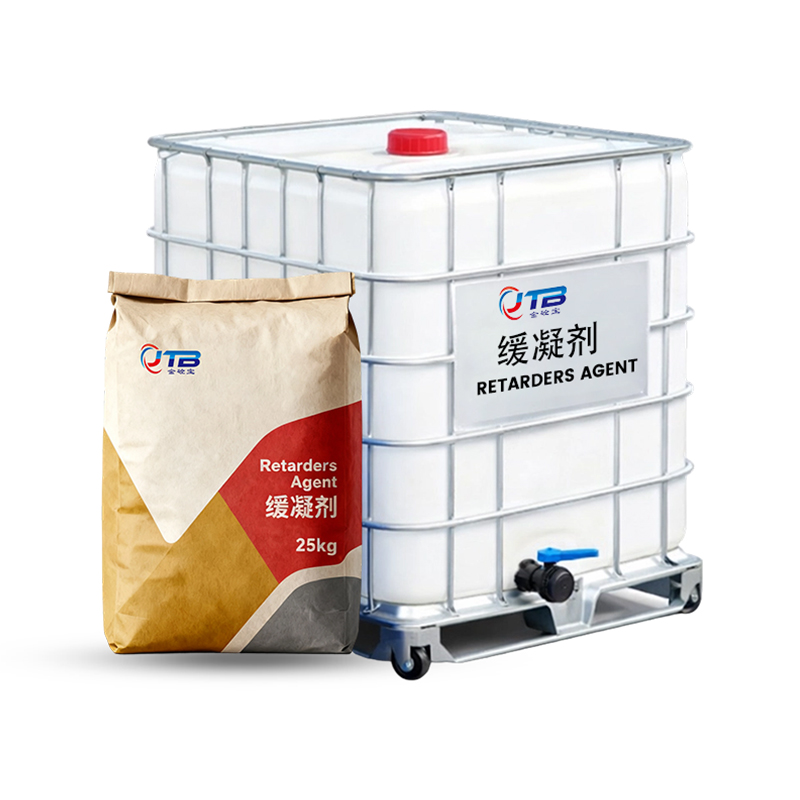
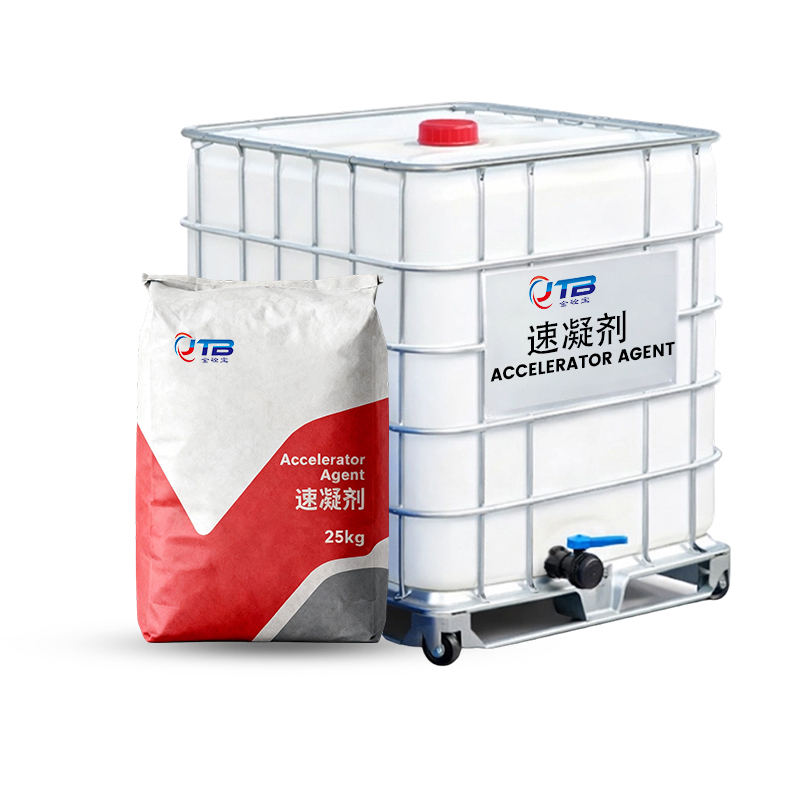
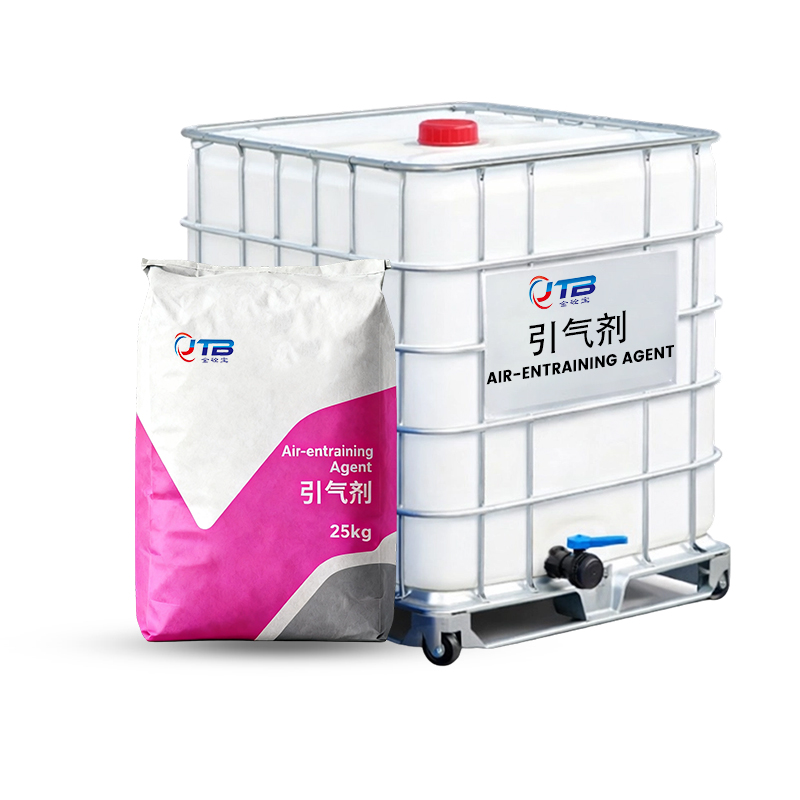
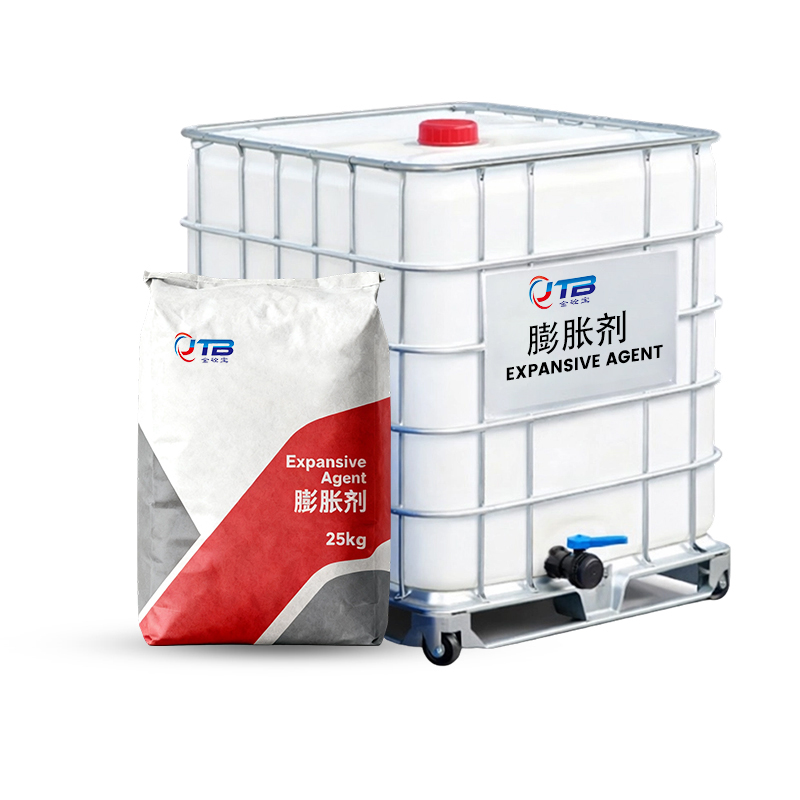
Concrete admixtures are developed to adjust specific characteristics of concrete, including workability retention, hydration behavior, water reduction, and early strength development. Their actual performance depends not only on the formulation itself but also on how consistently the material is produced under industrial manufacturing conditions.
JTB Technology Group Co., Ltd. integrates research, production, sales, and construction services within reinforcement system solutions. Its experience in construction-related materials provides a practical connection between laboratory development and field application requirements.
Material compatibility becomes a key consideration when concrete conditions change
A concrete admixture does not work independently after being added into the mix. Its performance is affected by the characteristics of cement particles, mineral additives, aggregate moisture, mixing sequence, and environmental temperature.
For example, concrete used in a long-distance pumping operation may require stable slump retention over an extended transportation period. A formulation that performs well under laboratory conditions may require adjustment when applied with different cement systems or during hot-weather construction.
In bridge deck construction, dense reinforcement areas create higher requirements for concrete flow behavior. The admixture system needs to maintain suitable viscosity and particle dispersion so that the concrete can pass through restricted spaces without increasing segregation risk.
| Construction condition |
Potential challenge |
Technical evaluation direction |
| Long-distance concrete transportation |
Slump reduction before placement |
Slump retention and compatibility with cement system |
| Dense reinforcement structures |
Limited concrete movement space |
Flow characteristics and particle dispersion behavior |
| Mass concrete pouring |
Temperature rise during hydration |
Hydration control and early-age performance monitoring |
| Continuous production of precast components |
Batch variation affecting production rhythm |
Dosage stability and formulation consistency |
Formulation development requires control of chemical interaction and field behavior
The development of concrete admixtures involves balancing several material factors rather than adjusting a single index. Water-reducing components, setting regulators, and other active substances interact with cement hydration processes and influence the internal structure of hardened concrete.
During formulation testing, technical teams normally examine fluidity retention, setting characteristics, strength development, and compatibility with different cement materials. These results provide reference data before the product is introduced into large-scale applications.
Field conditions can create differences between laboratory testing and construction performance. Cement temperature, aggregate moisture changes, mixing efficiency, and transportation time may require adjustments in admixture dosage. A stable formulation system helps reduce unnecessary changes during project execution.
The research center of JTB Technology Group Co., Ltd. is equipped with testing equipment and research resources for material evaluation. This technical foundation allows product development to consider both laboratory indicators and practical construction conditions.
Batch stability determines whether admixture performance remains predictable during production
For large concrete projects, material consistency is closely related to daily production management. When admixture characteristics fluctuate between batches, concrete plants may need repeated dosage corrections, which can influence placement schedules and quality control procedures.
Manufacturing stability depends on multiple production stages, including raw material inspection, component measurement, mixing control, and finished product testing. Changes in active component concentration or material uniformity may influence concrete workability, setting behavior, and mechanical development.
| Production stage |
Possible variation source |
Control focus |
| Raw material inspection |
Difference in chemical characteristics |
Verification of incoming material consistency |
| Component batching |
Dosage deviation |
Accurate measurement and process monitoring |
| Finished product testing |
Performance fluctuation between batches |
Checking key application indicators before delivery |
Production capacity influences material supply planning for infrastructure projects
Large infrastructure construction usually requires continuous material supply over weeks or months. A shortage or interruption of admixture-related materials can affect concrete production schedules, especially during continuous pouring operations.
JTB Technology Group Co., Ltd. operates three production bases located in Zhenjiang, Jiangsu Province, Jinhua, Zhejiang Province, and Dongguan, Guangdong Province, with total production capacity exceeding one million tons. This manufacturing structure provides production flexibility for different regional project requirements.
The Zhenjiang production base occupies an important position within the company's manufacturing system. Standardized facilities and continuous production arrangements provide capacity support for large-volume material requirements, including grouting materials and related construction products.
Engineering decisions depend on matching admixture characteristics with actual site conditions
Selecting an admixture system for a project usually requires consideration of transportation distance, construction temperature, reinforcement density, curing conditions, and required strength development period. The same concrete formula may require different adjustments when applied in different environments.
| Site situation |
Main factor to check |
Reason for attention |
| Summer concrete placement |
Slump retention capability |
Reduce rapid workability loss during extended operations |
| Underground structure construction |
Setting behavior and hydration characteristics |
Adapt to restricted temperature and humidity conditions |
| Large foundation pouring |
Heat development during early curing |
Control thermal stress caused by temperature differences |
Admixture performance is ultimately reflected through repeated construction operations
In practical projects, concrete admixture evaluation does not stop at laboratory testing. Production records, pumping pressure changes, slump retention measurements, and placement conditions provide direct information about material behavior during construction.
JTB Technology Group Co., Ltd. continues to focus on reinforcement-related technologies and promotes the concept of moving from reinforcement toward pre-reinforcement. In concrete applications, this approach is reflected through earlier attention to material compatibility, structural requirements, and construction risk control.
For continuous concrete placement projects, admixture stability is usually observed through daily production data, field adjustment frequency, and the consistency of concrete performance from one delivery batch to the next.


 en
en
 English
 Español