How Can Large-Volume Non-Shrink Grouting Projects Control Temperature Rise and Ensure Stable Material Supply?
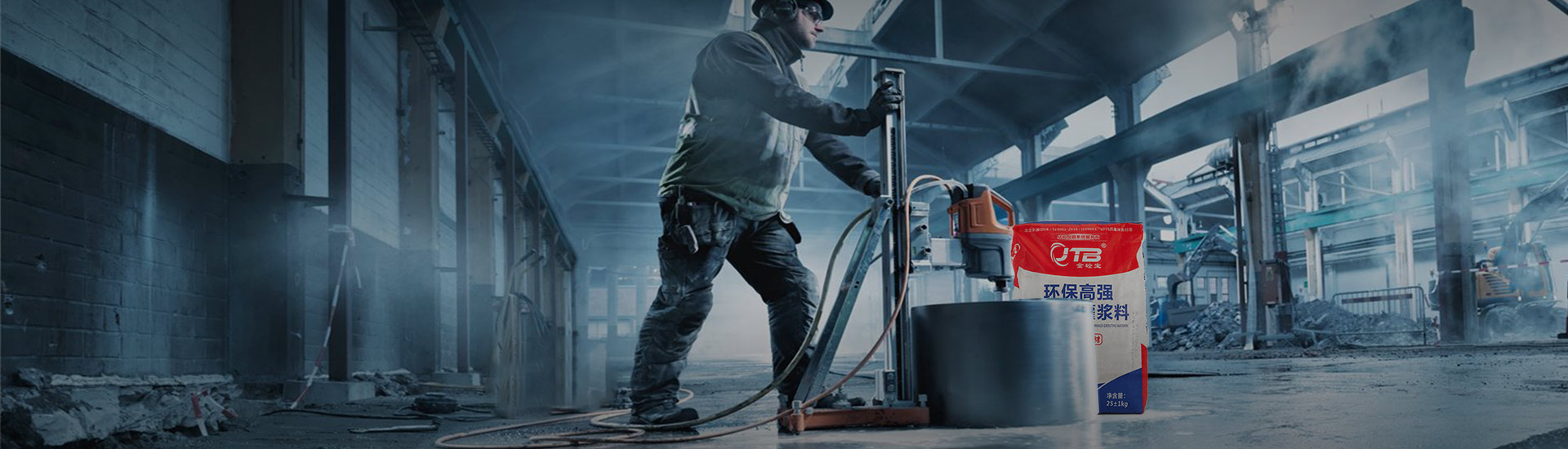
During the construction of a large equipment foundation, bridge support structure, or energy infrastructure base, a common challenge appears after the grouting operation begins: the material must fill a large volume of space while maintaining dimensional stability during hardening. The internal temperature increase caused by cement hydration, combined with volume change and environmental conditions, can influence cracking risk and long-term load transfer performance. At the same time, large projects require continuous material availability to avoid interruptions during critical construction windows.
Non-shrink cementitious grout is widely used in applications where accurate filling, load transfer, and structural connection are required. Compared with ordinary cement-based materials, non-shrink grout is designed to control volume change during hydration and hardening. However, achieving stable performance in large-volume applications depends on more than material formulation. Project planning, construction sequence, temperature control measures, and production capability all influence the final result.
Understanding Temperature Development During Large-Volume Grouting
The temperature rise in large-volume grouting mainly comes from the heat released during cement hydration. When a significant amount of grout is placed within a confined area, the internal heat may accumulate faster than it can dissipate to the surrounding environment. This creates a temperature difference between the core area and the surface, which may generate internal stress during the cooling process.
In applications such as heavy equipment foundations, wind power structures, bridge components, and large structural reinforcement projects, controlling hydration heat becomes an important part of construction management. Excessive temperature gradients may increase the possibility of cracking, especially when the surrounding concrete or foundation restricts volume movement.
The actual temperature behavior depends on several conditions, including grout volume, ambient temperature, thermal conductivity of surrounding materials, curing methods, and construction timing. A practical approach requires evaluating the entire grouting environment instead of focusing only on the initial material strength.
| Influencing Factor |
Effect During Large-Volume Grouting |
Control Consideration |
| Grouting Volume |
Larger volume may increase internal heat accumulation |
Plan placement sequence and temperature monitoring |
| Ambient Temperature |
Affects hydration speed and cooling behavior |
Adjust construction schedule according to climate conditions |
| Foundation Constraint |
Restricts volume movement and increases internal stress |
Consider structural restraint conditions during design |
| Curing Method |
Influences moisture retention and temperature release |
Maintain suitable curing conditions after installation |
Controlling Cracking Risk Through Material and Construction Management
Cracking in non-shrink cementitious grout is not caused by a single factor. Material characteristics, mixing procedures, installation methods, and environmental conditions interact throughout the hardening process. A stable grouting system requires coordination between material design and construction execution.
The formulation of non-shrink grout usually involves controlling expansion behavior, reducing unnecessary volume change, and maintaining appropriate strength development. The balance between early strength and long-term stability is important because rapid strength development without sufficient deformation control may increase internal stress under restrained conditions.
During construction, water dosage, mixing uniformity, placement speed, and curing management require attention. Excessive water content may affect mechanical properties, while insufficient mixing may create uneven material distribution. For large foundations, continuous placement is often arranged to reduce cold joints and maintain a consistent bonding interface.
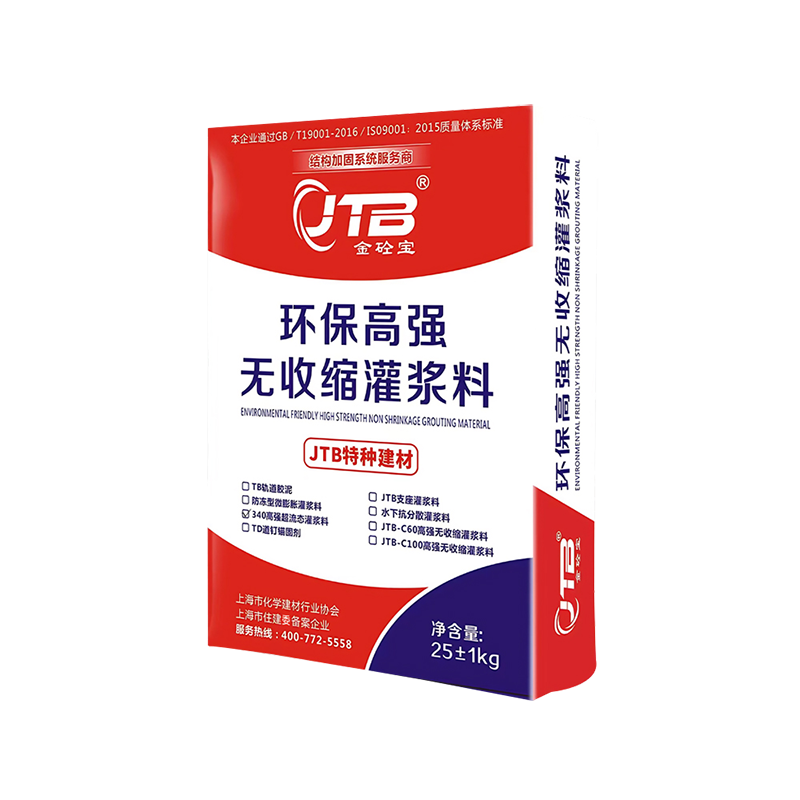
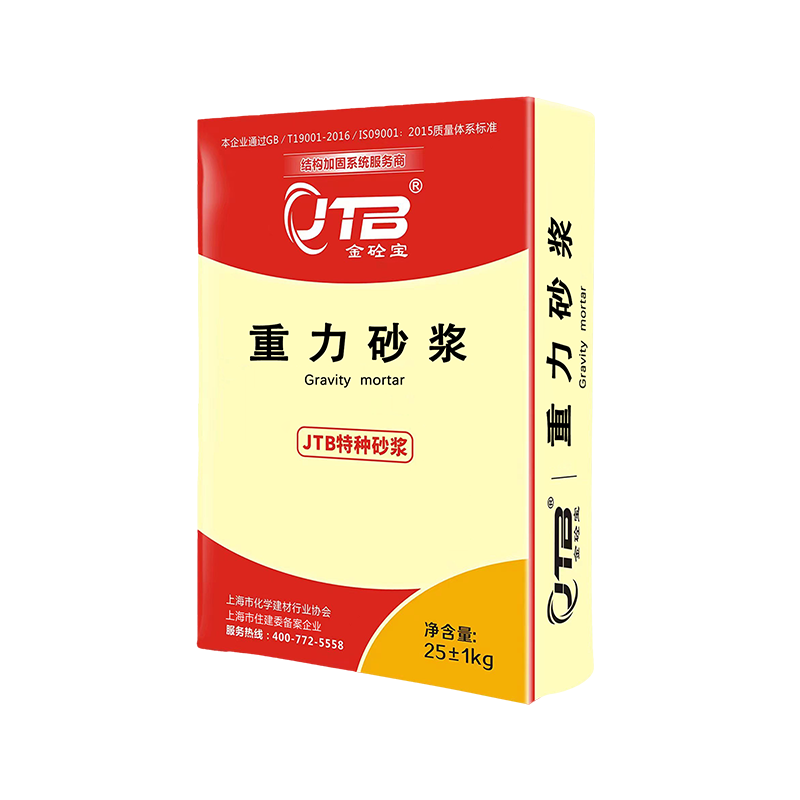
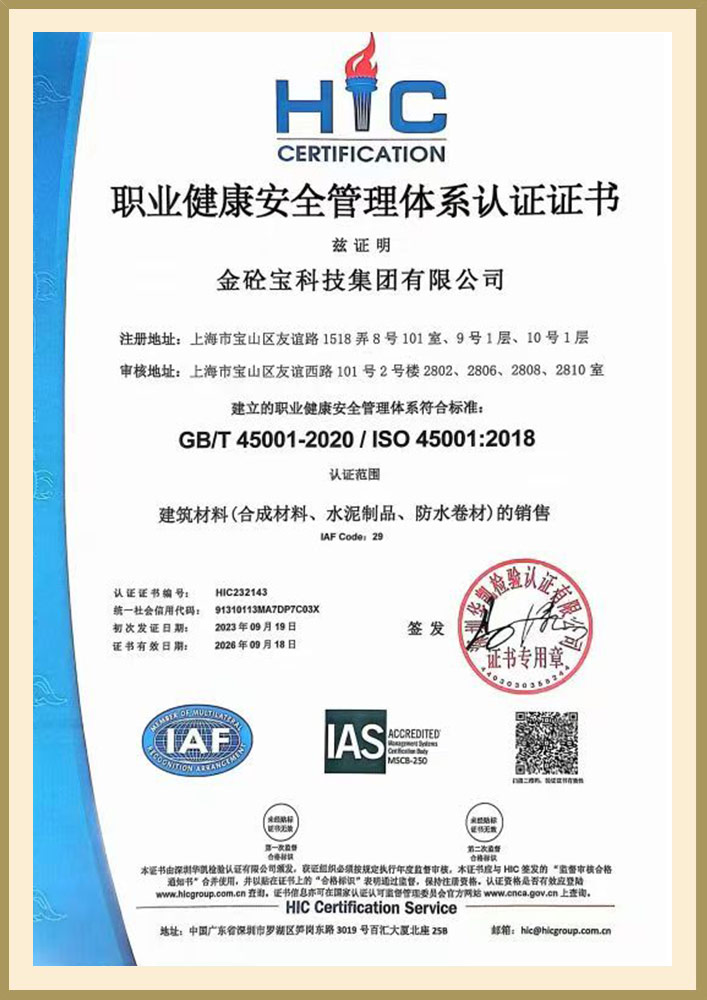
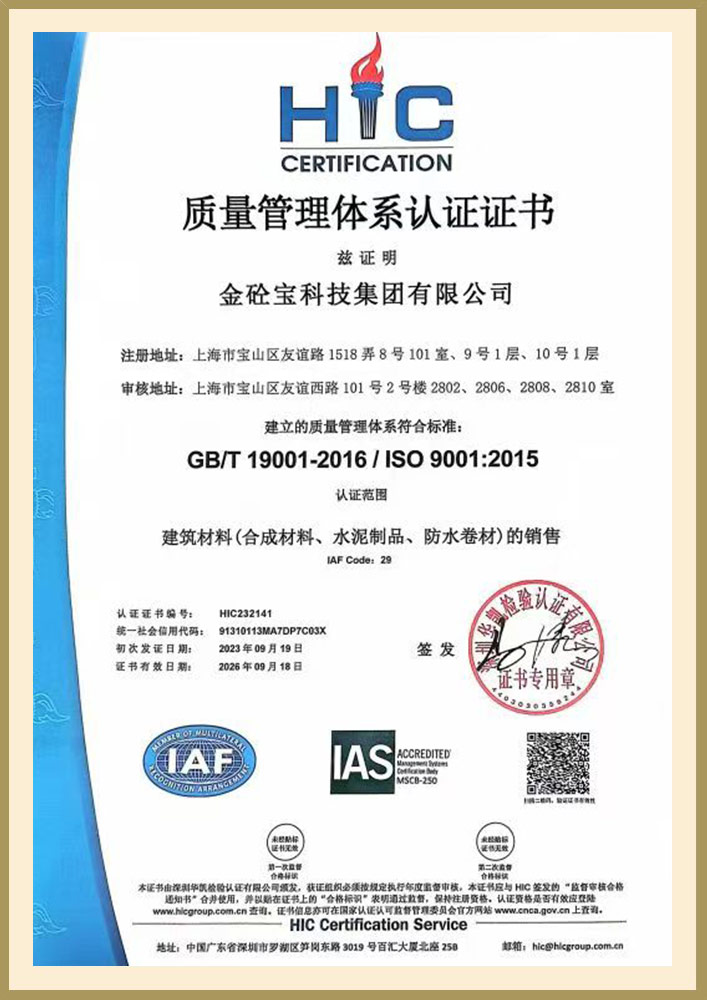
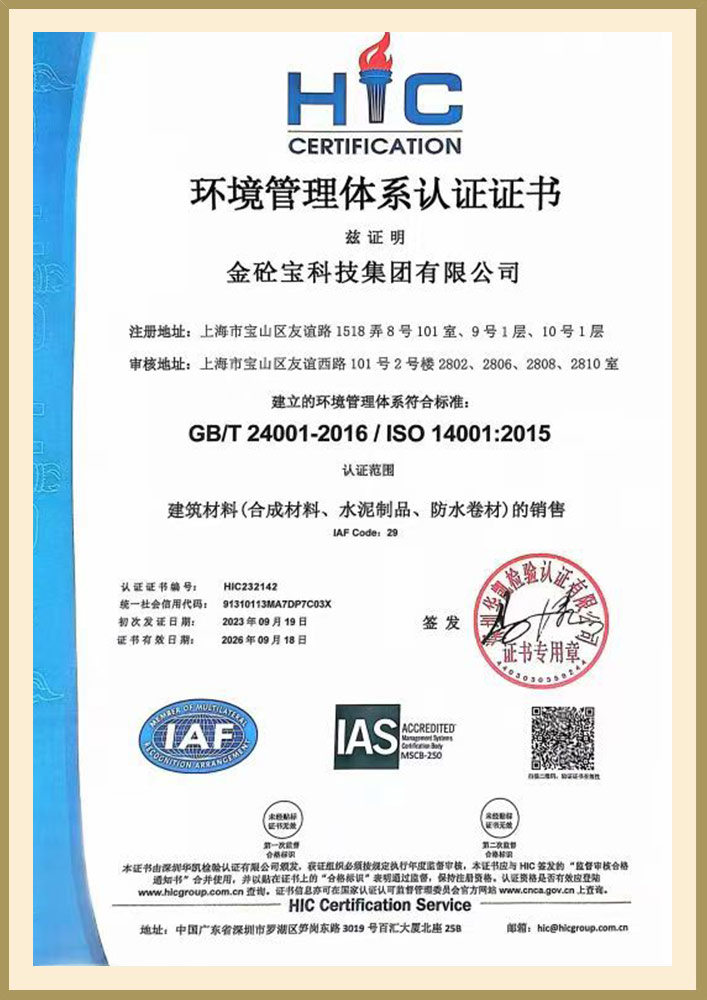
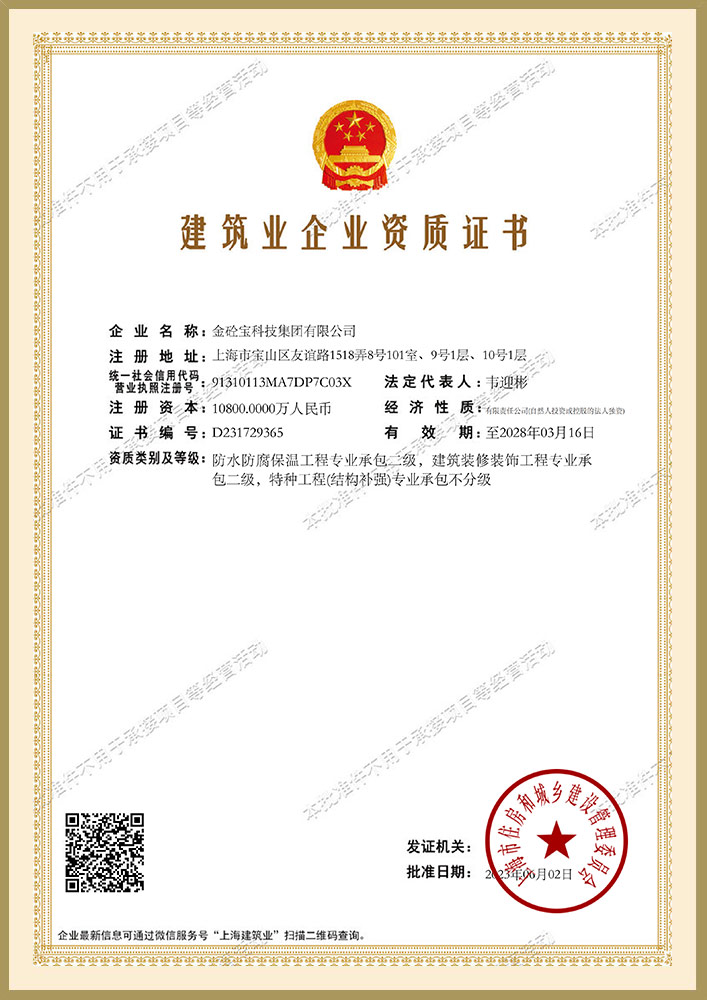
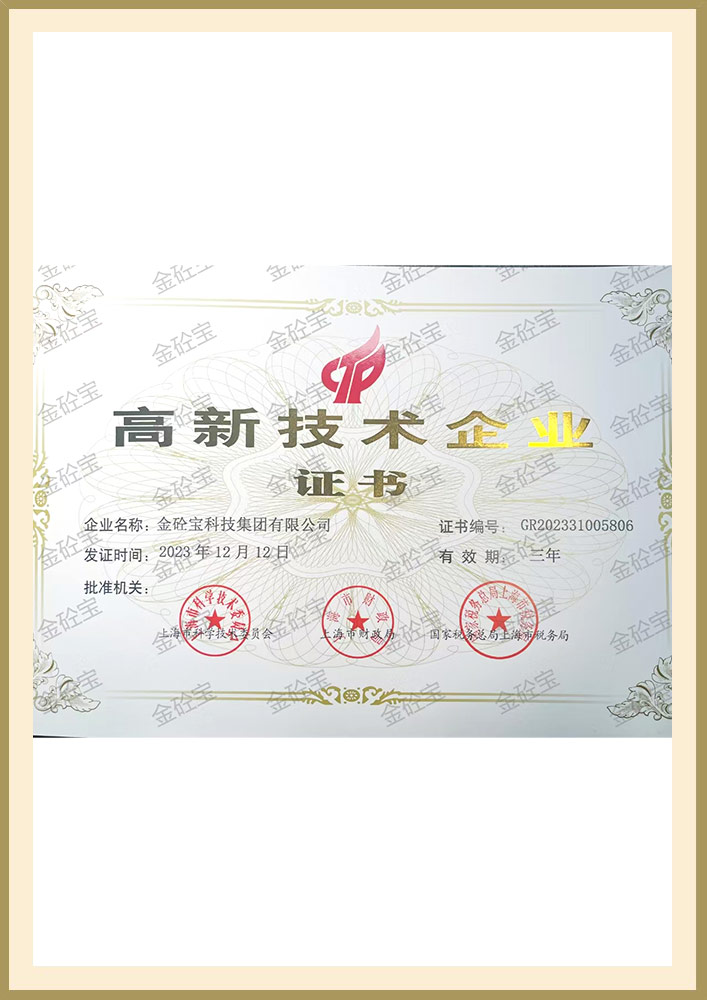
JTB Technology Group Co., Ltd. focuses on reinforcement system solutions integrating research and development, production, sales, and construction services. This integrated model allows material development to consider actual application conditions, including large-volume grouting requirements and complex infrastructure environments.
Why Construction Planning Matters in Large Non-Shrink Grouting Applications
A large-volume grouting project is not only a material application task but also a coordinated construction process. Before installation, project teams usually need to consider equipment arrangement, material delivery timing, mixing capacity, workforce coordination, and emergency response plans.
For example, a foundation grouting project for heavy equipment may require a continuous supply of material within a limited time period. Any interruption during filling may affect the uniformity of the grout layer and create difficulties in achieving consistent contact between the foundation surface and the supported component.
Large infrastructure projects often involve multiple construction stages. Stable production scheduling and logistics coordination become important because the same material system may need to be supplied repeatedly throughout the project period.
Production Capacity and Consistency in Large Non-Shrink Grouting Projects
Production capacity plays an important role when projects require large quantities of non-shrink cementitious grout within a defined construction schedule. Capacity is not only measured by output volume but also by the ability to maintain consistent formulation, manufacturing control, and delivery coordination.
For major infrastructure applications, variations between different production batches may influence mixing characteristics, flow behavior, setting time, and strength development. A controlled manufacturing process helps reduce differences and supports more predictable construction performance.
JTB Technology Group Co., Ltd. has established three production bases located in Zhenjiang, Jiangsu Province, Jinhua, Zhejiang Province, and Dongguan, Guangdong Province, with total production capacity exceeding 1,000,000 tons. The production layout supports continuous manufacturing requirements and provides flexibility for projects requiring large-volume material supply.
| Project Requirement |
Production Capability Role |
Construction Value |
| Large Material Consumption |
Continuous manufacturing capacity |
Supports uninterrupted grouting operations |
| Multi-Stage Construction |
Stable batch production |
Maintains material consistency throughout the project |
| Regional Project Deployment |
Multiple production locations |
Improves supply coordination efficiency |
| Long-Term Infrastructure Work |
Quality management and technical support |
Provides consistent project assistance |
Manufacturing Control Behind Reliable Grouting Materials
The performance of non-shrink cementitious grout begins before the material reaches the construction site. Raw material selection, formulation control, production processes, and laboratory testing all contribute to the final characteristics of the grout.
Important manufacturing factors include particle distribution control, additive compatibility, mixing accuracy, and batch inspection. These processes influence properties such as flowability, expansion behavior, compressive strength development, and durability under different service environments.
A strong production system also requires technical support capability. Construction conditions can vary significantly between urban renewal projects, bridges and tunnels, waterproofing applications, and energy infrastructure. Material suppliers need to understand these differences and provide solutions that align with engineering requirements.
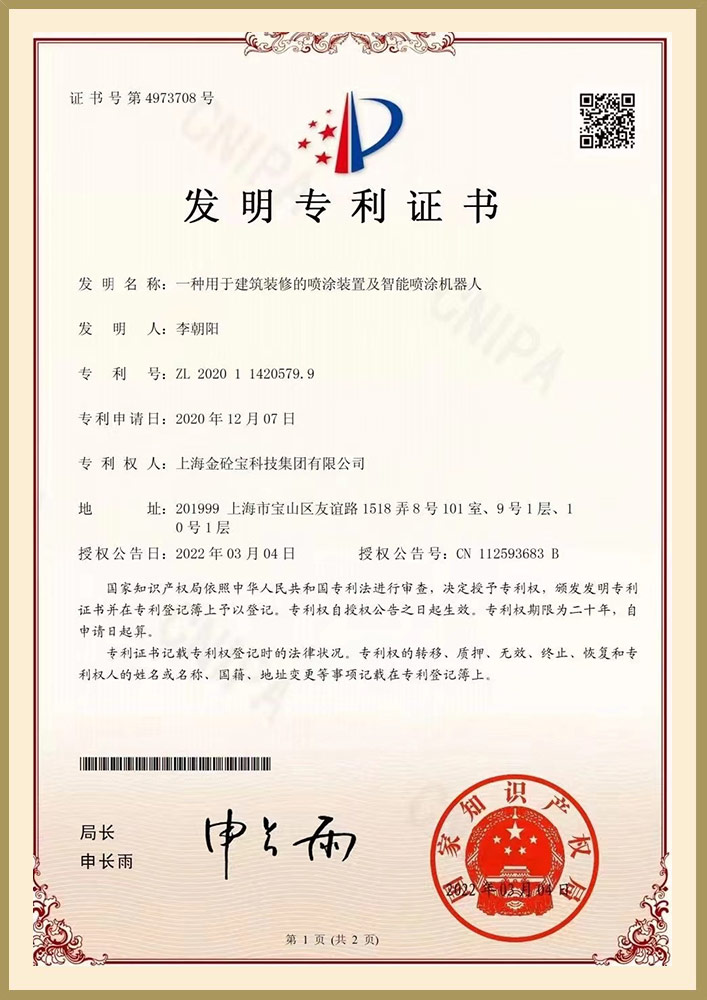
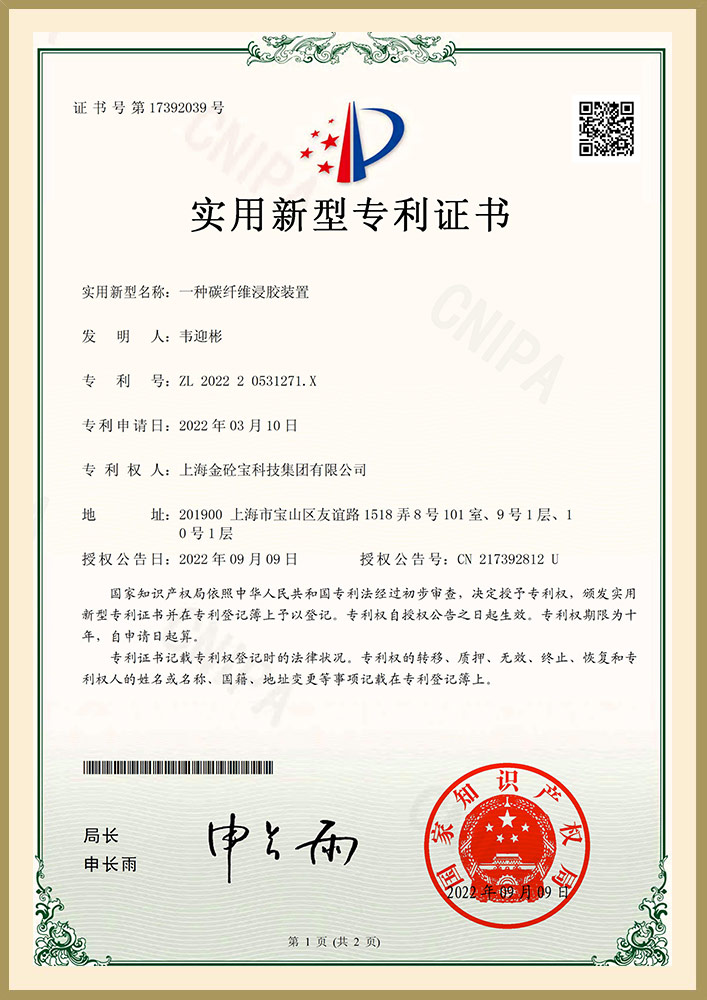
With an R&D center equipped with testing facilities and research resources, JTB Technology Group Co., Ltd. continues to focus on reinforcement-related material innovation and application improvement. The company also promotes the transition from traditional repair approaches toward pre-reinforcement strategies by combining technical development with engineering experience.
Application Considerations for Future Infrastructure Maintenance
As infrastructure enters longer service periods, non-shrink cementitious grout is increasingly applied in projects requiring durable structural connections and controlled maintenance processes. The demand is moving beyond short-term repair toward solutions that support long-term structural management.
Large-volume grouting projects require cooperation between material technology, construction methods, and supply systems. Temperature control, crack risk management, and production capability are connected parts of the same engineering process. Understanding these relationships helps project teams develop more practical approaches for structural reinforcement and infrastructure maintenance.


 en
en
 English
 Español