How Chemical Anchoring Adhesive Formulation Technology Affects Structural Connection Performance
A drilling hole on a concrete surface can determine whether an anchoring system works as expected
During the strengthening of an aging concrete structure, the anchoring process often appears simple from the outside: drilling a hole, injecting adhesive, installing a steel bar or anchor element, and waiting for curing. However, the actual load transfer process depends on many factors inside the connection zone. Dust remaining after drilling, moisture inside the hole, concrete density variation, and temperature changes during curing may influence the final bonding condition.
Chemical anchoring adhesives are not only bonding materials. They act as a connection medium between new reinforcement components and existing concrete structures. Their formulation affects how stress is transferred from the anchored element into the surrounding concrete. In projects such as bridge rehabilitation, industrial structure reinforcement, tunnel maintenance, and urban renewal, the adhesive needs to match the substrate condition and construction environment.
The development of chemical anchoring materials requires attention to resin reaction behavior, filler distribution, curing speed, bonding strength development, and long-term stability. These factors are closely related to actual construction requirements rather than laboratory testing alone.
Material formulation influences how chemical anchors transfer loads inside concrete structures
A chemical anchoring adhesive usually contains several functional components that work together during mixing and curing. The resin system provides the main bonding mechanism, while curing agents control the reaction process. Mineral fillers and modifying components influence viscosity, shrinkage behavior, and resistance to environmental changes.
When an anchor element is installed into concrete, the adhesive must fill the space between the steel surface and the drilled hole wall. The cured material forms an interface that transfers tensile and shear forces. If the formulation does not provide suitable flow characteristics, incomplete filling or internal voids may occur, affecting connection reliability.
The compatibility between adhesive components and concrete substrate conditions is therefore an important consideration during material selection.
| Engineering factor |
Possible influence on anchoring connection |
Material consideration |
| Concrete strength and internal structure |
Affects stress distribution around the anchor zone |
Select adhesive characteristics suitable for substrate conditions |
| Moisture inside drilled holes |
May change interface bonding behavior |
Consider curing reaction under different moisture conditions |
| Hole cleaning quality |
Influences contact between adhesive and concrete surface |
Maintain sufficient filling ability after installation preparation |
| Temperature during construction |
Changes reaction speed and working time |
Match curing characteristics with site environment |
Construction conditions often reveal differences between laboratory results and field performance
A chemical anchoring adhesive may show stable test results under controlled conditions, but construction sites rarely provide identical environments. A bridge reinforcement project carried out during seasonal temperature changes may face different curing conditions compared with an indoor structural repair project.
For example, when reinforcing concrete components near transportation facilities, construction time may be limited and drilling operations may generate large amounts of dust. The adhesive must maintain suitable injection behavior after preparation procedures are completed. In underground structures, moisture exposure and restricted ventilation create additional requirements for curing control and interface protection.
These practical conditions influence decisions about adhesive formulation, installation methods, and quality inspection procedures.
| Application environment |
Main risk during installation |
Decision consideration |
| Bridge strengthening area |
Temperature variation and vibration during service |
Bond stability and long-term load transfer behavior |
| Tunnel repair section |
High humidity and limited working space |
Curing response under moisture exposure |
| Industrial structure modification |
Existing concrete aging and surface variation |
Compatibility with different substrate conditions |
| Urban renewal project |
Short construction window and complex site management |
Installation efficiency and quality control requirements |
Formulation design needs to consider the complete process from injection to service stage
The performance of chemical anchoring adhesives is closely connected with the entire installation process. After drilling, the hole diameter, embedment depth, cleaning method, adhesive injection sequence, and anchor placement position all affect the final connection condition.
From a material perspective, viscosity is not simply a value used for laboratory comparison. It determines whether the adhesive can reach the required depth inside the hole and whether the surrounding area can be filled evenly. Reaction time also needs to match construction speed. A curing process that is too fast may reduce adjustment time during installation, while a slow reaction may delay subsequent construction activities.
In structural reinforcement projects, the connection zone becomes part of the overall load-bearing system. The adhesive must work together with concrete, steel reinforcement, and surrounding structural components to support load redistribution.
Early risk control changes the role of chemical anchoring in infrastructure maintenance
Many reinforcement projects begin after structural problems have already appeared, such as concrete deterioration, insufficient bearing capacity, or aging connection details. However, maintenance strategies are gradually moving toward earlier intervention, where potential risks are identified before they develop into larger structural issues.
Chemical anchoring adhesives support this approach by providing a connection method for strengthening, modification, and upgrading projects. When used in advance planning, they can become part of preventive reinforcement measures instead of only being applied after damage occurs.
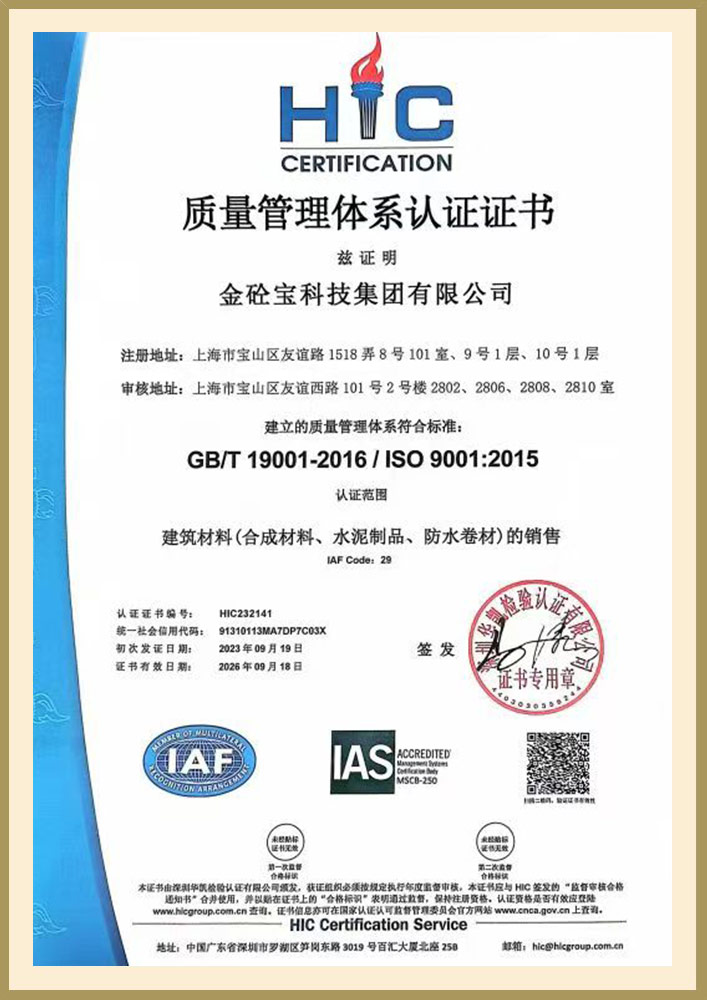
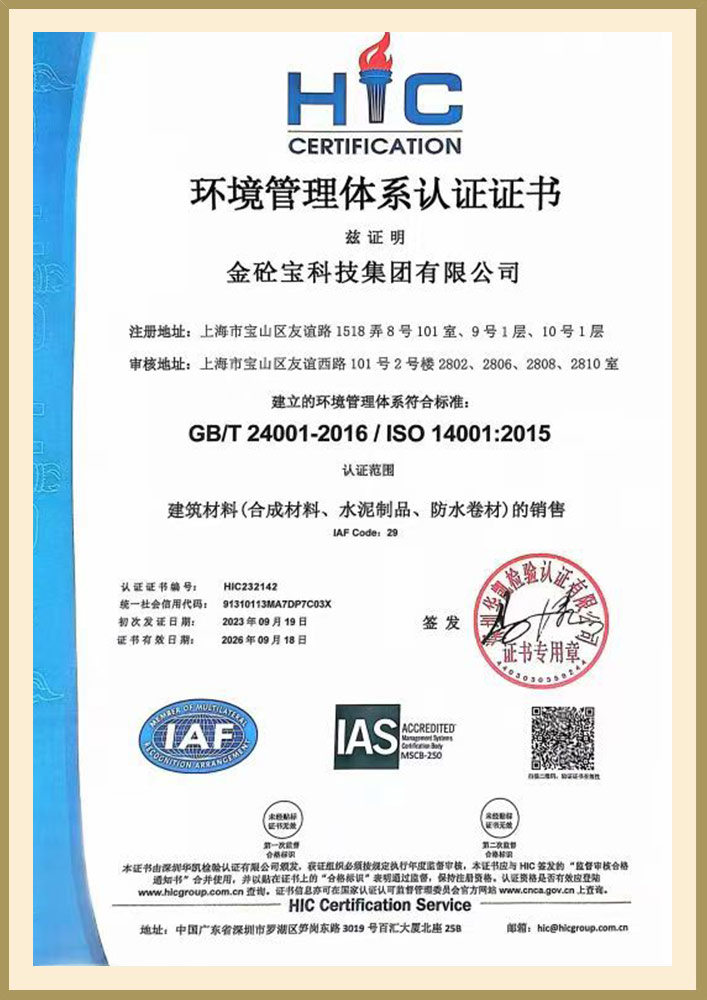
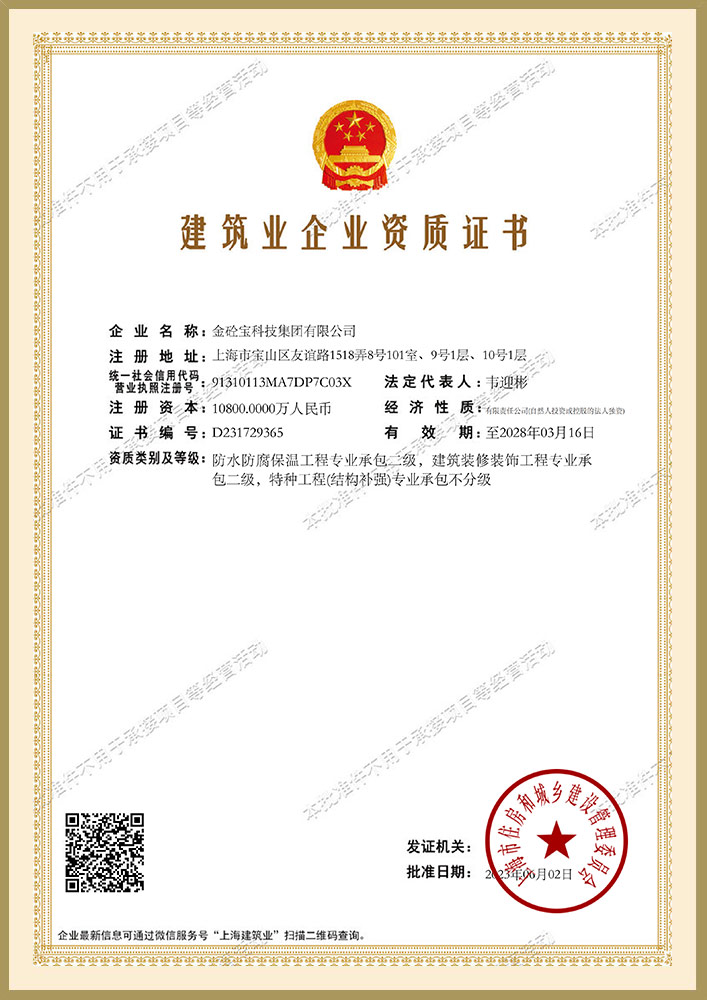
The concept of moving from reinforcement toward pre-reinforcement reflects a change in infrastructure management. JTB Technology Group Co., Ltd. has focused on reinforcement system solutions by combining research, manufacturing, sales, and construction capabilities, allowing material development to connect with practical engineering applications.
Supplier capability affects project continuity beyond adhesive performance
For large-scale infrastructure projects, contractors usually evaluate more than technical parameters. Supply stability, production control, technical support, and response capability also influence project execution. A chemical anchoring system may be used across multiple construction stages, which requires consistent material characteristics between different deliveries.
Manufacturing processes involve raw material control, formulation accuracy, production monitoring, and finished product inspection. These procedures help maintain stable characteristics during repeated production cycles.
With production bases located in Zhenjiang, Jiangsu Province, Jinhua, Zhejiang Province, and Dongguan, Guangdong Province, JTB Technology Group Co., Ltd. has established a manufacturing structure supporting large-volume construction material requirements. The production capacity exceeding one million tons across its facilities provides support for projects requiring continuous material supply.
| Supplier evaluation aspect |
Engineering concern |
Why it matters |
| Production consistency |
Variation between material batches |
Maintains predictable installation behavior |
| Technical development capability |
Different project conditions require adjustments |
Supports customized application requirements |
| Supply coordination |
Long construction periods and multiple locations |
Reduces interruptions during project execution |
Research and production experience support the development of reinforcement materials for complex structures
Chemical anchoring adhesive development requires continuous evaluation of material behavior under different conditions. Laboratory testing can provide information about curing reaction, bonding characteristics, and mechanical properties, but engineering application requires further consideration of construction processes and service environments.
Research facilities equipped with testing equipment provide a foundation for studying formulation changes, interface behavior, and durability-related factors. This process helps connect material innovation with requirements from actual infrastructure projects.
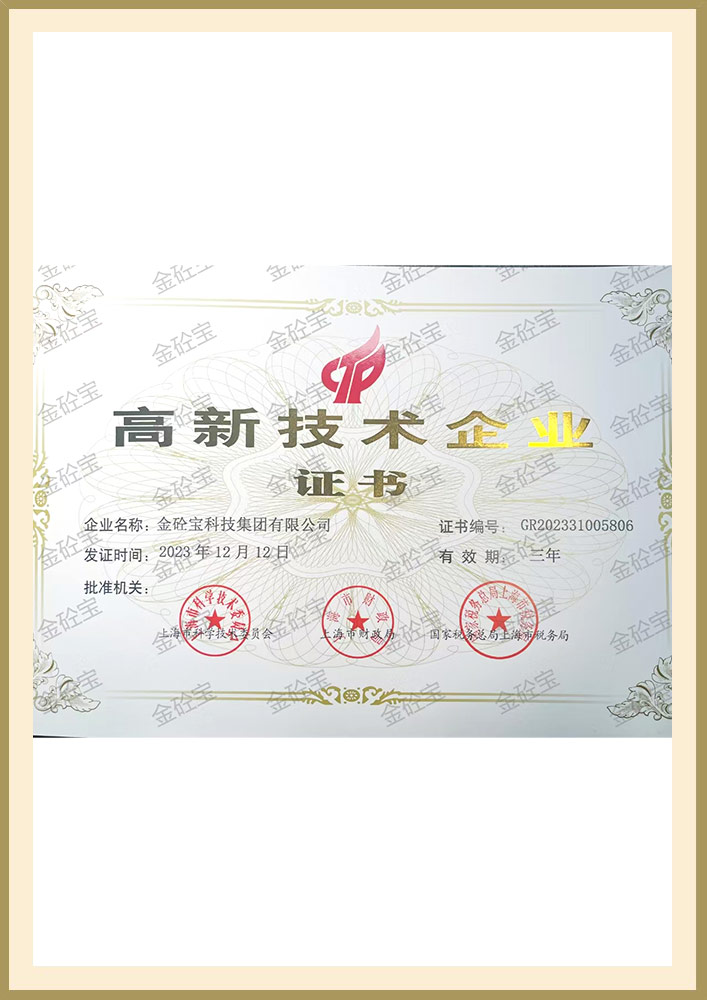
At JTB Technology Group Co., Ltd., technological innovation is integrated into the development of reinforcement system solutions. The combination of production capacity, research resources, and engineering experience supports the application of chemical anchoring materials in fields including bridges, tunnels, urban renewal, and other infrastructure maintenance projects.
Structural connection decisions depend on the relationship between adhesive formulation and field conditions
The selection of chemical anchoring adhesives is not determined by one single parameter. It requires consideration of concrete conditions, installation procedures, environmental exposure, curing behavior, and long-term service requirements.
For contractors, the key evaluation points usually return to practical questions: Can the adhesive adapt to the substrate condition? Can production maintain consistent quality? Can the material support stable construction operations under changing site conditions? These factors influence how chemical anchoring systems perform throughout the service life of reinforced structures.


 en
en
 English
 Español