Tile Adhesive Selection and Formulation Technology for Different Construction Substrates
When Tile Failure Occurs, the Substrate Condition Is Often the Starting Point
In many tile installation projects, surface detachment does not begin with the tile itself. The actual problem is often related to the interaction between the adhesive layer and the substrate beneath it. A concrete wall, cement mortar surface, lightweight partition, or existing renovation layer can create different bonding conditions, which means the same tile adhesive material may not deliver the same application result in every environment.
For large commercial buildings, public facilities, and renovation projects, selecting tile adhesive requires more than considering bonding strength alone. Surface absorption, moisture condition, substrate movement, and construction timing all influence the final performance of the installation system. The adhesive layer must create a stable interface between the tile and the supporting structure while allowing reasonable adjustment during service conditions.
| Substrate Condition |
Main Engineering Concern |
Material Consideration |
| New concrete or cement-based surface |
Surface density and moisture variation |
Adhesion development, water retention, interface compatibility |
| Low-absorption substrate |
Limited water penetration and slower setting behavior |
Open time control and polymer modification |
| Renovation surface |
Existing coating, contamination, or uneven texture |
Bonding adaptability and deformation tolerance |
| Large-format tile installation |
Higher weight and reduced tolerance for hollow areas |
Slip resistance, spreading performance, structural bonding |
Material Selection Requires Understanding the Relationship Between Adhesive and Substrate
Tile adhesive is not simply a fixing layer between two surfaces. It works as a transition zone that transfers stress between rigid tile materials and building structures. During temperature changes, moisture variation, or building movement, this interface experiences repeated mechanical influence.
For dense substrates with low water absorption, the adhesive formulation needs sufficient wetting ability and contact performance because the material cannot rely on rapid water absorption from the base surface. In contrast, highly absorbent cement-based surfaces require controlled water retention to prevent premature drying before sufficient hydration and bonding development take place.
In practical projects, the selection process often considers several engineering factors together. The following table reflects common decision considerations during material matching.
| Project Condition |
Selection Focus |
Potential Risk Without Proper Matching |
| Exterior wall tile installation |
Weather resistance and deformation accommodation |
Bond failure caused by thermal movement |
| High-traffic commercial floor |
Mechanical resistance and long-term stability |
Tile movement or localized detachment |
| Building renovation application |
Compatibility with existing layers |
Insufficient interface connection |
| Large-scale continuous installation |
Batch consistency and construction efficiency |
Variation in application behavior |
Formulation Design Controls the Working Behavior of Tile Adhesive Materials
The performance of tile adhesive materials is closely related to formulation design. A modern adhesive system normally contains cementitious components, graded mineral fillers, functional additives, and polymer modifiers. The interaction between these components determines properties such as workability, water retention, curing behavior, and bonding characteristics.
Particle size distribution affects how the material spreads across the substrate. A balanced grading system helps create a more uniform adhesive layer and reduces difficulties during trowel application. Water retention components influence hydration conditions, especially when the adhesive is applied on porous surfaces where moisture loss can occur quickly.
Polymer modification is another important part of formulation technology. It contributes to improved flexibility of the hardened adhesive layer and helps the material accommodate minor movements caused by temperature variation or substrate deformation. This becomes increasingly important in applications involving exterior environments, large tiles, or structures exposed to repeated climate cycles.
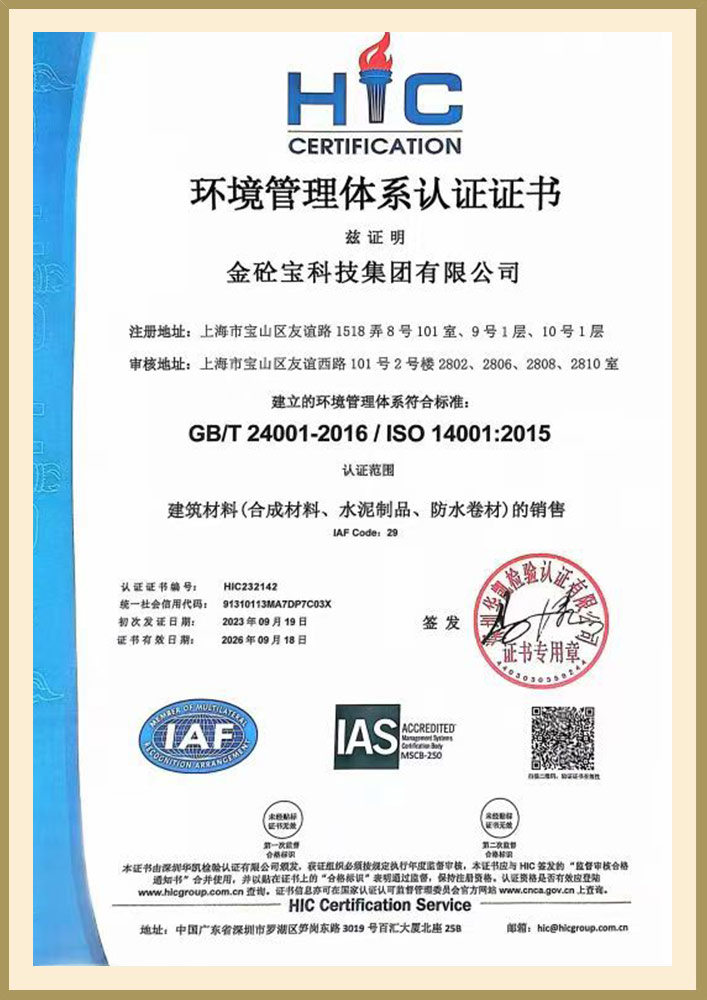
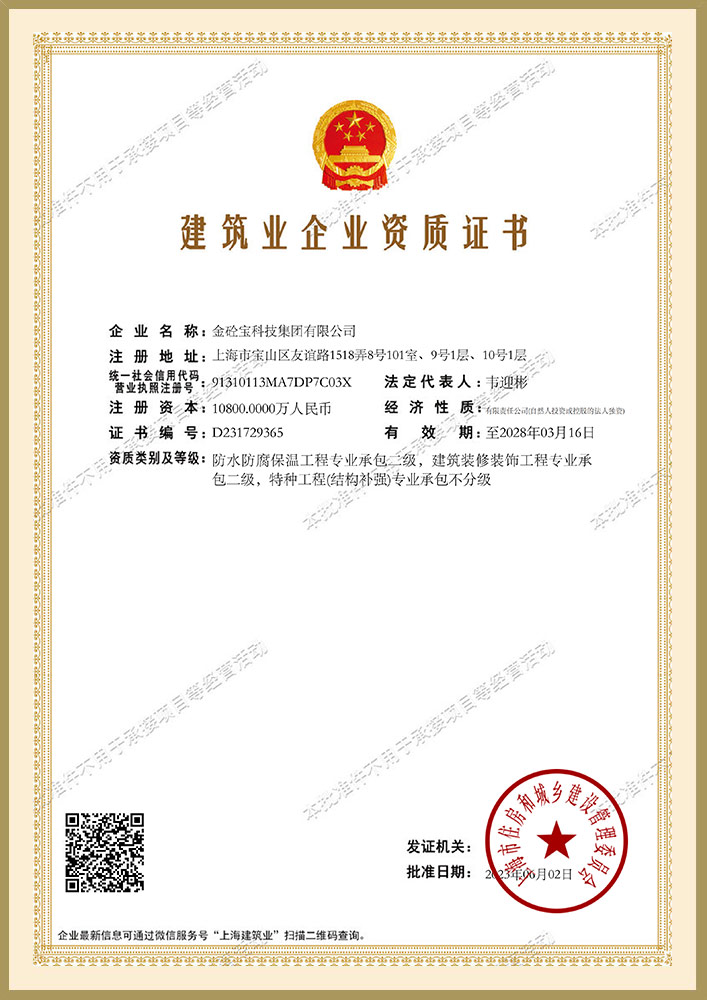
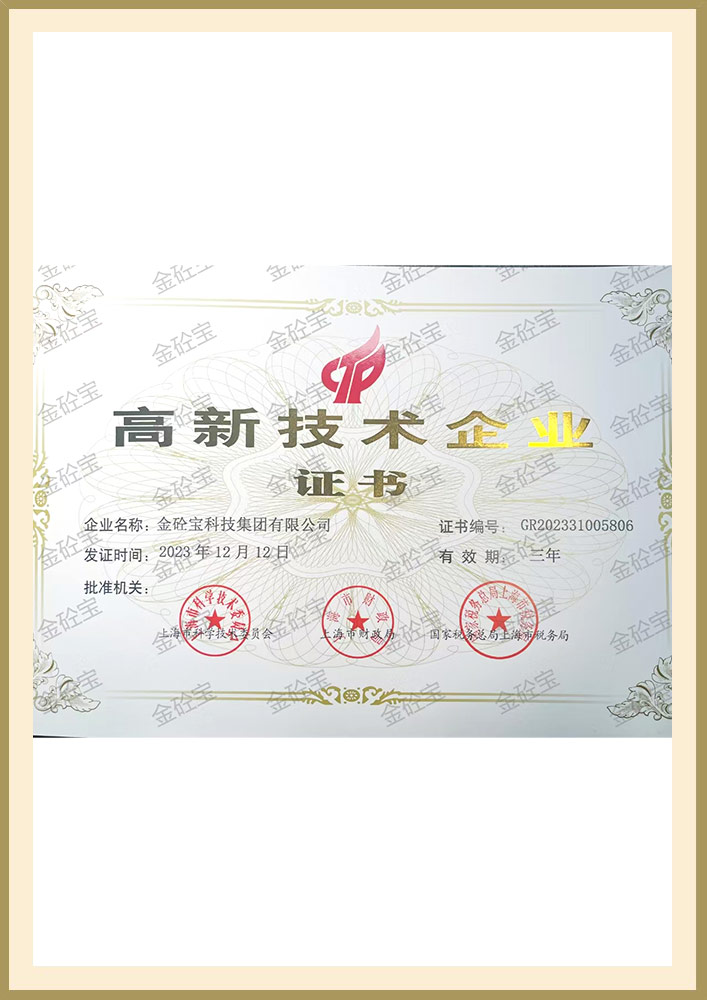
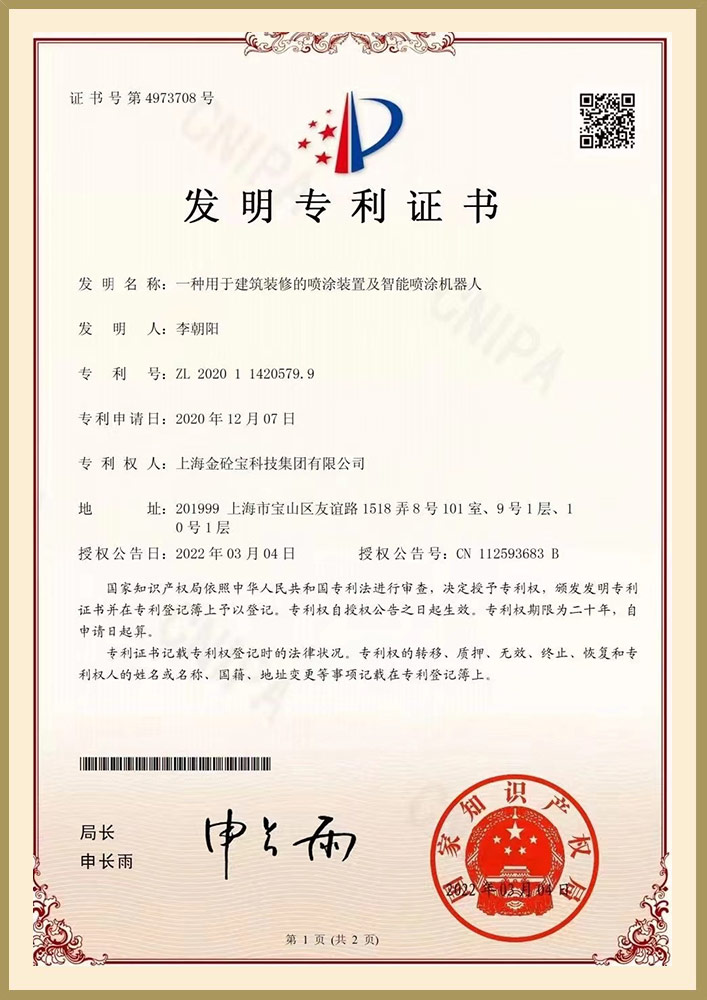
The research and production approach of JTB Technology Group Co., Ltd. focuses on connecting material development with practical engineering requirements. Through integrated capabilities covering research, manufacturing, sales, and construction support, the company applies experience from reinforcement-related fields to broader construction material solutions.
Production Control Becomes Critical When Projects Require Consistent Material Behavior
For individual repair work, small differences in material behavior may be manageable. However, large construction projects involving thousands of square meters of tile installation require stable material characteristics throughout the supply period. Differences in powder composition, additive dosage, or mixing process control can influence application feel, setting time, and final bonding behavior.
Manufacturing consistency depends on controlled raw material selection, production equipment management, laboratory testing procedures, and continuous quality monitoring. A stable production system allows construction teams to plan mixing, application speed, and installation procedures with fewer unexpected adjustments.
With multiple production bases located in Jiangsu, Zhejiang, and Guangdong, JTB Technology Group Co., Ltd. has established a production structure capable of supporting different regional project requirements. The Zhenjiang production facility plays an important role in the company's manufacturing network, supporting continuous production of construction materials and responding to larger supply requirements.
Real Construction Conditions Influence the Final Performance of Tile Adhesive Systems
Even with suitable material selection, construction conditions remain an important factor. Before installation, surface preparation determines whether the adhesive can establish effective contact with the substrate. Dust, loose particles, oil contamination, and unstable surface layers may interfere with bonding formation.
Application thickness also requires control. An adhesive layer that is too thin may not compensate for surface irregularities, while excessive thickness may influence curing behavior. For large-format tiles, proper spreading methods are often required to reduce trapped air and improve contact between adhesive and tile back surfaces.
Temperature and humidity conditions should also be considered during installation. High temperatures may accelerate moisture loss, while low temperatures can slow hydration and curing processes. These factors are particularly important for exterior applications where daily temperature cycles create repeated stress on the adhesive interface.
Material Technology Supports More Reliable Construction Decisions
The development of tile adhesive materials is increasingly connected with broader construction engineering requirements. Projects involving urban renovation, public buildings, and complex architectural spaces require materials that can adapt to different substrates, construction schedules, and environmental conditions.
JTB Technology Group Co., Ltd. continues to emphasize technological innovation and practical application experience, focusing on material solutions that support reinforcement and construction needs. Its approach of moving from reinforcement toward pre-reinforcement reflects a focus on identifying structural and material risks earlier during project planning.
For tile adhesive applications, understanding the relationship between substrate characteristics, formulation technology, production control, and construction practices provides the foundation for selecting suitable material systems in different project environments.


 en
en
 English
 Español