How Should Construction Liquid Materials Be Selected for Structural Applications and Why Does Supply Capability Matter in Large Projects?
In many rehabilitation and infrastructure projects, material selection problems do not appear during the initial design stage but emerge after construction begins. A repair area may require a liquid material with specific bonding characteristics, a waterproofing layer may face continuous moisture exposure, or a large-scale grouting project may require thousands of tons of materials delivered within a limited construction period. These practical conditions determine that construction liquid materials cannot be selected only by product category. Their performance characteristics, application environment, and supply capability need to be considered together.
Construction liquid materials are widely used in structural repair, reinforcement, waterproofing, anti-corrosion protection, and infrastructure maintenance. Different applications involve different requirements for penetration, adhesion, curing behavior, shrinkage control, chemical resistance, and long-term stability. A suitable material system should match the structural condition and construction process rather than simply focus on a single technical index.
Matching Material Characteristics With Actual Structural Conditions
A concrete repair project in an urban renewal area may face different challenges compared with a tunnel waterproofing project or a wind power foundation repair application. The surrounding environment, structural stress condition, and expected service period all influence the selection of construction liquid materials.
For reinforced concrete structures, bonding performance between new and existing materials is an important consideration. Surface conditions, concrete strength, crack development, and moisture level can affect how effectively a liquid material forms an interface layer. In areas exposed to repeated loading, such as bridges or industrial facilities, materials may need better resistance against fatigue-related deterioration and interface debonding.
For waterproofing and anti-corrosion applications, permeability resistance and chemical stability become more important. Underground structures, coastal facilities, and industrial environments may expose construction materials to water pressure, chloride ions, or chemical substances over long periods. The selected material needs to maintain its functional properties under these service conditions.
| Application Environment |
Primary Material Concern |
Related Performance Requirement |
| Concrete Repair and Strengthening |
Interface connection between old and new materials |
Bond strength, shrinkage control, compatibility |
| Bridge and Transportation Structures |
Repeated loading and environmental exposure |
Fatigue resistance, durability, crack resistance |
| Tunnel and Underground Engineering |
Water penetration and long-term protection |
Impermeability, chemical resistance, stable curing |
| Energy Infrastructure |
Long service cycles and complex operating conditions |
Structural adaptability and maintenance reliability |
Considering Construction Process Requirements During Material Selection
Material performance cannot be separated from construction conditions. A liquid construction material may perform differently depending on mixing procedures, surface preparation, application thickness, curing environment, and working time control.
For example, in a large concrete repair area, insufficient fluidity may prevent complete filling of narrow gaps, while excessive fluidity without proper stability may cause material separation. In injection-based applications, viscosity, penetration ability, and curing speed need to match the crack width, structural condition, and construction equipment.
Temperature is another factor that affects construction liquid materials. High temperatures may accelerate chemical reactions and shorten working time, while low temperatures may slow curing and influence early strength development. Construction planning needs to consider these changes to maintain consistent application quality.
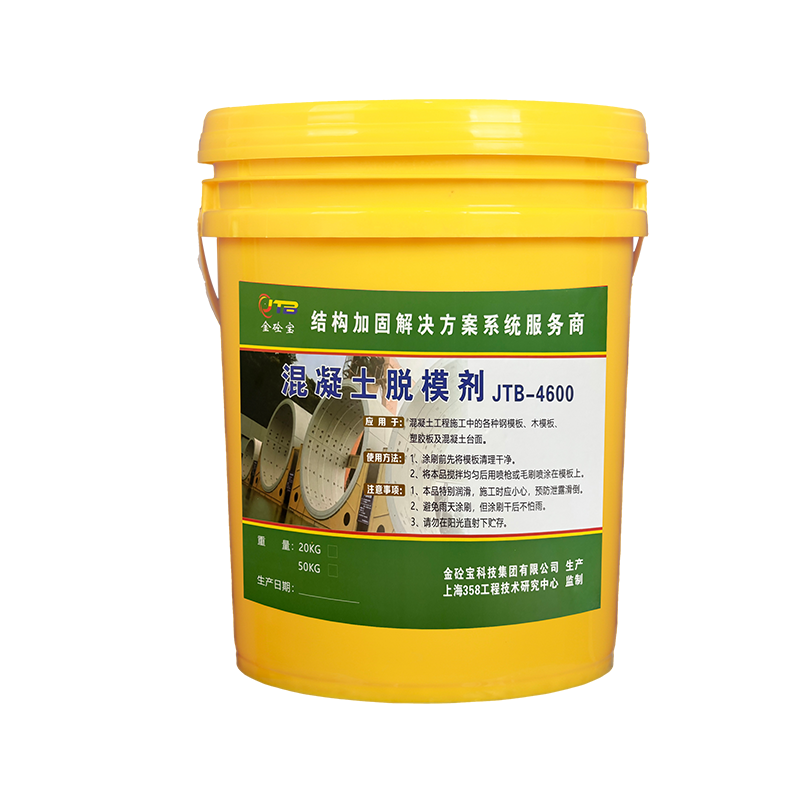
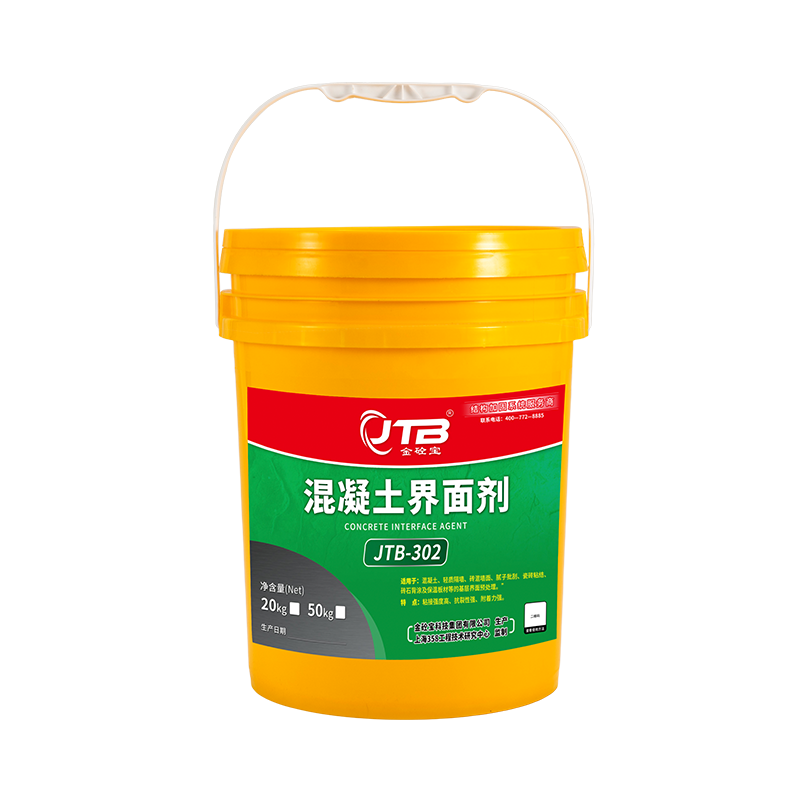
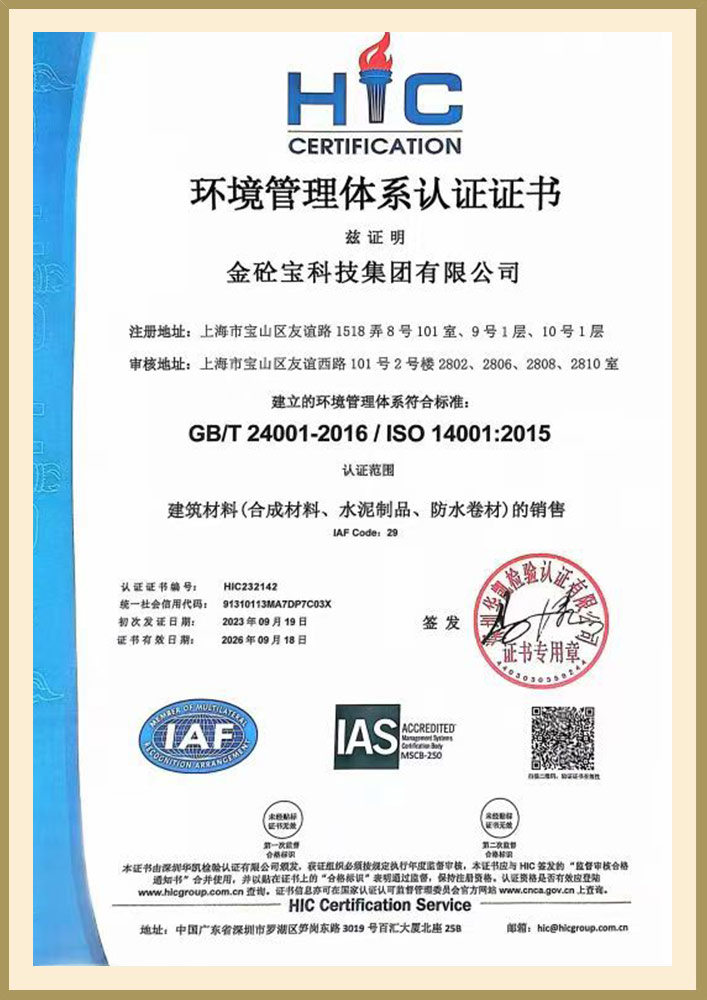
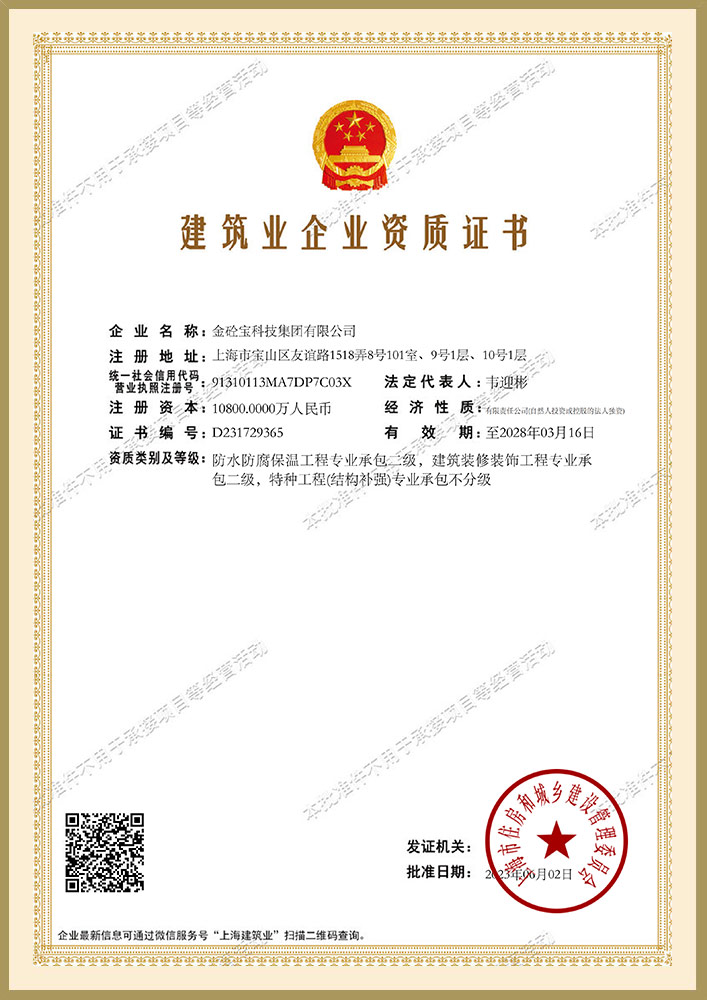
With experience in reinforcement system solutions, JTB Technology Group Co., Ltd. focuses on connecting material research, production processes, and engineering applications. This approach allows construction liquid materials to be developed according to practical project conditions, including large infrastructure maintenance, reinforcement applications, and specialized construction environments.
Why Large Construction Projects Require Stable Material Supply Capability
In large-scale construction projects, material availability directly influences construction scheduling. A technically suitable product may still create project risks if supply capacity cannot support continuous application. This is especially important for projects involving large quantities of grouting materials, repair compounds, or protective coatings, where interruptions can affect construction progress and quality consistency.
Large infrastructure projects usually require materials from the same production system throughout different construction stages. Batch consistency, production scheduling, transportation coordination, and technical support become important factors in maintaining project stability.
A production system with multiple manufacturing locations can provide additional flexibility when responding to regional demand or large-volume requirements. JTB Technology Group Co., Ltd. operates production bases in Jiangsu, Zhejiang, and Guangdong, forming a manufacturing layout that supports continuous production and supply coordination for different project requirements.
The Relationship Between Production Capacity and Project Implementation Efficiency
Production capacity is not only related to output volume. For construction chemical materials, it also reflects whether a supplier can maintain consistent manufacturing processes, quality inspection procedures, and delivery arrangements during demanding project periods.
Large projects often involve phased construction schedules. A bridge rehabilitation program, airport maintenance project, or tunnel protection project may require materials delivered according to specific construction windows. Delayed supply or inconsistent product batches may influence mixing procedures, application performance, and overall project coordination.
| Project Requirement |
Supply Capability Influence |
Practical Impact |
| Continuous Construction Schedule |
Stable production and inventory management |
Reduces interruption during application stages |
| Large Material Consumption |
Large-scale manufacturing capability |
Supports high-volume project demand |
| Multi-Region Projects |
Regional production and logistics coordination |
Improves delivery flexibility |
| Long-Term Cooperation |
Consistent quality management |
Supports repeated project requirements |
Quality Control From Raw Materials to Finished Construction Products
For construction liquid materials, manufacturing control has a direct relationship with field performance. Raw material selection, formulation adjustment, mixing accuracy, and batch inspection all influence the final characteristics of the product.
Modern production processes usually involve controlled material dosing, laboratory performance testing, and batch traceability systems. These procedures help maintain consistency in parameters such as viscosity, curing behavior, strength development, and durability performance.
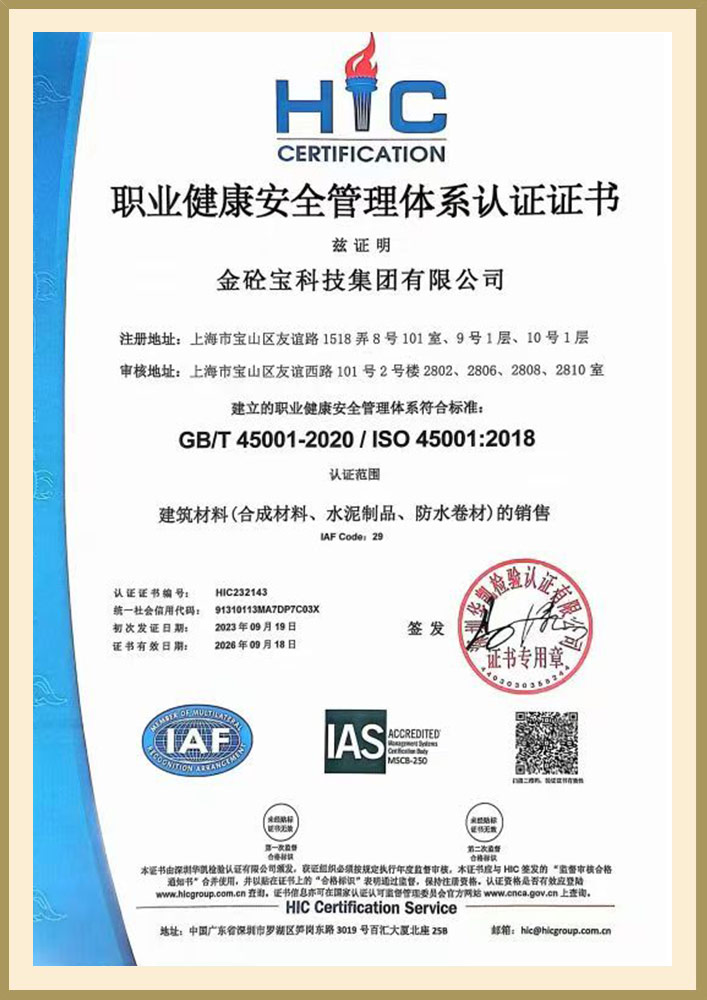
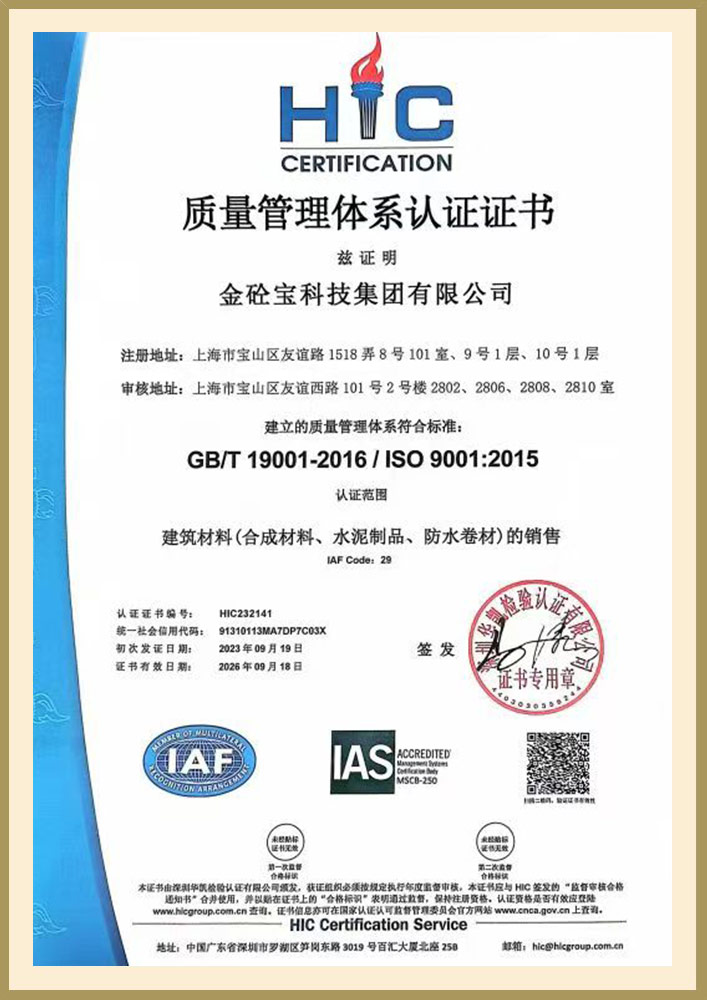
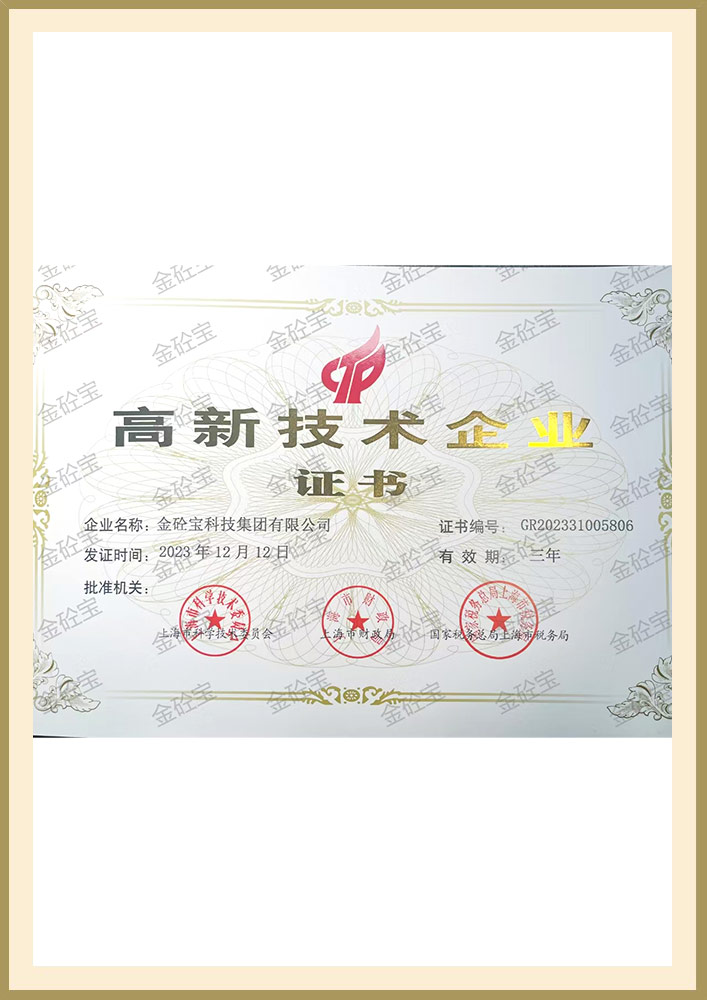
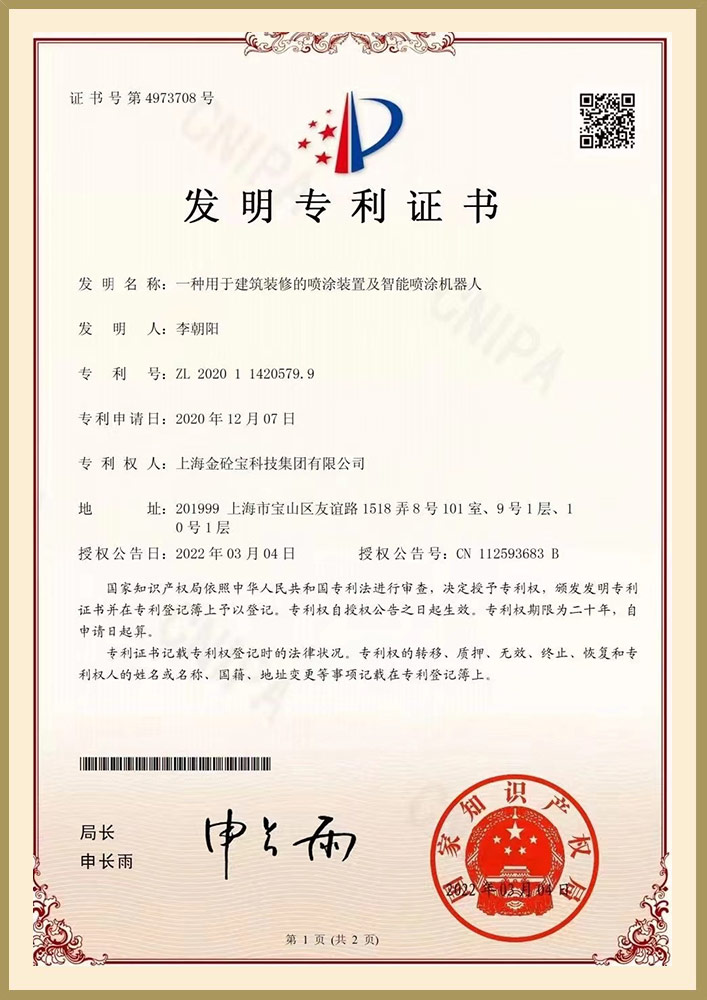
A supplier with research capability can also adjust formulations according to different engineering needs. JTB Technology Group Co., Ltd. has established an R&D center equipped with testing equipment and research resources, supporting continuous improvement of reinforcement-related materials and construction solutions.
Adapting Construction Chemical Solutions to Future Infrastructure Maintenance
Infrastructure maintenance is gradually shifting from responding to visible damage toward earlier protection and risk management. This change requires construction liquid materials to support not only repair activities but also preventive reinforcement strategies.
For aging bridges, tunnels, energy facilities, and urban structures, selecting suitable materials at an early stage can help control deterioration processes and improve maintenance planning. Material technology, production capability, and engineering experience are increasingly connected in modern construction management.
The concept of moving from reinforcement to pre-reinforcement reflects a broader industry direction. Through continuous innovation, manufacturing development, and application experience, JTB Technology Group Co., Ltd. contributes to construction solutions designed for changing infrastructure requirements.


 en
en
 English
 Español