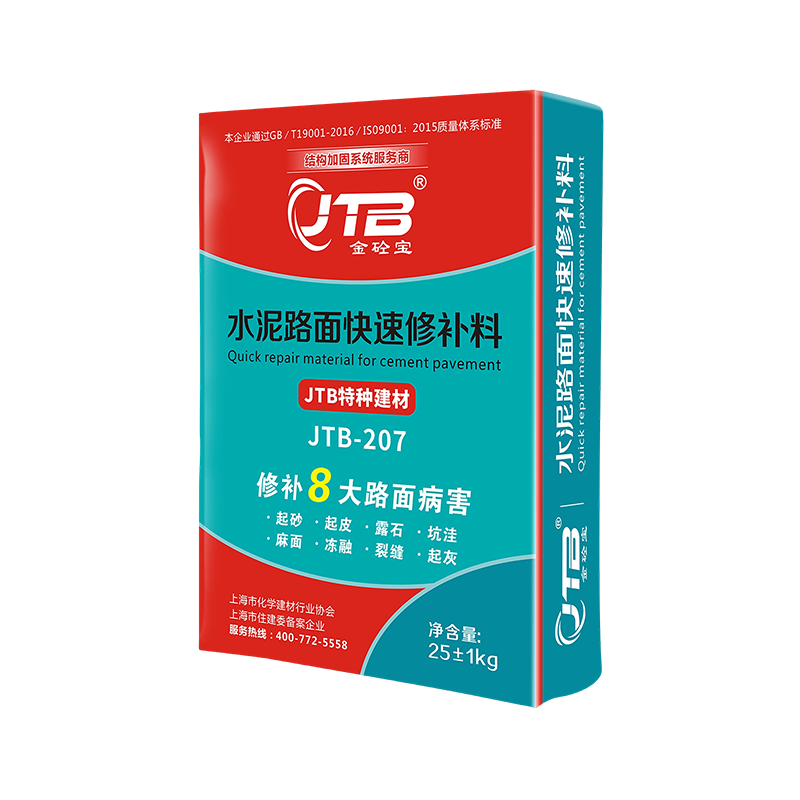
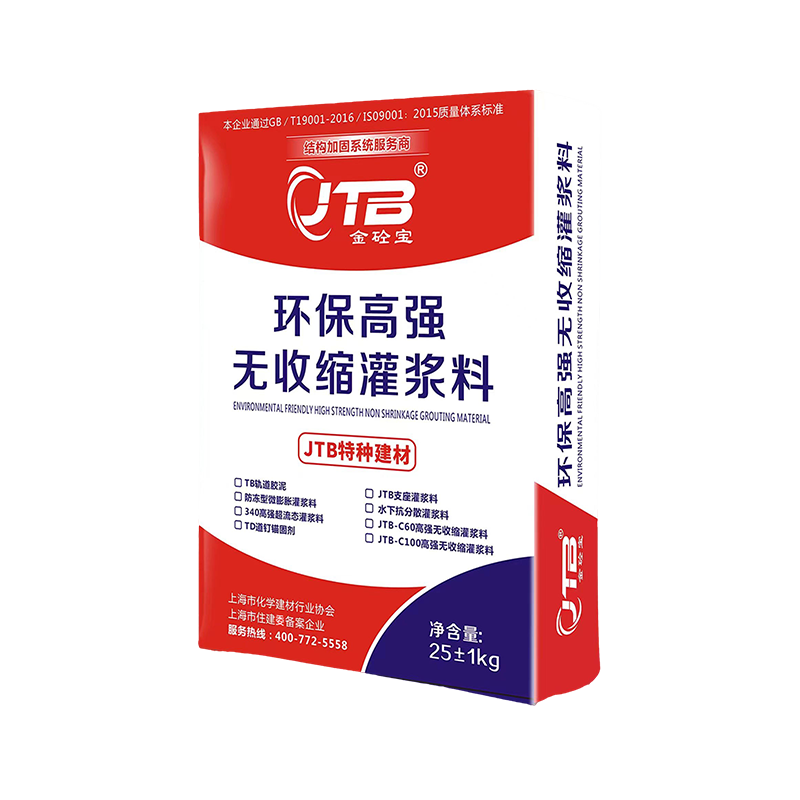
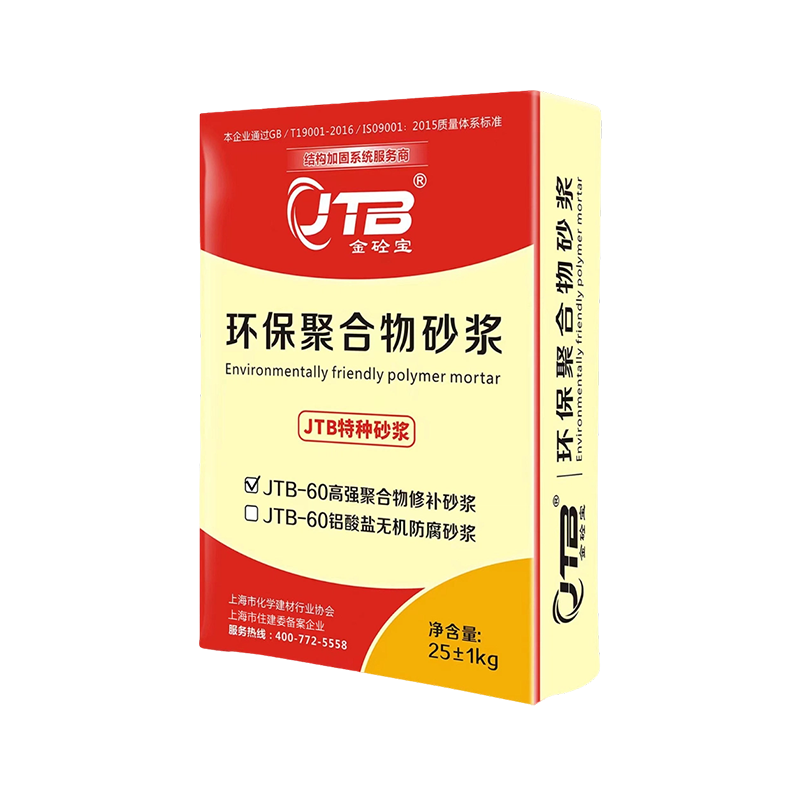
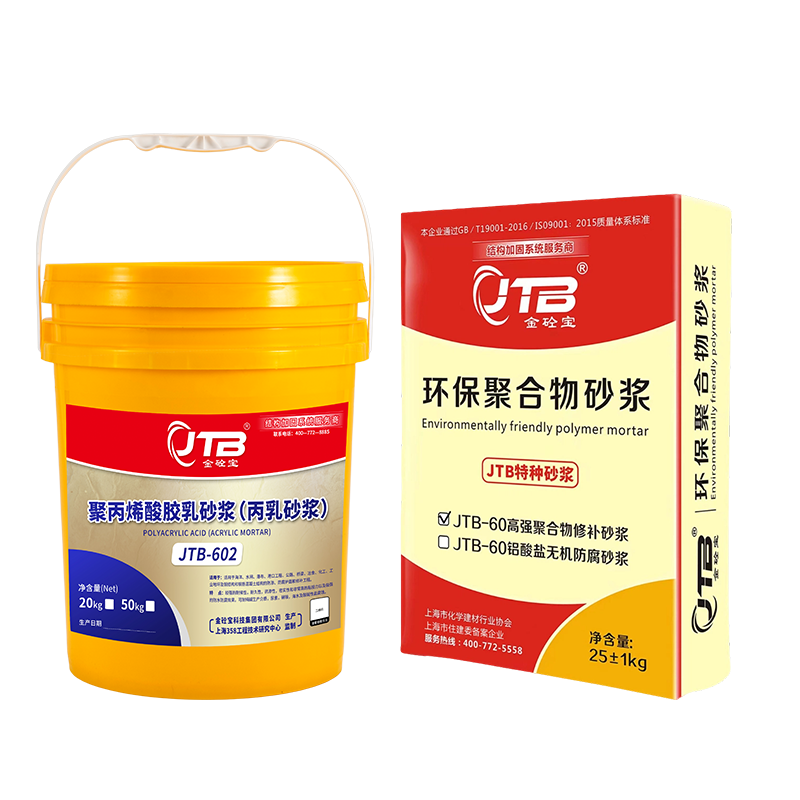
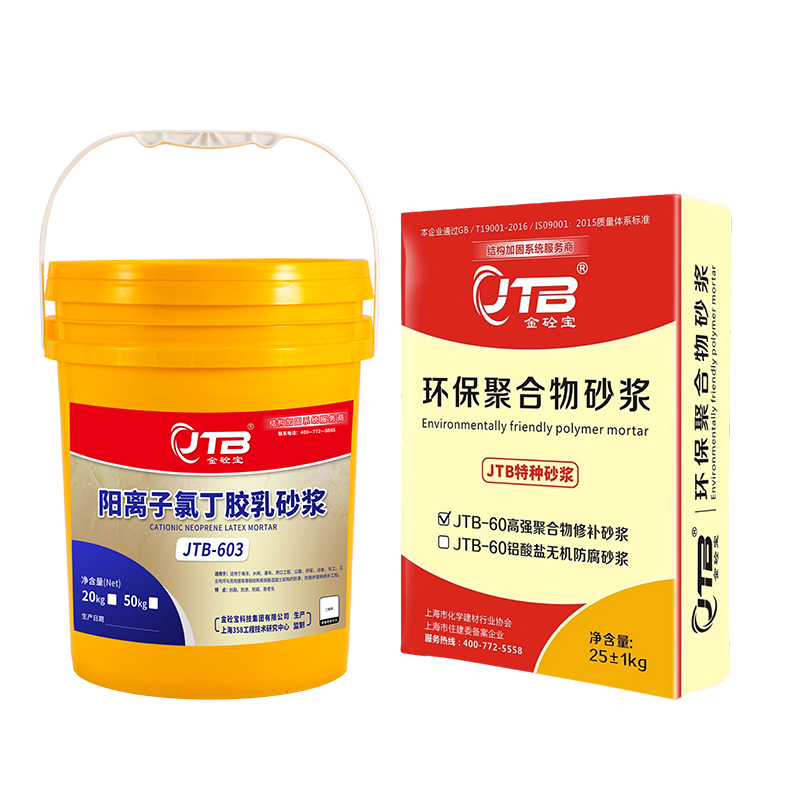
What Properties Must High-Quality Concrete Repair & Specialized Mortar Possess?
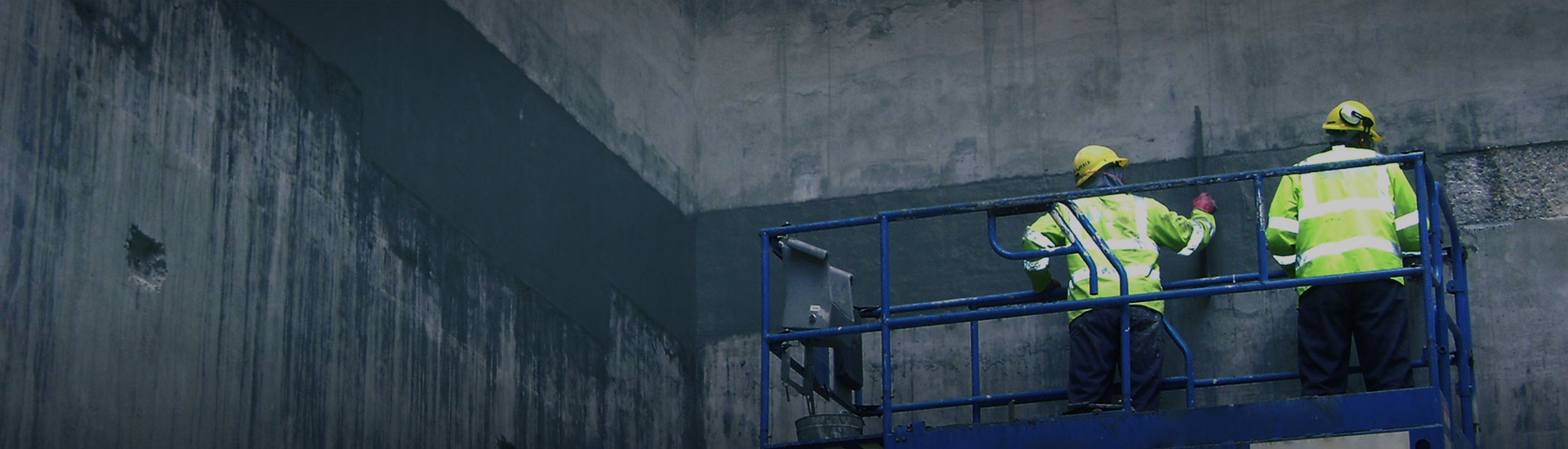
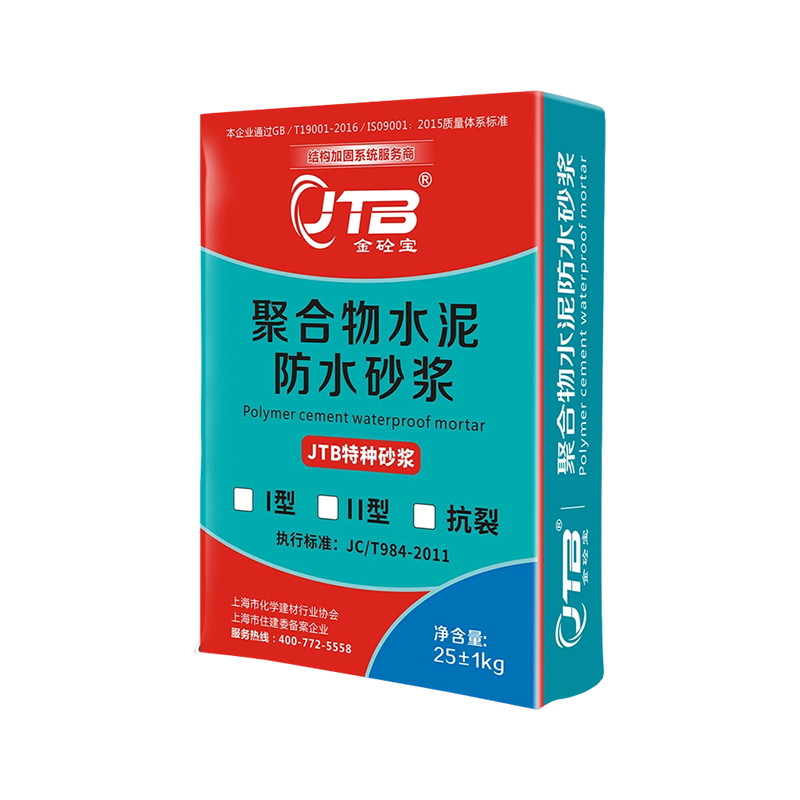
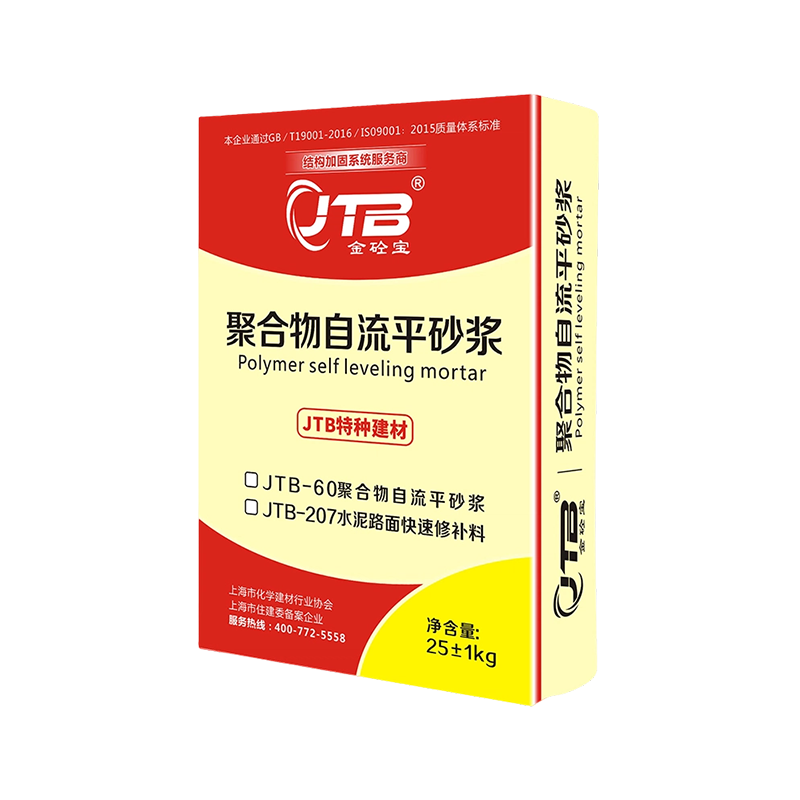
Concrete Repair & Specialized Mortar is an important material used for restoring damaged concrete structures and improving the service performance of reinforced concrete systems. In applications such as bridges, industrial facilities, tunnels, infrastructure projects, and building structures, repair materials need to work together with the existing concrete substrate and reinforcement system. The selection of suitable repair mortar directly affects repair quality, structural reliability, and long-term maintenance requirements.
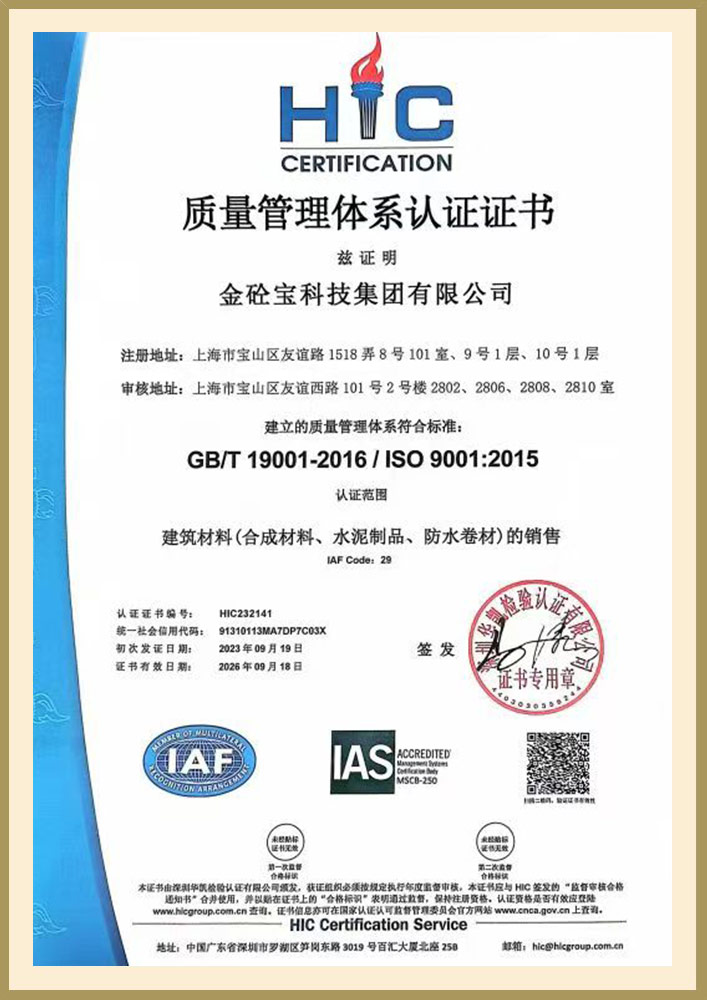
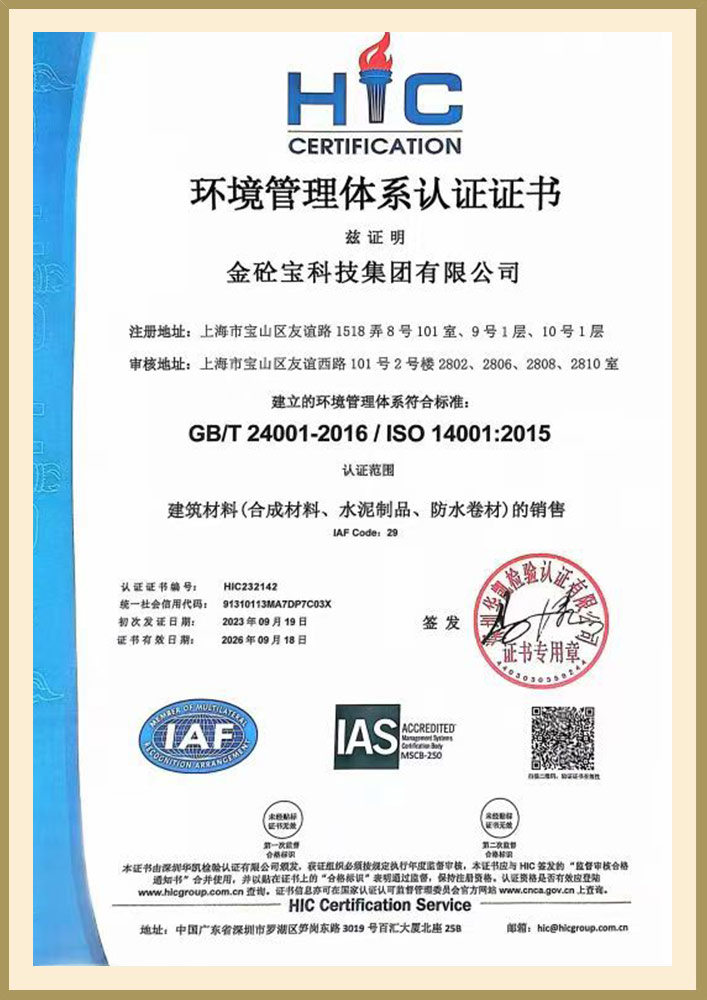
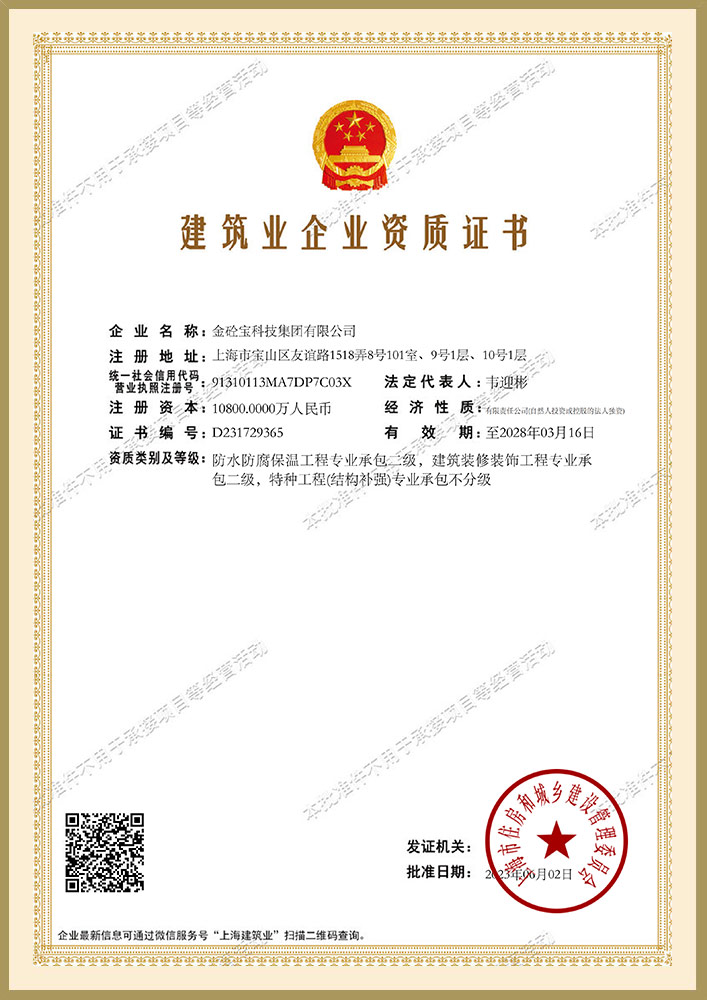
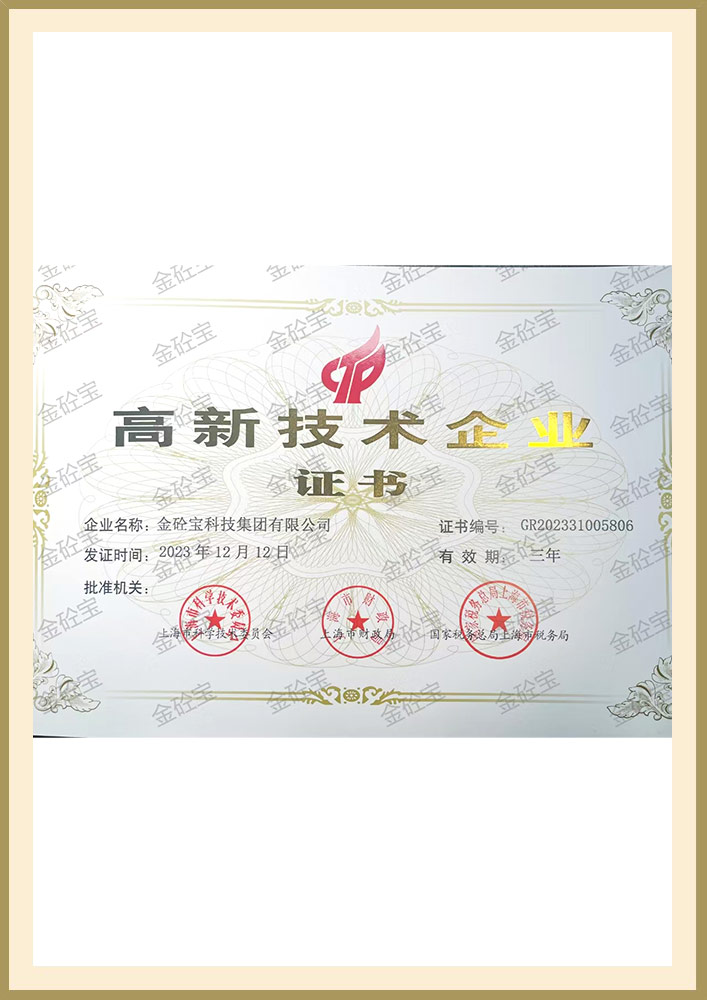
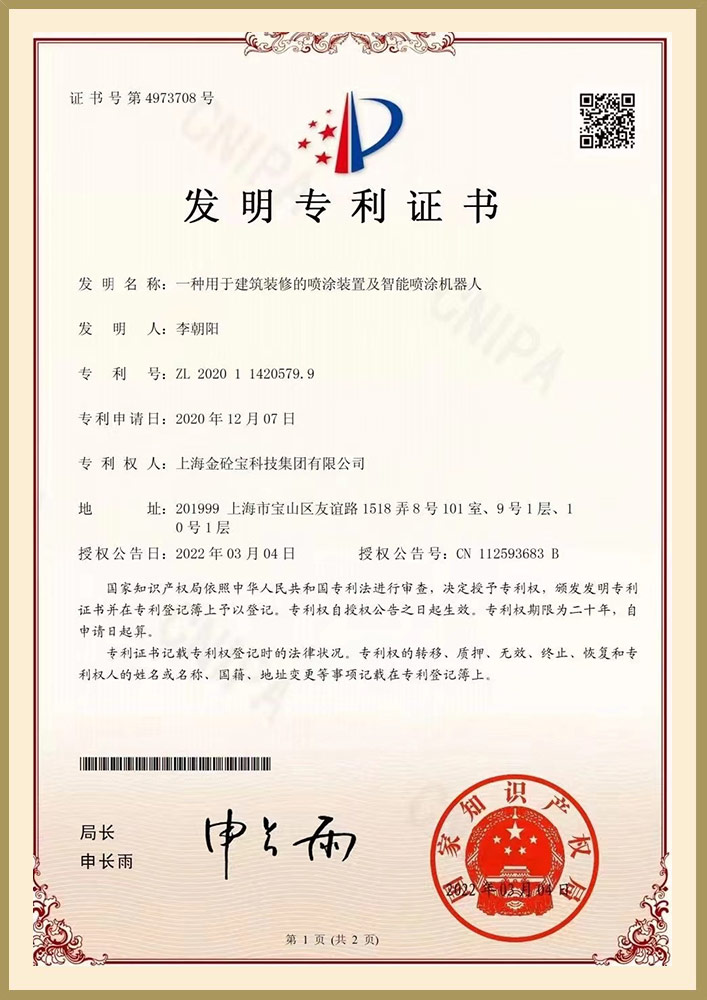
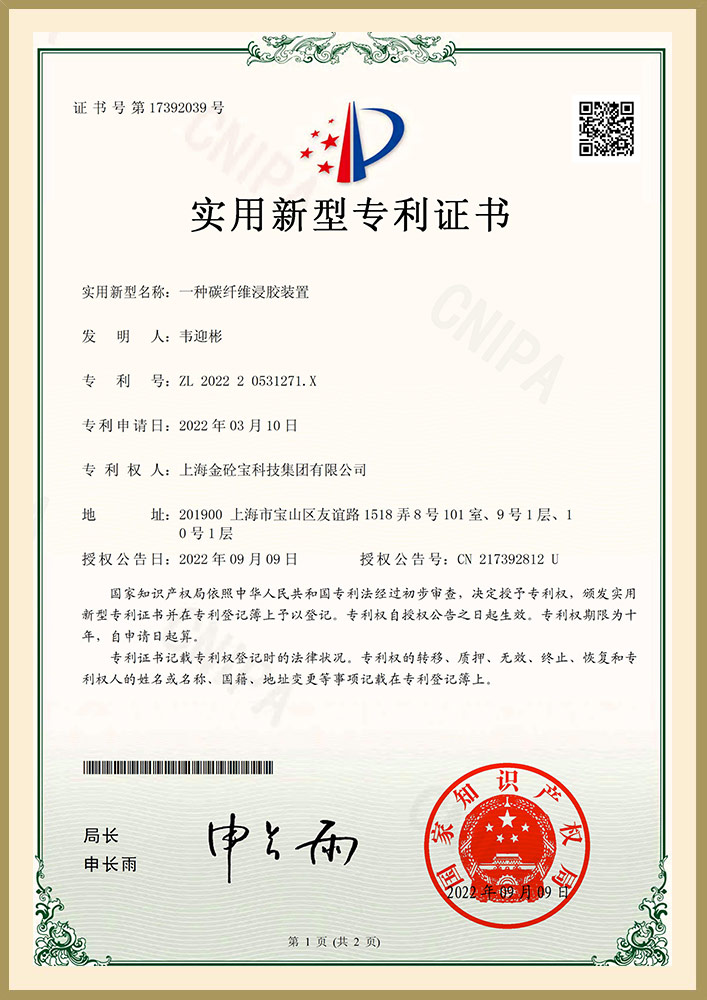
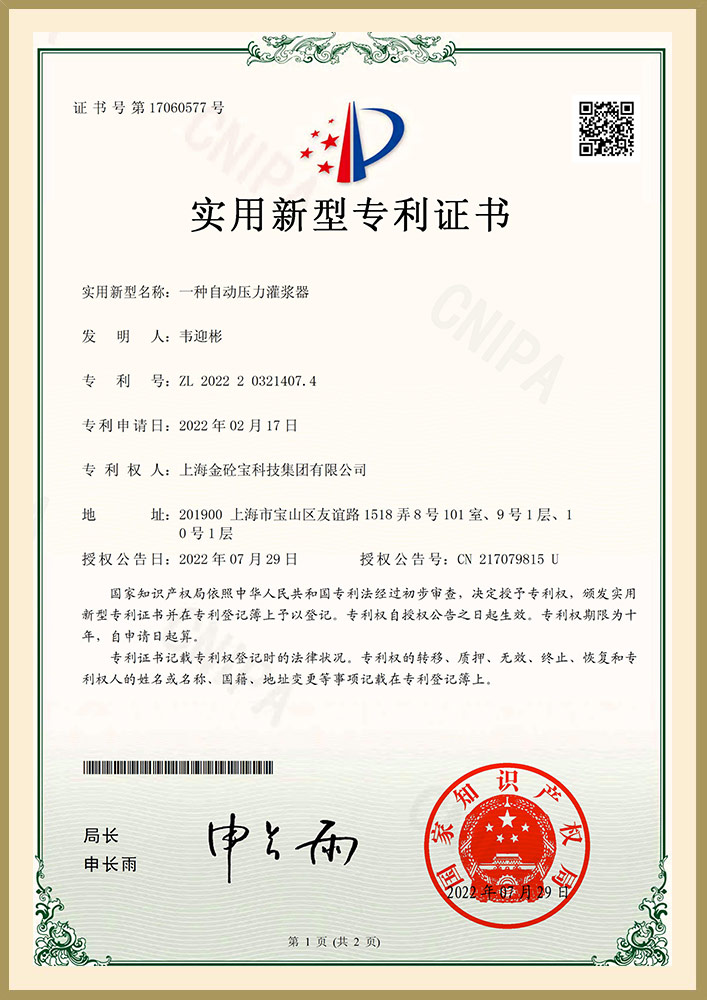
As a reinforcement system solutions provider integrating R&D, production, sales, and construction, JTB Technology Group Co., Ltd. focuses on developing practical solutions for concrete structure restoration. Through continuous investment in technological innovation and the support of advanced R&D equipment, the company studies material performance requirements and construction conditions to provide solutions that meet different engineering environments.
Strong Bonding Performance for Reliable Connection with Existing Concrete
One of the most important properties of Concrete Repair & Specialized Mortar is bonding capability. Since repair mortar is usually applied onto an existing concrete surface, the material must form a stable connection with the original structure. Poor bonding performance may lead to debonding, hollow areas, or surface detachment during service.
High-quality repair mortar should have suitable adhesion strength to create a continuous transition between new repair layers and old concrete. This property depends on multiple factors, including material formulation, surface preparation, water management, and construction methods. A repair mortar with proper bonding characteristics can better accommodate the interaction between the repair area and the original concrete structure.
| Property |
Importance in Concrete Repair |
| Bonding strength |
Helps maintain a stable connection between repair material and existing concrete |
| Surface compatibility |
Supports better integration with different concrete substrates |
| Interface stability |
Reduces the possibility of separation during long-term use |
Appropriate Mechanical Strength for Structural Repair Applications
Concrete Repair & Specialized Mortar must provide suitable mechanical strength according to the requirements of different projects. The repaired area may experience compression, vibration, impact, or repeated loading, so the repair material needs to maintain its physical integrity after installation.
Compressive strength is commonly considered an important indicator when evaluating repair mortar performance. However, strength should not be considered separately from other characteristics. A repair material with suitable strength, balanced flexibility, and good compatibility with the existing concrete can better adapt to practical engineering conditions.
For projects involving damaged reinforcement areas, the repair mortar should also work effectively with steel reinforcement protection measures. JTB Technology Group Co., Ltd. combines material research with reinforcement system experience to consider both repair performance and structural requirements during solution development.
Low Shrinkage and Crack Resistance for Long-Term Stability
Volume change after hardening is an important factor affecting the durability of concrete repair materials. Excessive shrinkage may create internal stress between the repair layer and the original concrete, increasing the possibility of cracks.
A suitable Concrete Repair & Specialized Mortar should control drying shrinkage and maintain dimensional stability during the curing process. Crack resistance is influenced by material composition, environmental conditions, curing methods, and construction thickness. Repair mortar designed with proper shrinkage control can help maintain a stable repair surface under changing temperature and moisture conditions.
| Performance Requirement |
Related Engineering Benefit |
| Shrinkage control |
Helps reduce stress caused by volume changes |
| Crack resistance |
Supports longer-lasting repair areas |
| Dimensional stability |
Improves compatibility between repair mortar and concrete substrate |
Durability Against Environmental Factors
Concrete structures are often exposed to complex environments, including moisture, temperature variation, chemical influence, and freeze-thaw cycles. Therefore, repair mortar needs appropriate durability characteristics to maintain performance throughout its service period.
Important durability-related properties include resistance to water penetration, chloride ion migration, carbonation influence, and freeze-thaw damage. In coastal areas, transportation infrastructure, and industrial environments, these properties become important considerations when selecting repair materials.
A durable repair mortar should provide protection for the repaired concrete area and support the preservation of reinforcement systems. By combining research capabilities with practical construction experience, JTB Technology Group Co., Ltd. evaluates different environmental requirements when designing concrete repair solutions.
Good Workability for Efficient Construction
Besides hardened performance, construction characteristics are also essential when evaluating Concrete Repair & Specialized Mortar. Materials with suitable workability can improve installation efficiency and help achieve consistent repair quality.
Important workability factors include mixing performance, application convenience, thickness adaptability, and finishing characteristics. Repair mortar should be easy to apply while maintaining stable performance during the construction process. This is especially important for projects involving complex structures, narrow spaces, or large-scale repair areas.
Compatibility with Reinforced Concrete Repair Systems
Concrete repair is often part of a broader structural maintenance process rather than an independent material application. When reinforcement corrosion, concrete deterioration, or structural damage occurs, repair mortar needs to work together with other repair procedures, including surface treatment, reinforcement protection, and structural strengthening.
A suitable repair solution should consider the relationship between the repair material and the entire reinforcement system. Compatibility with existing concrete, steel reinforcement, and additional strengthening measures helps create a more coordinated repair approach.
| Consideration |
Key Question |
| Material compatibility |
Can the repair mortar work effectively with existing concrete? |
| Construction adaptability |
Can the material meet different project conditions? |
| Maintenance requirements |
Can the repair system support long-term service needs? |
Quality Control and Technical Support in Concrete Repair Applications
The performance of Concrete Repair & Specialized Mortar depends not only on the material itself but also on production control, testing procedures, and technical support. Manufacturers with R&D capabilities can continuously improve material formulations according to engineering feedback and application requirements.
JTB Technology Group Co., Ltd. emphasizes the connection between laboratory research and practical construction. With a professional R&D team and integrated service capabilities, the company focuses on providing reinforcement system solutions that consider material performance, construction processes, and project conditions.
Key Evaluation Factors When Selecting Concrete Repair & Specialized Mortar
When choosing Concrete Repair & Specialized Mortar for an engineering project, customers should evaluate multiple factors rather than focusing on a single performance index. The selection process should consider structural conditions, environmental exposure, repair requirements, construction methods, and expected service period.
| Evaluation Area |
Main Factors |
| Material performance |
Bonding strength, mechanical strength, shrinkage control, durability |
| Project conditions |
Damage type, environmental exposure, structural requirements |
| Service support |
Technical guidance, construction experience, solution integration |
High-quality Concrete Repair & Specialized Mortar should provide a balanced combination of bonding ability, mechanical performance, durability, crack resistance, and construction adaptability. Through scientific material development and professional engineering support, repair solutions can better meet the requirements of modern reinforced concrete maintenance and restoration projects.
FAQ
Q: How does Concrete Repair & Specialized Mortar improve the durability of reinforced concrete structures?
A: Concrete Repair & Specialized Mortar helps restore damaged concrete areas by improving surface integrity, protecting exposed reinforcement, and rebuilding the damaged section. Its durability depends on properties such as bonding performance, shrinkage control, resistance to environmental conditions, and compatibility with the existing concrete. JTB Technology Group Co., Ltd. focuses on developing reinforcement system solutions that consider both material performance and long-term structural requirements.
Q: What factors should be considered when selecting Concrete Repair & Specialized Mortar for different engineering projects?
A: The selection of Concrete Repair & Specialized Mortar should be based on factors including damage type, structural condition, construction environment, repair thickness, and expected service requirements. Projects involving steel reinforcement corrosion, surface damage, or structural restoration may require different repair approaches. With its R&D capabilities and construction experience, JTB Technology Group Co., Ltd. evaluates project conditions to provide suitable reinforcement system solutions.
Q: Why is bonding strength important in Concrete Repair & Specialized Mortar applications?
A: Bonding strength determines how effectively the repair mortar connects with the existing concrete substrate. A suitable bonding performance helps reduce issues such as separation and hollow areas after repair. Proper surface preparation, material formulation, and construction methods are also important factors that influence the final bonding effect.
Q: How can Concrete Repair & Specialized Mortar help protect steel reinforcement from further damage?
A: Concrete Repair & Specialized Mortar can support reinforcement protection by restoring the concrete cover layer and reducing exposure of steel reinforcement to moisture, oxygen, and harmful substances. When combined with reinforcement treatment procedures, it can contribute to improving the service condition of reinforced concrete structures. JTB Technology Group Co., Ltd. integrates material research and reinforcement system knowledge to address different repair requirements.
Q: What technical capabilities should a Concrete Repair & Specialized Mortar supplier provide for engineering applications?
A: A reliable Concrete Repair & Specialized Mortar supplier should have capabilities in material research, quality control, technical support, and construction guidance. Advanced R&D equipment, professional testing methods, and practical project experience help ensure that repair materials meet different application conditions. JTB Technology Group Co., Ltd. invests in technological innovation and maintains an R&D team to support the development of reinforcement system solutions.


 en
en
 English
 Español