Concrete Crack Injection Systems: Material Compatibility and Supplier Capability Behind Long-Term Structural Repair
A narrow crack in concrete may represent a much larger repair decision
During a bridge maintenance project, a crack measuring only a few millimeters may appear to be a simple surface defect. However, after inspection, the same crack can reveal different internal conditions, such as moisture migration, incomplete concrete compaction, reinforcement corrosion risk, or repeated structural movement. The repair method cannot be determined only by the visible crack width. The internal pathway, surrounding concrete condition, and future service environment all influence whether an injection system can provide a suitable repair solution.
Concrete crack injection systems are used in many infrastructure applications, including bridge rehabilitation, tunnel maintenance, underground structures, industrial facilities, and urban renewal projects. Their performance depends on the relationship between injection material characteristics and the actual concrete substrate. Factors such as viscosity, curing reaction, bonding behavior, moisture tolerance, and pressure injection control need to be considered before construction begins.
For contractors, selecting a crack injection system supplier is not only a purchasing decision. It involves evaluating whether the supplier understands material behavior, production consistency, construction requirements, and long-term structural maintenance objectives.
The condition inside the crack determines the direction of material selection
A concrete crack is not simply an empty space waiting to be filled. Its internal condition can vary according to the age of the structure, environmental exposure, and the reason the crack developed. A dry shrinkage crack in an indoor concrete component may require different injection characteristics from a water-bearing crack located in an underground structure.
Material compatibility becomes important because injection materials must interact with the existing concrete structure after entering the crack channel. The penetration ability of the material, the reaction speed during curing, and the bonding interface formed after hardening all influence the repair process.
| Field condition |
Technical issue requiring attention |
Injection system decision factor |
| Fine cracks with limited opening width |
Material may not reach deeper internal areas |
Control viscosity and penetration behavior |
| Moisture-containing cracks in tunnels or basements |
Water affects bonding and curing process |
Consider moisture compatibility and reaction stability |
| Moving cracks near structural joints |
Repeated deformation changes stress conditions |
Select materials with suitable flexibility characteristics |
Supplier evaluation should begin before the material reaches the construction site
In large repair programs, the supplier's responsibility extends beyond delivering injection materials. Contractors need to understand whether the supplier has the ability to support different project conditions, especially when structures involve multiple repair locations or long construction periods.
A bridge rehabilitation project may contain several types of cracks within the same structure. Some areas may require deeper penetration, while other sections may focus on sealing water pathways. A supplier with practical application experience can provide technical communication based on crack characteristics rather than treating every repair area with the same material approach.
When evaluating a supplier, contractors often pay attention to production control, testing capability, technical communication, and supply coordination. These factors influence whether the repair process can remain stable during different construction stages.
| Supplier capability |
Construction concern |
Practical evaluation point |
| Formulation development ability |
Different structures have different repair conditions |
Can the material system be adjusted according to application requirements? |
| Production process control |
Batch variation may affect field performance |
Are raw materials, mixing procedures, and finished products controlled consistently? |
| Technical response capability |
Unexpected site conditions may appear during injection |
Can application problems receive timely technical support? |
Injection performance depends on more than chemical formulation
The formulation of crack injection materials involves the relationship between chemical components and construction conditions. A material with suitable flow characteristics in laboratory testing may behave differently when applied to concrete with different moisture levels, surface conditions, or internal pore structures.
For example, before pressure injection begins, crack cleaning quality directly affects the contact between the material and the concrete surface inside the crack. Dust, loose particles, and contaminants may reduce the effective bonding area. Injection pressure also requires control because excessive pressure may create unnecessary material loss, while insufficient pressure may leave unfilled internal sections.
In underground engineering projects, moisture conditions often become a major consideration. Water movement through concrete cracks can influence curing reactions and interface bonding. In bridge structures exposed to seasonal temperature changes, crack movement and thermal stress require additional attention during material selection.
Real construction conditions create different requirements for crack repair systems
A crack injection system selected for a tunnel cannot always be directly applied to an elevated bridge structure. The surrounding environment, repair objective, and expected service period influence the technical requirements.
For example, tunnel maintenance normally involves restricted working space, continuous humidity, and difficult inspection conditions. Bridge repair projects may involve traffic pressure, temperature variation, and strict construction schedules. These differences require contractors to evaluate materials from an engineering perspective instead of focusing only on basic product parameters.
| Application environment |
Main repair challenge |
Important selection consideration |
| Bridge deck rehabilitation |
Crack movement and exposure cycles |
Bonding performance and long-term interface stability |
| Underground structure repair |
Continuous moisture penetration |
Material reaction under wet conditions |
| Urban renewal projects |
Limited construction windows |
Working time and field application adaptability |
Manufacturing capability becomes part of repair reliability for large projects
When a repair project covers multiple structures, material supply consistency becomes closely connected with construction management. Differences between production batches may influence injection behavior, curing time, and application adjustment requirements.
Manufacturing control includes raw material inspection, production process monitoring, formulation accuracy, and finished product testing. These procedures help maintain stable material characteristics when products are supplied for repeated construction operations.
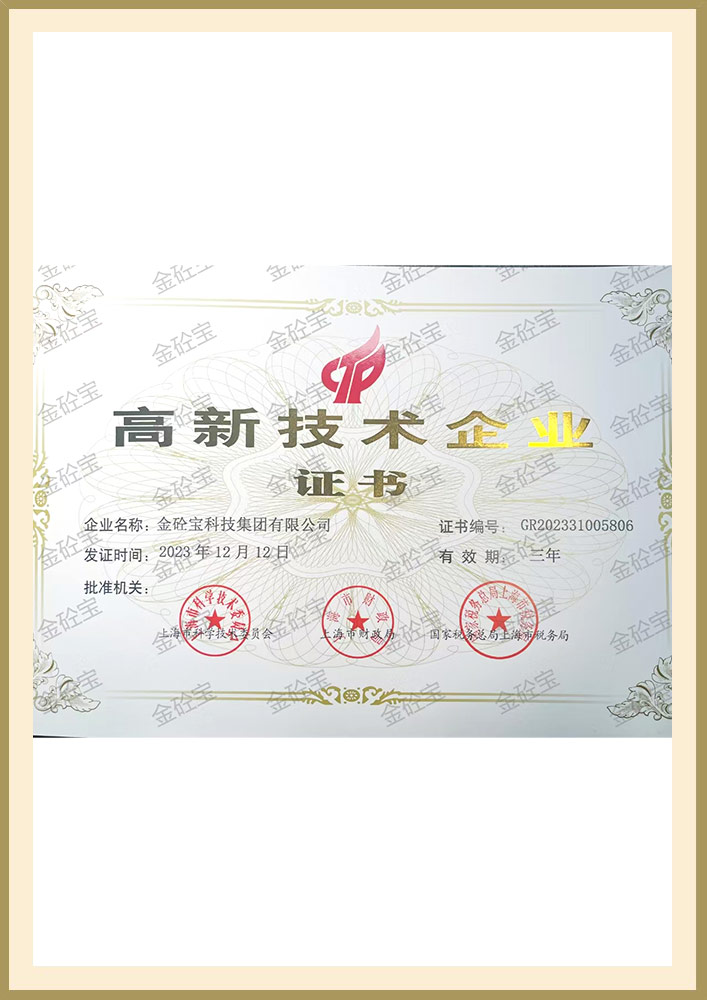
JTB Technology Group Co., Ltd. integrates research, production, sales, and construction services within its reinforcement system solution framework. Its production network includes facilities in Zhenjiang, Jiangsu Province, Jinhua, Zhejiang Province, and Dongguan, Guangdong Province, with large-scale capacity supporting material supply requirements for infrastructure applications.
Research capability connects material development with structural maintenance needs
Crack injection material development requires evaluation from initial mixing to long-term service conditions. Laboratory testing can provide information about viscosity change, curing behavior, bonding characteristics, and durability performance, but these results need to be connected with actual construction environments.
Research facilities and testing equipment allow manufacturers to study how different formulations respond to temperature changes, moisture conditions, substrate differences, and construction procedures. This approach helps reduce the distance between laboratory development and field application.
JTB Technology Group Co., Ltd. focuses on technology innovation within reinforcement-related applications and combines research resources with practical engineering experience. This connection supports the development of material solutions that consider both structural conditions and construction requirements.
From repairing visible cracks to controlling structural risks earlier
Infrastructure maintenance is gradually moving from reactive repair toward earlier risk control. A crack that is treated at an early stage may prevent further deterioration caused by water penetration, environmental exposure, or repeated loading.
The concept of moving from reinforcement toward pre-reinforcement reflects this change in maintenance thinking. Crack injection systems can become part of a broader structural protection strategy when material selection, construction planning, and inspection processes are considered together.
For contractors, the final decision usually depends on several practical questions: Can the material reach the required crack depth? Can the supplier maintain stable production during a long repair program? Can technical support respond when site conditions differ from expectations? These considerations determine whether a crack injection system can match the actual needs of a structure.


 en
en
 English
 Español