Concrete Surface Treatment Liquids: Compatibility Analysis and Supplier Evaluation for Structural Repair Applications
A surface defect on concrete does not always indicate a simple repair requirement
During the maintenance of a bridge pier, tunnel lining, or industrial concrete floor, visible surface problems often appear before engineers identify the actual cause. Powdering, weak surface layers, fine cracks, and water stains may result from different mechanisms, including carbonation, moisture migration, incomplete curing, or changes in the internal pore structure.
Concrete surface treatment liquids are applied in these situations to modify surface properties, reduce permeability, improve interface conditions, or prepare the substrate for further repair work. However, the material selection process cannot rely only on the appearance of the damaged area. The existing concrete mix design, service environment, and deterioration mechanism directly influence the interaction between the treatment liquid and the concrete matrix.
For reinforcement projects involving different structural conditions, JTB Technology Group Co., Ltd. focuses on connecting material development with practical construction requirements. The selection of surface treatment materials requires consideration of how the product behaves after contact with aged concrete, moisture variation, and construction limitations.
Concrete composition changes the reaction behavior of surface treatment materials
The internal structure of concrete varies according to cement content, aggregate grading, mineral additives, water-cement ratio, and curing conditions. These factors determine the size and distribution of capillary pores inside the concrete. Surface treatment liquids rely on these characteristics when penetrating or reacting with the substrate.
A dense concrete structure with low permeability may restrict material penetration, while aged concrete with higher porosity may absorb liquid materials faster. Excessive absorption can change the effective reaction area, while insufficient penetration may limit the treatment depth.
| Concrete substrate condition |
Possible material interaction issue |
Project consideration |
| Low permeability concrete |
Limited penetration depth |
Adjust material characteristics according to surface density |
| Carbonated concrete layer |
Changed surface chemical environment |
Check damaged depth before treatment |
| Moist concrete substrate |
Influence on reaction and curing process |
Control moisture condition before application |
| Old concrete with micro-cracks |
Uneven absorption path |
Evaluate repair purpose and treatment range |
Mix design differences require different approaches for concrete surface repair
Concrete structures built for different purposes usually have different material characteristics. A bridge deck exposed to traffic vibration and rainwater has a different surface condition from an underground structure exposed to continuous humidity. The same repair liquid may show different behavior under these environments.
In tunnel maintenance projects, surface moisture is often a major factor. Before applying treatment materials, contractors may need to examine seepage points, surface dryness, and existing protective layers. For bridge rehabilitation, the surface preparation process may include grinding, dust removal, crack inspection, and adhesion testing before the treatment system is applied.
The relationship between concrete mix design and repair material selection can be evaluated through several engineering factors.
| Engineering factor |
Field information required |
Material selection focus |
| Surface absorption rate |
Concrete density and pore condition |
Penetration and reaction characteristics |
| Environmental exposure |
Humidity, temperature change, chemical contact |
Durability requirements of treatment liquid |
| Repair sequence |
Future reinforcement or coating process |
Compatibility with following construction steps |
Pre-reinforcement concepts require earlier control of concrete surface conditions
Many structural maintenance projects previously focused on repairing visible damage after deterioration developed. Current maintenance practices pay more attention to early-stage protection, especially for structures with long service periods or difficult repair conditions.
Concrete surface treatment liquids can be used before larger repair procedures by improving surface conditions and controlling factors that may accelerate deterioration. For example, before applying reinforcement materials on aged concrete, surface treatment may be used to reduce loose particles, improve interface conditions, and prepare the substrate for subsequent work.
The idea of moving from reinforcement toward pre-reinforcement is related to this type of engineering planning. In projects involving airports, tunnels, bridges, and energy facilities, early surface condition management can influence later maintenance arrangements. JTB Technology Group Co., Ltd. incorporates this concept into its reinforcement system solutions through research, manufacturing, and construction experience.
Supplier capability involves production control, testing systems, and engineering response
When selecting a concrete surface treatment material supplier, contractors usually examine more than product documentation. Large projects require stable material supply, consistent production quality, and technical communication during construction.
Manufacturing conditions influence the consistency of liquid materials. Raw material inspection, production process control, storage conditions, and batch testing are closely connected with field application results. A difference in material characteristics may affect spreading behavior, penetration speed, or curing conditions during construction.
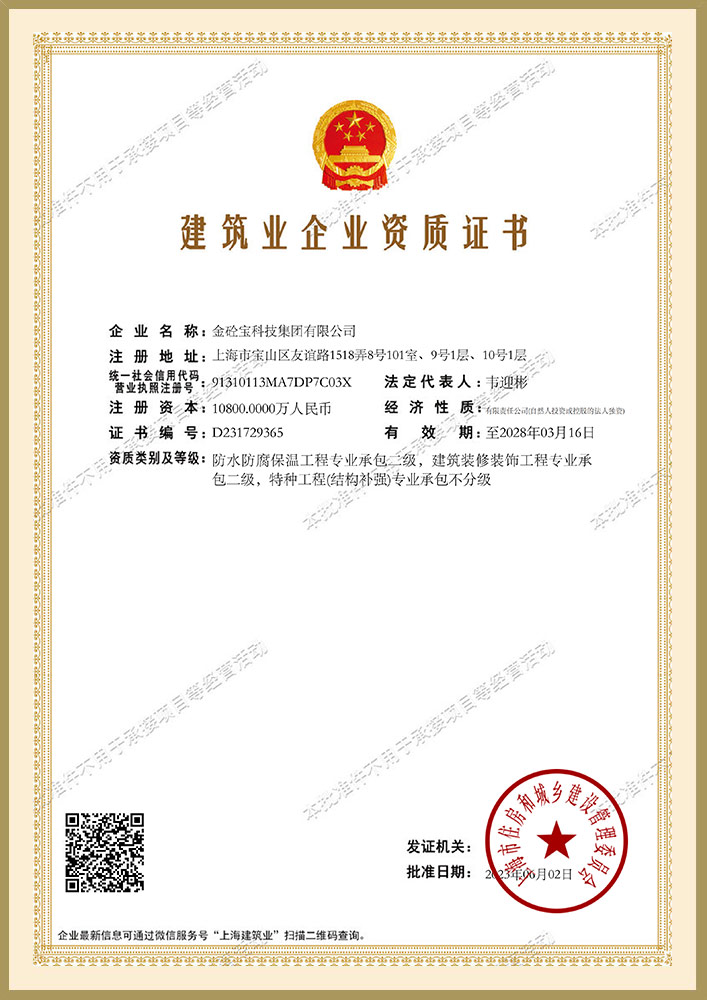
JTB Technology Group Co., Ltd. operates production bases in Zhenjiang, Jiangsu Province, Jinhua, Zhejiang Province, and Dongguan, Guangdong Province. The production system includes standardized facilities designed for large-scale material manufacturing, allowing different project requirements to be matched with planned supply arrangements.
| Supplier evaluation item |
Engineering relevance |
Site application concern |
| Production process management |
Influences batch consistency |
Material behavior during continuous construction |
| Research and testing capability |
Supports formulation adjustment |
Response to different concrete conditions |
| Construction support experience |
Connects product data with field conditions |
Reduces application uncertainty |
Laboratory testing needs to connect with actual repair environments
Surface treatment material development involves testing penetration depth, surface hardness changes, bonding characteristics, and durability-related performance. However, laboratory conditions cannot represent every construction environment.
A repair project may involve uneven concrete surfaces, restricted working space, changing temperature, or unexpected moisture conditions. Material evaluation therefore requires combining test results with observations from actual applications.
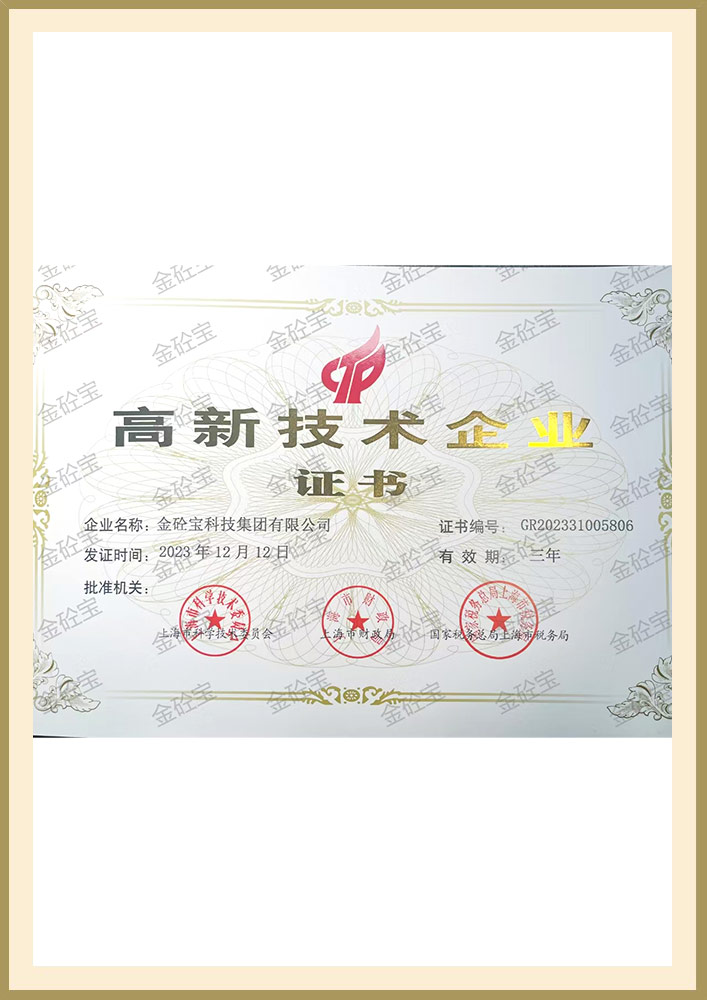
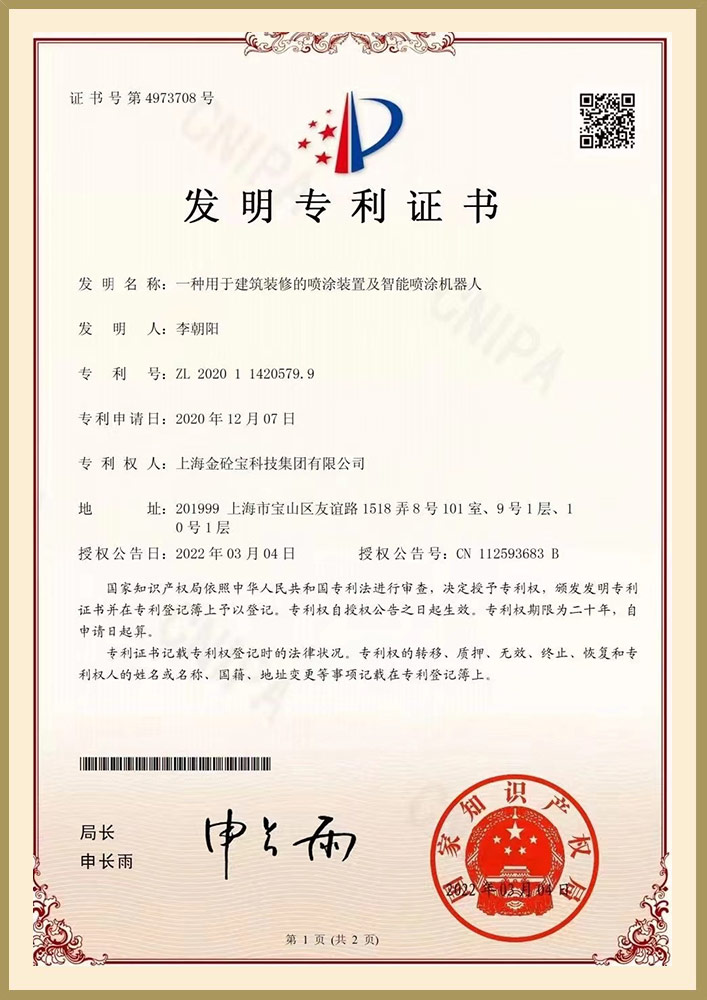
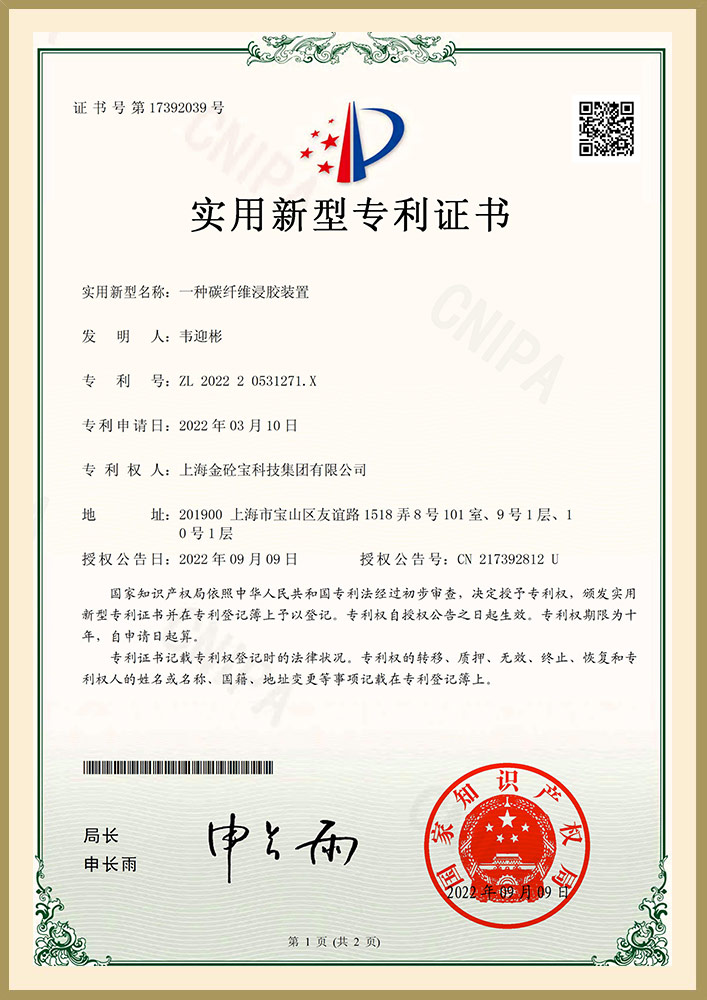
The research center established by JTB Technology Group Co., Ltd. provides testing resources for material development and formulation studies. Research activities are connected with reinforcement applications, allowing material characteristics to be examined under different engineering requirements.
Construction decisions depend on matching material properties with structural conditions
For concrete surface repair projects, the selection process usually starts from several practical questions: What caused the surface deterioration? How deep does the damaged layer extend? What environment will the repaired structure face? What additional repair procedures will follow?
These factors determine whether a surface treatment liquid is suitable for a specific structure. A bridge repair project, tunnel maintenance work, or urban renewal application may require different evaluation methods because each structure has different service conditions and construction limitations.


 en
en
 English
 Español