How Should Structural Strengthening Anchoring Systems Be Selected and Installed for Different Rehabilitation Conditions?
Structural rehabilitation projects often involve existing structures with different service histories, damage patterns, and load requirements. A suitable structural strengthening anchoring system needs to match the actual condition of the structure rather than simply meeting a general strength requirement. The selection process involves understanding the original structural design, evaluating the condition of the substrate, analyzing load transfer requirements, and considering construction limitations.
In practical applications, anchoring systems are widely used in concrete structure reinforcement, bridge rehabilitation, tunnel maintenance, industrial facility upgrades, and other infrastructure projects. The connection created by the anchoring system becomes an important part of the strengthened structure, allowing newly added reinforcement components to work together with the existing structure.
Evaluating Existing Structure Conditions Before Selecting an Anchoring System
The condition of the existing structure determines the basic requirements for an anchoring system. Before rehabilitation work begins, factors such as concrete strength, crack development, reinforcement arrangement, corrosion condition, and structural deformation should be evaluated. These conditions influence the selection of anchor type, embedment depth, installation method, and reinforcement approach.
For example, concrete structures exposed to long-term environmental effects may have reduced surface strength or internal deterioration. In this situation, the anchoring zone requires additional attention because the surrounding substrate directly affects bond performance and load transfer efficiency. Structures with active cracks or repeated loading conditions may require further assessment of crack propagation and fatigue influence before determining the strengthening method.
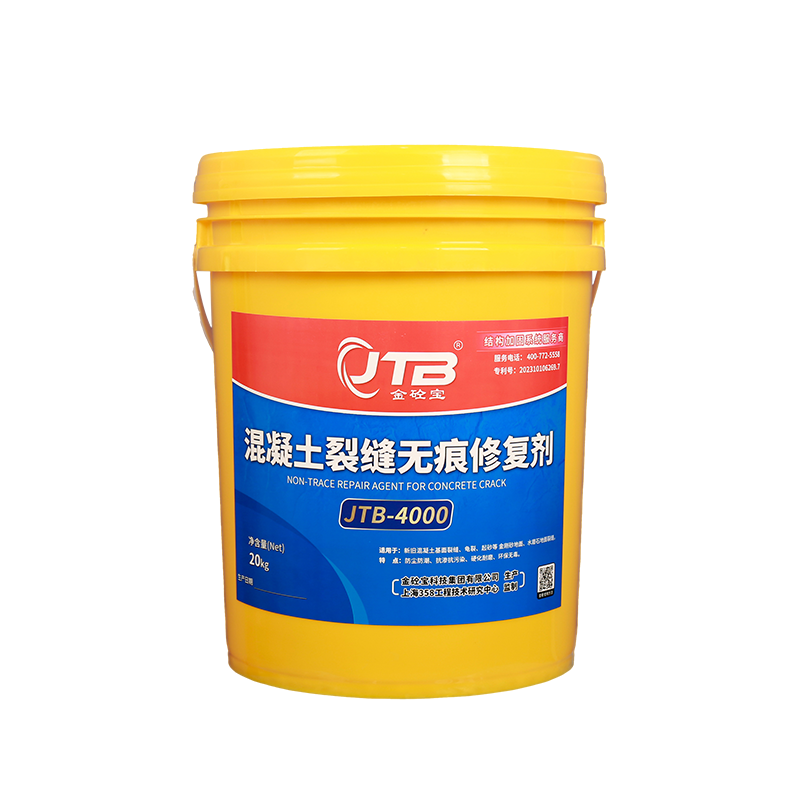
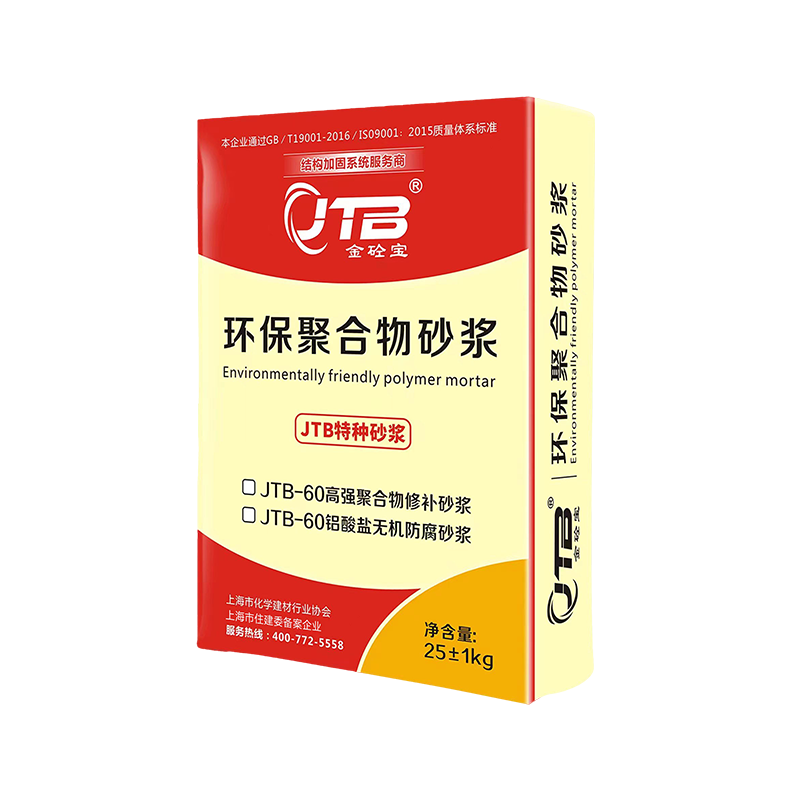
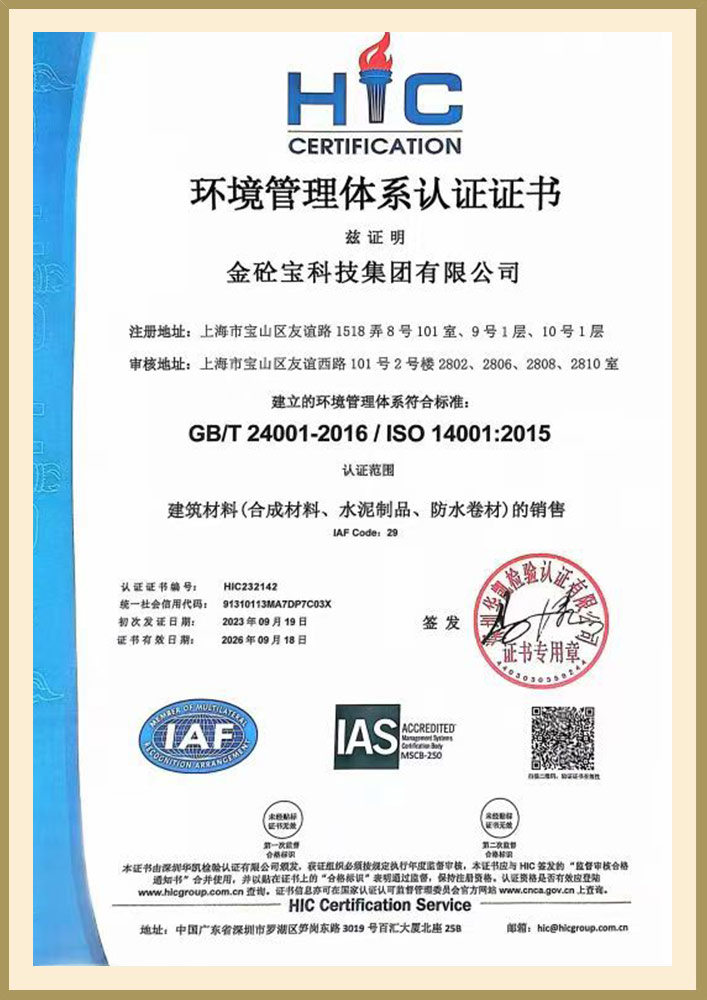
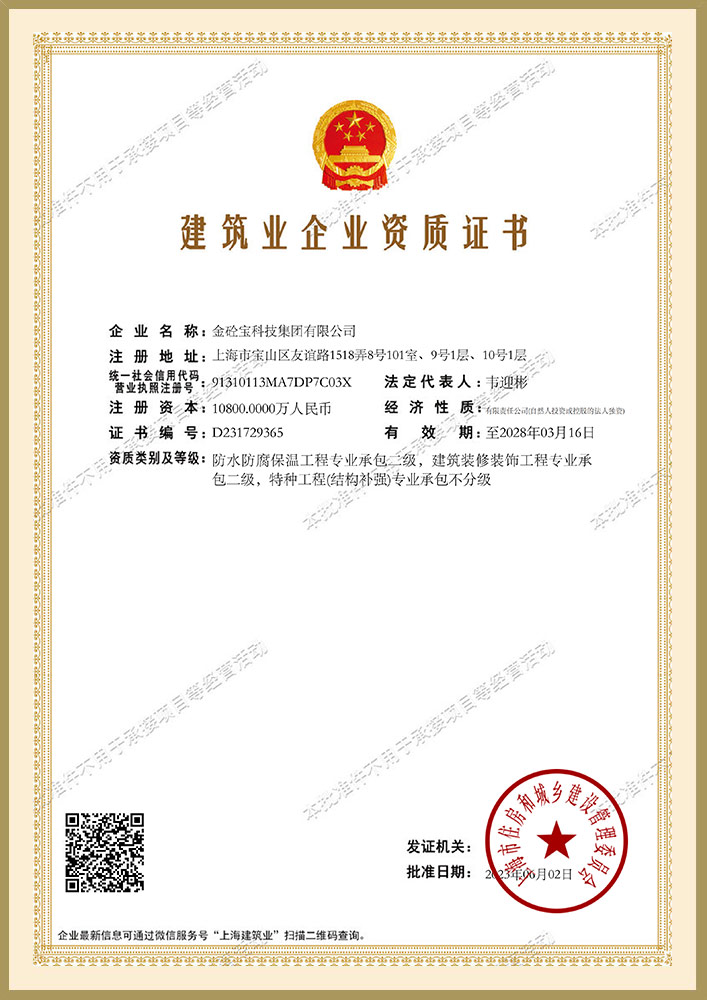
JTB Technology Group Co., Ltd. focuses on reinforcement system solutions integrating research and development, production, sales, and construction services. This integrated development approach allows material performance, manufacturing processes, and engineering application requirements to be considered together during product development.
Selecting Anchoring Systems According to Structural Load Requirements
The main function of a structural strengthening anchoring system is to transfer forces between new reinforcement components and the existing structure. Different projects may involve tensile forces, shear forces, bending effects, or combined loading conditions, which require different anchorage performance characteristics.
In bridge rehabilitation projects, anchors may experience repeated traffic loading over long service periods. Industrial structures may face continuous vibration from operating equipment, while building renovation projects may require additional load capacity after functional upgrades. These differences influence requirements for tensile resistance, fatigue performance, bonding strength, and long-term stability.
| Application Condition |
Typical Structural Challenge |
Anchoring System Consideration |
| Bridge Rehabilitation |
Repeated traffic loads and aging concrete components |
Fatigue resistance, bond stability, and long-term connection performance |
| Industrial Facility Reinforcement |
Continuous vibration and additional equipment loads |
Load transfer capacity and connection durability |
| Building Renovation |
Changes in structural loading conditions |
Compatibility with existing concrete and reinforcement layout |
| Tunnel and Underground Structures |
Moisture exposure and structural movement |
Environmental resistance and interface reliability |
Understanding Load Transfer and Anchorage Failure Mechanisms
The performance of an anchoring system depends on how effectively forces are transferred from the reinforced component into the surrounding structure. During design and application, the anchorage zone should be considered as a complete structural connection rather than an isolated component.
Common failure mechanisms include steel failure, bond failure, concrete cone failure, and splitting failure caused by insufficient edge distance or improper installation conditions. Understanding these potential failure modes helps determine suitable anchor spacing, drilling depth, substrate requirements, and reinforcement details.
The interaction between the anchor material and the concrete substrate is also important. Surface condition, hole preparation quality, and filling method can influence bond stress distribution around the anchorage area. A connection that performs well under laboratory conditions still requires proper installation control to achieve the expected performance in the field.
Controlling Drilling and Hole Preparation During Installation
Construction procedures directly influence the final performance of structural strengthening anchoring systems. Drilling is the first critical stage because the hole geometry determines whether the anchor can achieve the designed embedment condition.
During installation, drilling diameter, depth accuracy, hole alignment, and surrounding concrete condition need to be controlled. Excessive deviation may reduce the effective anchorage length, while insufficient cleaning can leave dust particles that interfere with bonding between the anchor material and the substrate.
Professional construction teams usually apply procedures such as repeated cleaning, dust removal, and inspection of drilled holes before installing anchors. These steps help maintain consistent contact between the anchoring material and the concrete surface.
Managing Injection, Grouting, and Curing Processes
After hole preparation, the injection or grouting stage becomes another important factor affecting anchorage performance. The filling process should ensure that gaps around the anchor are properly occupied and that the material forms a continuous bonding area.
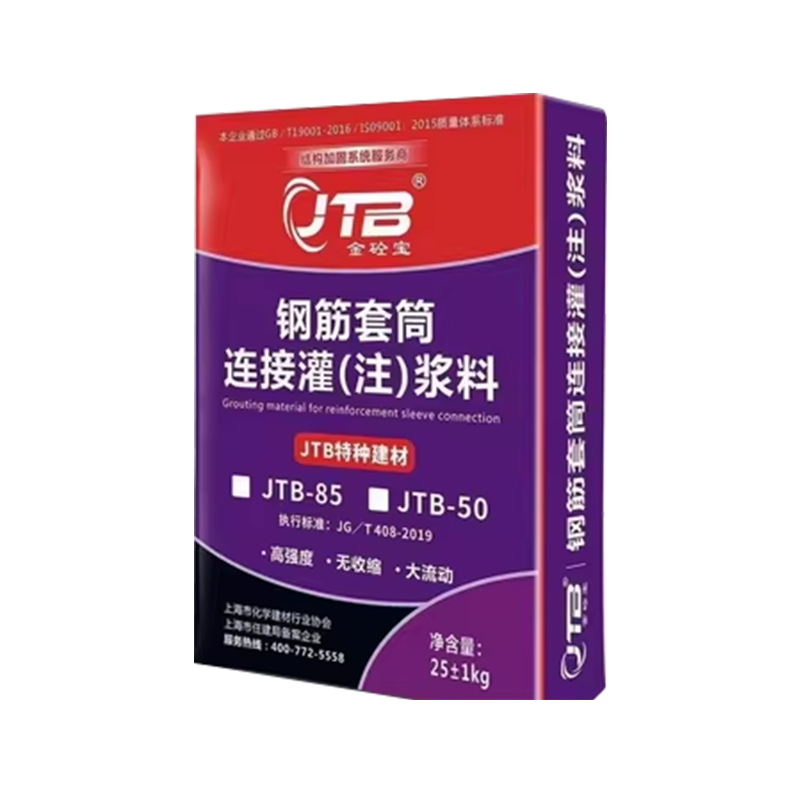
Material mixing ratio, working time, injection sequence, and curing conditions may influence strength development and interface performance. For cementitious anchoring systems, controlling water content and maintaining appropriate curing conditions are closely related to volume stability and long-term connection quality.
Large rehabilitation projects often require stable material supply and consistent product performance throughout different construction stages. JTB Technology Group Co., Ltd. has established production bases in Jiangsu, Zhejiang, and Guangdong, supported by standardized manufacturing facilities and large-scale production capability to meet different project supply requirements.
| Construction Stage |
Key Technical Control |
Potential Impact |
| Hole Drilling |
Depth, diameter, alignment, and drilling accuracy |
Influences anchorage geometry and load distribution |
| Surface Preparation |
Dust removal and substrate condition inspection |
Affects bonding quality between materials |
| Material Installation |
Mixing consistency and filling method |
Determines contact condition around the anchor |
| Curing Management |
Temperature and moisture control |
Influences strength development and durability |
Quality Inspection After Structural Anchoring Installation
Quality verification is an essential part of rehabilitation projects because the anchoring system becomes a permanent connection within the strengthened structure. Inspection methods may include pull-out testing, installation record review, ultrasonic examination, and other assessment methods based on project requirements.
Pull-out testing can provide information about anchorage resistance, while installation records help confirm whether drilling depth, material usage, and construction procedures meet technical requirements. Combining field inspection with construction documentation allows project teams to better understand the actual condition of the strengthened connection.
Considering Supplier Capability for Large-Scale Strengthening Projects
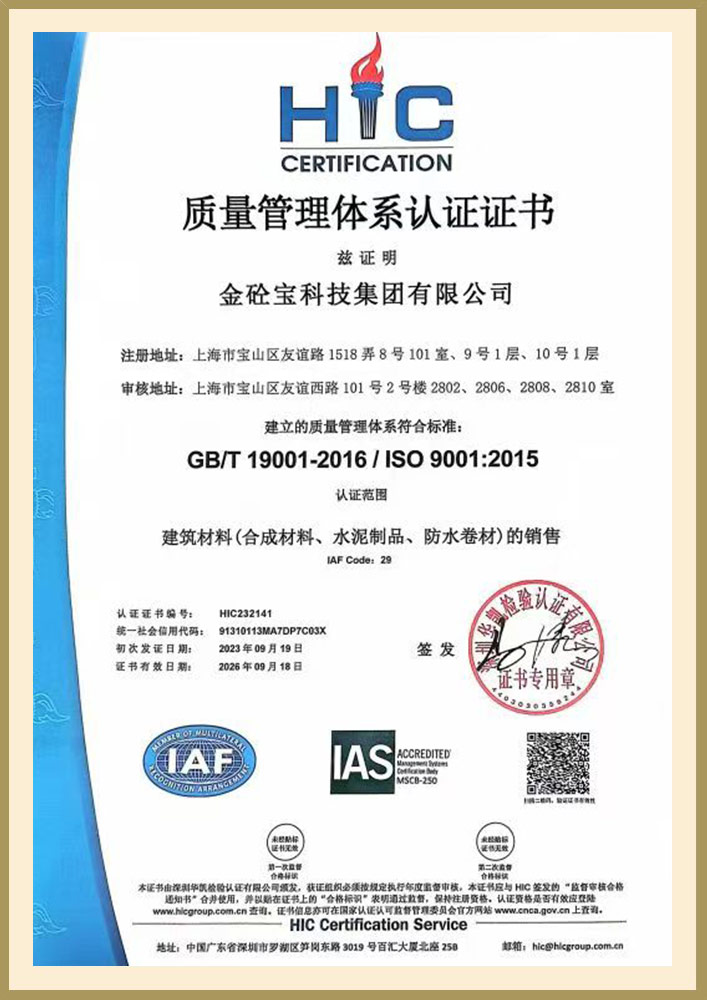
For infrastructure rehabilitation projects, supplier capability is closely connected with project progress and quality consistency. Beyond product performance, factors such as production capacity, quality management systems, technical support, and delivery coordination can influence the overall implementation process.
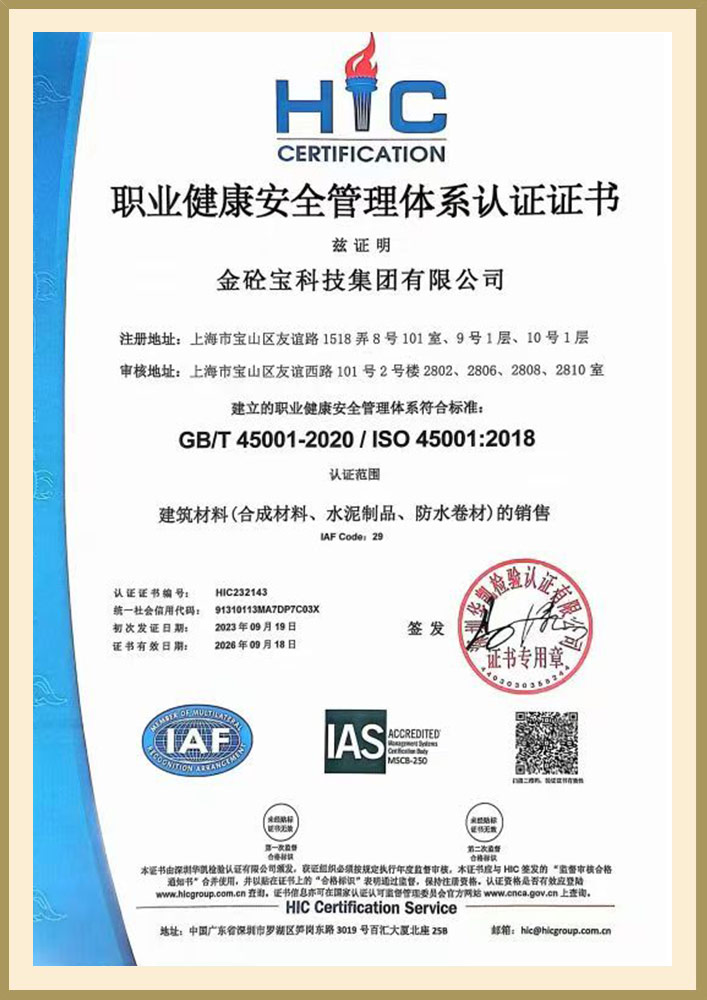
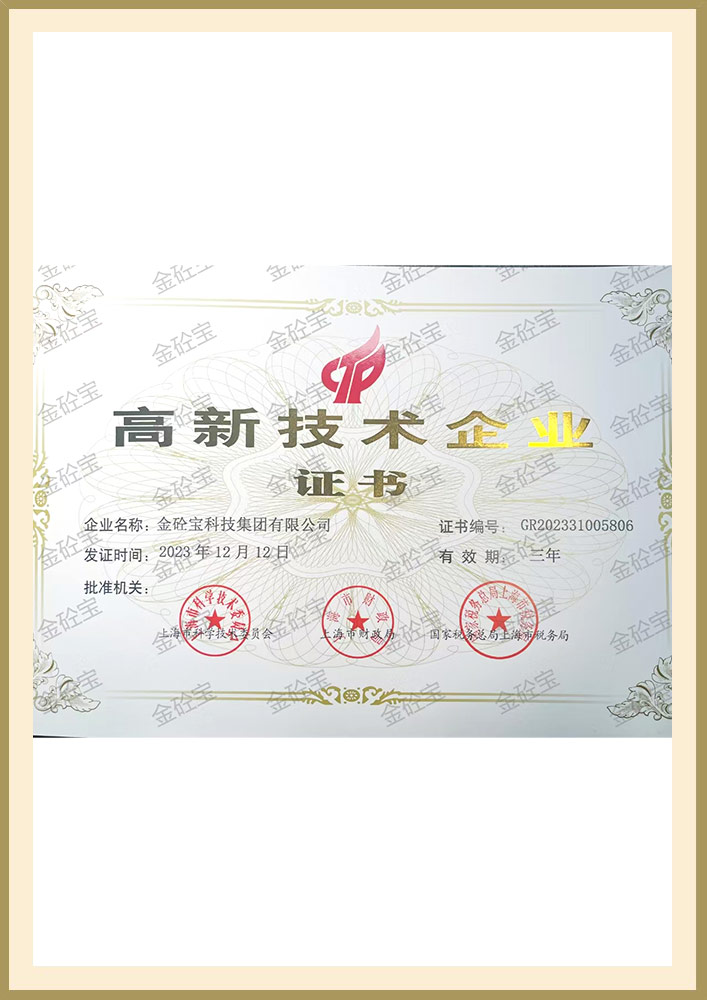
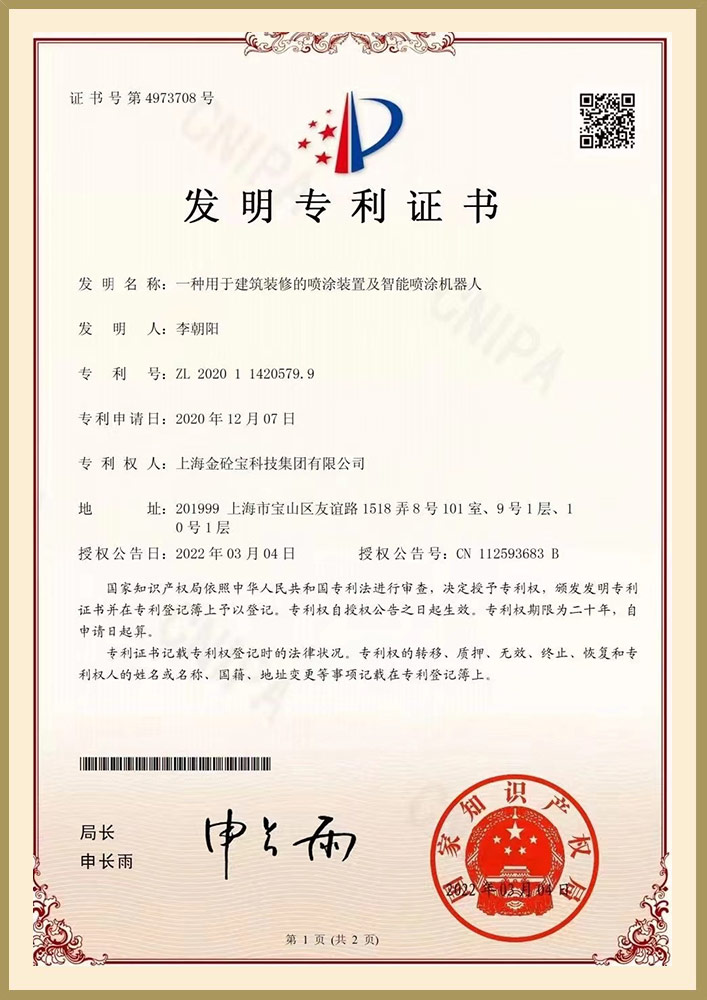
A supplier with integrated research, manufacturing, and application experience can better respond to complex project requirements. JTB Technology Group Co., Ltd. maintains a technology-focused development strategy, supported by an R&D center equipped with testing facilities and professional resources for reinforcement system innovation.
Supporting the Transition From Structural Repair to Pre-Reinforcement
The development of structural strengthening technology is gradually moving from repairing visible damage toward identifying potential risks before serious deterioration occurs. This approach requires anchoring systems to support not only immediate rehabilitation needs but also long-term structural management.
Through continuous research, manufacturing improvement, and participation in industry development, JTB Technology Group Co., Ltd. promotes the concept of moving from reinforcement to pre-reinforcement. This direction encourages earlier intervention, improved infrastructure maintenance strategies, and more systematic approaches to structural safety management.


 en
en
 English
 Español