What Quality Control Procedures Should Be Considered When Selecting an Interface Treatment Material Manufacturer? Why Do Different Cement-Based Repair Materials Require Different Interface Treatment Solutions?
Interface treatment problems usually appear at the connection zone between old and new concrete
In concrete repair and structural strengthening projects, the interface between existing concrete and newly applied repair materials often becomes the location where construction quality is tested. A repaired surface may appear acceptable immediately after completion, while problems such as debonding, hollow areas, or reduced adhesion can develop later when the interface layer fails to provide sufficient bonding conditions.
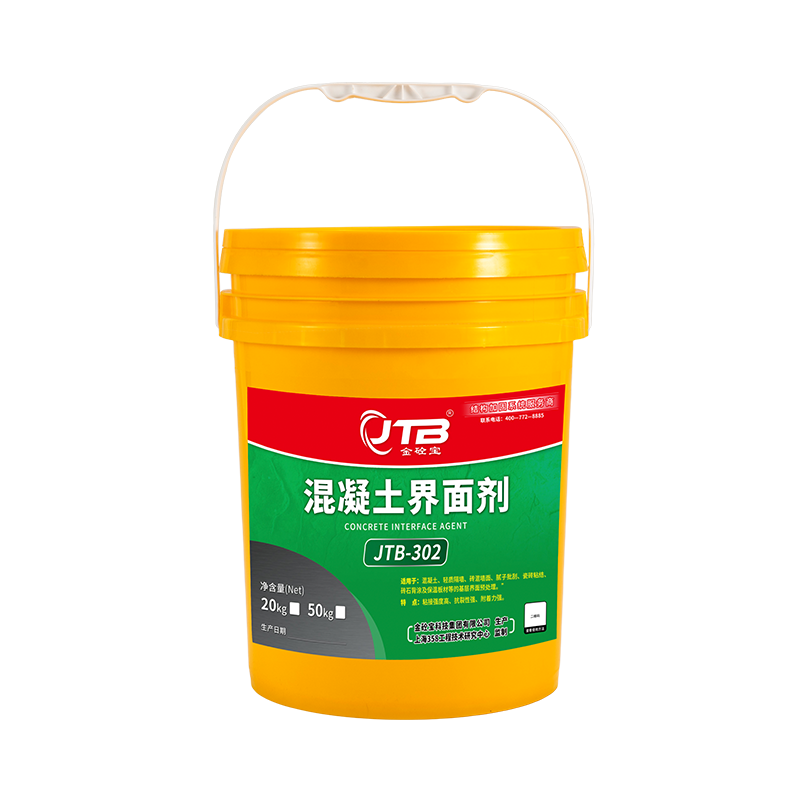
Bonding agents and interface primers are not simply surface coatings applied before repair mortar placement. Their function is related to surface wetting, penetration behavior, mechanical interlocking, and compatibility between different cement-based materials. The condition of the original concrete, moisture level, surface roughness, and composition of the repair material all influence the performance of the interface zone.
For projects involving bridge rehabilitation, tunnel maintenance, industrial structures, and urban renewal, interface treatment has become an important part of structural durability management. The selection of a suitable material manufacturer requires attention to formulation control, production consistency, and practical application experience.
Different cement-based repair materials create different interface requirements
Cement-based repair materials are not identical in composition or working mechanism. Repair mortars with different cement content, aggregate grading, polymer modification, shrinkage control components, or early strength requirements may interact differently with the bonding layer. Using the same interface treatment method for every repair scenario may not provide suitable contact conditions.
For example, when repairing deteriorated concrete in bridge components, the existing surface may contain carbonization layers, dust particles, or micro-cracks caused by long-term environmental exposure. In this situation, the interface material needs to improve surface contact while allowing the repair material to develop a stable connection with the substrate.
| Repair material condition |
Interface challenge |
Material selection consideration |
| High-strength repair mortar |
Different shrinkage behavior between substrate and repair layer |
Compatibility with hydration process and bonding strength development |
| Large-area concrete repair |
Uneven surface conditions across construction zones |
Stable application characteristics and consistent coverage |
| Thin-layer repair application |
Limited material thickness for mechanical connection |
Improved wetting ability and interface adhesion |
| Old concrete reinforcement projects |
Surface aging and contamination issues |
Adaptability to different substrate conditions |
Surface preparation and interface chemistry affect bonding reliability
The performance of an interface treatment system depends not only on the primer or bonding agent itself but also on the condition of the concrete surface before application. Surface cleaning, removal of weak concrete layers, controlled roughening, and moisture management are necessary procedures in many repair projects.
A concrete surface with insufficient roughness may limit mechanical interlocking between old and new materials. On the other hand, excessive surface damage can create weak zones that reduce the stability of the repaired section. The interface material needs to work together with surface preparation methods rather than compensate for unsuitable substrate conditions.
In tunnel lining repairs, for instance, construction teams often face surfaces affected by moisture migration and long service periods. The interface treatment solution must consider water conditions, repair material setting characteristics, and the required construction sequence.
Quality control procedures influence the consistency of interface treatment materials
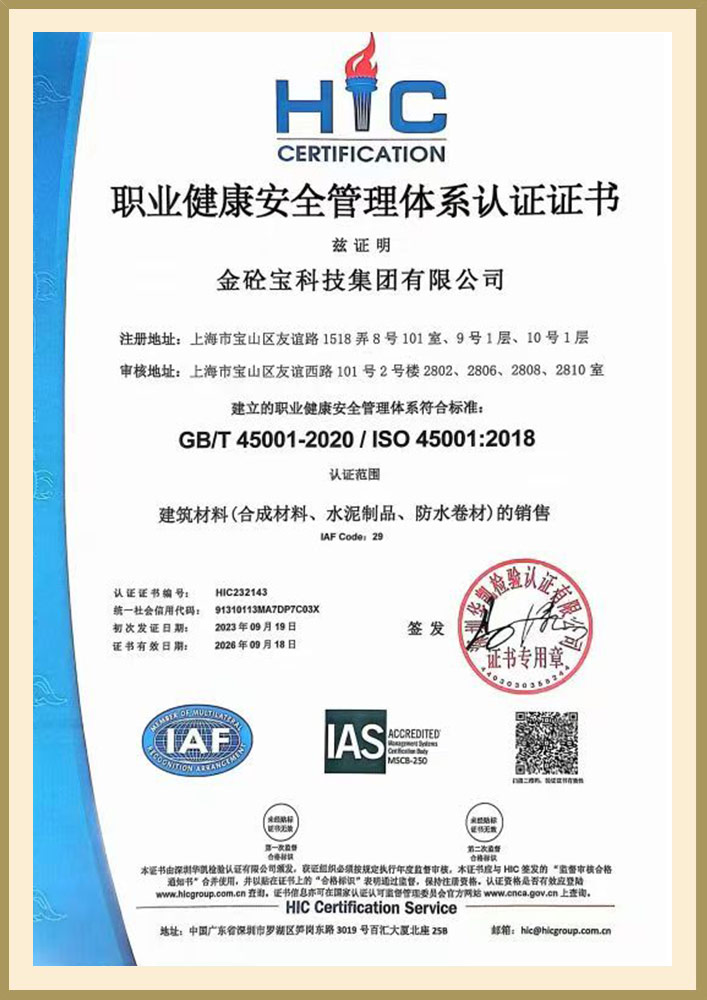
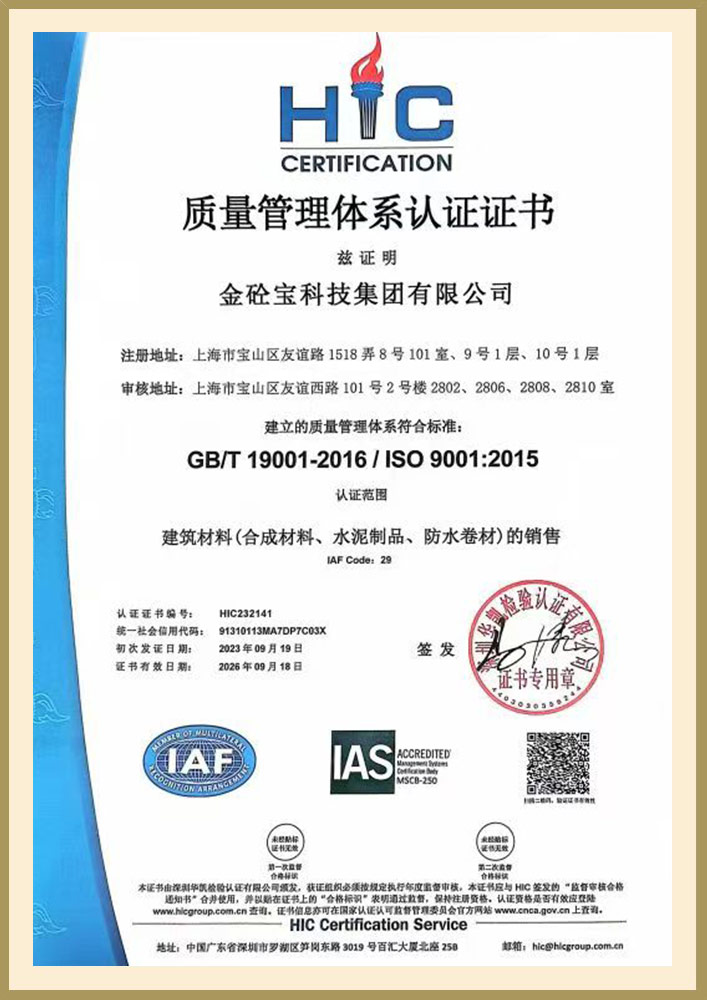
When selecting an interface treatment material manufacturer, contractors usually pay attention to more than product descriptions. Manufacturing control procedures directly affect whether the material maintains stable characteristics during different production batches.
Raw material inspection, mixing accuracy, production environment control, and laboratory testing are important parts of quality management. Variations in formulation may influence viscosity, bonding performance, drying behavior, and compatibility with cement-based repair materials.
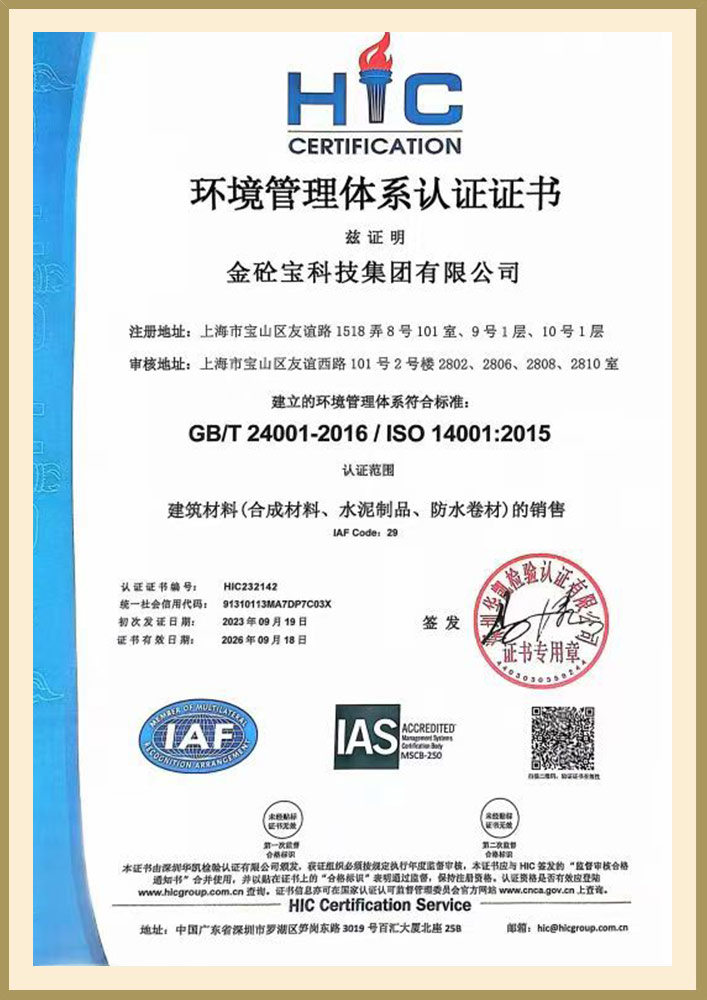
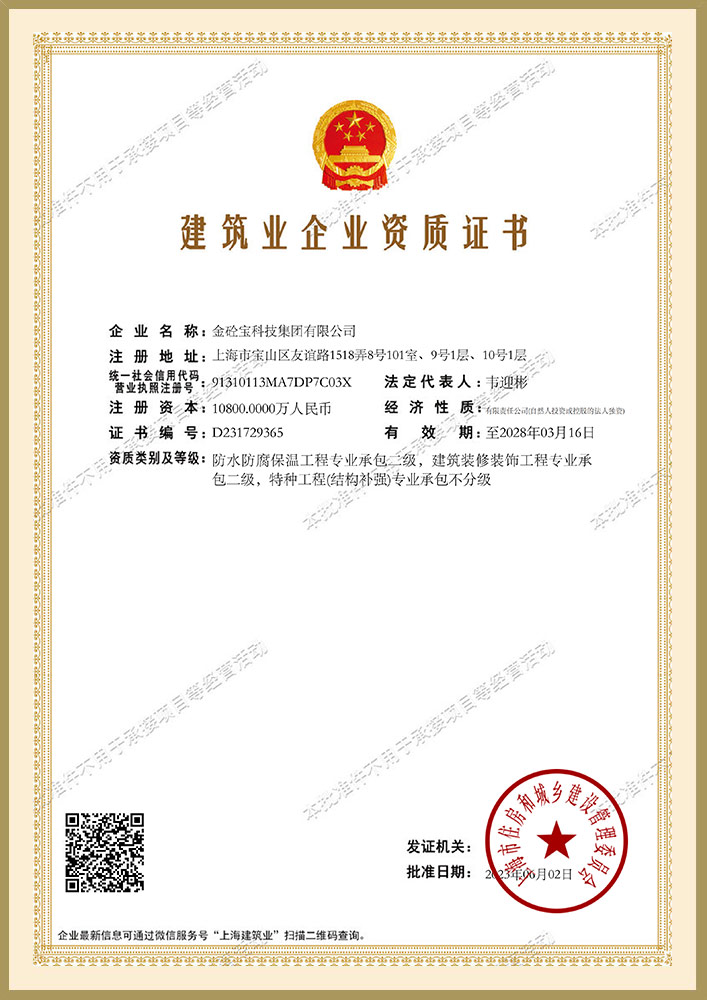
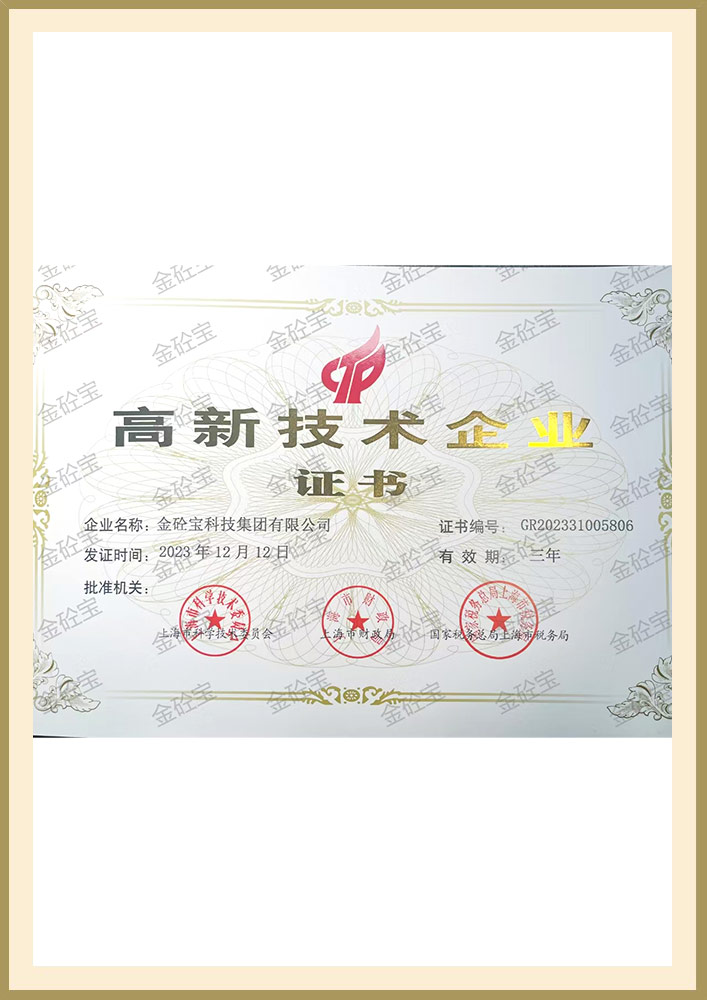
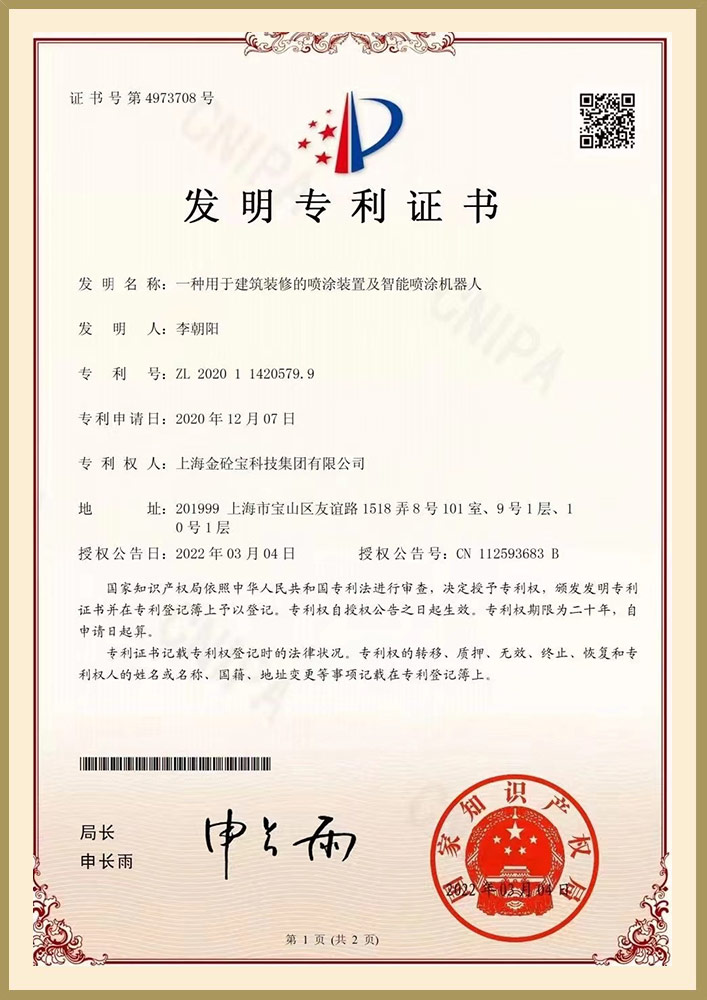
JTB Technology Group Co., Ltd. integrates research, manufacturing, sales, and construction services within reinforcement system solutions. This integrated approach allows material development to consider both laboratory testing requirements and practical conditions encountered in structural repair projects.
| Quality control area |
Technical concern |
Impact on project application |
| Raw material inspection |
Control of material stability |
Helps maintain consistent interface performance |
| Production process monitoring |
Accuracy of formulation and mixing procedures |
Reduces variation between material batches |
| Performance testing |
Bond strength and compatibility verification |
Supports material selection for different repair conditions |
| Application verification |
Adaptation to construction environments |
Provides reference for field usage |
Manufacturing capability becomes important for large-scale repair projects
Large infrastructure projects often require continuous material supply across different construction stages. A manufacturer with limited production capacity may face difficulties when projects require stable delivery schedules, especially for bridge networks, tunnel systems, or large urban renovation programs.
JTB Technology Group Co., Ltd. operates production bases located in Zhenjiang, Jiangsu Province, Jinhua, Zhejiang Province, and Dongguan, Guangdong Province, with a combined production capacity exceeding 1,000,000 tons. The production network supports standardized manufacturing processes and provides resources for projects requiring continuous material supply.
The Zhenjiang production facility plays an important role within the manufacturing system, supporting large-scale production through modern facilities and standardized management procedures. Such production conditions provide a foundation for maintaining material consistency during repeated project applications.
Engineering experience helps match interface materials with actual construction conditions
Material selection decisions are closely connected with field conditions. A repair project may involve different concrete ages, exposure environments, construction temperatures, and application methods. Interface treatment materials need to be considered together with the entire repair process rather than selected only according to individual performance values.
For airport structures, bridge components, tunnels, and industrial facilities, the interface layer often needs to withstand long-term mechanical loading and environmental influence. Factors such as adhesion development, moisture tolerance, and compatibility with cement-based materials become important considerations during project planning.
JTB Technology Group Co., Ltd. has developed experience across areas including urban renewal, bridge and tunnel applications, waterproofing, and industrial infrastructure. This practical involvement provides a connection between material research and construction requirements, allowing interface treatment solutions to be considered from both production and application perspectives.
Technical evaluation of suppliers should focus on the complete material service system
Selecting an interface treatment material supplier involves reviewing production capability, testing methods, technical support, and understanding of construction processes. A supplier’s ability to provide materials suitable for different cement-based repair systems can influence the efficiency and stability of repair work.
In structural maintenance projects, interface treatment is closely related to the service behavior of repaired concrete sections. Material formulation, manufacturing control, and construction adaptability all contribute to the final condition of the repaired area.


 en
en
 English
 Español