Dry-Mix Mortar Additives: How Formulation Control and Production Capability Affect Field Performance
A mortar failure on site often reveals problems hidden in the material system
On a building renovation project, a contractor may notice that the dry-mix mortar supplied to the site appears normal during mixing, yet the finished surface begins to show powdering, reduced adhesion, uneven drying, or cracking after several days. The problem is not always related to construction operation. In many cases, the interaction between cementitious materials, mineral fillers, additives, and site conditions determines whether the mortar can maintain its expected behavior.
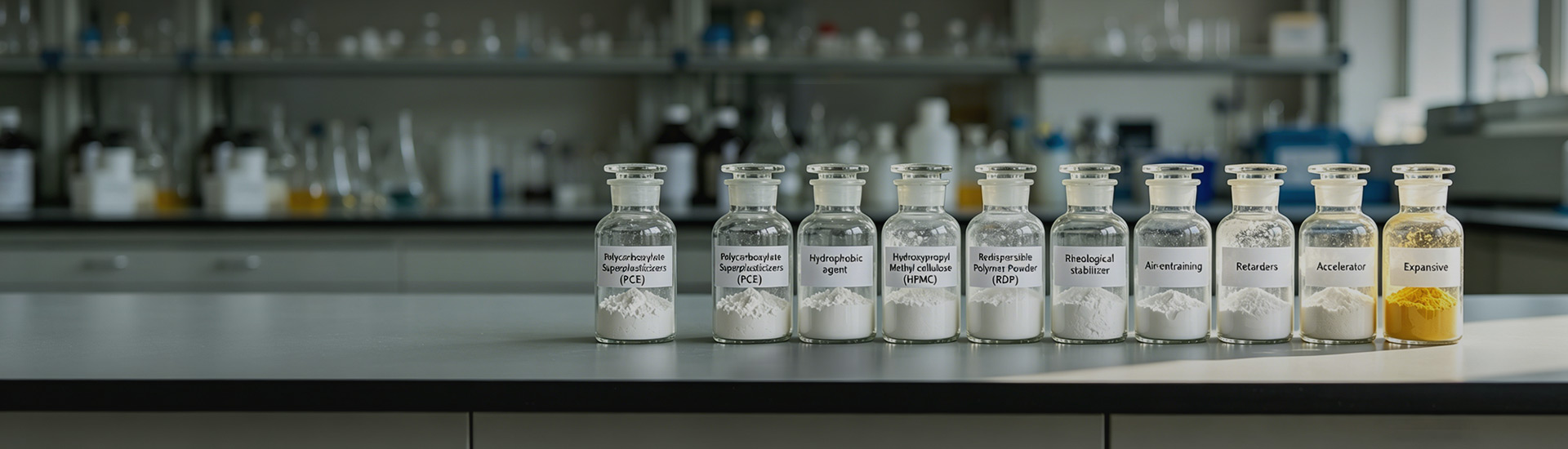
Dry-mix mortar additives are used to modify specific properties of mortar systems, including water retention, workability, adhesion, flexibility, and setting behavior. Their performance is closely connected with the compatibility between different components inside the formulation. A small variation in additive dosage or raw material characteristics can influence the mixing process, application feeling, and long-term condition of the finished layer.
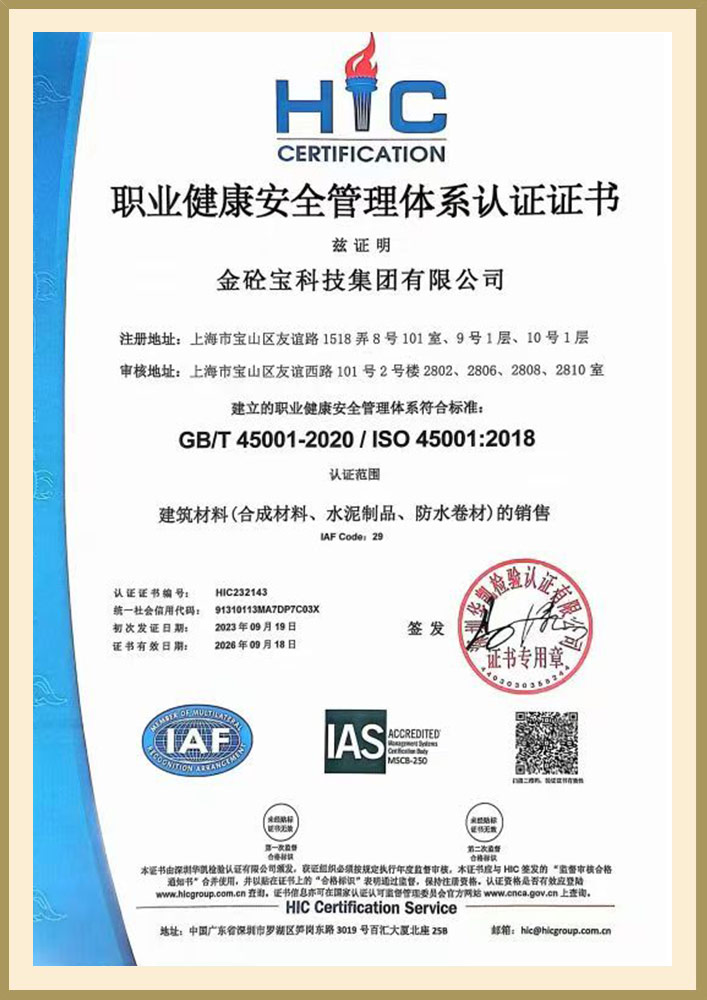
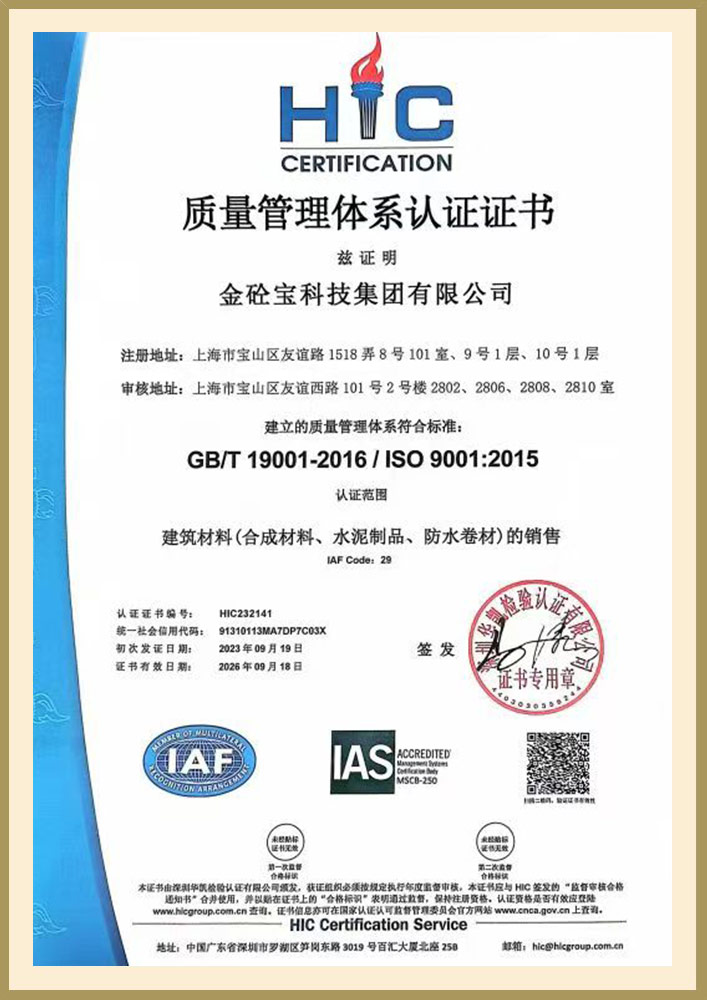
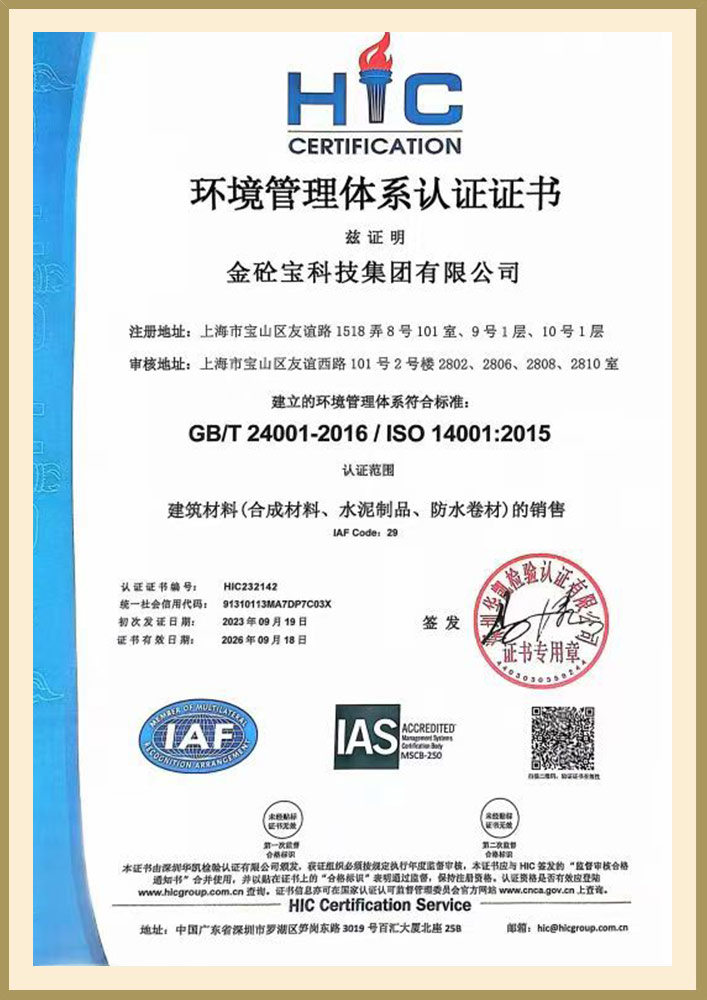
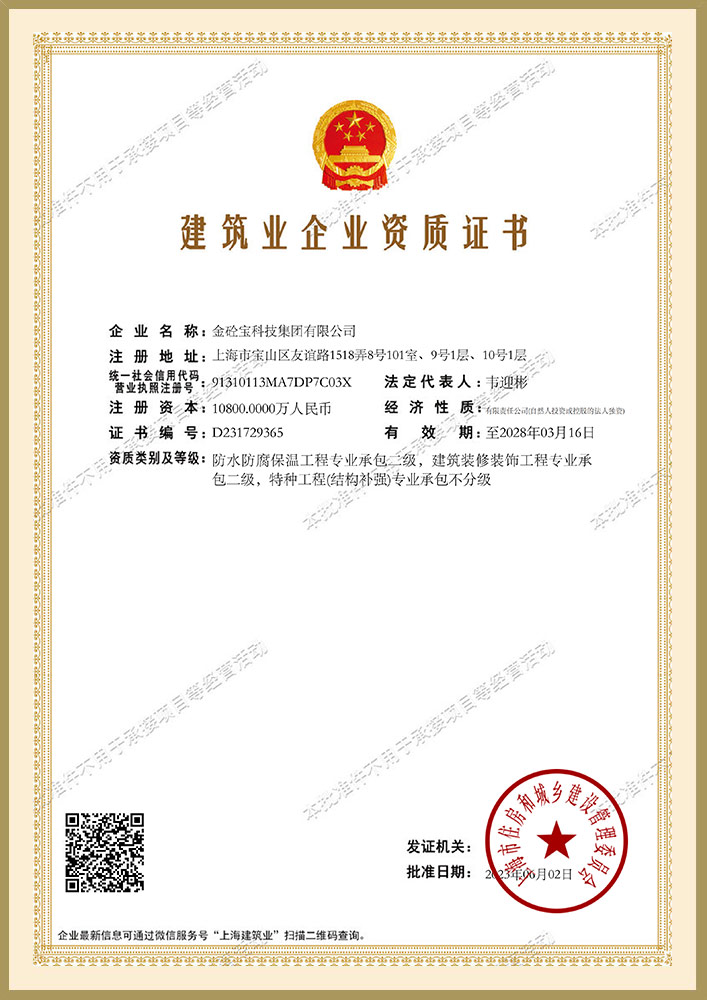
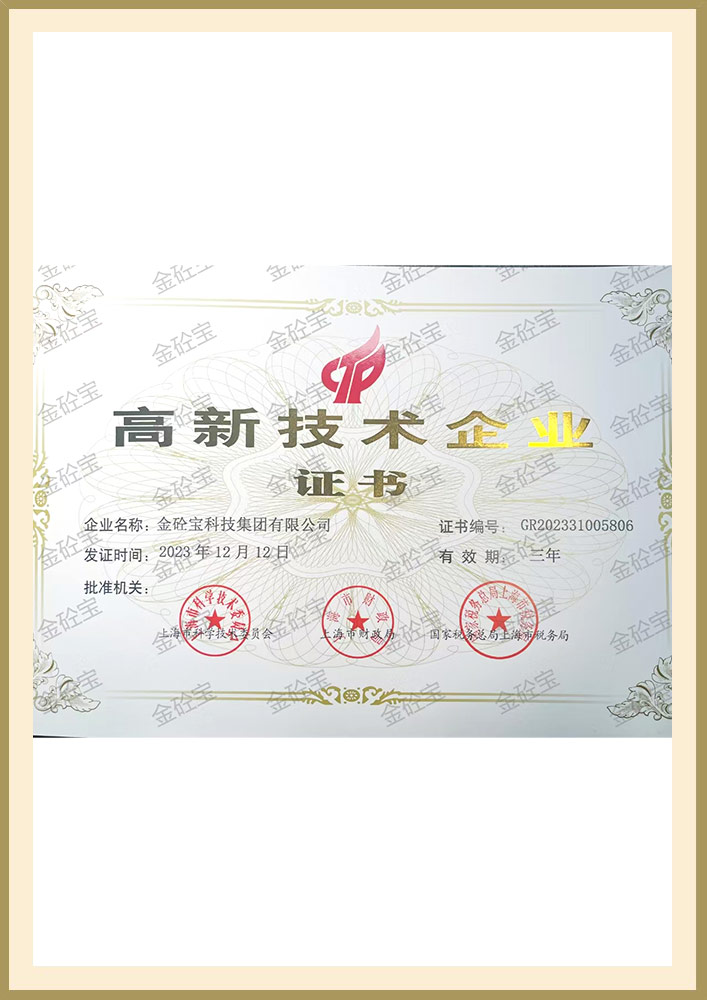
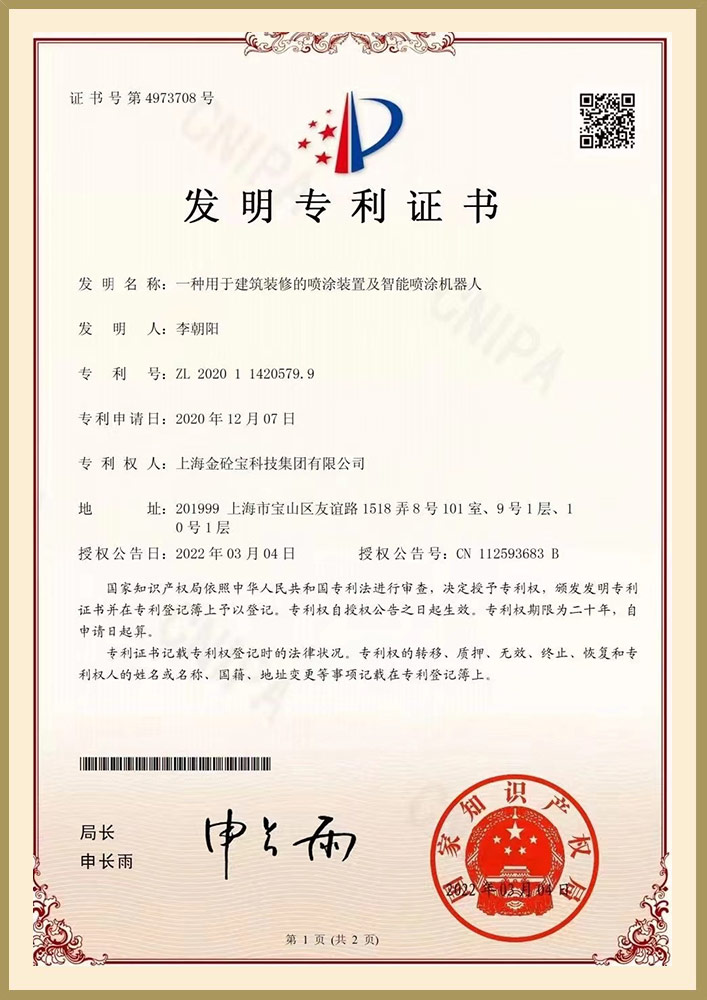
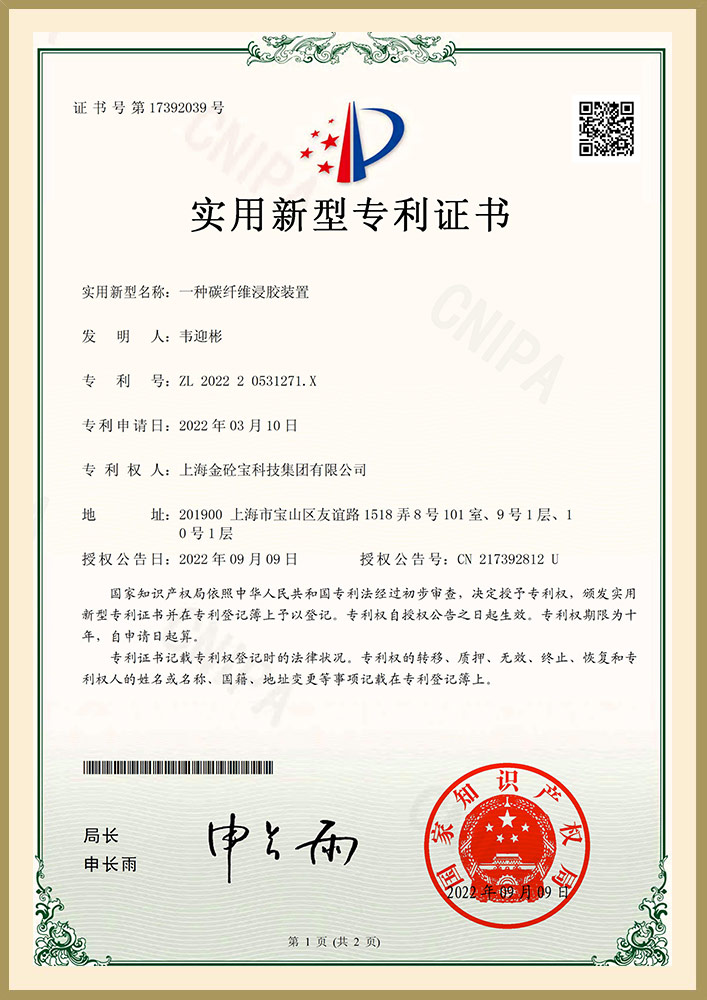
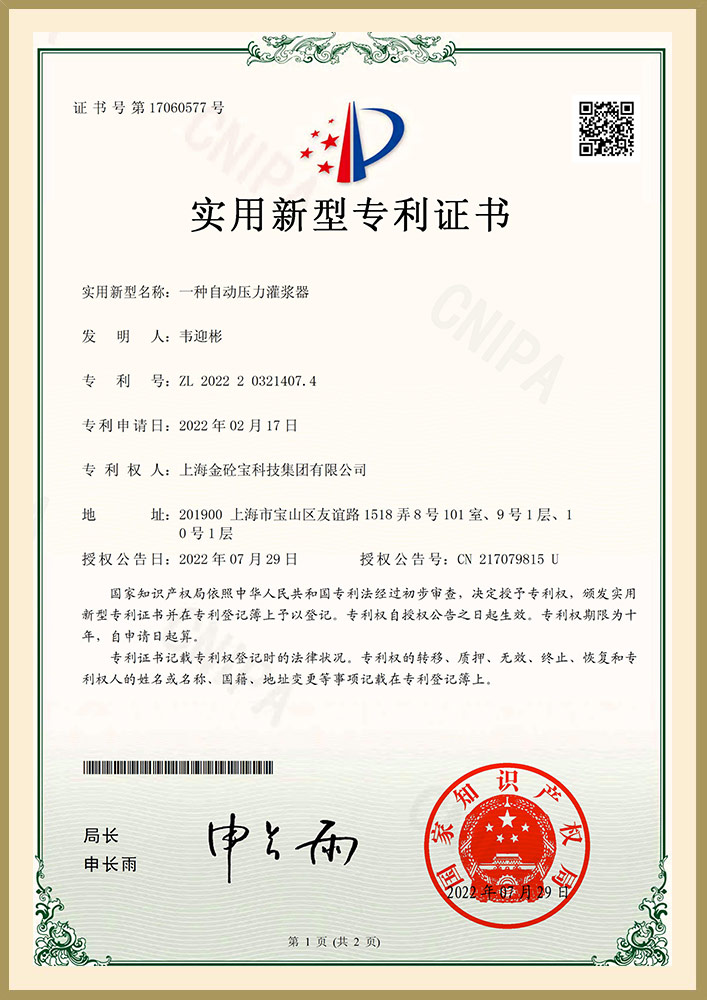
For manufacturers involved in construction reinforcement materials and related systems, additive technology requires both laboratory understanding and experience with actual jobsite conditions. JTB Technology Group Co., Ltd. has developed its capabilities around integrated research, production, sales, and construction services, allowing material development to be connected with practical engineering applications.
The interaction between cement, fillers, and additives shapes mortar behavior
A dry-mix mortar formulation is not simply a combination of powder materials. Cement hydration, particle packing, water movement, and polymer modification work together during mixing and curing. Additives must be selected according to the behavior of the entire mortar system rather than evaluated as independent components.
For example, cellulose ether is commonly considered in relation to water retention and workability. Its influence depends on cement type, filler characteristics, ambient temperature, and required application time. In tile installation, plastering, repair mortar, or self-leveling applications, the same additive approach may produce different results because the construction requirements are different.
In practical production, manufacturers need to consider factors such as particle size distribution, moisture content of raw materials, additive dispersion, and mixing uniformity. These details affect whether the dry powder can achieve consistent performance after being transported to different construction sites.
| Application environment |
Material interaction requiring attention |
Key evaluation direction |
| Exterior wall rendering |
Temperature variation, water migration, substrate absorption |
Water retention and crack resistance control |
| Tile installation areas |
Adhesive interface and open time requirements |
Bond strength development and workability |
| Repair mortar projects |
Existing concrete surface condition and curing process |
Compatibility with substrate and volume stability |
| Large-area mechanical application |
Continuous mixing and pumping conditions |
Flow behavior and production consistency |
Formulation design requires control over small changes in raw materials
In dry-mix mortar production, additive dosage is usually measured within a narrow range. Excessive adjustment may change one property while affecting another. Increasing water retention, for instance, may influence setting behavior, while modifying polymer content may affect flexibility and adhesion characteristics.
The development process often involves repeated testing of powder flowability, mixing time, consistency after water addition, and hardened mortar performance. Laboratory results need to reflect actual construction situations, including different substrate absorption rates, seasonal temperature changes, and transportation conditions.
For projects such as urban renewal, bridge maintenance, and infrastructure repair, mortar materials may face different environmental conditions within the same supply cycle. The ability to maintain stable characteristics becomes an important factor when materials are applied across multiple locations.
The research facilities established by JTB Technology Group Co., Ltd. support material analysis and formulation improvement through testing equipment and technical resources. This approach focuses on connecting product development with construction requirements instead of relying only on theoretical formulation parameters.
Why supplier capability matters beyond the additive itself
Contractors purchasing dry-mix mortar additives usually consider more than the technical description of a product. Supply stability, production management, technical communication, and application support can influence the final construction result.
For large projects, a material supplier needs to maintain consistency between different production batches. If additive characteristics change during continuous supply, mortar plants may need repeated adjustments to mixing ratios, which can increase quality control pressure and affect construction schedules.
| Supplier evaluation factor |
Practical question during project selection |
Impact on construction management |
| Production control system |
Can the material maintain similar characteristics between batches? |
Reduces frequent adjustment during mixing operations |
| Technical support capability |
Can the supplier respond to different application conditions? |
Helps solve site-related material issues |
| Manufacturing capacity |
Can supply continue during large-volume projects? |
Supports planned construction progress |
| Quality inspection process |
Are key material indicators monitored before delivery? |
Provides reference for project quality control |
Large-scale production requires stable process management
Dry-mix mortar additives are often used in projects where material demand extends over months. Residential developments, public facilities, industrial buildings, and infrastructure repair projects may require repeated deliveries with similar performance expectations.
JTB Technology Group Co., Ltd. operates production bases located in Zhenjiang, Jiangsu Province, Jinhua, Zhejiang Province, and Dongguan, Guangdong Province. The manufacturing network provides production support for different regional requirements, including large-volume supply needs related to construction materials.
The Zhenjiang production base plays a role in the company's manufacturing system through standardized facilities and continuous production capability. For material categories involving powder products and construction additives, stable production conditions help maintain supply coordination when projects require scheduled delivery.
Real construction conditions determine whether additive technology delivers expected results
A dry-mix mortar that performs well in laboratory testing still needs to adapt to the conditions of the construction site. A contractor applying mortar on a hot summer day may face faster water evaporation compared with indoor construction. A repair project on an old concrete structure may require different bonding characteristics compared with new masonry surfaces.
Site preparation, mixing equipment, water addition accuracy, and curing conditions all interact with the additive system. Material selection therefore involves understanding the complete application process rather than focusing on one isolated performance value.
| Project situation |
Important material consideration |
Reason for selection |
| High temperature construction |
Water retention and working time |
Maintain workable mortar before placement |
| Absorbent substrate surface |
Moisture control and adhesion development |
Reduce rapid water loss at the interface |
| Long-distance material transportation |
Storage stability and powder uniformity |
Maintain product condition before mixing |
| Continuous industrial application |
Batch consistency and processing adaptability |
Support repeated production operations |
Material development is connected with preventive construction thinking
The concept of moving from reinforcement toward pre-reinforcement reflects a change in how construction risks are managed. Instead of waiting for visible defects, material systems are increasingly evaluated according to how they support long-term structural conditions from the beginning of the construction process.
Dry-mix mortar additives represent one part of this approach because they influence the initial behavior of mortar layers, interfaces, and repair systems. Through controlled formulation, manufacturing management, and field application experience, material suppliers can provide solutions that are more suitable for different engineering environments.
With experience across reinforcement-related fields, JTB Technology Group Co., Ltd. continues to combine production capability, technical research, and engineering application requirements when developing construction material solutions.


 en
en
 English
 Español