What Design Factors Determine Equipment Foundation Grout Performance and How Does It Support Long-Term Industrial Operation?
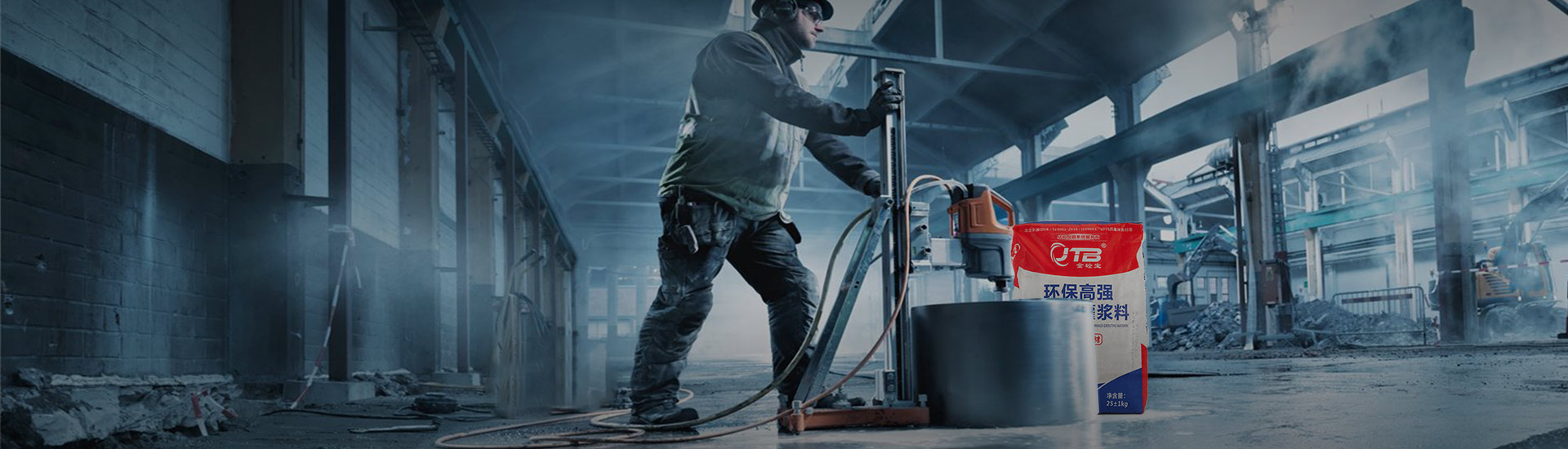
When a large compressor, production machine, pump system, or other heavy industrial equipment begins operation, the foundation connection underneath the equipment becomes a critical area for load transfer. The equipment may remain accurately positioned during installation, but long-term operation introduces continuous vibration, repeated loading, temperature variation, and mechanical stress. These conditions place higher requirements on the grout layer between the equipment base and the concrete foundation.
Equipment foundation grout is not simply a filling material used to close the gap between two surfaces. It forms a structural transition zone that helps distribute loads, maintain alignment, and improve the connection between equipment and foundation. The performance requirements of grout depend on equipment characteristics, foundation design, construction conditions, and expected service environment.
Equipment Load Conditions Determine Grout Performance Requirements
The first consideration in equipment foundation grout selection is the actual loading condition. Industrial equipment does not operate under identical forces. A static support structure and a high-speed rotating machine create different demands on the grout layer.
Heavy machinery such as compressors and rotating production equipment may generate repeated dynamic forces during operation. The grout needs to maintain sufficient stiffness and contact stability to reduce uneven stress distribution. For equipment carrying large static loads, compressive capacity and dimensional stability become important factors because the grout layer must continue supporting the equipment weight over long periods.
The design process usually considers equipment weight, operating speed, vibration characteristics, foundation geometry, and connection method. These factors influence the required grout thickness, material properties, and construction approach.
| Design Factor |
Influence on Equipment Foundation Grout |
Related Technical Consideration |
| Equipment Load Type |
Determines stress condition within grout layer |
Static load, impact load, dynamic vibration |
| Foundation Structure |
Affects load transfer and deformation behavior |
Concrete strength, foundation stiffness, contact area |
| Operating Environment |
Influences durability requirements |
Temperature, moisture, chemical exposure |
| Installation Accuracy |
Impacts equipment alignment stability |
Leveling control and filling quality |
Why Volume Stability Matters in Equipment Foundation Applications
One of the important concerns in equipment foundation grouting is maintaining continuous contact after hardening. Cement-based materials naturally experience volume changes during hydration and drying. If the grout layer loses contact with the equipment base or foundation surface, load transfer efficiency may be affected.
Non-shrink characteristics are therefore important in precision equipment installation. A controlled expansion system helps compensate for volume reduction during curing and supports a stable connection between surfaces. This is particularly relevant for equipment requiring accurate alignment because even small changes in support conditions may influence operational performance.
Volume stability is affected by multiple factors, including material formulation, water content, curing conditions, and construction procedures. A suitable grout system needs to maintain stable behavior from initial placement through long-term operation.
Flowability and Filling Ability in Complex Foundation Structures
Many equipment foundations contain narrow gaps, anchor zones, and irregular spaces that require the grout to travel beneath the equipment base. In these situations, flowability directly influences whether the material can achieve complete filling and proper contact.
A grout with suitable flow performance can move through restricted areas while maintaining material uniformity. However, excessive fluidity without proper stability may increase segregation risks, while insufficient flow may result in incomplete filling and trapped voids.
Construction teams usually need to consider factors such as pumping distance, placement sequence, mixing equipment, and working time. These details become more important when the foundation size increases or when continuous grouting is required.
Supporting Long-Term Operation Through Stable Load Transfer
During years of industrial operation, equipment foundations experience repeated forces that can gradually influence connection areas. The grout layer acts as a transition section between the equipment and concrete foundation, helping distribute mechanical loads across the contact surface.
For rotating machinery, uneven support conditions may increase vibration levels and place additional stress on equipment components. A stable grout connection helps maintain the original installation condition by reducing gaps and supporting consistent contact pressure.
Long-term operation also involves changes in temperature, humidity, and maintenance conditions. Equipment foundation grout needs to maintain its structural characteristics under these changing environments rather than only meeting requirements during initial installation.
Dynamic Loading Resistance for Heavy Industrial Equipment
Dynamic loading is one of the main differences between ordinary structural filling and industrial equipment grouting. Machinery operation creates repeated stress cycles that may influence internal material structure over time.
The grout material should have suitable mechanical properties to handle repeated loading without excessive deformation. Elastic modulus compatibility between grout and surrounding concrete is also important because different deformation behaviors may create additional stress concentration at the interface.
For applications involving continuous operation, durability is closely related to fatigue resistance, crack control, and interface stability. Material selection needs to consider the complete service process rather than only initial strength data.
Construction Control Influences Final Grouting Performance
Even when the material design meets project requirements, construction conditions can influence the final performance of equipment foundation grout. Surface preparation, mixing accuracy, placement speed, and curing methods all affect the quality of the connection layer.
Before grouting, the concrete surface normally requires cleaning to remove loose particles, oil contamination, and weak layers. During mixing, controlling the water-to-material ratio and ensuring uniform dispersion of components help maintain consistent material characteristics.
For large equipment foundations, continuous placement is often required because interruptions may create weak interfaces. Proper venting and filling methods also help reduce the possibility of internal voids beneath equipment bases.
Material Research and Production Capability Behind Industrial Grouting Solutions
The requirements of modern industrial projects are becoming more complex, especially for facilities involving large equipment, energy systems, and infrastructure applications. Material development needs to combine laboratory research with practical construction experience.
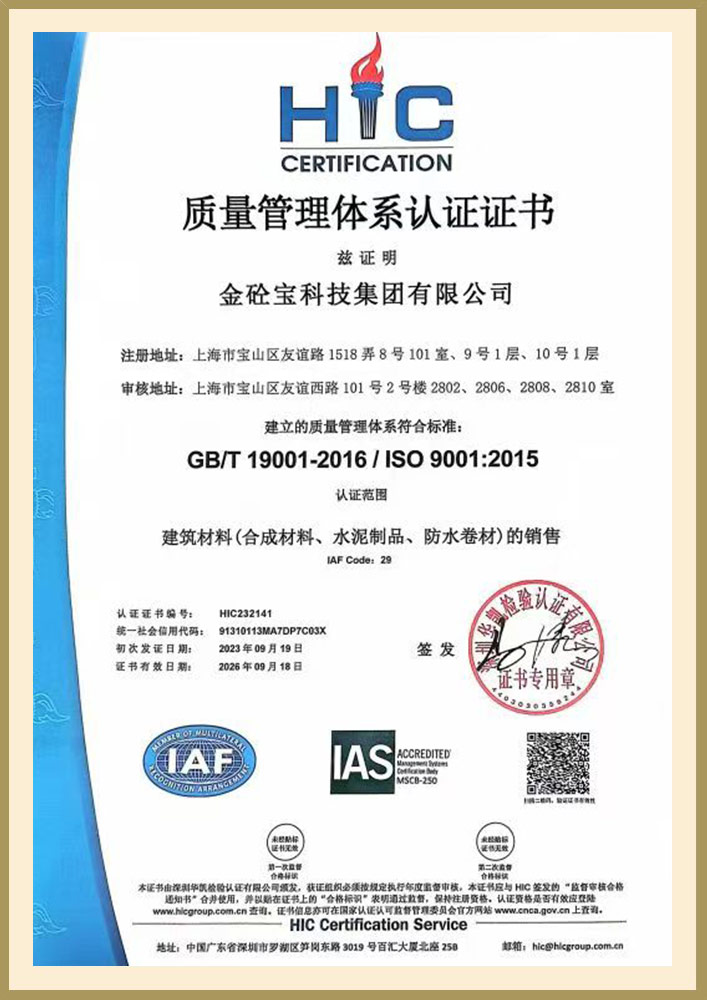
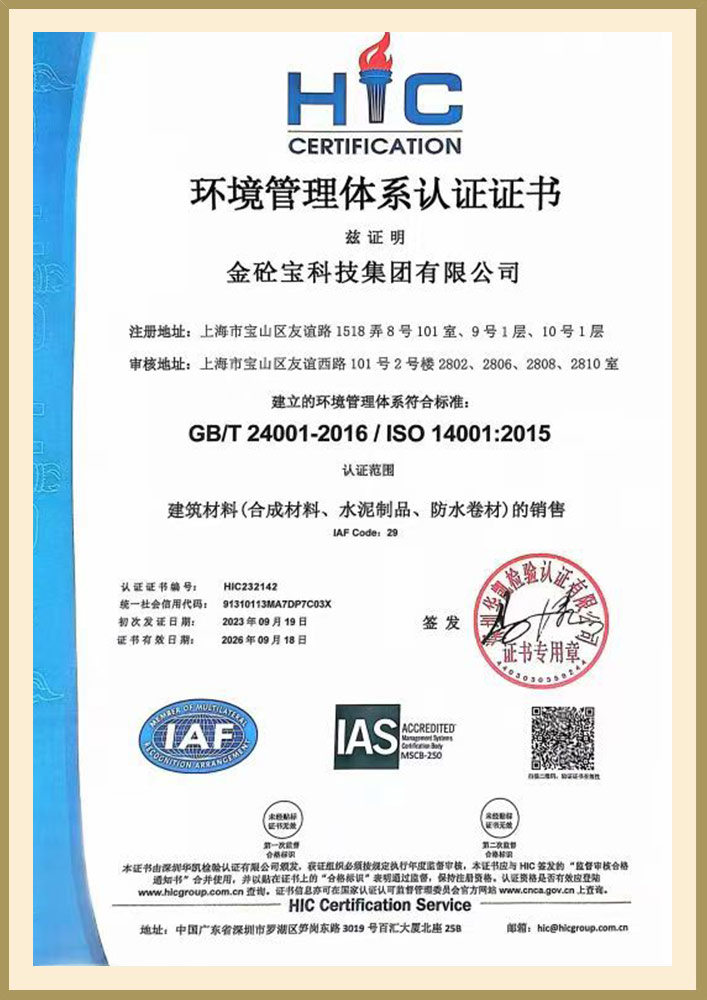
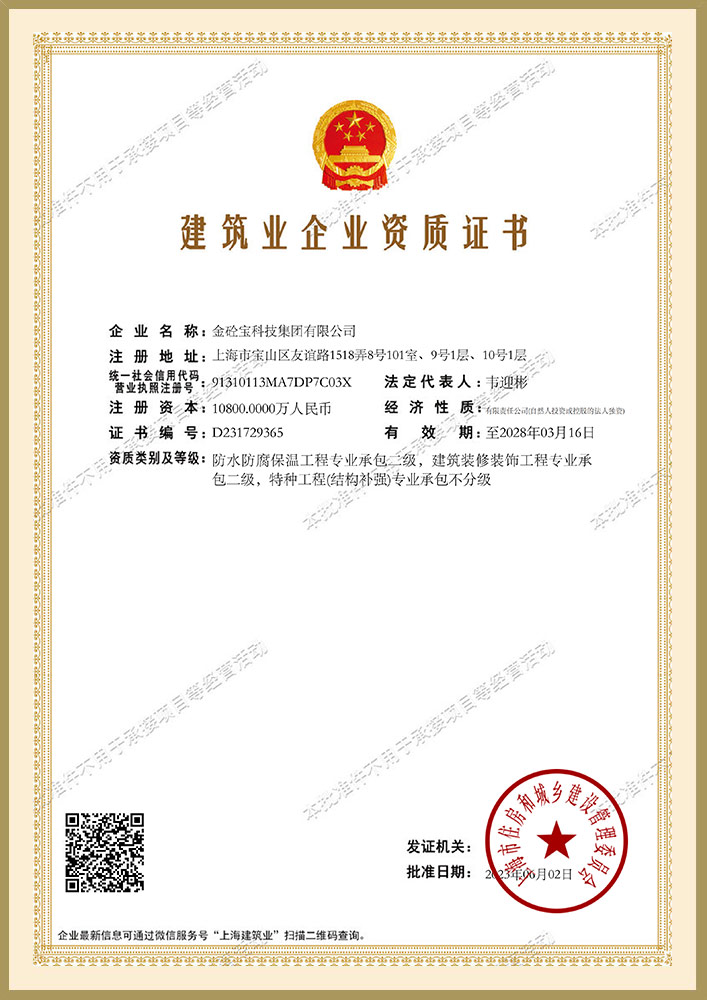
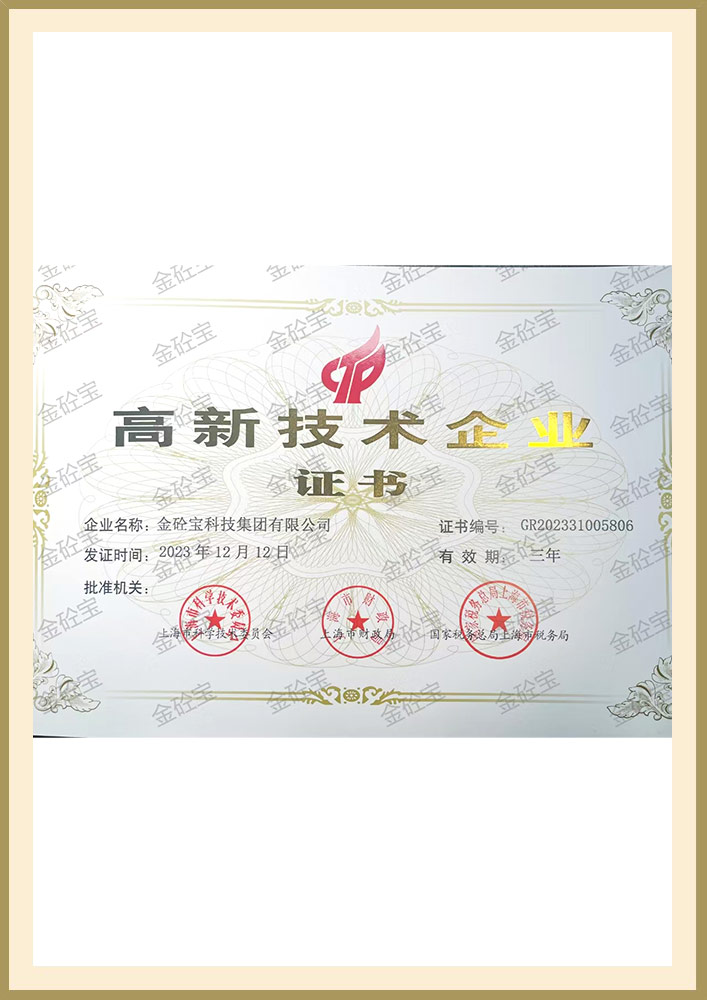
JTB Technology Group Co., Ltd. integrates research and development, production, sales, and construction services within reinforcement system solutions. The company focuses on connecting material performance with actual engineering requirements, including structural reinforcement, equipment foundation applications, and large-scale construction projects.
A reliable supply system is also an important factor for projects with strict construction schedules. Large equipment installation often requires materials to arrive according to planned construction stages. Production stability, quality control, and logistics coordination influence whether the project can proceed smoothly.
Why Production Capacity Matters for Large Equipment Foundation Grouting Projects
Large industrial projects may require substantial quantities of grout materials across multiple installation areas. When equipment foundations are constructed in phases, maintaining consistent material availability becomes part of project management.
Production capacity reflects more than manufacturing volume. It includes raw material management, production scheduling, quality inspection, and the ability to respond to different project requirements. Consistency between batches is especially important because equipment foundations often require similar material characteristics throughout the installation process.
JTB Technology Group Co., Ltd. operates production bases in Zhenjiang, Jiangsu Province, Jinhua, Zhejiang Province, and Dongguan, Guangdong Province, with total production capacity exceeding 1,000,000 tons. This production layout supports continuous manufacturing requirements and provides supply coordination capability for projects with different regional demands.
| Project Situation |
Production Capability Requirement |
Engineering Impact |
| Large Equipment Installation |
Stable material supply during construction period |
Supports continuous grouting operations |
| Multiple Foundation Units |
Consistent batch performance |
Helps maintain uniform installation conditions |
| Regional Industrial Projects |
Flexible production and delivery arrangement |
Improves project coordination efficiency |
From Equipment Repair to Pre-Reinforcement Management
Industrial infrastructure maintenance is gradually moving from responding to visible problems toward earlier protection and condition management. Equipment foundation grout plays a role not only during new equipment installation but also in reinforcement and maintenance applications for existing structures.
Through continuous research, manufacturing improvement, and engineering application experience, JTB Technology Group Co., Ltd. follows the concept of moving from reinforcement toward pre-reinforcement. This approach focuses on identifying structural needs earlier and developing solutions that support longer service periods for industrial facilities.


 en
en
 English
 Español