
 en
en
 English
 Español


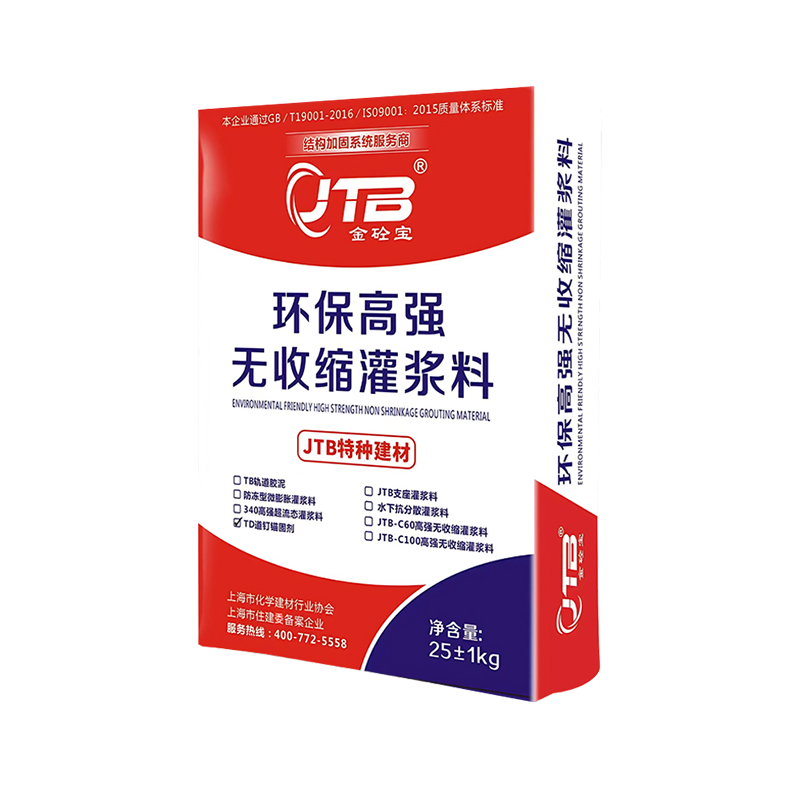
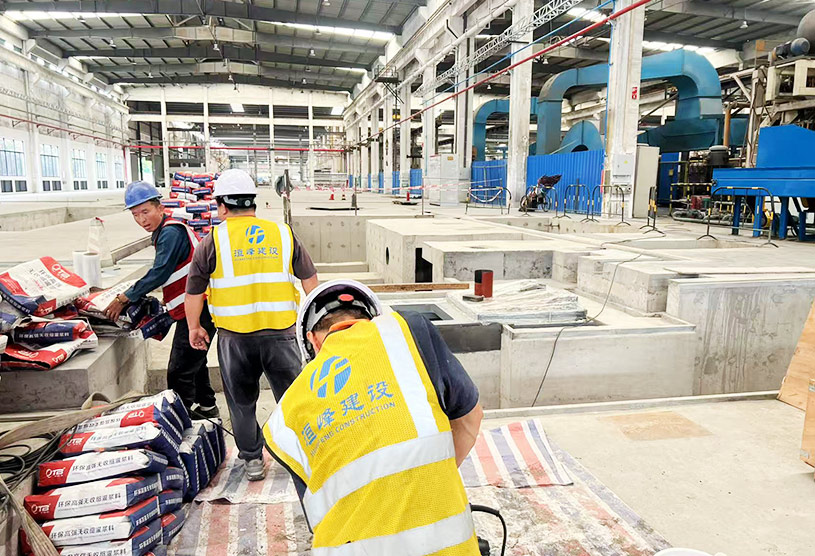
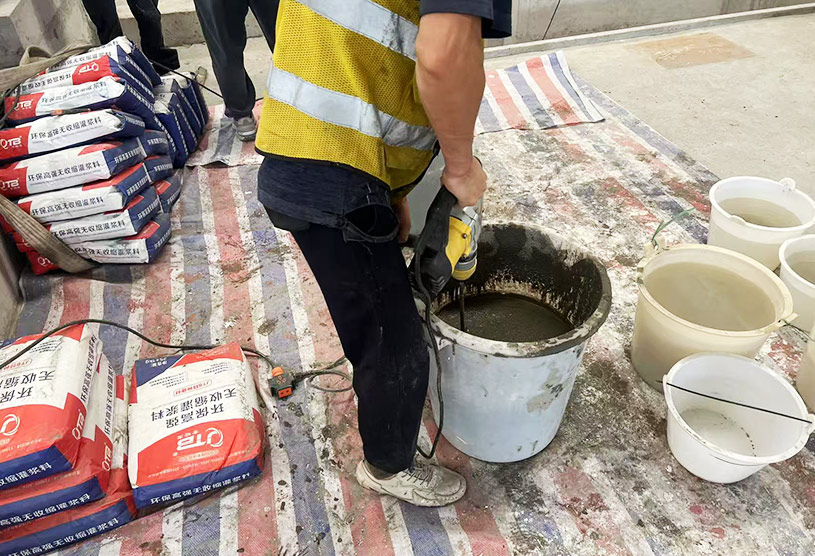
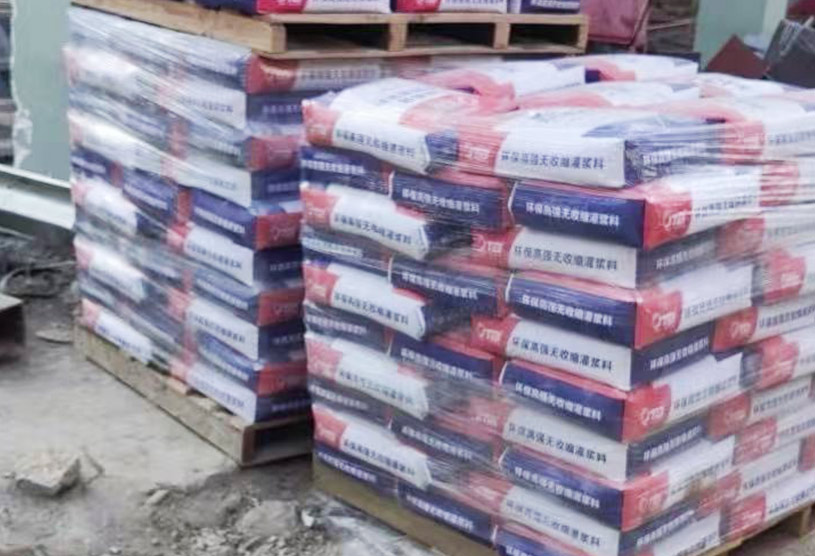
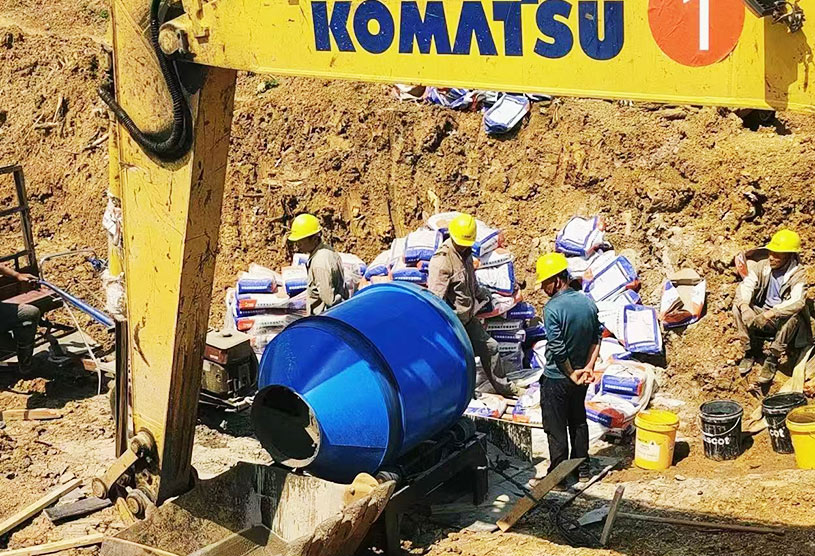
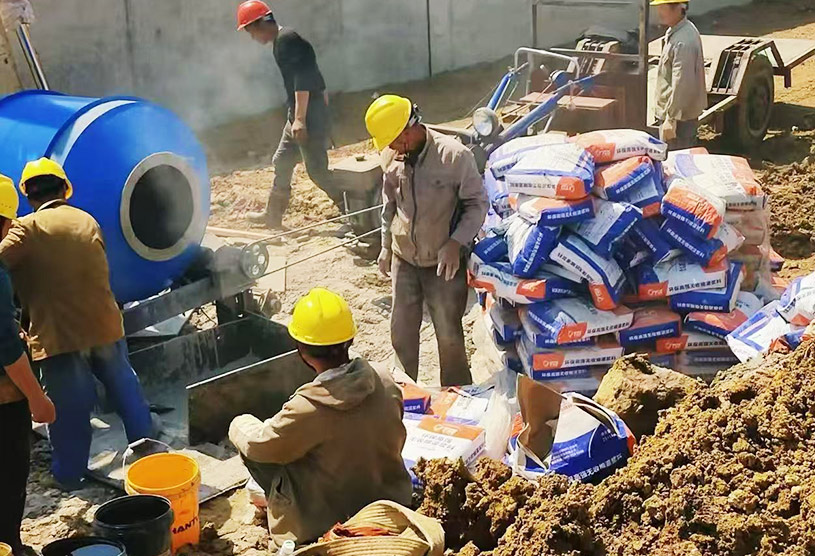
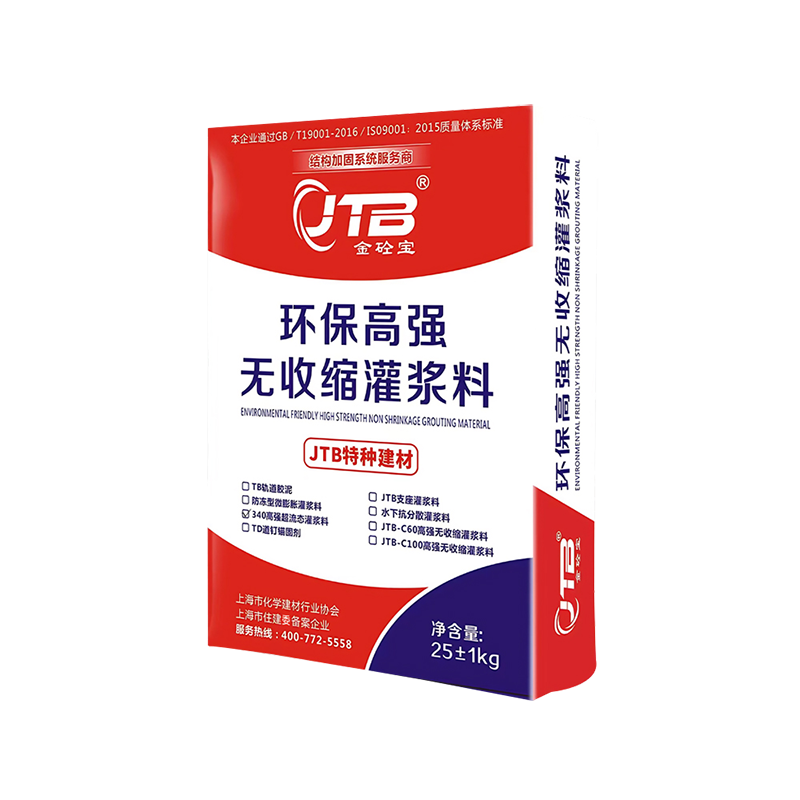
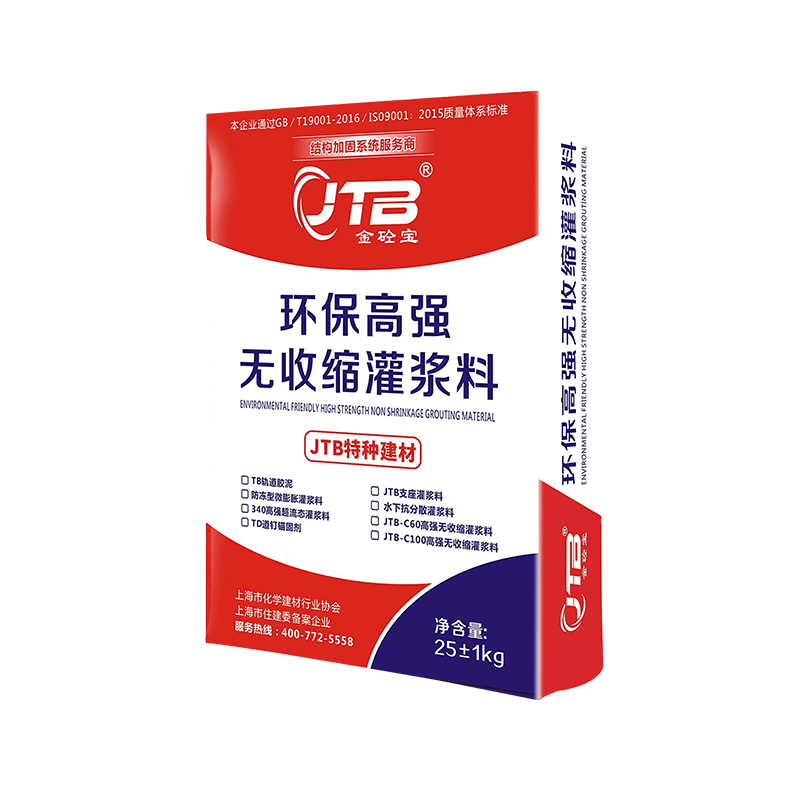
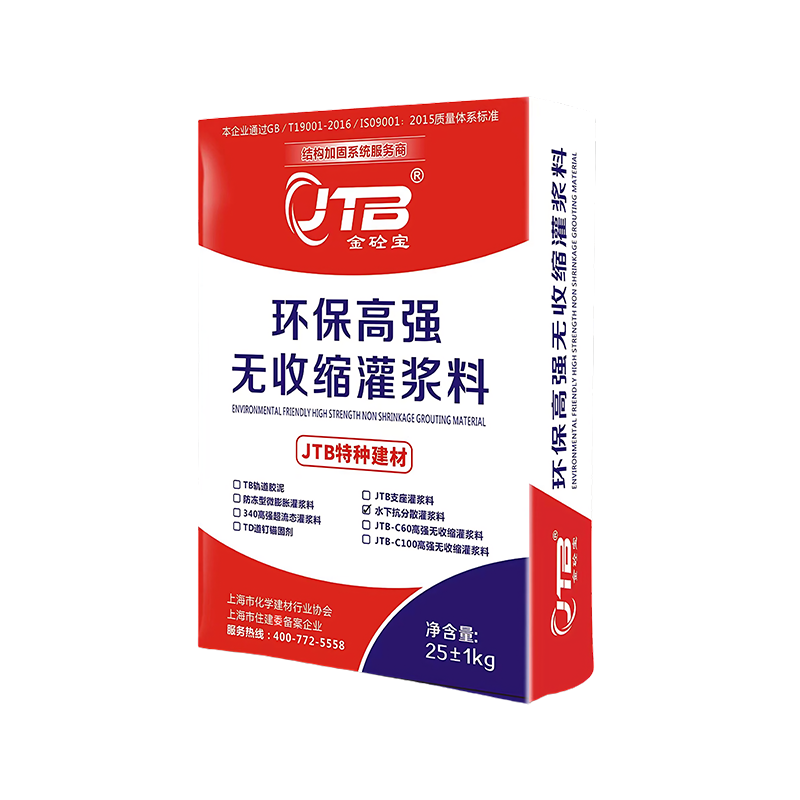
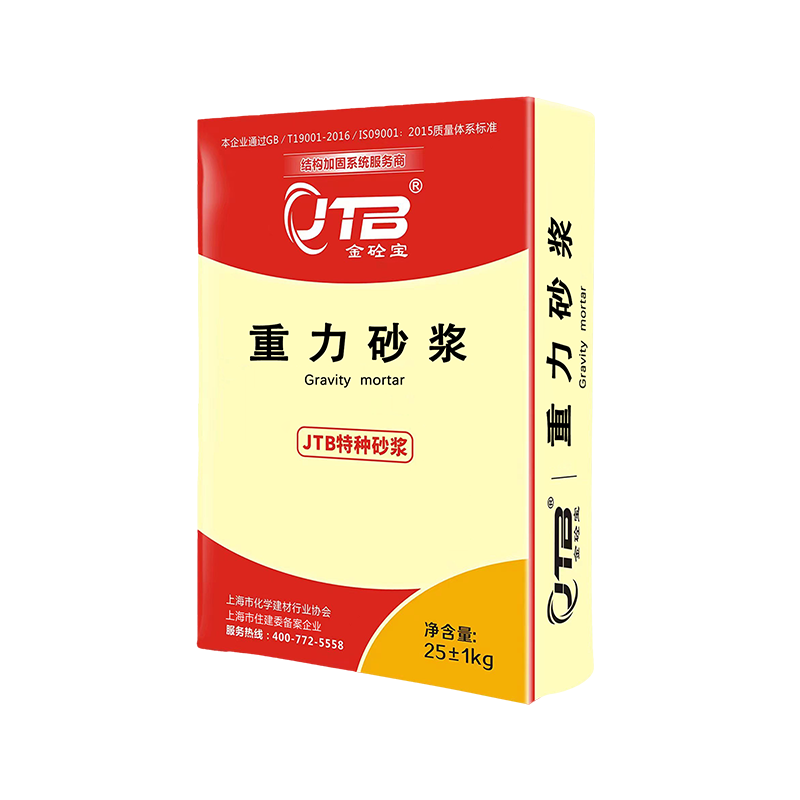
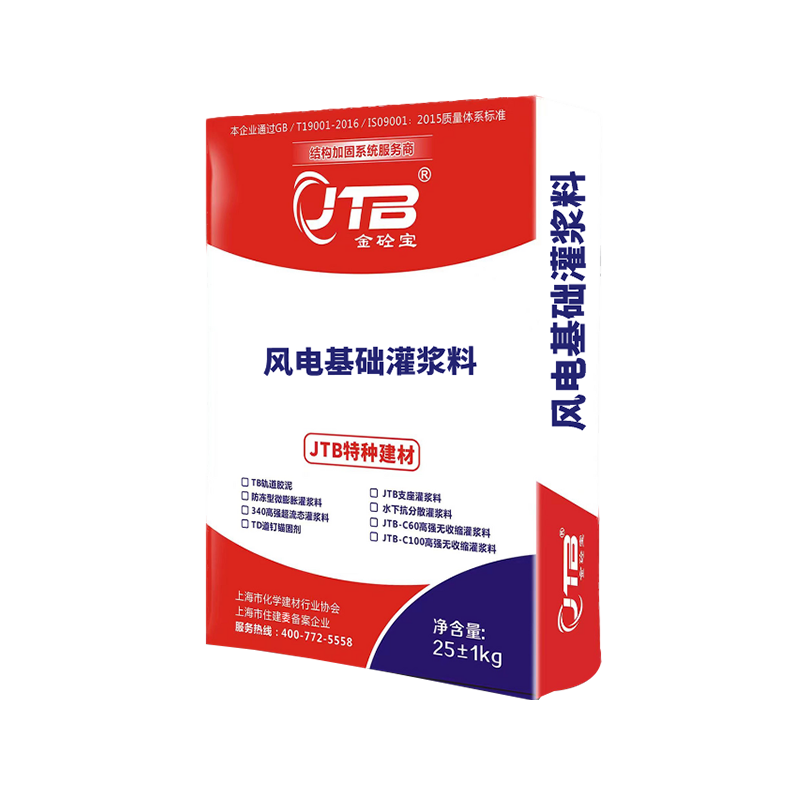
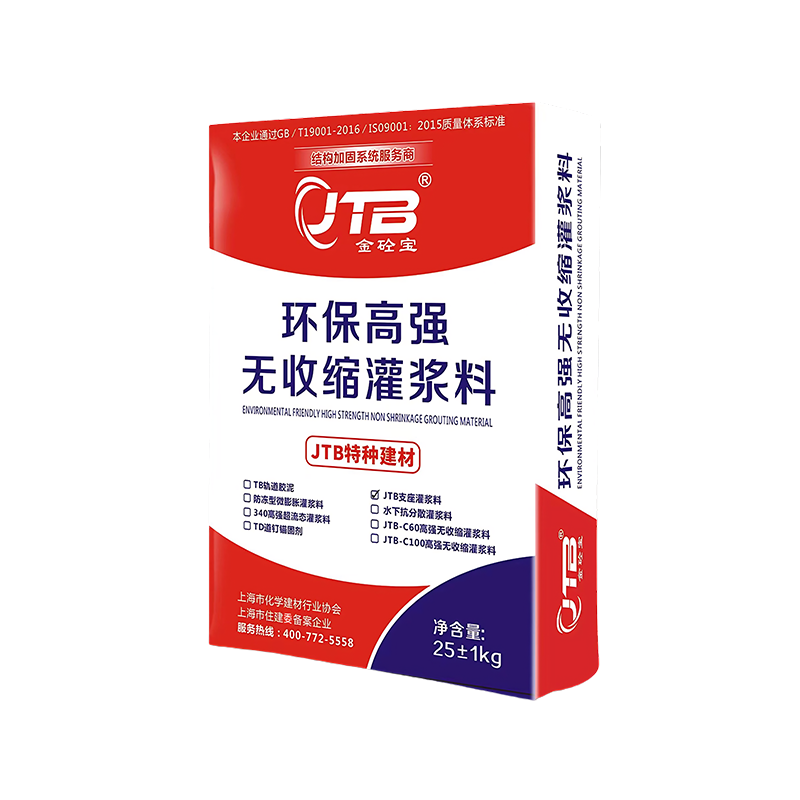
JTB Technology Group Co., Ltd. is a service provider of reinforcement system solutions integrating R&D, production, sales and construction. Since its establishment, the company has been deeply engaged in the field of reinforcement.
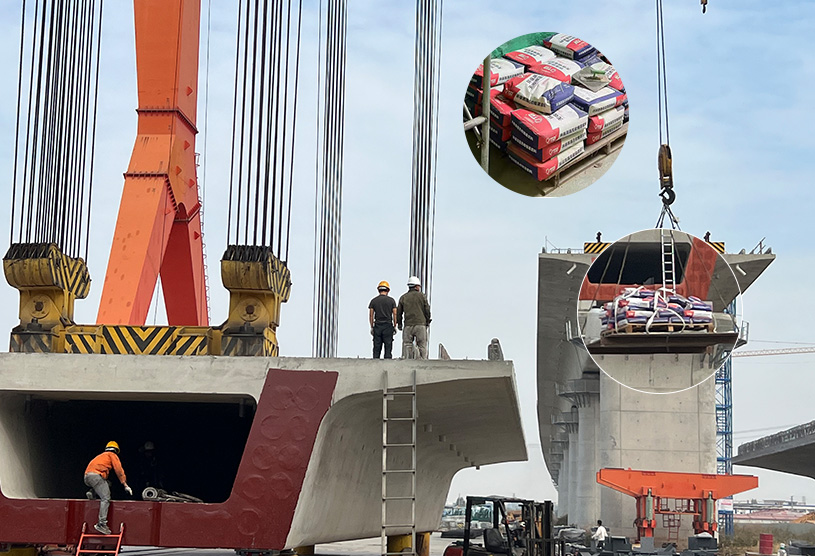
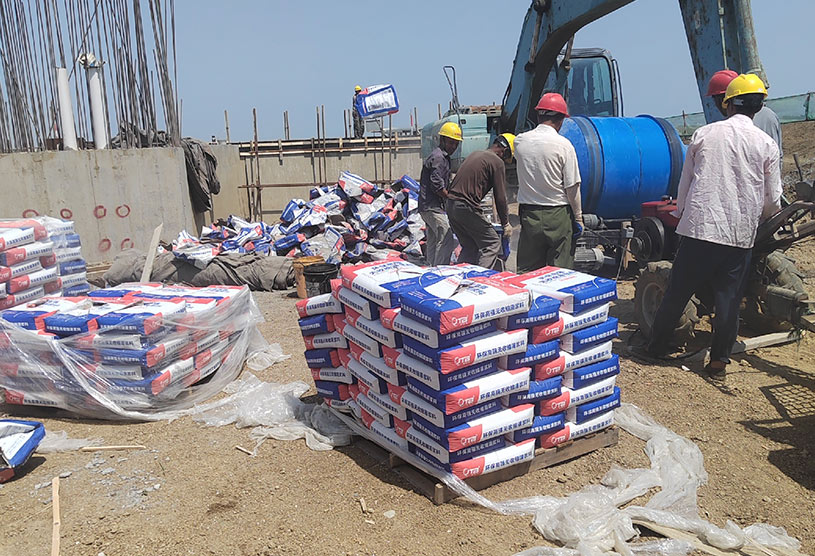
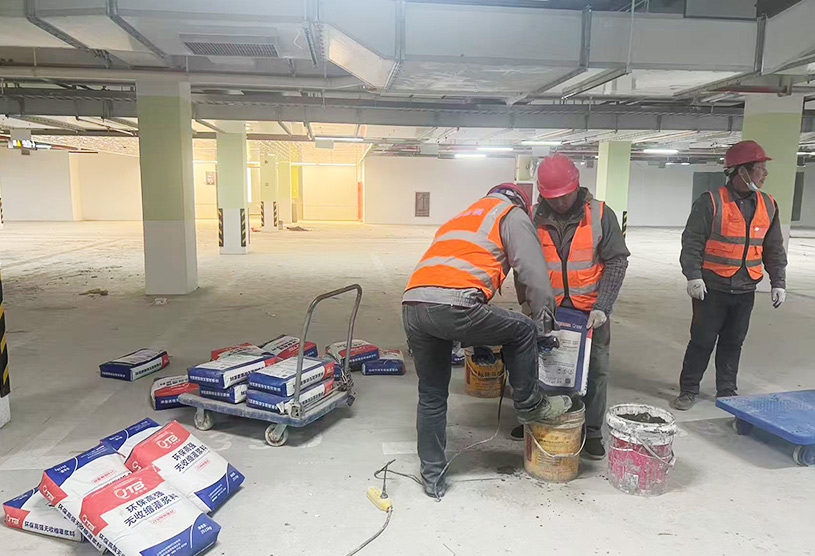
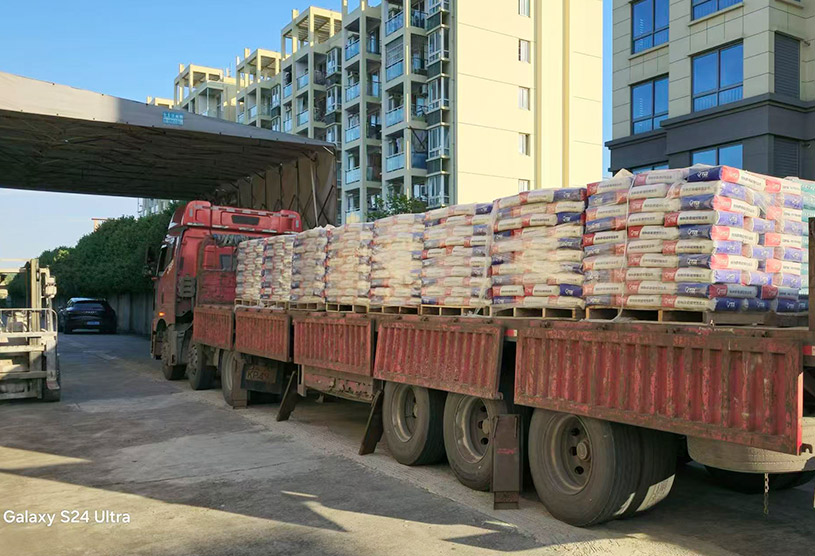
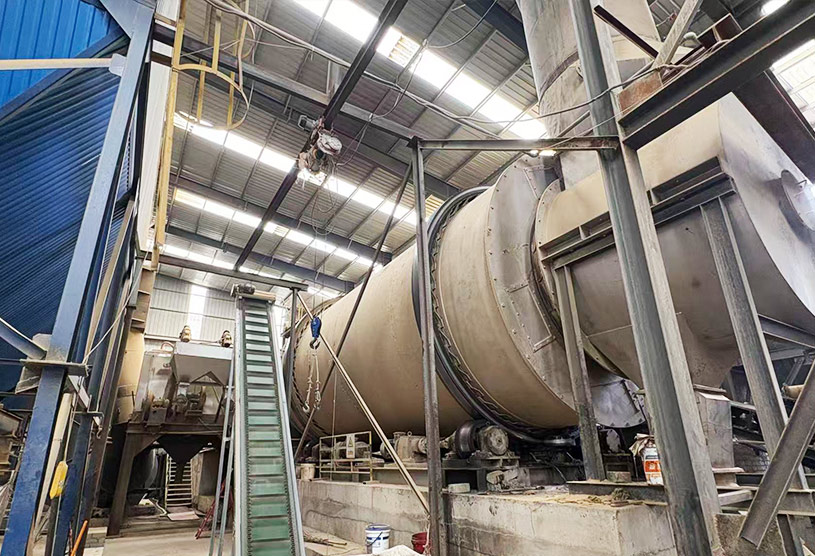
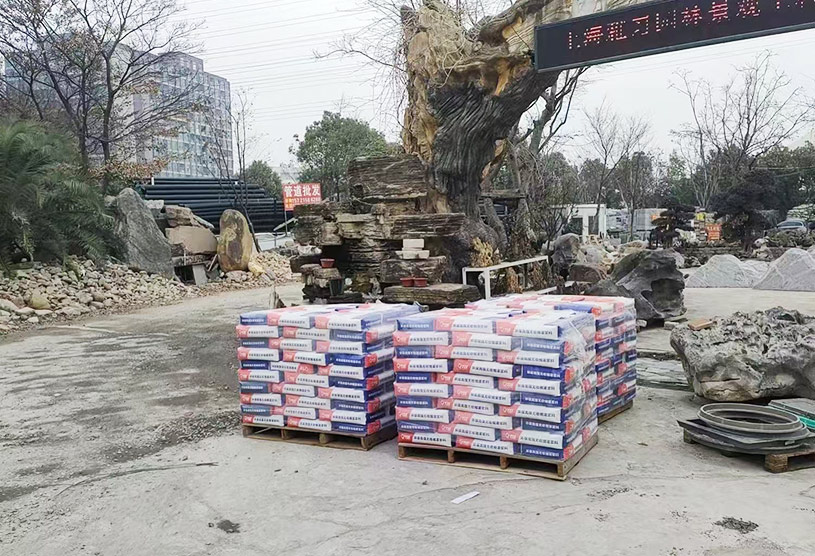
Currently, it has three large-scale production bases in Zhenjiang, Jiangsu Province, Jinhua, Zhejiang Province, and Dongguan, Guangdong Province, with a total production capacity of over 500,000 tons. Among them, the factory in Zhenjiang, Jiangsu Province, holds an important position in the company's production system. The factory covers a vast area and has standardized, modern production facilities. The large-scale production layout enables it to have a strong capacity reserve, and its annual production capacity ranks among the top in the company's three major production bases. This enables the Zhenjiang factory to achieve large-scale, continuous production of grouting materials and other products and to respond quickly to large-scale supply demands. Meanwhile, we have a sales network covering the whole country as well as some countries and regions in Southeast Asia. We can ensure the convenience and efficiency of providing valuable products and solutions for customers in various fields, such as urban renewal, airports, Bridges and tunnels, waterproofing and anti-corrosion, wind power and nuclear power, etc.
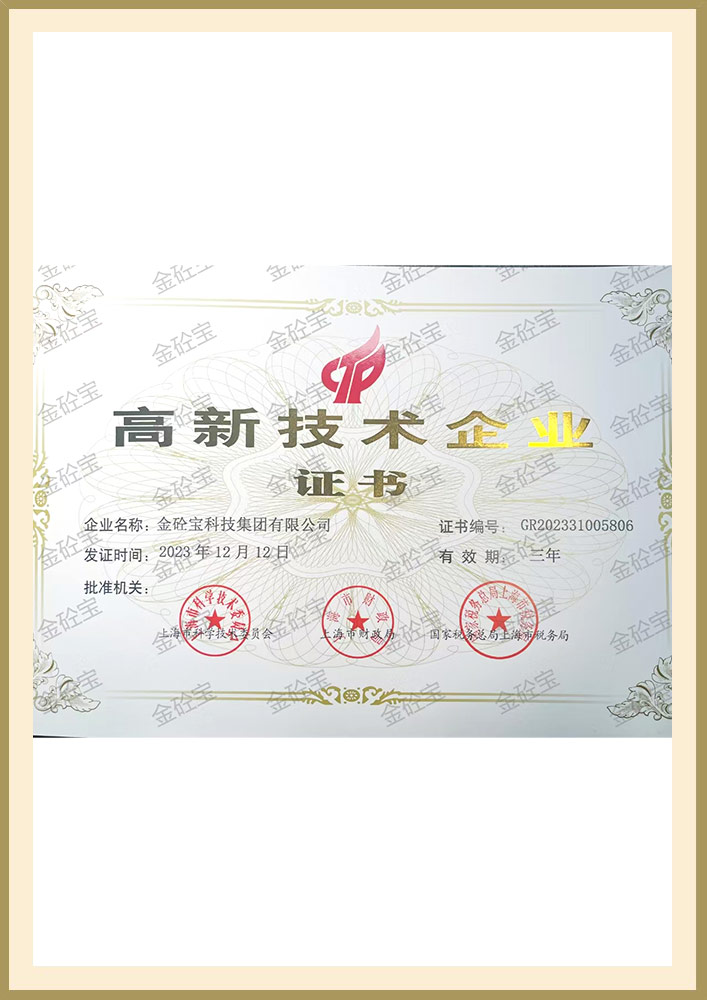
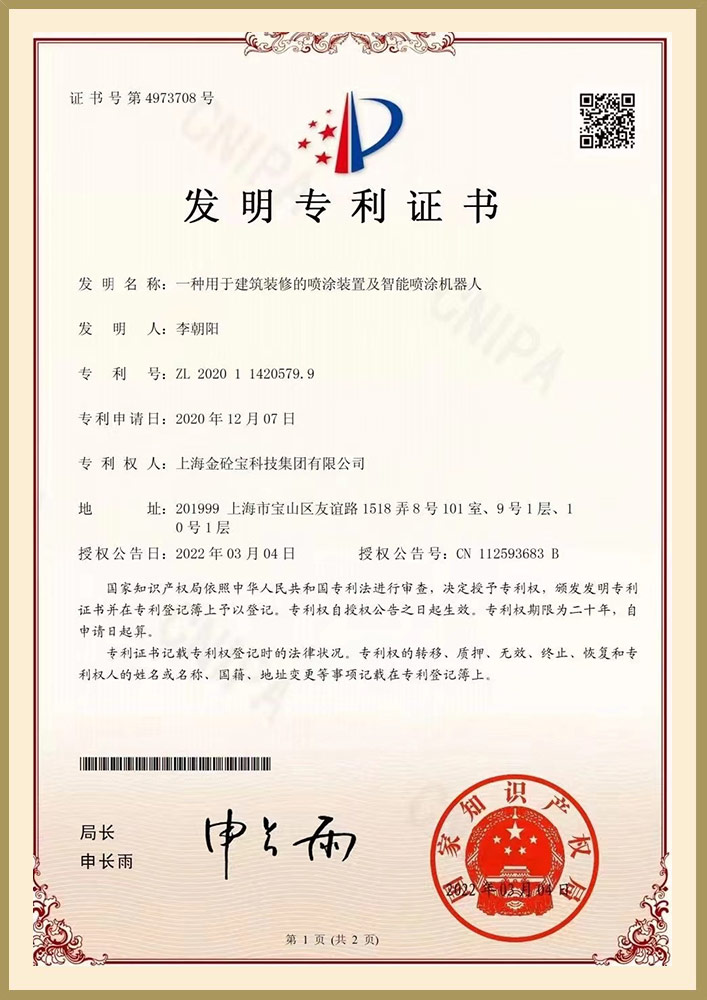
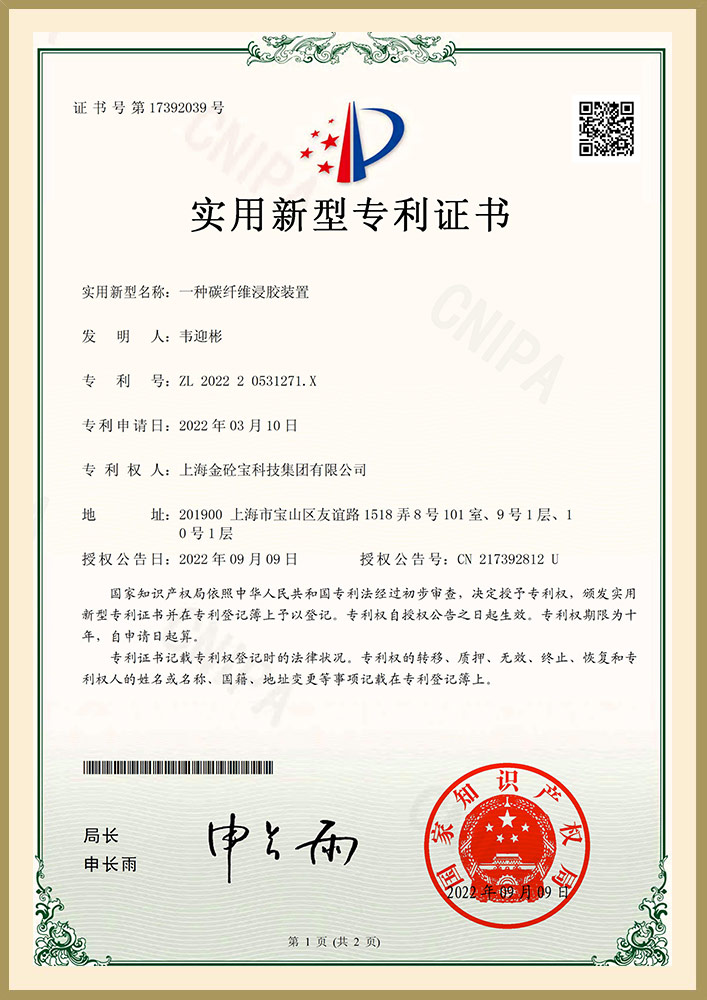
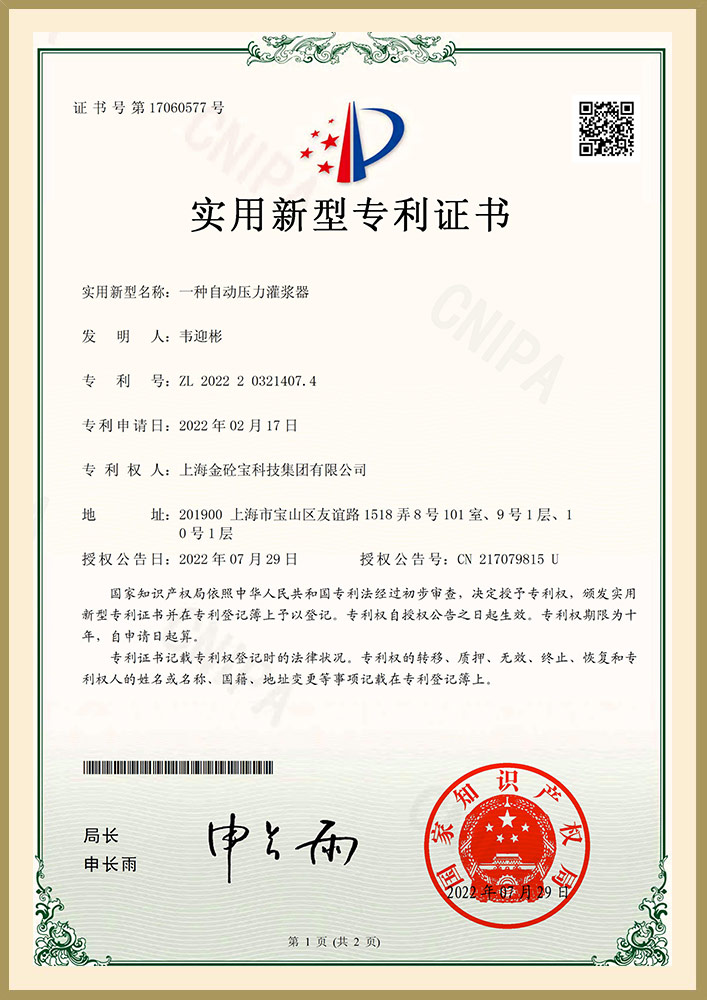
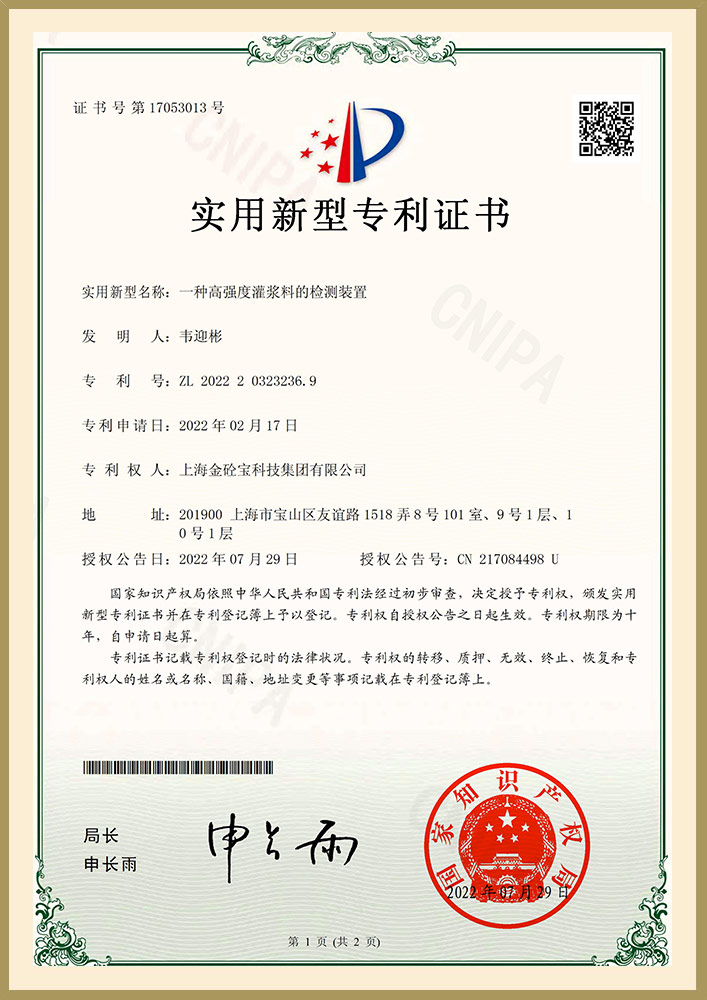
As China Grout For Anchor Bolts Manufacturers and Rail Spike Anchoring Grout Suppliers, our company has always adhered to taking technological innovation as its core competitiveness and attaches great importance to and supports technological innovation. Our R&D center is equipped with advanced experimental equipment and R&D tools, providing a solid hardware foundation for innovative work. Meanwhile, the R&D center boasts a high-level R&D team. As an industry benchmark leader, we attach great importance to industry innovation and were the 1st to propose the concept of "from reinforcement to pre-reinforcement". Actively leverage its industry experience and technological advantages to assist in the formulation and introduction of new standards, enabling it to better serve the industry and promote its healthy and sound development.