What Design Factors Should Be Considered Before Specifying Cementitious Precision Grout?
Selecting a cementitious precision grout system requires a detailed understanding of project conditions, structural requirements, and long-term operating environments. The material is not only used to fill gaps between components and foundations but also plays an important role in load transfer, vibration control, dimensional stability, and structural durability. Before specifying cementitious precision grout, factors such as application conditions, mechanical requirements, construction environment, and quality control capability need to be considered carefully.
Understanding the Application Environment and Structural Requirements
The first consideration when specifying cementitious precision grout is the actual working environment of the grouted structure. Different applications create different demands on the material. Equipment foundations, bridge bearing installations, steel column bases, wind power facilities, and infrastructure repair projects may require different grout characteristics because the stress conditions and service environments are not the same.
For industrial applications, the grout layer must provide stable support between the foundation and installed components. Continuous vibration, repeated loading, and temperature changes can gradually influence the interface performance if the material selection does not match the project conditions. For infrastructure projects, resistance to moisture penetration, shrinkage control, and long-term volume stability are often important factors during specification.
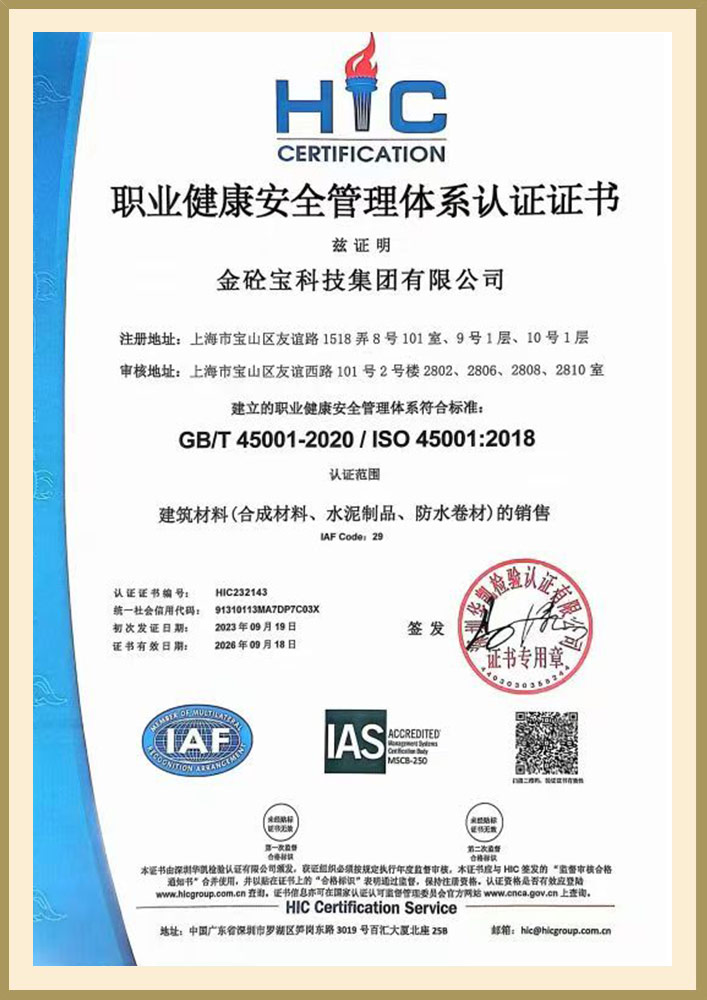
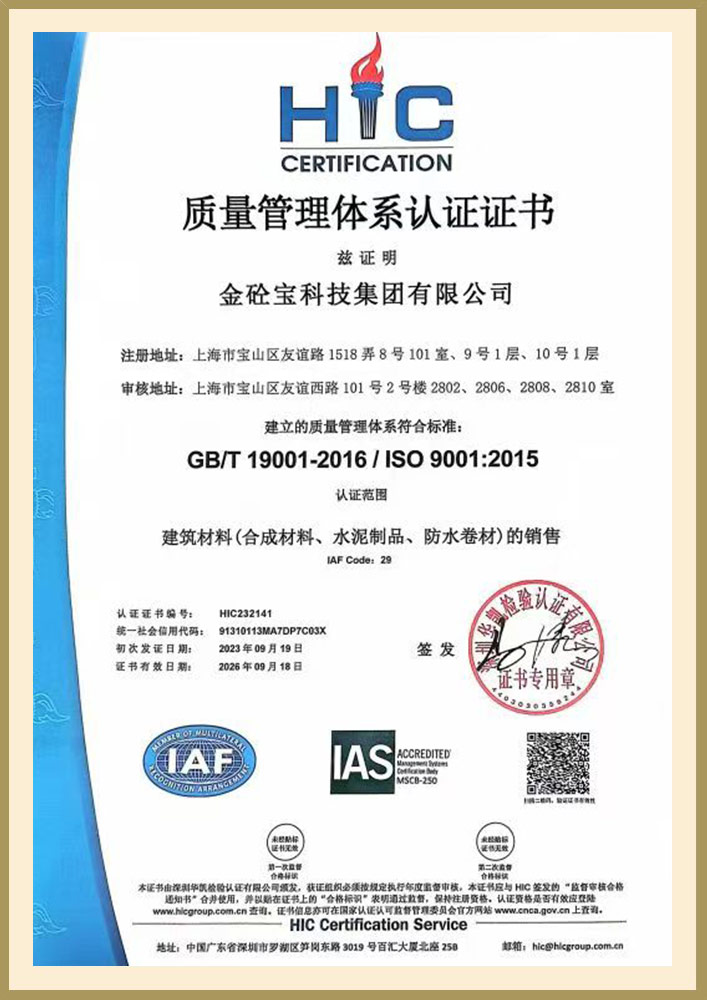
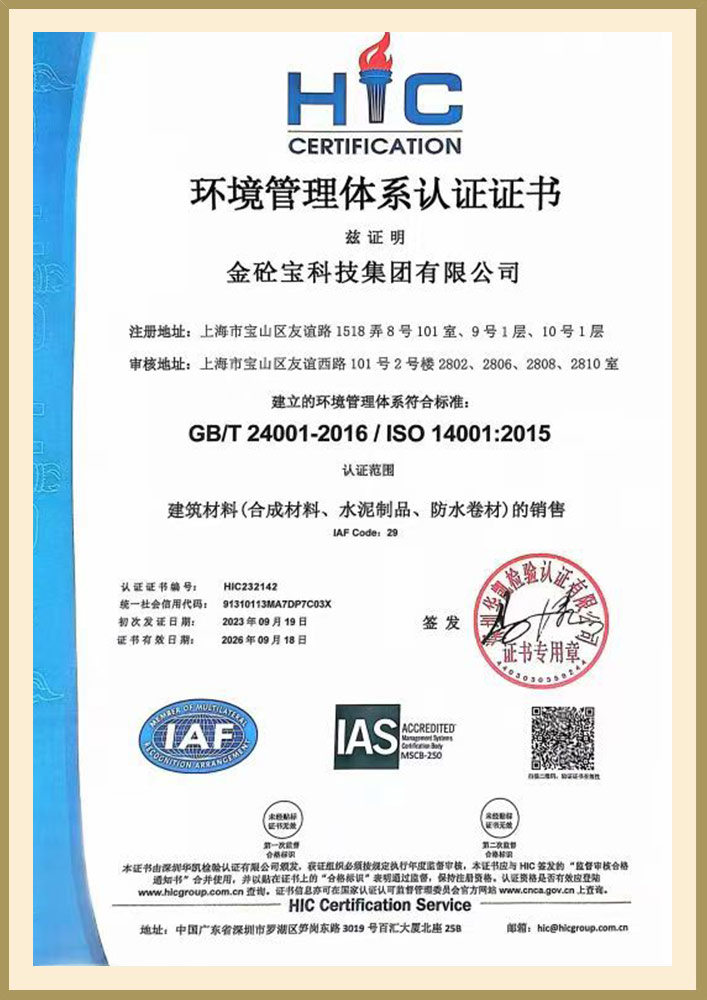
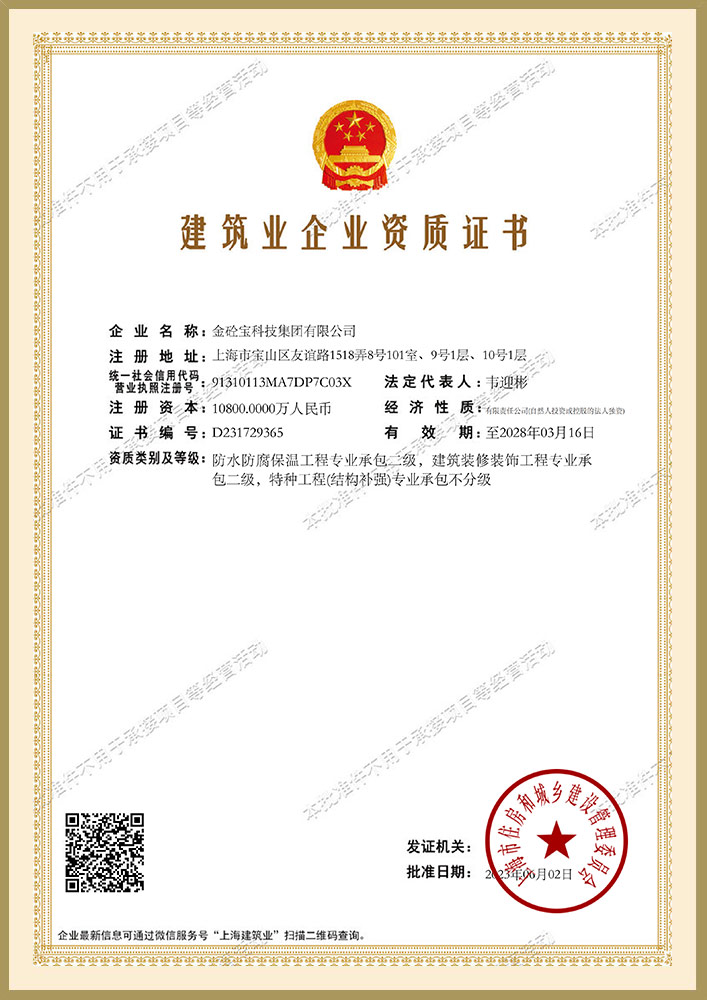
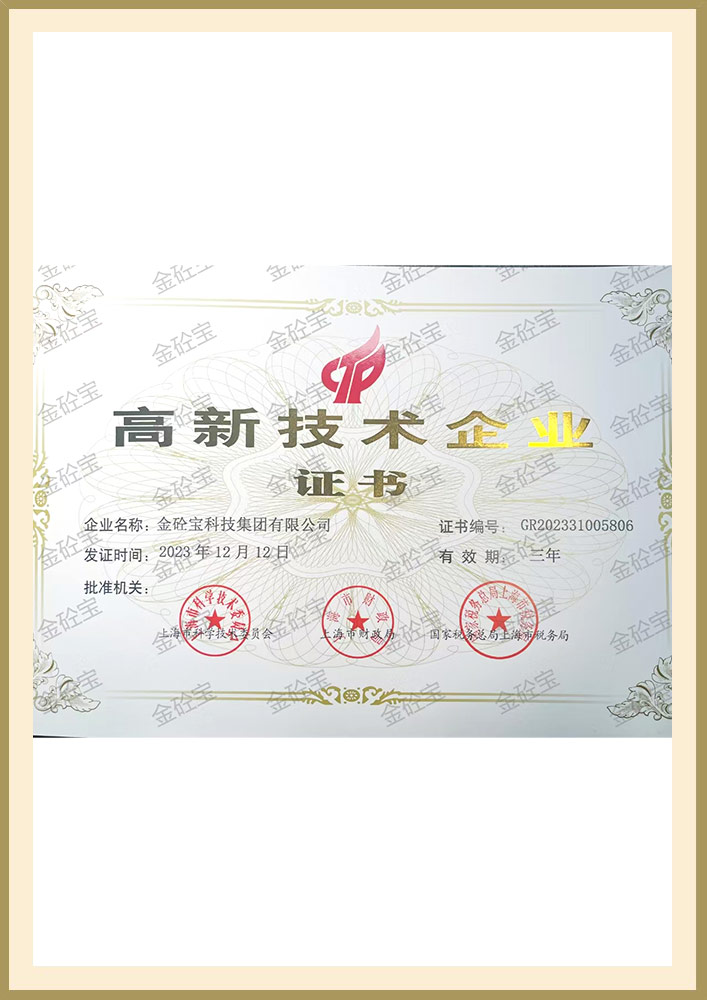
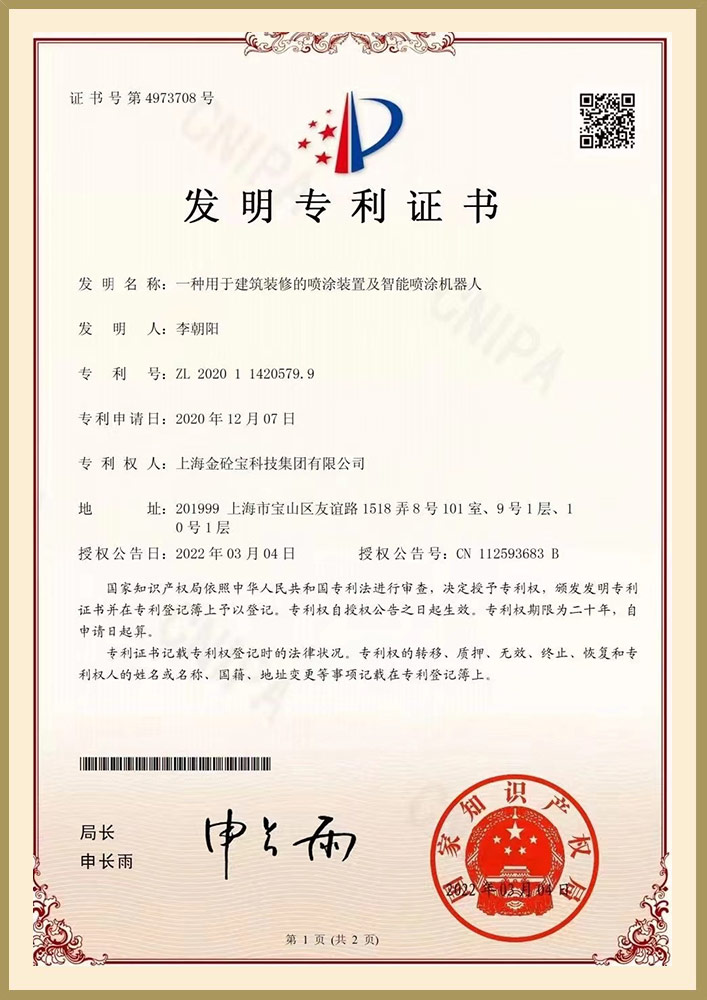
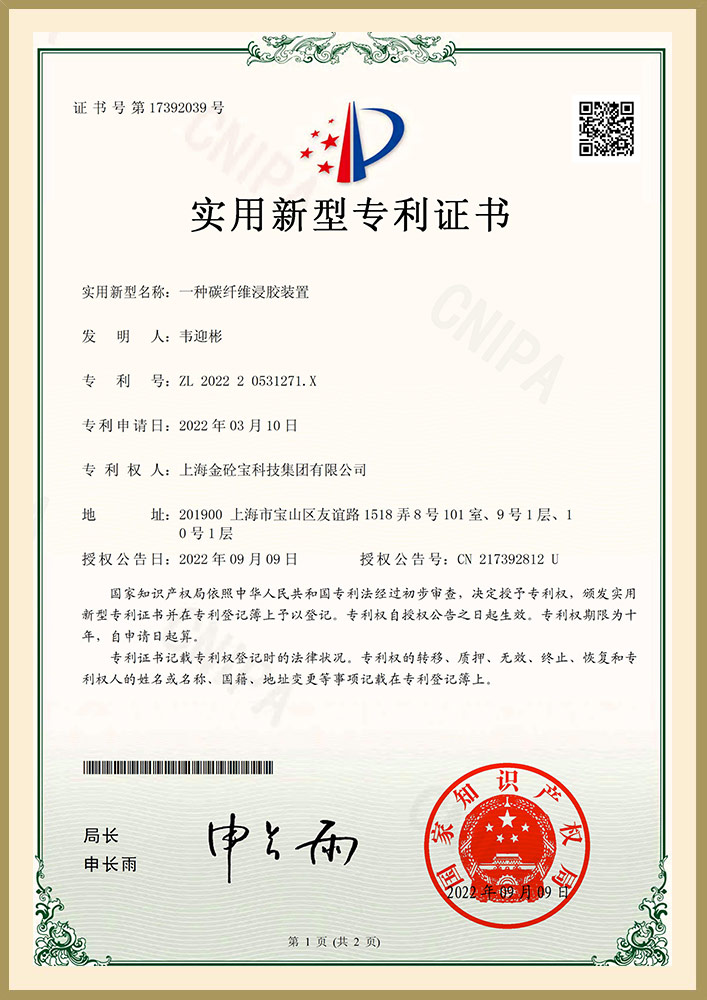
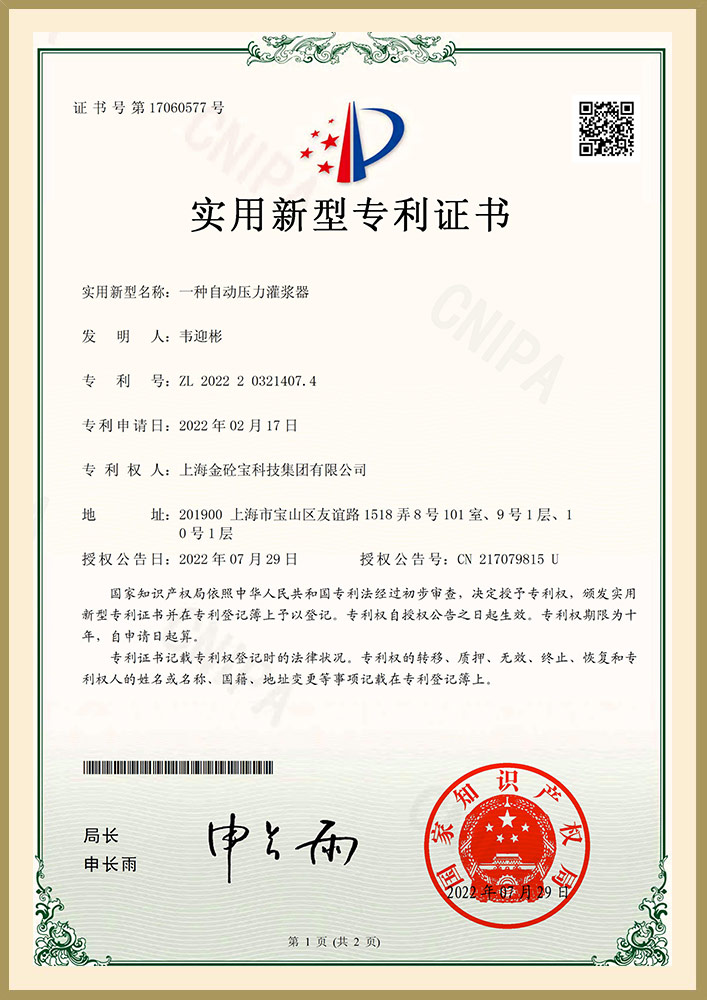
A company such as JTB Technology Group Co., Ltd., which focuses on reinforcement system solutions and provides integrated services from research and development to production and construction, considers application scenarios as a key part of product development. This approach reflects the industry trend of designing grout materials according to actual engineering requirements rather than using a single material solution for every project.
Evaluating Mechanical Performance Requirements
Mechanical properties are a major factor when choosing cementitious precision grout. Compressive strength is commonly referenced, but other performance parameters should also be examined, including early strength development, flexural strength, elastic modulus, bonding characteristics, and fatigue resistance.
For projects involving heavy machinery or structures exposed to dynamic loads, the interaction between grout and the supported structure is particularly important. A grout material with suitable stiffness can help maintain effective stress distribution and reduce localized stress concentration. Excessive differences between the grout layer and the surrounding concrete may influence long-term performance.
| Performance Factor |
Design Consideration |
Typical Application Concern |
| Compressive Strength |
Ability to withstand applied loads |
Equipment foundations and structural supports |
| Volume Stability |
Control of shrinkage and dimensional change |
Maintaining long-term contact between surfaces |
| Elastic Modulus |
Compatibility with surrounding structures |
Reducing stress concentration |
| Fatigue Resistance |
Performance under repeated loading |
Vibration and cyclic operating conditions |
Considering Flowability and Installation Conditions
Cementitious precision grout is often used in areas where complete filling is required but access space may be limited. Therefore, flowability is a critical design factor. The material needs to move through narrow gaps, surround embedded components, and reduce the possibility of void formation during installation.
However, high flowability should be balanced with stability. Excessive fluidity without proper material design may lead to segregation, bleeding, or uneven distribution of cement particles. Modern grout formulations usually rely on optimized particle grading, mineral additives, and chemical admixture systems to achieve controlled flow behavior.
Construction conditions should also be considered before selecting the grout type. Factors such as pouring distance, thickness of the grout layer, available working time, ambient temperature, and curing conditions can influence the final performance. A product suitable for a large foundation project may require different characteristics compared with a small repair application.
Assessing Shrinkage Control and Volume Stability
One of the key design concerns in precision grouting is maintaining stable contact between the grout and the surrounding structure. Cement-based materials naturally experience volume changes during hydration and drying processes. If shrinkage is not properly controlled, small gaps may develop between the grout layer and the supported surface.
For precision applications, controlled expansion technology and optimized hydration processes are often used to improve dimensional stability. The objective is to maintain effective load transfer and reduce the risk of interface separation during long-term service.
When developing reinforcement system solutions, JTB Technology Group Co., Ltd. emphasizes material performance related to actual structural conditions. This type of product development considers not only laboratory test results but also construction processes and field application requirements.
Reviewing Environmental Exposure Conditions
Environmental conditions have a direct influence on the service requirements of cementitious precision grout. Projects located in coastal regions, underground spaces, industrial facilities, or areas exposed to temperature variation may require different durability considerations.
Important environmental factors include moisture exposure, chemical contact, freeze-thaw cycles, and temperature fluctuations. The internal pore structure of the grout, permeability characteristics, and resistance to external deterioration all influence long-term reliability.
| Environmental Condition |
Potential Influence |
Design Focus |
| High Humidity Environment |
Possible moisture-related deterioration |
Water resistance and pore structure control |
| Temperature Variation |
Thermal expansion and contraction |
Volume stability and crack control |
| Dynamic Operating Environment |
Repeated mechanical stress |
Fatigue performance and bonding strength |
Matching Material Selection With Construction Quality Control
The performance of cementitious precision grout depends not only on the product formulation but also on construction management. Before specification, project teams should consider whether the material requirements match the available installation methods and quality control procedures.
Important construction factors include accurate water measurement, mixing equipment selection, surface preparation, grouting sequence, and curing management. Incorrect preparation or inconsistent installation procedures may affect the final strength development and interface performance even when the selected material meets technical requirements.
Manufacturing capability also influences project consistency. Stable raw material control, standardized production processes, and batch testing procedures help maintain product performance during large-scale projects. With multiple production bases and experience in supplying reinforcement-related solutions, JTB Technology Group Co., Ltd. integrates production management with technical support to meet different engineering requirements.
Considering Project Scale and Supply Requirements
Large infrastructure and industrial projects often require continuous material supply, consistent quality between batches, and technical support throughout the construction period. Therefore, specification decisions should include evaluation of production capacity, logistics capability, and technical service resources.
For contractors and project owners, selecting a cementitious precision grout supplier is not only about choosing a material specification. It also involves understanding whether the supplier can support project schedules, provide technical guidance, and maintain stable product delivery during different construction stages.
| Project Factor |
Key Question Before Specification |
| Project Size |
Can the material supply meet continuous construction demand? |
| Application Complexity |
Does the grout system match installation conditions? |
| Quality Management |
Are production and testing procedures consistent? |
| Technical Support |
Is application guidance available during construction? |
Integrating Technical Requirements With Long-Term Maintenance Goals
Modern construction projects increasingly focus on lifecycle performance rather than short-term installation results. The selection of cementitious precision grout should consider future maintenance requirements, operating conditions, and expected service duration.
A suitable grout system can support stable structural performance by maintaining proper contact, reducing movement between components, and improving load distribution. For reinforcement and infrastructure applications, material selection has become closely connected with preventive maintenance strategies and long-term asset management.


 en
en
 English
 Español