How Can Concrete Sealers Become Part of a Pre-Reinforcement Strategy for Structural Durability Control?
A bridge deck inspection often reveals durability risks before structural damage becomes visible
During the inspection of an aging concrete bridge, the surface condition may appear acceptable while internal durability risks have already started developing. Water penetration through capillary channels, chloride migration from the surrounding environment, and repeated temperature changes can gradually affect the concrete cover zone. By the time surface peeling, cracking, or reinforcement corrosion marks appear, the deterioration process may already have progressed for years.
This situation has changed the way infrastructure maintenance is considered. Surface protection materials such as concrete sealers and curing compounds are no longer only applied as repair accessories after damage occurs. They are increasingly evaluated as part of preventive structural management, where reducing early exposure risks becomes part of the service-life planning process.
The effectiveness of a sealing system depends on more than the chemical characteristics of the product itself. Concrete composition, curing conditions, surface porosity, moisture state, and environmental exposure determine how the material interacts with the substrate.
Concrete mix design changes the working conditions of curing compounds and sealers
A concrete mixture creates a specific internal structure after hydration. The ratio between cementitious materials and water influences pore distribution, moisture movement, and surface permeability. These characteristics directly affect the selection of curing compounds and sealing materials.
For example, concrete with a lower water-cement ratio generally develops a denser internal structure, while concrete containing mineral additives may show different hydration development patterns over time. Surface treatment materials need to match these differences because penetration behavior and protective mechanisms can vary according to the concrete matrix.
In airport pavement projects, bridge structures, and wind power foundations, the same protection material may face completely different service conditions. A bridge deck exposed to deicing chemicals requires different considerations from an indoor industrial concrete floor where abrasion resistance is the primary concern.
| Concrete characteristic |
Field condition affected |
Material evaluation direction |
| High surface porosity |
Rapid water absorption and moisture exchange |
Penetration depth and surface sealing ability |
| Low permeability concrete |
Limited material absorption |
Surface compatibility and bonding behavior |
| Mineral admixture concrete |
Delayed hydration development |
Long-term interaction with curing process |
| Aged concrete substrate |
Dust, carbonation layer, uneven absorption |
Surface preparation requirements before application |
Pre-reinforcement begins with controlling environmental influence before deterioration develops
Concrete structures are exposed to changing external conditions throughout their service period. Rainwater, industrial atmosphere, groundwater, and temperature cycles continuously affect the surface zone of concrete. The first few millimeters of concrete often determine how quickly external substances can enter the structure.
Concrete sealers influence this exposure process by modifying surface absorption characteristics and limiting the movement of harmful substances. In preventive maintenance planning, this type of surface intervention can be considered before major repair activities become necessary.
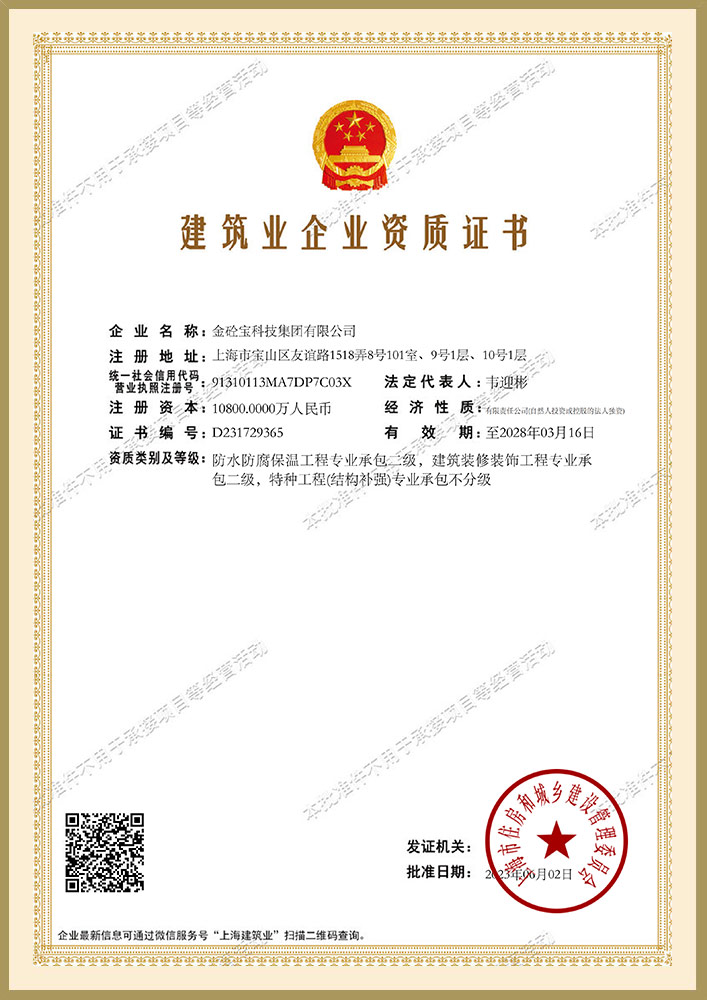
The concept of moving from reinforcement toward pre-reinforcement reflects a change in maintenance thinking. Instead of waiting for structural problems to appear, material technologies are applied earlier to manage possible risks. JTB Technology Group Co., Ltd. has incorporated this concept into its reinforcement system solutions by combining material development with practical construction experience.
Construction conditions determine whether a sealing system can perform as expected
A concrete sealer applied on a laboratory sample may show different behavior when used on an actual construction site. Field conditions such as substrate moisture content, surface roughness, cleaning quality, and curing age can influence the final result.
During urban renewal projects, contractors often work with existing concrete surfaces that have different levels of deterioration. Some areas may contain carbonation zones, while others may have repaired sections with different absorption characteristics. A surface treatment system needs to consider these variations rather than treating the entire structure as a uniform material.
For tunnel maintenance projects, continuous humidity and limited ventilation create another type of challenge. Material selection needs to consider moisture migration, curing conditions, and long-term surface stability under a controlled construction environment.
| Project situation |
Primary technical concern |
Decision factor |
| Bridge rehabilitation |
Chloride penetration and moisture exposure |
Resistance against external environmental influence |
| Tunnel maintenance |
Continuous humidity conditions |
Compatibility with wet substrates |
| Urban concrete renewal |
Variable surface conditions |
Adaptability during repair processes |
| Industrial concrete areas |
Surface wear and contamination |
Balance between protection and surface function |
Manufacturing control affects consistency when protection materials are used across large projects
Large infrastructure projects often require thousands of square meters of concrete surface treatment. Under these conditions, differences between production batches can influence application behavior, consumption rate, and final surface appearance.
Consistency depends on raw material inspection, formulation accuracy, production monitoring, and finished product testing. Changes in active components, viscosity, or storage stability may influence the way materials penetrate and react with concrete surfaces.
JTB Technology Group Co., Ltd. operates production bases in Zhenjiang, Jiangsu Province, Jinhua, Zhejiang Province, and Dongguan, Guangdong Province. The manufacturing structure supports continuous production requirements for construction materials, with standardized facilities designed for large-volume supply conditions.
| Production factor |
Potential influence during application |
| Raw material control |
Maintains formulation stability between batches |
| Process management |
Controls product consistency during continuous production |
| Testing procedures |
Provides reference data for material performance evaluation |
Material research connects laboratory testing with structural maintenance requirements
The development of curing compounds and sealers involves studying how chemical components interact with cement hydration products and concrete pore structures. Testing may include water absorption analysis, surface hardness measurement, permeability evaluation, and compatibility assessment with different concrete compositions.
Research facilities and technical teams allow manufacturers to investigate how materials behave under different conditions rather than relying only on theoretical formulation data. For infrastructure applications, the connection between laboratory results and construction experience directly affects material selection.
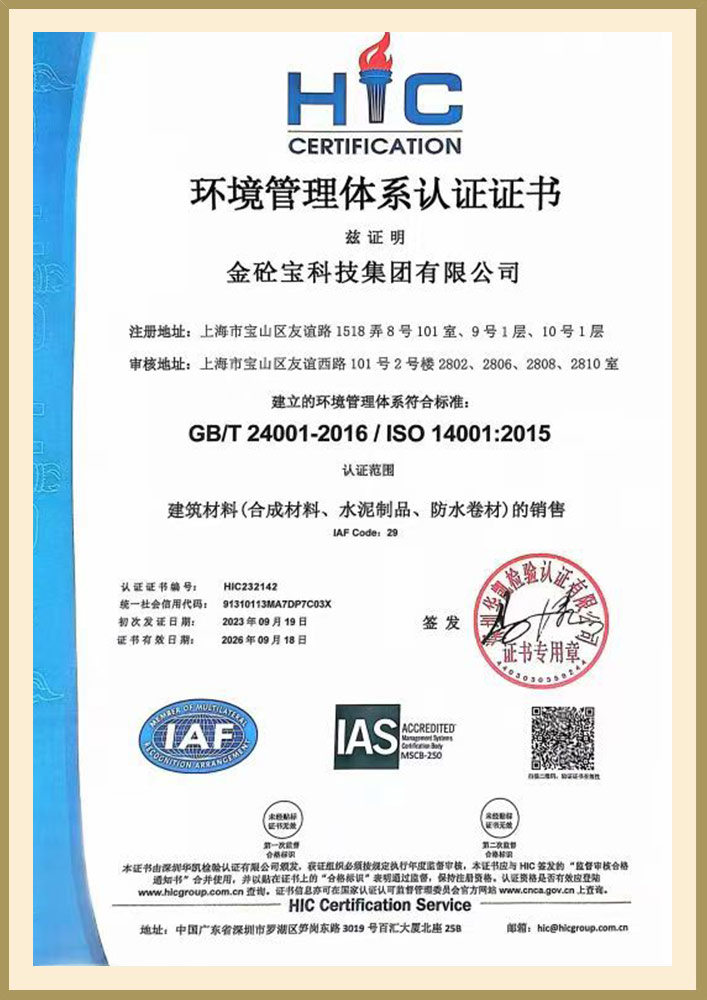
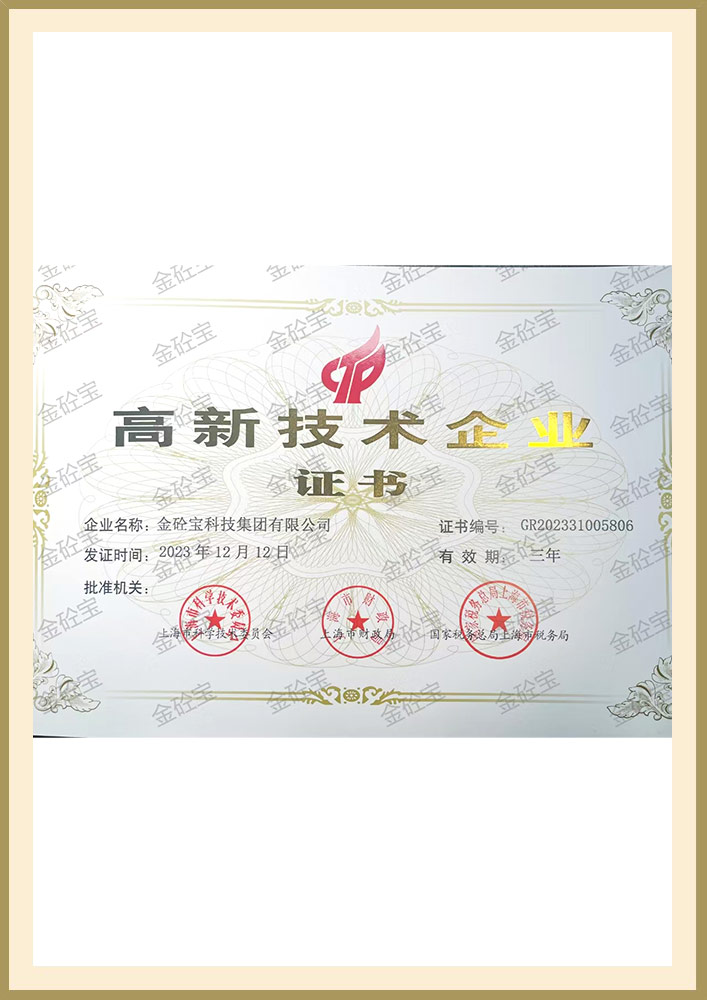
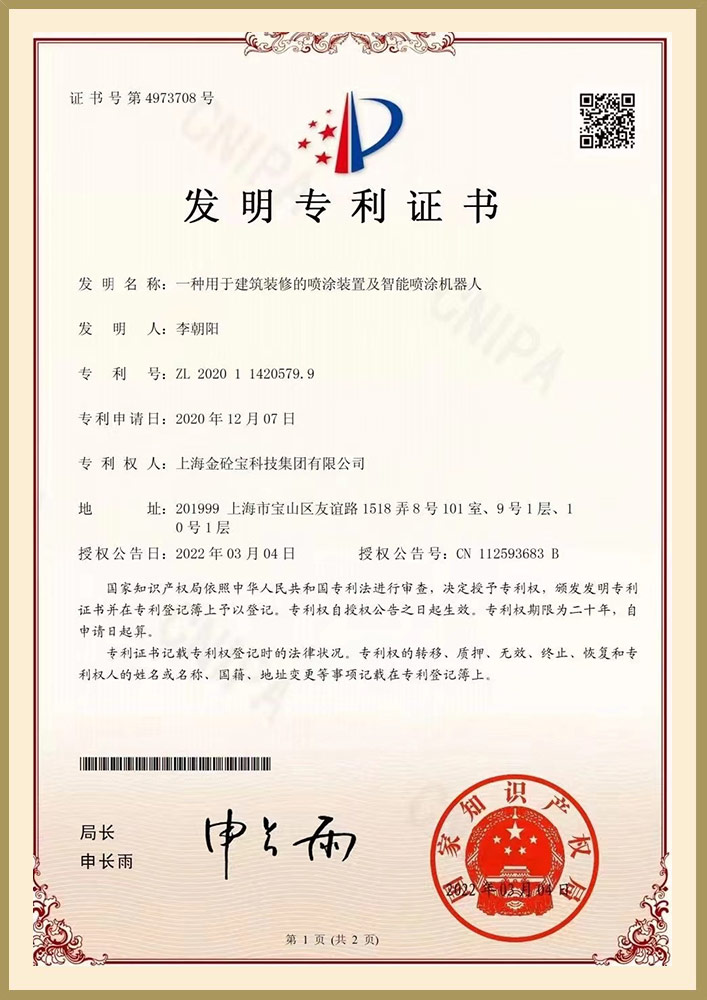
The R&D system of JTB Technology Group Co., Ltd. focuses on integrating material technology with engineering applications. Its experience in reinforcement-related fields provides a practical basis for developing solutions that consider structural conditions, construction processes, and long-term maintenance requirements.
Concrete protection decisions start from exposure conditions and structural requirements
The selection of curing compounds and sealers is closely related to how a concrete structure will be used, where it is located, and what environmental factors it will face during its service period. A bridge exposed to chloride conditions, a tunnel affected by moisture, and an urban structure undergoing renovation each require different evaluation methods.
For construction projects, the key consideration is how the material interacts with the existing concrete system, including surface characteristics, internal structure, and future maintenance conditions.


 en
en
 English
 Español