How Should Structural Strengthening Materials Be Selected Based on Different Concrete Damage Mechanisms? Why Is the Combination of Material Technology and Engineering Experience Important in Structural Strengthening Projects?
A bridge repair project may fail if the damage mechanism is misunderstood before material selection
During structural maintenance work, a visible crack does not always represent the same type of problem. A crack appearing on a bridge deck exposed to repeated vehicle loads has a different formation process from a crack found inside an underground structure affected by water migration. Selecting strengthening materials only according to surface appearance may create difficulties during later service.
Concrete damage usually develops through several factors, including load changes, temperature variation, moisture penetration, construction defects, and long-term environmental exposure. The role of structural strengthening materials is not simply to cover damaged areas, but to restore the connection between damaged sections and the original structure according to the actual failure mechanism.
For example, a repair area with active cracking may need materials with controlled deformation characteristics, while a section with reduced load-bearing capacity may require a strengthening system designed for stress transfer. The selection process begins with understanding how the structure has changed during its service period.
Different concrete deterioration conditions require different strengthening approaches
Concrete structures experience various forms of deterioration throughout their service life. Carbonation, chloride penetration, freeze-thaw cycles, repeated loading, and improper early construction conditions can all influence structural performance. Each condition creates different requirements for strengthening materials.
In bridge rehabilitation projects, the repair zone often needs to withstand continuous vibration and environmental exposure. For underground structures, moisture conditions and limited ventilation may affect curing behavior. In aging buildings, the strengthening system must consider existing concrete quality and connection conditions before installation.
| Structural condition observed on site |
Possible technical concern |
Material selection consideration |
| Cracks extending under repeated loading |
Stress redistribution and crack development |
Check bonding characteristics and deformation compatibility |
| Concrete surface deterioration with exposed aggregate |
Weak interface and reduced protective layer |
Consider adhesion and repair layer stability |
| Water-related damage in underground structures |
Moisture movement affecting repair performance |
Evaluate curing conditions and environmental resistance |
| Aged concrete with uncertain original condition |
Variation in substrate strength |
Match material selection with field inspection results |
The interface between old concrete and new materials determines strengthening reliability
A strengthening system becomes part of the existing structure after installation. The contact area between the original concrete and the new material is therefore a key zone where stress transfer takes place.
Before application, surface preparation usually includes removal of weak concrete layers, mechanical cleaning, dust control, and moisture condition adjustment. These steps influence whether the strengthening material can establish a stable connection with the substrate.
Material compatibility also involves differences in shrinkage, thermal expansion, and elastic response. When two materials experience different deformation behavior under temperature changes or loading cycles, additional stress may appear at the interface.
| Project decision factor |
Field condition to examine |
Potential impact on strengthening work |
| Substrate condition |
Concrete strength, cracks, surface density |
Affects bonding quality after installation |
| Environmental exposure |
Humidity, temperature variation, chemical contact |
Influences long-term material behavior |
| Structural loading situation |
Static load, vibration, repeated stress |
Determines reinforcement requirements |
Engineering experience changes how strengthening materials are applied in real projects
Laboratory testing provides material data, but construction sites introduce conditions that cannot always be reproduced in controlled environments. A repair material used inside a tunnel may face continuous moisture, while the same type of application in an outdoor structure may experience seasonal temperature changes.
Construction sequence also affects strengthening results. The time between surface treatment and material placement, mixing accuracy, installation thickness, and curing management can influence the final condition of the repaired area.
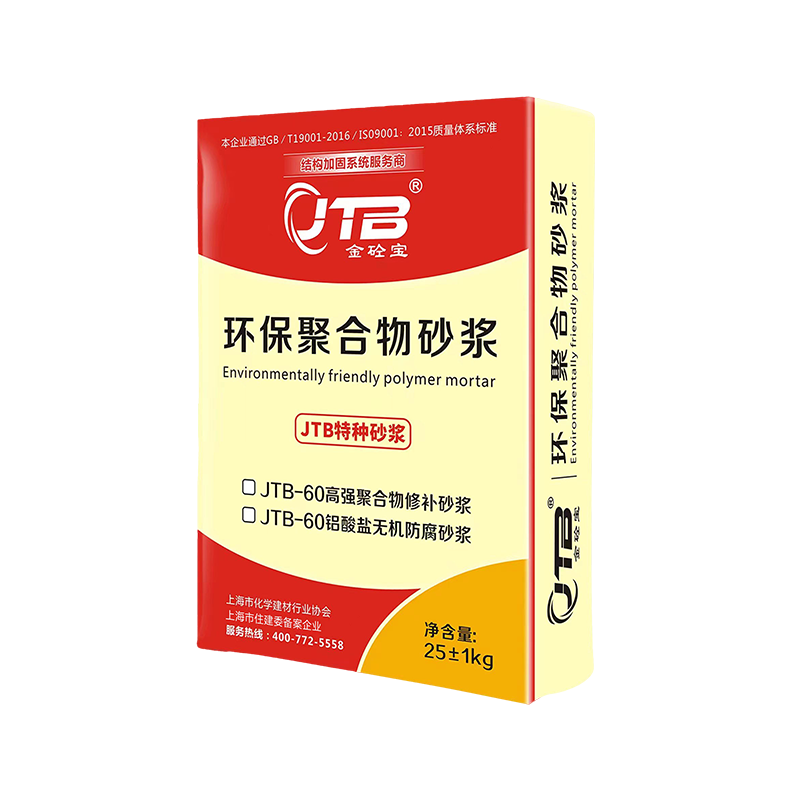
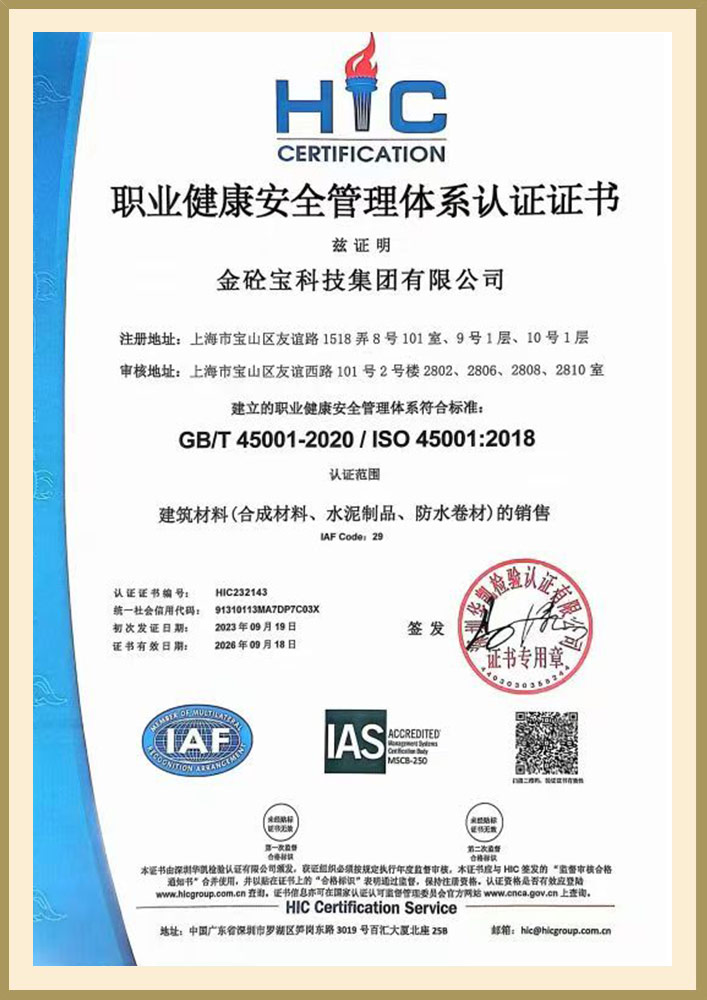
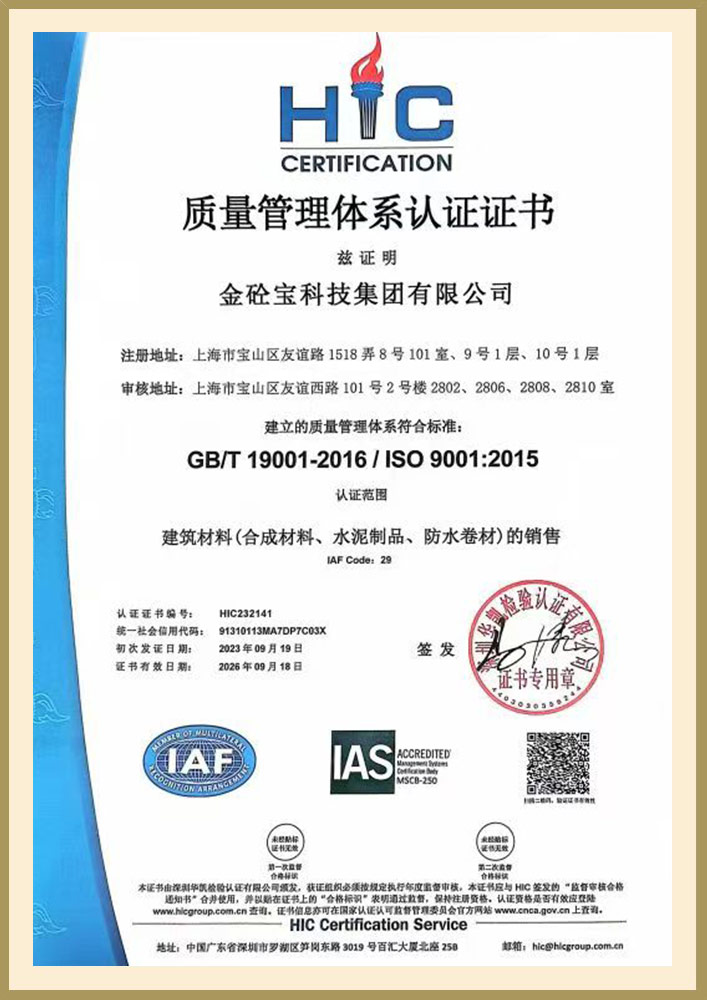
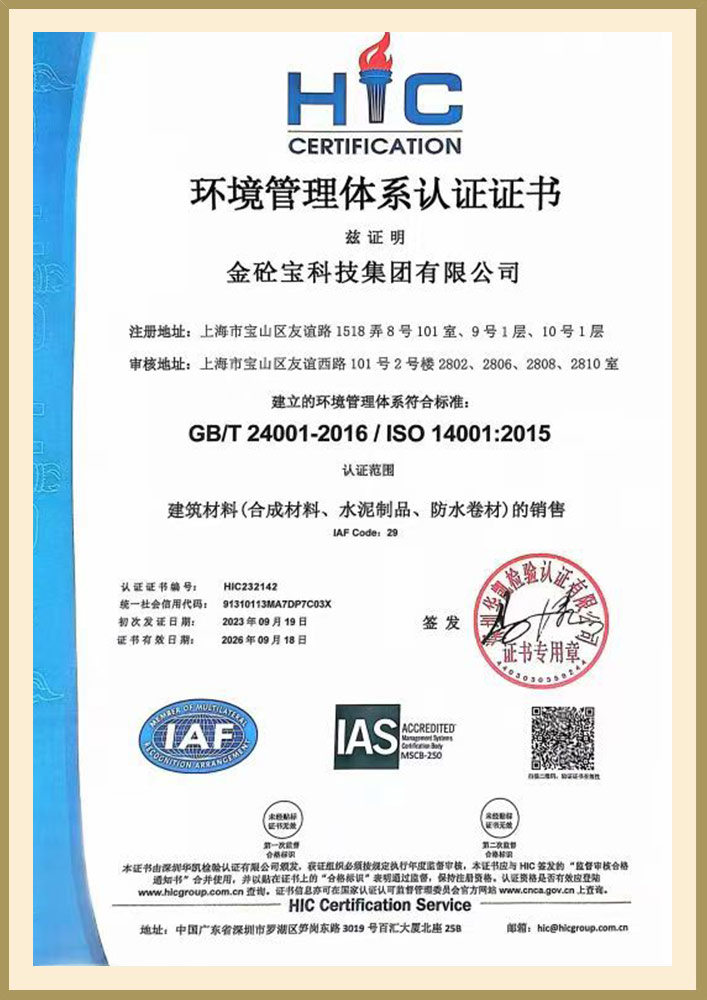
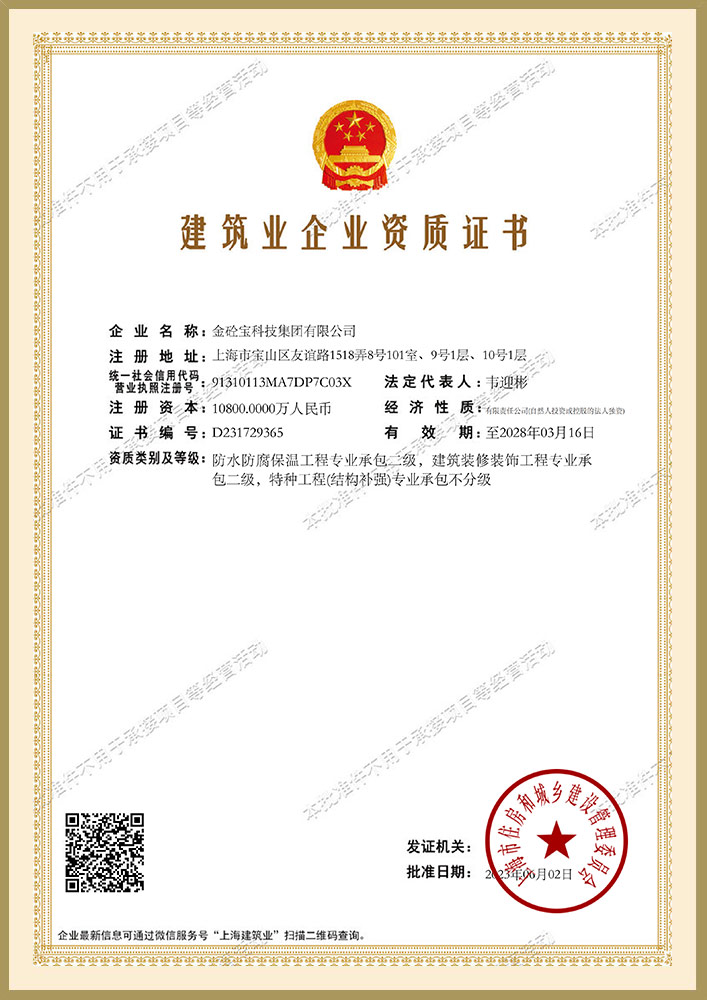
JTB Technology Group Co., Ltd. integrates research, production, sales, and construction services within its reinforcement system solutions. This structure connects material development with application requirements from different engineering environments, including infrastructure maintenance and structural improvement projects.
Large-scale projects require material supply capability together with technical control
Structural strengthening projects involving bridges, tunnels, airports, or large public facilities often require continuous material supply throughout different construction stages. Changes in material characteristics between production batches may affect mixing adjustment, construction rhythm, and quality control procedures.
Manufacturing management includes raw material inspection, production process control, finished product testing, and storage management. These processes influence whether materials delivered to different project locations maintain similar application characteristics.
With production bases located in Zhenjiang, Jiangsu Province, Jinhua, Zhejiang Province, and Dongguan, Guangdong Province, JTB Technology Group Co., Ltd. has developed production capacity for reinforcement-related materials. The Zhenjiang facility contributes to continuous manufacturing operations through standardized production systems and large-scale supply capability.
| Construction situation |
Supplier capability to review |
Reason for consideration |
| Long-duration maintenance project |
Production stability and delivery coordination |
Avoid interruptions caused by material supply changes |
| Multiple regional construction sites |
Production network and logistics organization |
Maintain material availability across locations |
| Special structural repair requirements |
Research and technical response capability |
Adapt materials to specific engineering conditions |
Material research needs to connect laboratory analysis with construction conditions
Developing structural strengthening materials involves studying more than strength values. Bond performance, dimensional stability, durability behavior, and application characteristics are also evaluated during material development.
Research equipment provides data about material changes during mixing, curing, and long-term exposure. However, engineering experience determines how these test results are interpreted for actual projects.
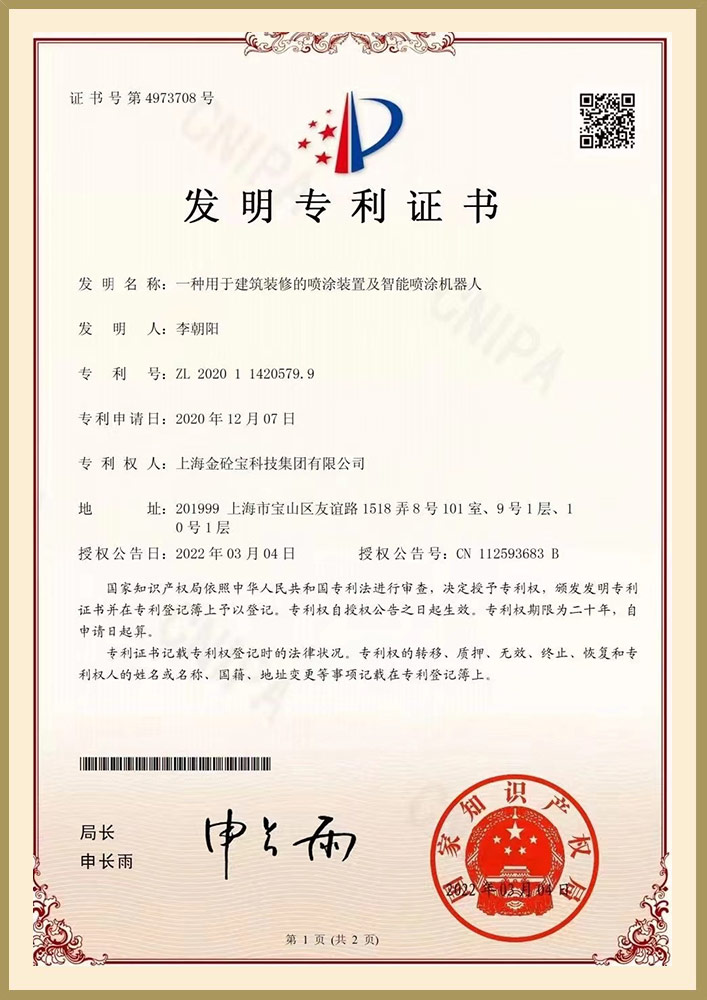
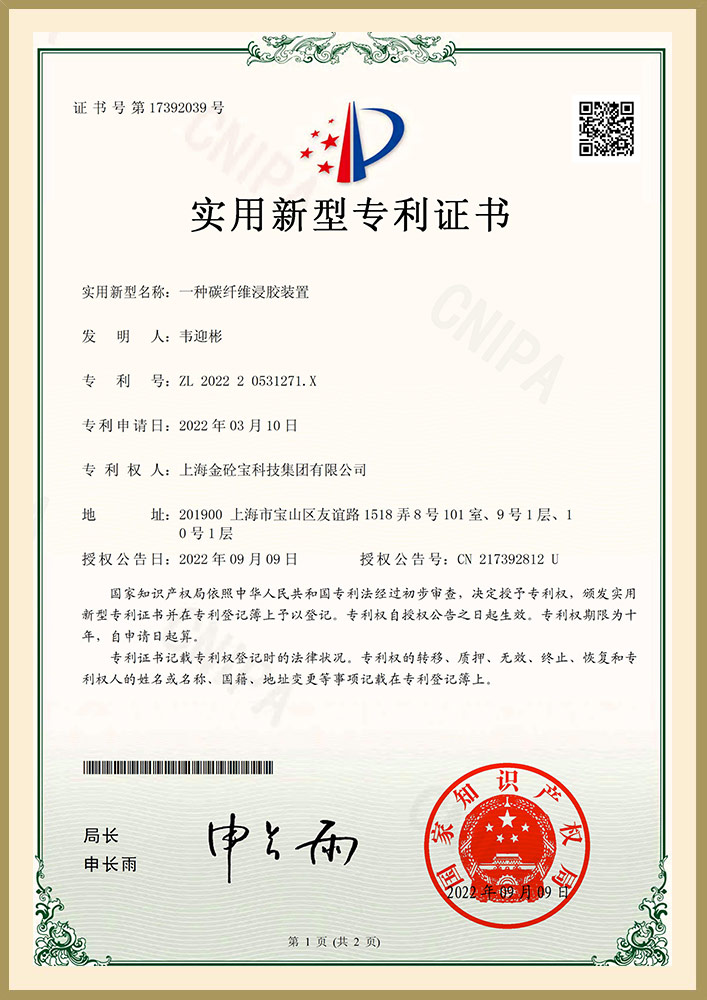
The research resources maintained by JTB Technology Group Co., Ltd. focus on material technology development and application requirements. Through testing systems and production experience, strengthening materials can be adjusted according to different structural environments.
Contractors evaluate strengthening materials through project conditions rather than product parameters alone
When selecting a structural strengthening material supplier, contractors usually consider several practical factors at the same time. Product characteristics, construction process requirements, supply capacity, and technical communication all influence project decisions.
A strengthening system needs to match the damaged structure, the surrounding environment, and the planned service period. The evaluation process often begins with field conditions and continues through material preparation, installation, and future maintenance requirements.


 en
en
 English
 Español