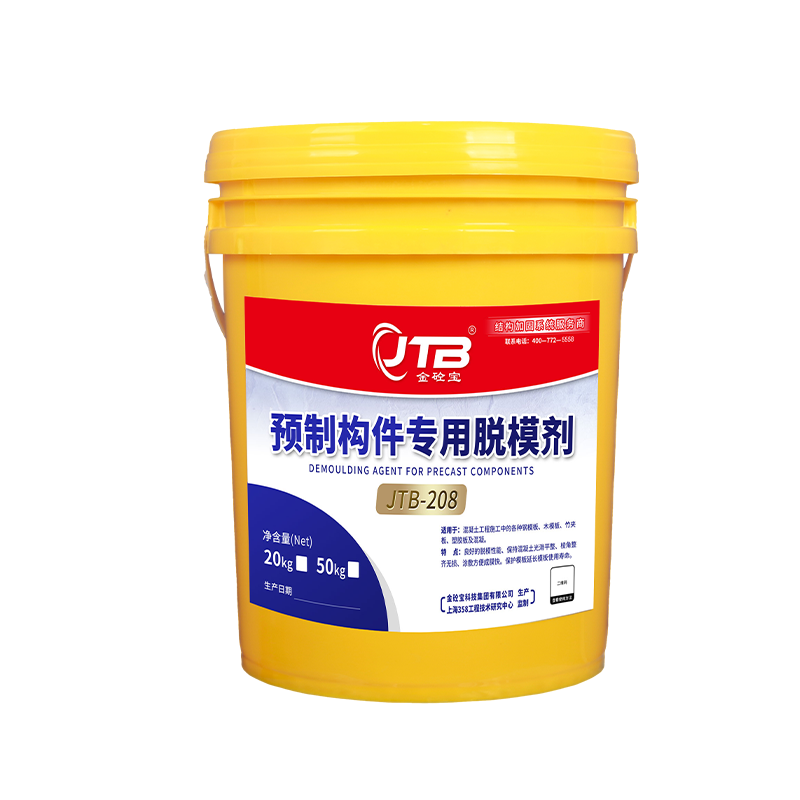
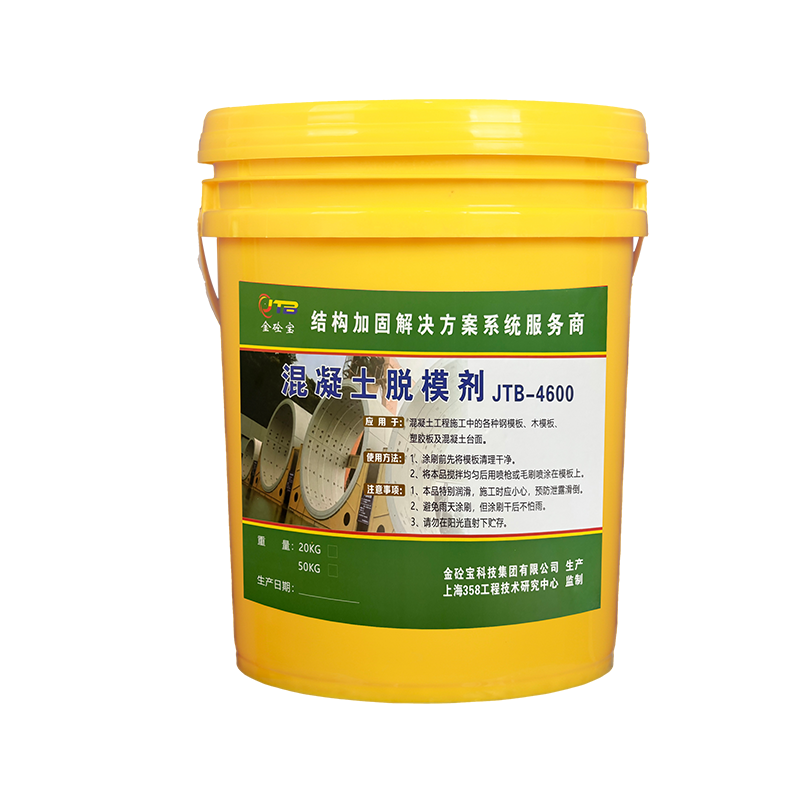
How Can Release Agent Selection Influence Concrete Surface Quality and Reduce Post-Casting Repair Work? What Technical Parameters Should Contractors Examine When Choosing a Concrete Formwork Release Agent Supplier?
A demolding problem can often be traced back to the interface between concrete and formwork
In a highway bridge project, the removal of formwork is usually considered a routine construction step, but the condition of the exposed concrete surface can affect later finishing work, inspection procedures, and maintenance planning. Surface marks, localized bonding, uneven texture, or small areas requiring repair may appear when the separation process between concrete and formwork is not properly controlled.
The release agent applied before concrete placement creates an interface layer between the mold surface and fresh concrete. Its role is related to more than preventing adhesion. The formulation influences lubrication behavior, spreading uniformity, residue formation, and the interaction between the formwork surface and cement hydration process. When the interface condition changes, the appearance and repair workload of the finished structure may also change.
For infrastructure projects including bridge components, tunnel lining structures, airport facilities, and urban renewal construction, contractors usually pay attention to reducing unnecessary surface treatment after casting. The selection process requires consideration of concrete composition, formwork condition, environmental exposure, application method, and supplier production control.
Concrete composition changes the requirements for release agent compatibility
Concrete mixtures used in different projects are rarely identical. Variations in cement content, mineral additions, water-binder ratio, aggregate grading, and chemical additives influence hydration speed, moisture movement, and surface formation. A release agent suitable for one mixture may require adjustment when applied to another concrete system.
For example, high-flow concrete used in complex structural sections may remain in close contact with the formwork surface for a longer period because of its fluid characteristics. In this situation, the release film needs to maintain stable distribution without excessive accumulation. For low water-binder ratio concrete, the hydration environment and surface density can create different requirements for interface control.
| Concrete application condition |
Material interaction concern |
Release agent evaluation direction |
| High-flow structural concrete |
Longer contact period with formwork surface |
Check film stability and spreading behavior |
| Dense concrete with low water content |
Different moisture migration during curing |
Consider compatibility with surface formation process |
| Large-volume concrete casting |
Continuous operation and repeated application |
Maintain consistent performance during extended use |
| Precast component production |
Frequent formwork turnover |
Balance demolding efficiency and mold protection |
Formwork surface conditions influence the behavior of release materials during construction
The same release agent may behave differently on steel formwork, coated panels, or reusable molds because each surface has different roughness, absorption characteristics, and cleaning requirements. Construction teams need to understand the relationship between the release film and the formwork surface before large-scale application.
In bridge pier construction, steel formwork is often reused through multiple casting cycles. If the release material leaves excessive residue, cleaning frequency may increase and affect the preparation of following casting sections. If the applied layer is insufficient, local adhesion may occur and create additional repair work after demolding.
Tunnel lining projects provide another example. Large continuous casting areas require stable application methods because uneven release agent distribution may create differences between sections. Factors such as spraying equipment condition, surface preparation, and construction environment become part of the material performance assessment.
| Construction situation |
Potential issue |
Supplier support requirement |
| Bridge structure casting |
Repeated mold usage and surface consistency |
Provide application guidance for different cycles |
| Tunnel lining construction |
Large-area coating uniformity |
Support field adjustment according to conditions |
| Urban infrastructure renovation |
Changing site environments |
Provide adaptable material solutions |
Release agent formulation affects the amount of post-casting surface treatment
A concrete formwork release agent formulation involves several technical factors, including viscosity control, spreading characteristics, evaporation behavior, lubrication properties, and compatibility with cement-based materials. These factors determine how evenly the material forms a protective separation layer before concrete placement.
Surface repair requirements after demolding are usually caused by multiple construction factors rather than one isolated reason. Improper release agent dosage, unsuitable application methods, contaminated formwork, temperature variation, and concrete mix characteristics may interact during the casting process.
From an engineering perspective, the release agent should be considered as part of the concrete construction system. Material selection needs to match the actual working environment instead of relying only on laboratory test data.
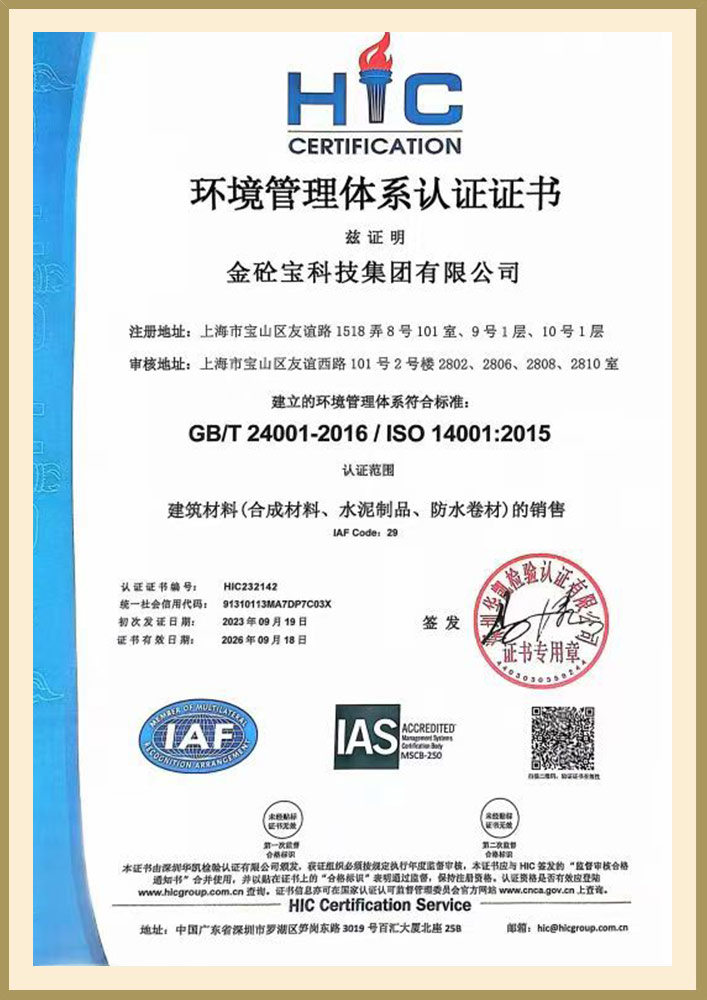
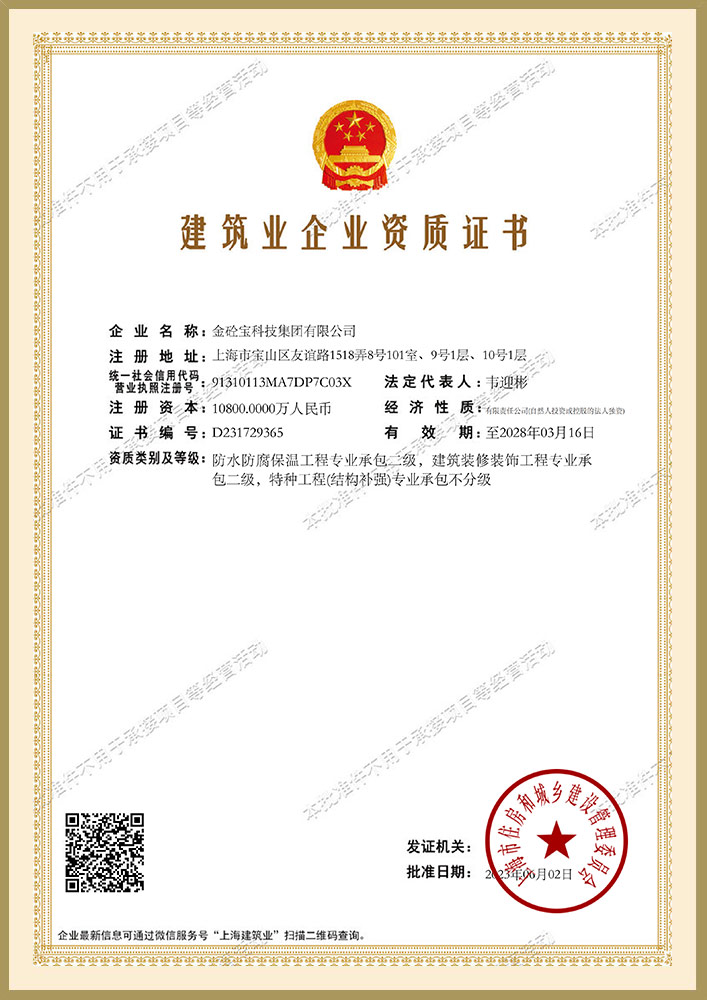
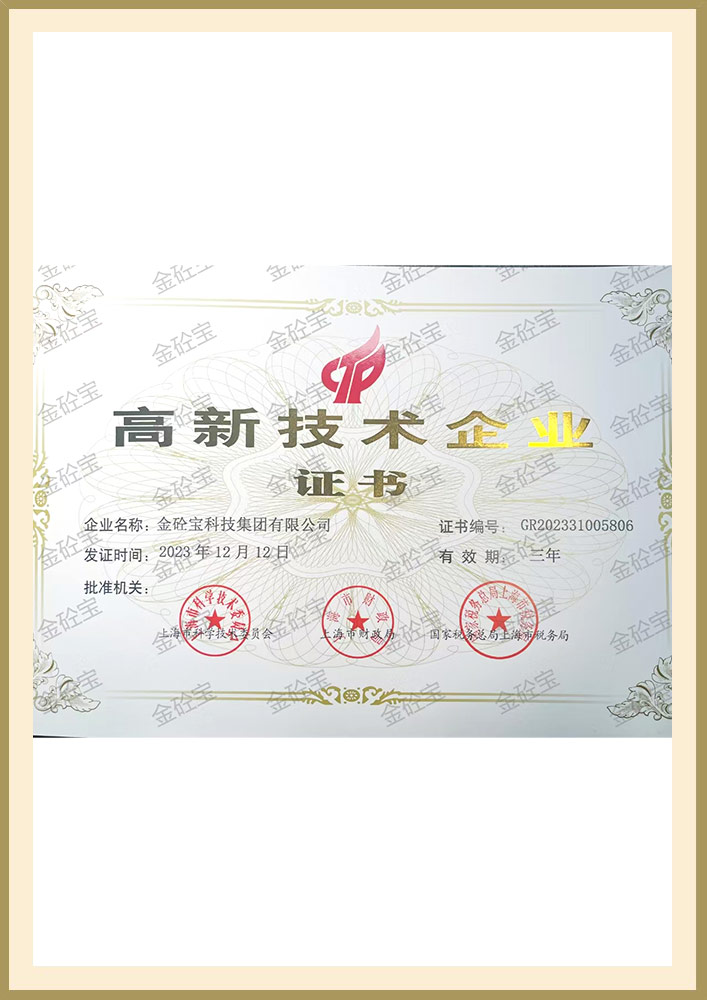
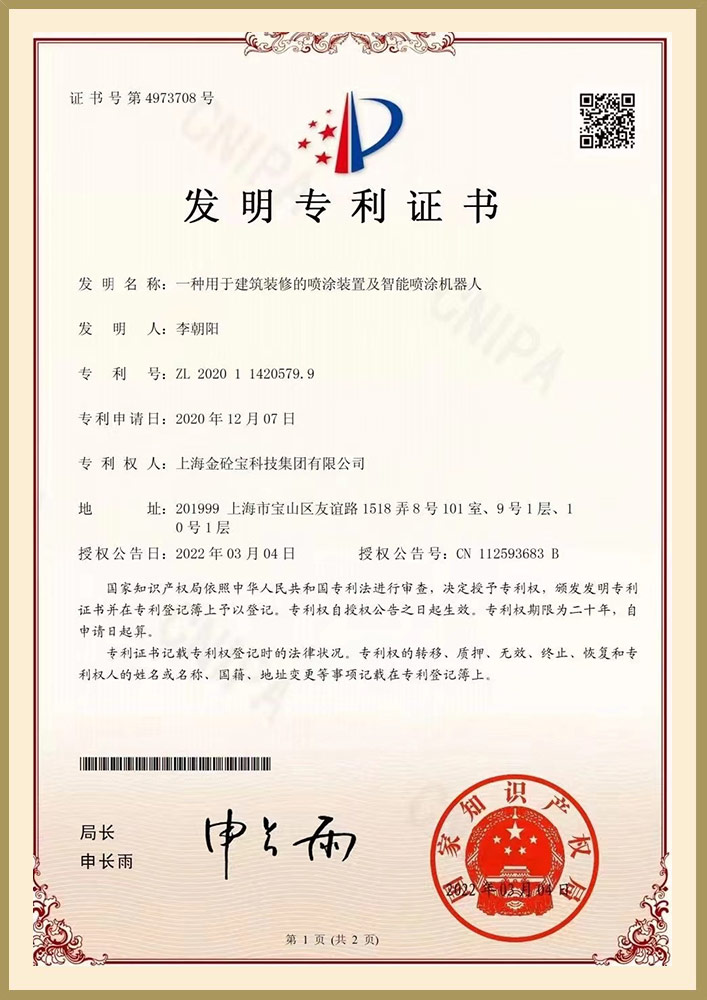
JTB Technology Group Co., Ltd. integrates research, production, sales, and construction services within its reinforcement system solution development. This working structure provides experience in connecting material characteristics with practical requirements from infrastructure projects.
Technical parameters contractors should examine when selecting a release agent supplier
When choosing a concrete formwork release agent supplier, contractors often need to look beyond basic product descriptions. The supplier's ability to control raw materials, maintain production consistency, provide technical communication, and support different application conditions can influence project execution.
For large construction programs, material supply stability is closely connected with schedule control. A release agent used across multiple construction sections needs consistent characteristics to reduce differences caused by production variation. Quality management procedures, testing systems, and manufacturing capability become important evaluation factors.
| Evaluation area |
Technical concern |
Construction impact |
| Raw material management |
Control of material source and formulation stability |
Helps maintain similar product behavior between batches |
| Production process control |
Accuracy of mixing and manufacturing procedures |
Supports stable application results during continuous supply |
| Testing capability |
Verification of physical and application characteristics |
Provides reference for project selection |
| Technical service experience |
Understanding of field conditions |
Assists with application adjustments during construction |
Manufacturing capacity supports supply reliability for large infrastructure projects
Concrete construction projects involving bridges, tunnels, airports, and industrial facilities often require materials to be supplied continuously according to construction schedules. Production capacity and manufacturing organization influence whether a supplier can support different project scales.
JTB Technology Group Co., Ltd. has established production bases in Zhenjiang, Jiangsu Province, Jinhua, Zhejiang Province, and Dongguan, Guangdong Province, with a total production capacity exceeding 1,000,000 tons. The production network includes standardized facilities designed for continuous manufacturing and large-volume supply requirements.
The Zhenjiang facility plays an important role within this production system. Through standardized production procedures and manufacturing management, the facility supports material supply for various construction applications and helps respond to project demand changes.
Research capability connects material development with field construction requirements
Release agent development requires attention to both laboratory evaluation and construction application. Test conditions can examine properties such as spreading performance, storage stability, and interface behavior, while field application introduces additional variables including humidity, temperature, spraying method, and formwork condition.
A supplier with experience across different infrastructure environments can use construction feedback to improve material design and application methods. JTB Technology Group Co., Ltd. has developed services covering urban renewal, bridge and tunnel projects, waterproofing applications, and other infrastructure fields, allowing material solutions to be connected with practical engineering conditions.
Contractors selecting a concrete formwork release agent supplier generally need to examine formulation technology, production management, technical support capability, and experience in real construction environments. These factors influence how the release material performs from initial application through concrete demolding and later surface maintenance stages.


 en
en
 English
 Español