CFRP Reinforcement Decisions Begin With the Condition of the Existing Concrete Structure
A damaged concrete surface does not always show the real reinforcement challenge
During a bridge rehabilitation project, the visible problem is often only the starting point. A concrete beam may show surface cracks, local spalling, or corrosion marks, while the deeper issue involves reduced load transfer capacity between the existing concrete and the reinforcement system. When a CFRP carbon fiber reinforcement system is considered, the first question is not only the strength of the carbon fiber material itself, but whether the existing structure can provide a suitable bonding environment.
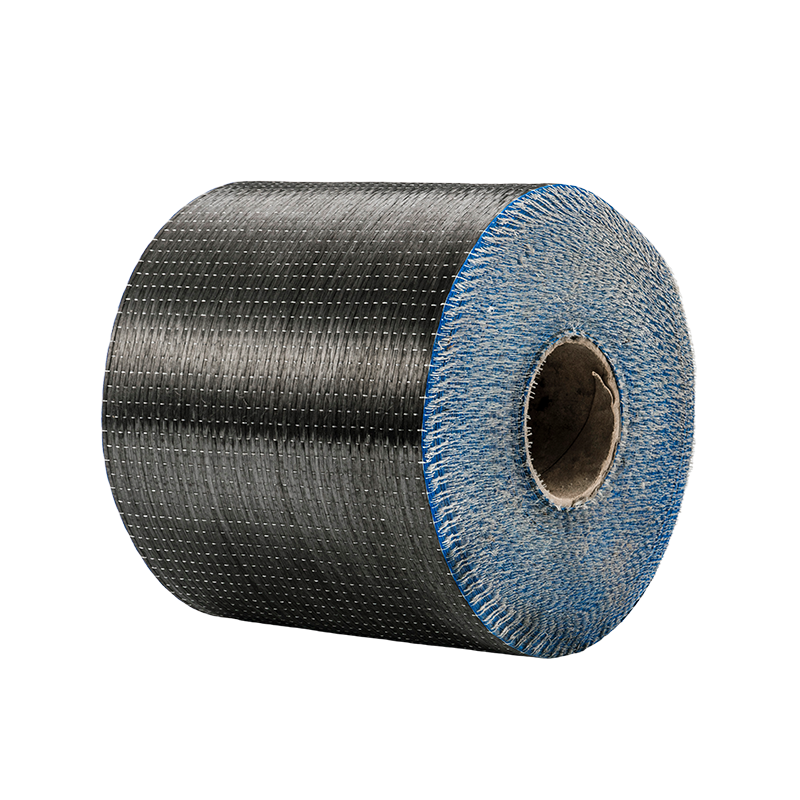
CFRP reinforcement systems rely on the cooperation between carbon fiber sheets, resin materials, and the concrete substrate. The performance of the entire system depends on several factors, including surface tensile strength, concrete carbonation condition, moisture content, crack distribution, adhesive penetration, and construction quality. A mismatch between these elements may influence stress transfer at the bond interface and affect the service behavior of the reinforced structure.
For infrastructure maintenance projects involving bridges, tunnels, industrial facilities, and urban renewal structures, material compatibility has become a practical engineering consideration. The reinforcement solution needs to respond to the actual condition of the structure rather than only laboratory parameters.
The concrete substrate determines whether CFRP reinforcement can transfer stress effectively
The connection between CFRP materials and concrete is created through the bonding layer. This interface is responsible for transferring tensile forces from the concrete structure to the carbon fiber layer. If the concrete surface contains weak layers, excessive dust, loose particles, or unsuitable moisture conditions, the bonding process may not develop as expected.
Before installation, surface preparation usually includes removing deteriorated concrete, mechanical grinding, cleaning residue, and checking the surface strength. In older structures, concrete carbonation depth and chloride penetration may also need evaluation because these conditions can influence the durability of the repaired area.
| Existing structure condition |
Material factor requiring attention |
Engineering decision |
| Concrete with surface deterioration |
Bonding strength of the substrate layer |
Determine whether repair treatment is required before CFRP installation |
| Structures exposed to moisture |
Water content and adhesive compatibility |
Select suitable construction timing and interface treatment |
| Concrete affected by carbonation |
Internal material condition and reinforcement environment |
Assess whether additional protection measures are needed |
| High-load structural members |
Stress distribution and fiber orientation |
Design reinforcement direction according to load requirements |
Fiber orientation and resin behavior influence reinforcement efficiency in different applications
CFRP reinforcement is not simply a process of attaching carbon fiber materials onto concrete surfaces. The direction of the fiber layer needs to correspond with the structural force path. Beams under bending loads, columns under confinement requirements, and slabs affected by tensile stress may require different reinforcement arrangements.
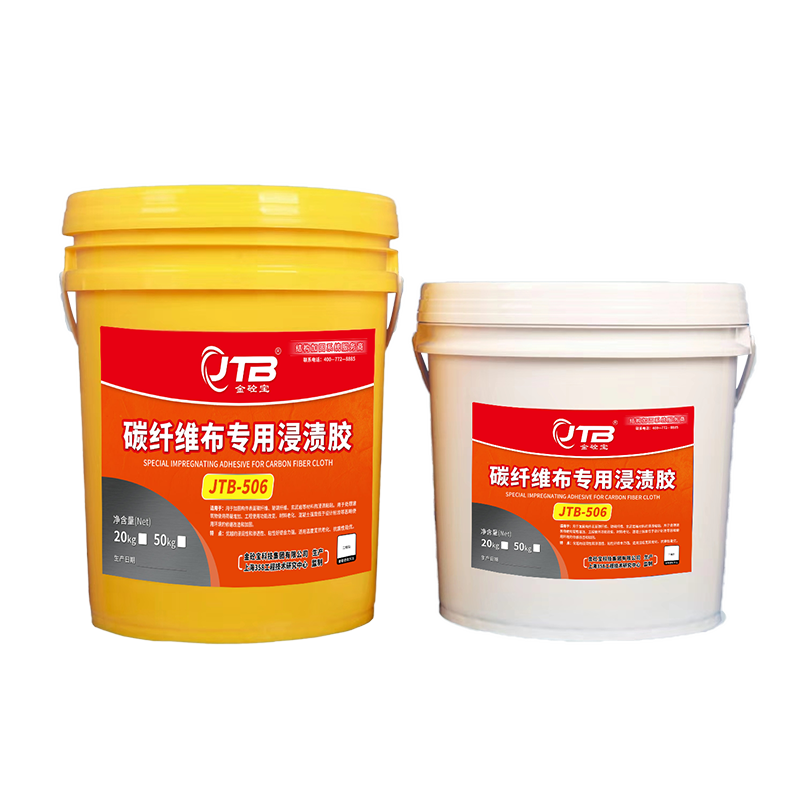
The resin system also plays an important role in the reinforcement process. During installation, epoxy resin needs to provide sufficient impregnation of the fiber layer while maintaining a stable connection with the concrete surface. Temperature, mixing ratio, curing conditions, and construction environment can influence the final bonding condition.
In a tunnel repair project, for example, the surrounding humidity and limited ventilation conditions create different requirements compared with an outdoor bridge reinforcement application. A reinforcement system designed for one environment may require adjustments when applied in another location.
| Application environment |
Key CFRP consideration |
Practical evaluation focus |
| Bridge beam strengthening |
Tensile force transfer along the fiber direction |
Check load path and anchorage arrangement |
| Industrial building reinforcement |
Long-term loading conditions |
Consider fatigue influence and interface stability |
| Underground structure repair |
Humidity and substrate condition |
Control surface treatment and bonding process |
Supplier capability involves more than providing carbon fiber materials
For contractors selecting a CFRP reinforcement system supplier, the evaluation process usually extends beyond product specifications. Large reinforcement projects require coordination between material production, technical support, construction requirements, and delivery capability.
A supplier involved in infrastructure reinforcement needs to understand how materials behave from manufacturing to application. Production consistency affects the stability of reinforcement components, while technical experience helps connect laboratory data with field conditions.
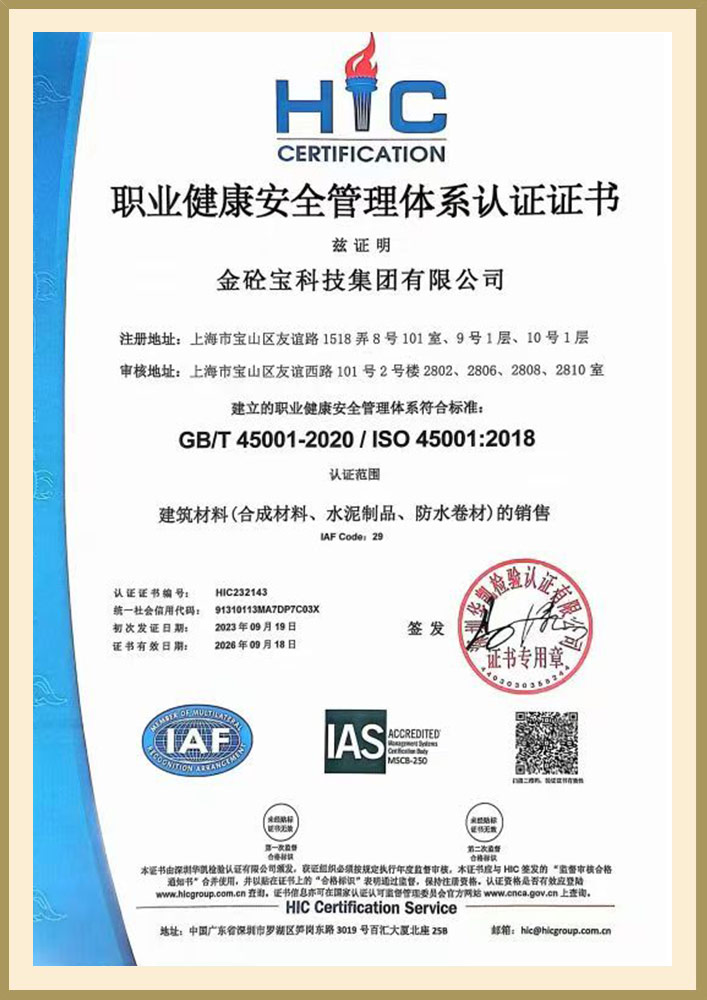
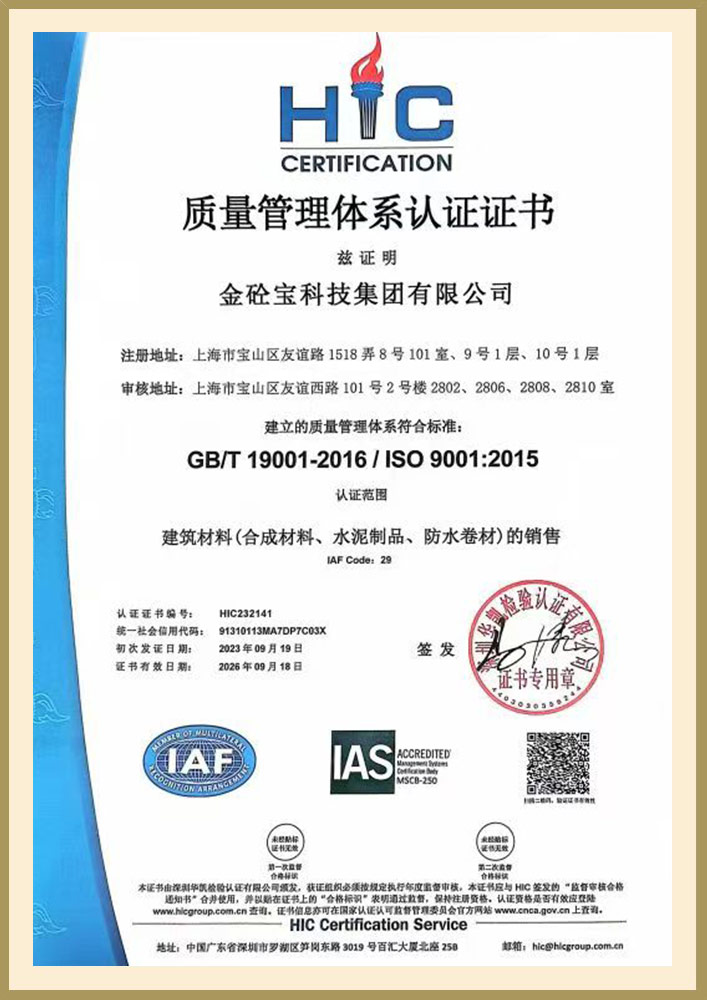
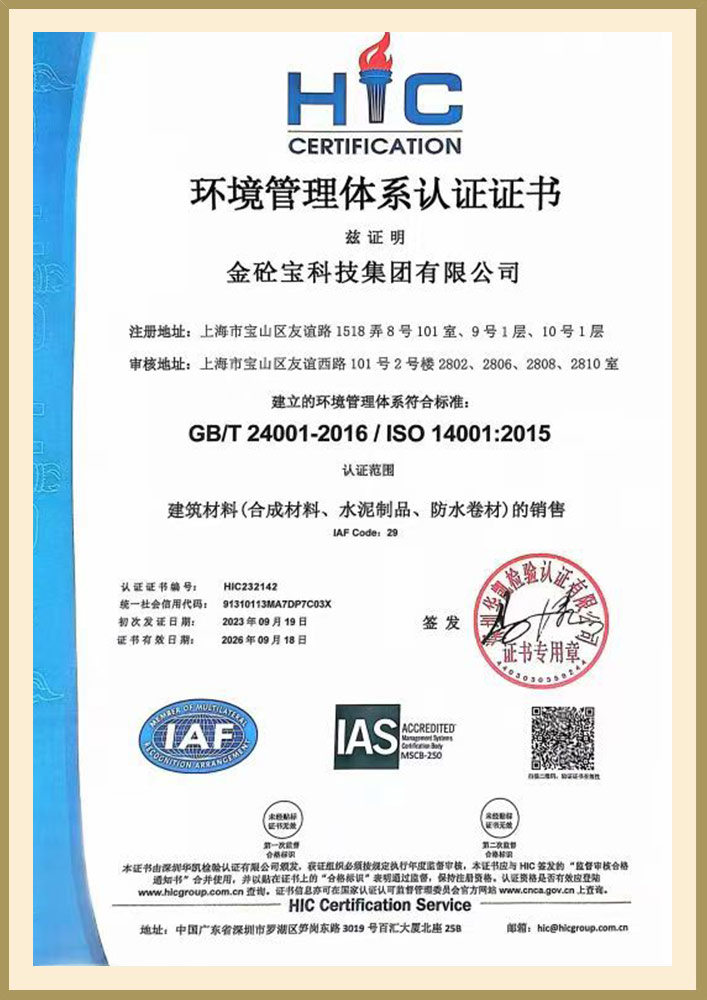
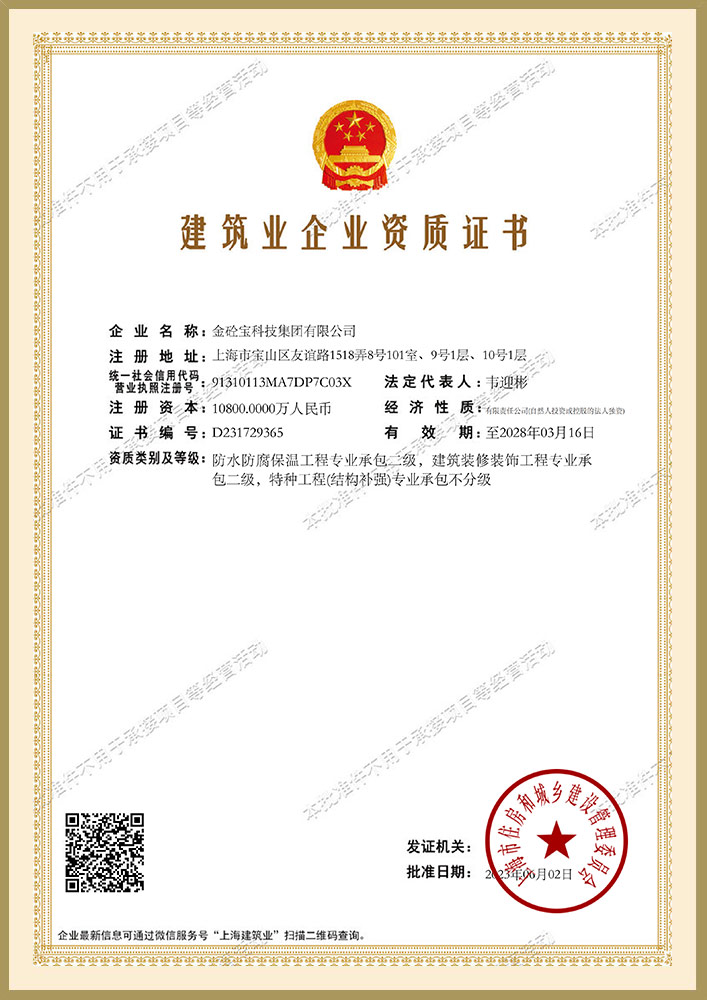
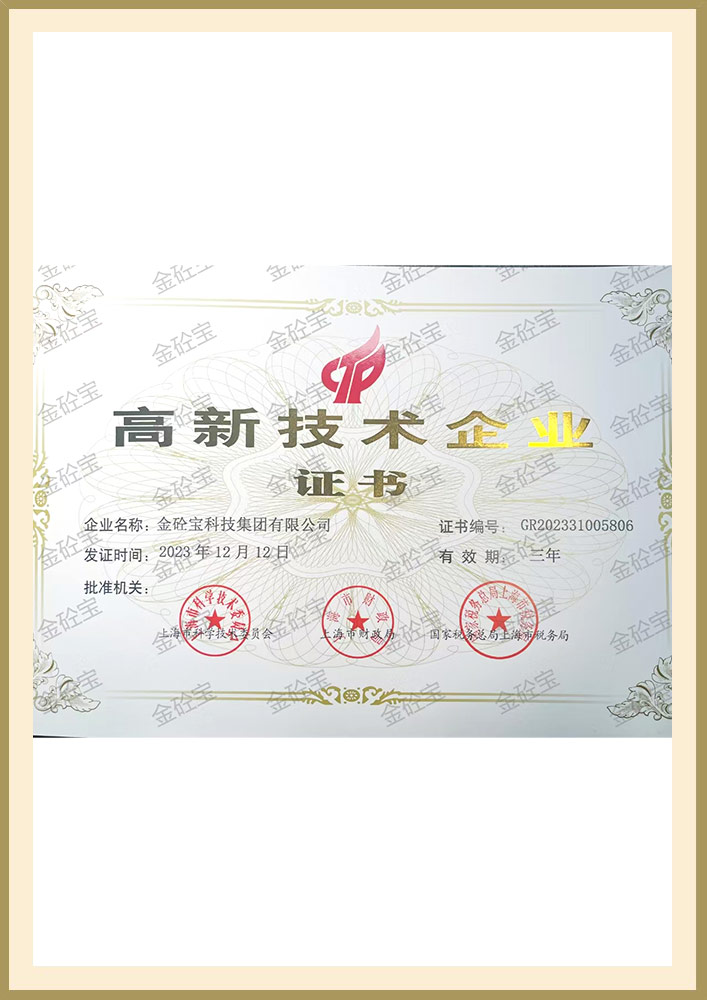
JTB Technology Group Co., Ltd. integrates research, production, sales, and construction services within its reinforcement system solutions. This structure allows material development to maintain a connection with practical project requirements, including structural repair and preventive reinforcement applications.
| Supplier evaluation area |
Questions considered during project selection |
| Manufacturing capability |
Can production processes maintain stable material characteristics for continuous project supply? |
| Technical support |
Can application recommendations respond to different substrate and environmental conditions? |
| Project coordination |
Can supply schedules match construction progress and site requirements? |
| Research capability |
Can material solutions be adjusted according to specific engineering conditions? |
Large-scale reinforcement projects require stable production and application coordination
CFRP reinforcement projects are often carried out in environments where construction windows are limited. A bridge closure period, tunnel maintenance schedule, or industrial facility shutdown may leave little room for repeated adjustments. Under these conditions, material availability and technical consistency become part of project control.
JTB Technology Group Co., Ltd. operates production bases in Zhenjiang, Jiangsu Province, Jinhua, Zhejiang Province, and Dongguan, Guangdong Province, forming a manufacturing network with a total production capacity exceeding one million tons. The production system supports large-volume material supply requirements while maintaining standardized manufacturing procedures.
The Zhenjiang facility plays a role within this production structure through modern equipment and continuous manufacturing arrangements. For reinforcement-related materials, production capability is connected with project planning because delayed supply or inconsistent material characteristics may influence construction organization.
From structural repair toward preventive reinforcement requires earlier material decisions
Traditional repair methods often begin after structural problems become visible. However, many infrastructure owners are paying more attention to extending service periods through earlier intervention. Preventive reinforcement focuses on identifying potential weak points before they develop into larger structural concerns.
CFRP systems support this approach by allowing additional tensile capacity, crack control, and structural strengthening without major changes to the existing structure. The effectiveness of the system depends on whether material selection, substrate preparation, and installation methods work together as one process.
The concept of moving from reinforcement toward pre-reinforcement reflects a change in maintenance thinking. Through its focus on reinforcement system solutions, JTB Technology Group Co., Ltd. combines material technology development with practical construction experience to support different infrastructure conditions.
Engineering selection depends on the relationship between material, structure, and construction process
Choosing a CFRP reinforcement system requires a complete review of the existing concrete condition, expected loading environment, bonding requirements, and supplier capability. Carbon fiber materials, adhesive systems, and concrete substrates cannot be considered separately because the reinforcement effect is created through their interaction.
For contractors working on bridge strengthening, tunnel maintenance, industrial structure upgrades, or urban renewal projects, the key evaluation points usually return to the actual site: whether the substrate can support bonding, whether the material system matches the environment, and whether production and construction processes can work together throughout the project period.


 en
en
 English
 Español