Why Does Manufacturing Consistency Matter for Large Industrial Floor Repair Projects and Why Is Volume Stability Important for Long-Term Industrial Floor Repair Performance?
A Repair Project Often Fails Before the Material Reaches the Floor
In many industrial facilities, floor damage becomes visible only after repeated loading has already affected the concrete structure. A forklift route may develop surface deterioration after years of wheel pressure, a production area may show localized cracking around equipment zones, or a warehouse floor may lose its original flatness because of gradual settlement beneath the concrete layer. At this stage, selecting an industrial floor repair mortar is not only a matter of filling damaged areas. The repair material must work together with the existing concrete system and maintain stable performance under continuous operational conditions.
Large industrial repair projects usually involve hundreds or thousands of square meters of working areas. Unlike small repair tasks, these projects require consistent material behavior during mixing, placement, and curing. Variations between production batches can affect flow characteristics, setting time, strength development, and interface bonding. For this reason, manufacturing consistency becomes an important consideration when choosing a repair mortar supplier for large-scale applications.
| Industrial repair situation |
Main engineering concern |
Material selection consideration |
| Heavy forklift traffic zones |
Repeated mechanical impact and surface abrasion |
Wear resistance, compressive strength development, and bonding performance |
| Equipment surrounding areas |
Dynamic vibration and concentrated loading |
Volume stability and compatibility with existing concrete |
| Large warehouse floor rehabilitation |
Consistent performance across extensive repair areas |
Batch stability and predictable construction behavior |
| Old factory renovation projects |
Unknown substrate conditions and aging concrete |
Adaptability, adhesion capability, and shrinkage control |
Manufacturing Consistency Controls the Reliability of Field Application
Industrial floor repair mortar is produced through a combination of cementitious materials, graded aggregates, mineral components, and functional additives. The balance between these components affects how the material behaves after mixing with water. Small variations in particle distribution, additive dosage, or raw material characteristics may influence workability and hardened properties.
For large repair projects, construction teams normally expect the material supplied at different stages of the project to maintain similar characteristics. If the first batch has different flow behavior from later batches, it may create differences in placement quality, surface finish, or curing response. This issue becomes more important when repair areas are connected and need to maintain similar mechanical behavior after completion.
Production control involves more than final product inspection. Raw material management, mixing procedures, production equipment control, and laboratory testing all contribute to maintaining stable material performance. A standardized manufacturing process allows repair materials to provide more predictable results during field application.
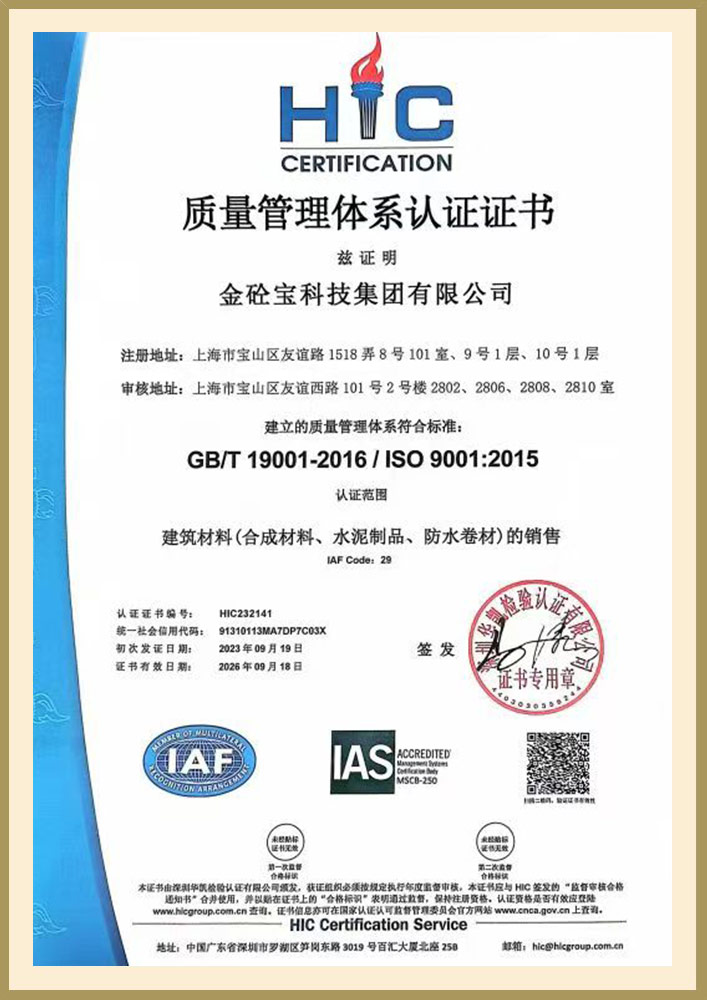
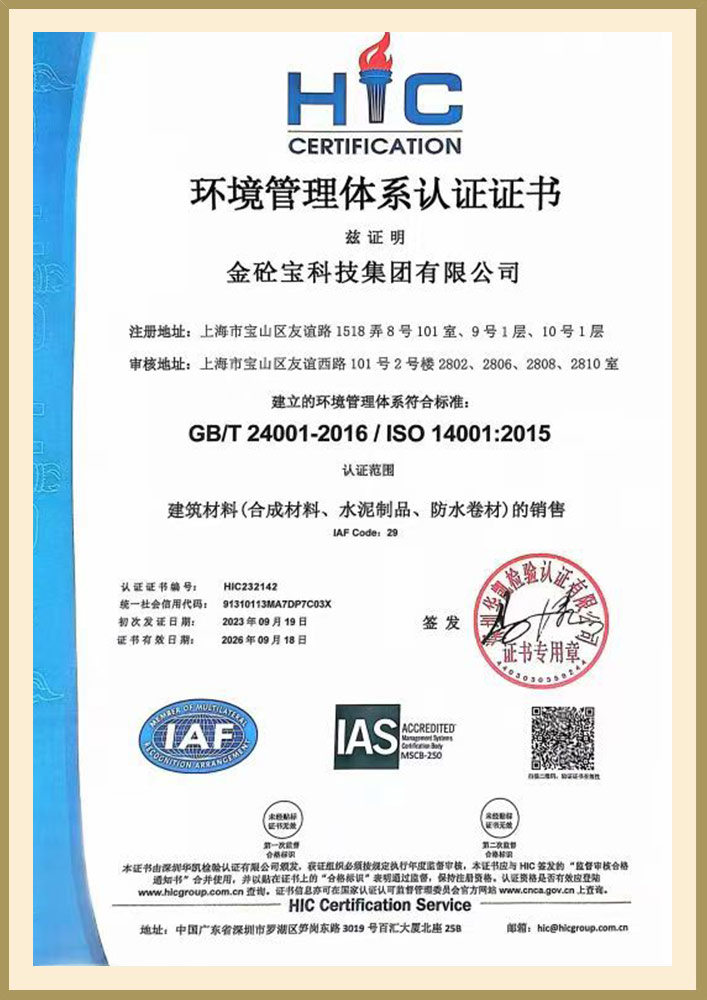
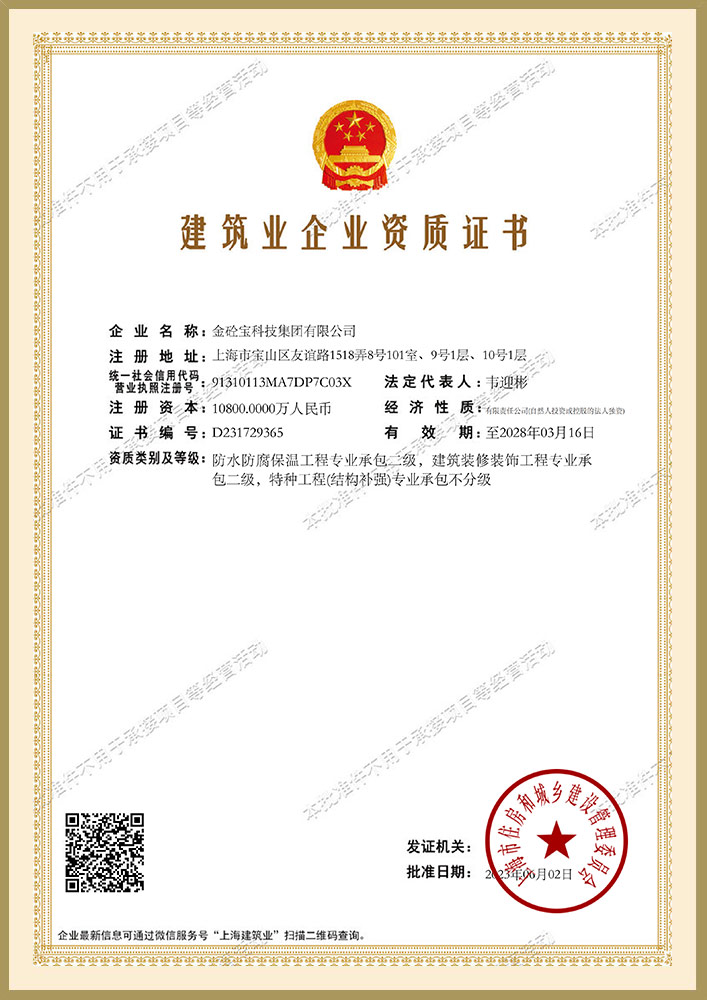
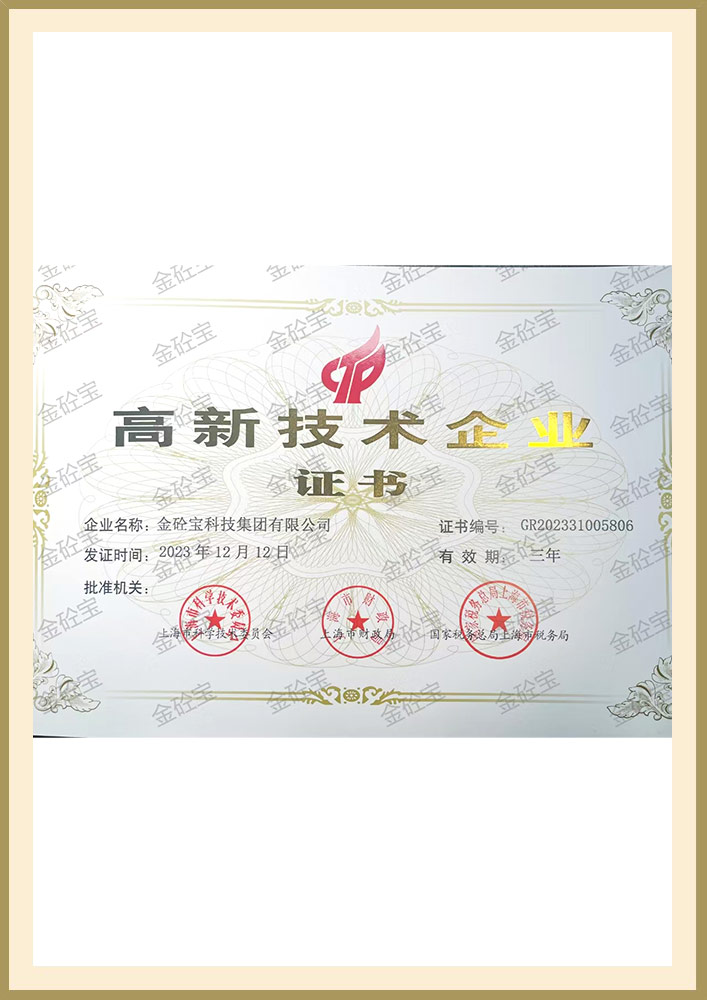
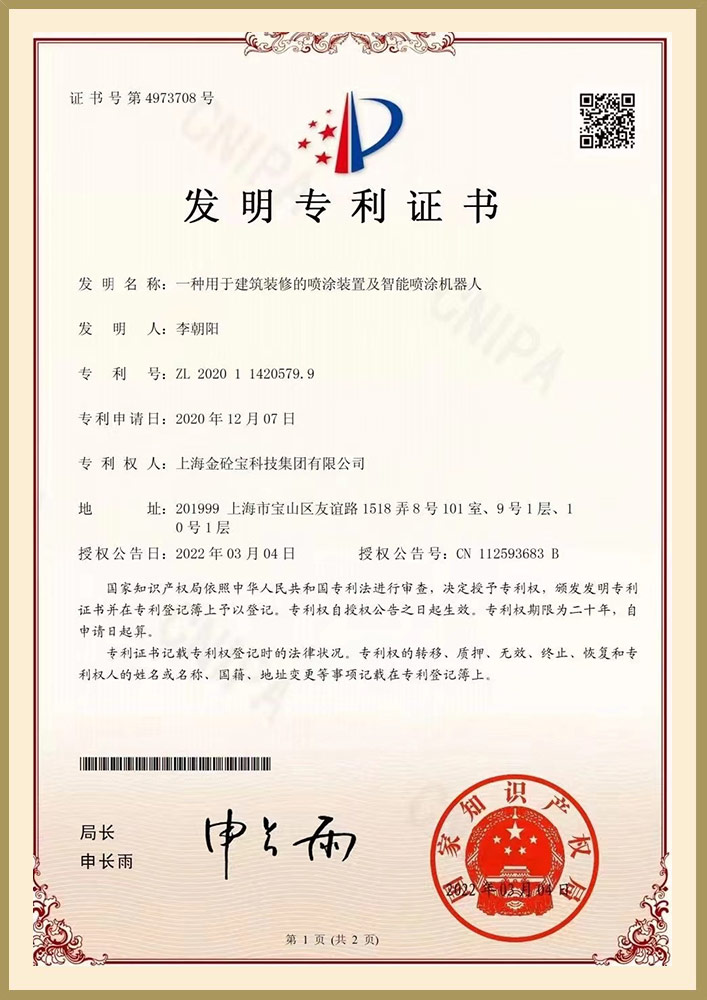
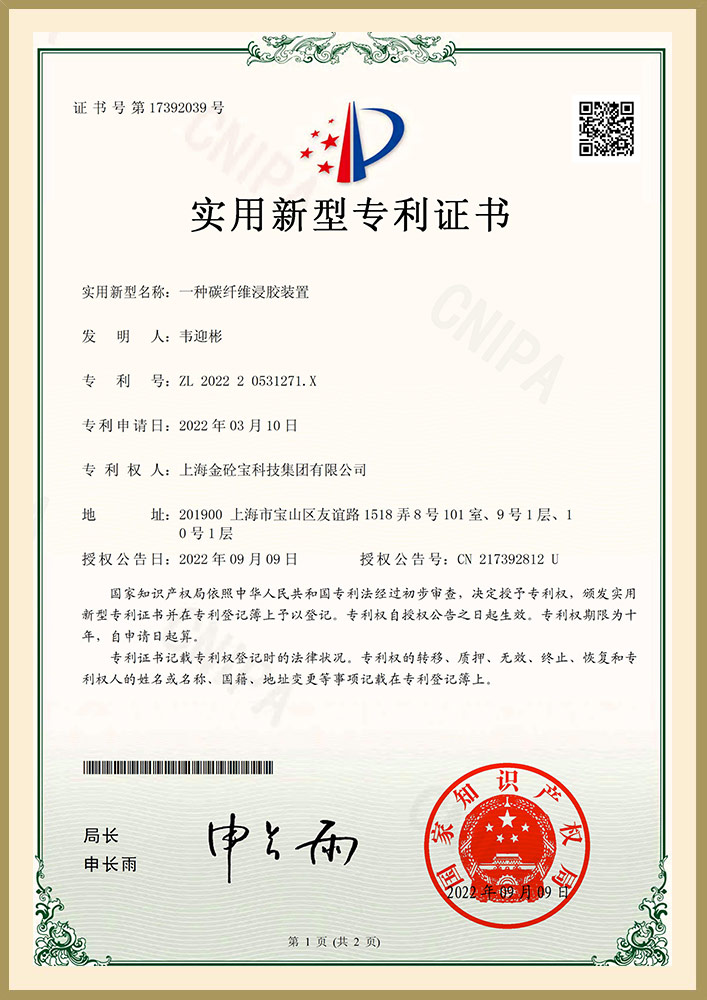
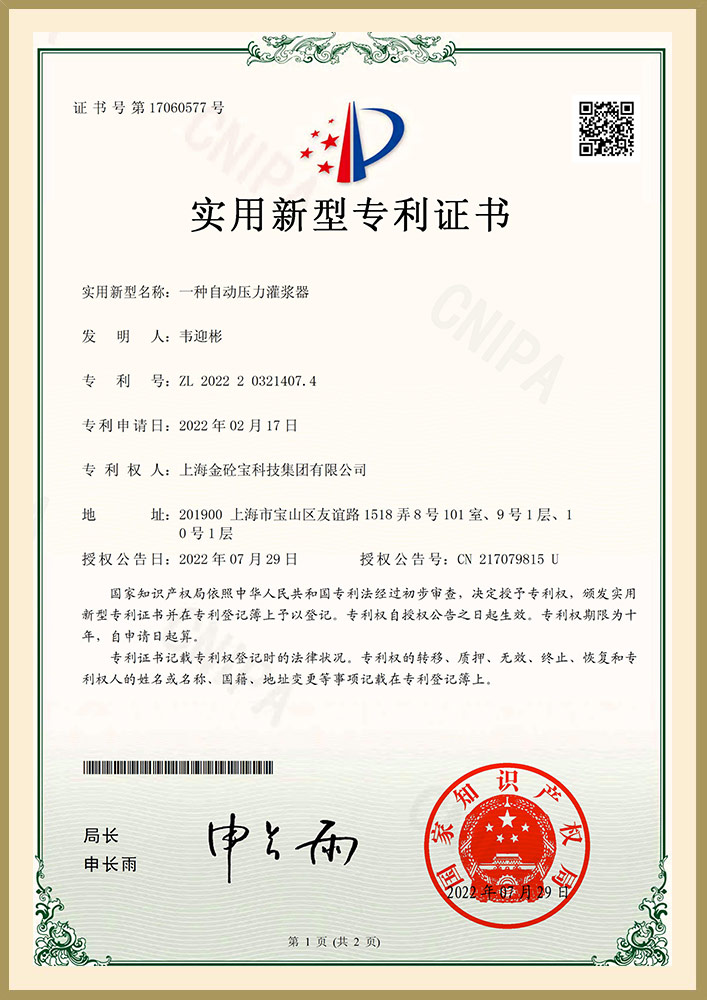
With multiple production bases and integrated capabilities covering research, manufacturing, sales, and construction services, JTB Technology Group Co., Ltd. focuses on connecting material development with practical engineering requirements. Its production system includes facilities in Zhenjiang, Jiangsu Province, Jinhua, Zhejiang Province, and Dongguan, Guangdong Province, supporting different project supply requirements through coordinated manufacturing arrangements.
Volume Stability Determines Whether the Repair Layer Remains Connected
For industrial floor repair, strength is only one part of long-term performance. A repair mortar may achieve the required strength value, but if excessive shrinkage occurs during drying and curing, internal stress can develop between the repair layer and the original concrete surface.
Volume stability refers to the ability of the hardened material to maintain its dimensions after placement. In practical applications, stable volume behavior helps reduce problems such as interface separation, edge cracking, and loss of contact between the repair layer and the substrate.
This factor is particularly important in areas exposed to repeated loads. When forklifts pass over a repaired section, the load is transferred through the repair material into the original concrete structure. Any reduction in contact caused by shrinkage-related gaps may influence the way stresses are distributed.
| Engineering question |
Inspection focus |
Potential influence on repair performance |
| Will the repair layer remain attached after curing? |
Bond strength and shrinkage behavior |
Helps maintain connection between new and existing concrete |
| Can the material handle repeated loading? |
Strength growth and structural stability |
Affects resistance against traffic and equipment loads |
| Will temperature and moisture changes create stress? |
Dimensional stability and material compatibility |
Influences crack development during service |
Industrial Environments Require More Than Short-Term Strength
Industrial floors operate under conditions that differ from ordinary concrete surfaces. Manufacturing plants may experience continuous vehicle movement, machinery vibration, chemical exposure, and temperature changes. A repair mortar needs to maintain its relationship with the surrounding structure instead of only achieving initial hardness.
For example, a repair area near heavy equipment foundations may experience repeated vibration loads. In logistics facilities, wheel turning creates horizontal forces that can gradually weaken poorly bonded repair sections. In production workshops, oil contamination and moisture may affect the interface between old concrete and new repair materials.
Material selection should consider the actual service environment. A repair mortar designed for a lightly damaged walking area may not provide the same response when used in a high-load industrial zone. Understanding the operating conditions allows project teams to determine suitable requirements for strength, adhesion, durability, and volume control.
Large Projects Depend on Stable Supply and Production Planning
Industrial floor rehabilitation projects are often connected with production schedules. A factory shutdown period may only provide a limited construction window, meaning material delivery and installation must be coordinated carefully. Supply interruptions or inconsistent product batches may affect project progress and create additional management pressure.
The production capacity of a material provider becomes an important factor when repair work involves multiple areas or regional projects. Large-scale manufacturing capability allows materials to be produced according to planned schedules and supports continuous construction activities.
JTB Technology Group Co., Ltd. has established large production facilities with a combined capacity exceeding 1,000,000 tons. The Zhenjiang production base plays an important role in the company's manufacturing system, providing continuous production capability for grouting materials and related construction products. This production structure supports projects that require coordinated supply and stable material availability.
Research Capability Connects Laboratory Data With Construction Conditions
Industrial repair materials cannot be evaluated only through laboratory numbers. Field conditions such as substrate moisture, surface preparation quality, mixing equipment, and curing environment influence the final repair result.
A practical research approach requires testing material properties while considering actual construction processes. Laboratory evaluation may include strength development, flow characteristics, volume change monitoring, bonding tests, and durability analysis. These results provide reference for adjusting formulations and improving application methods.
JTB Technology Group Co., Ltd. places emphasis on technological innovation and maintains research resources equipped with testing equipment and development tools. The company also promotes the concept of moving from reinforcement toward pre-reinforcement, focusing on identifying structural risks earlier and applying targeted maintenance solutions.
Construction Control Remains a Critical Part of Repair Performance
Even a stable repair mortar requires proper installation procedures. Before application, damaged concrete areas usually need mechanical treatment to remove weak layers, dust, and contaminants. The surface profile created during preparation influences the contact area between the repair material and the existing substrate.
During mixing, water ratio control and uniform blending affect workability and final material properties. During placement, controlling thickness, avoiding trapped air, and maintaining suitable curing conditions help the repair layer develop according to design expectations.
For large industrial facilities, repair quality depends on the interaction between material characteristics, manufacturing control, and construction execution. A stable material supply combined with appropriate installation methods allows repaired floor sections to better support long-term industrial operations.


 en
en
 English
 Español