
 en
en
 English
 Español
 Structural Strengthening System Service Provider
Product
Company
News


Content
There is a reason steel rebar has been used in concrete for more than a century: it is strong, well understood, and available almost everywhere. But modern engineering has pushed concrete into environments where steel does not always behave well. Corrosion in coastal zones, maintenance costs in industrial plants, and the weight of reinforcement on high-rise construction have all made engineers look for a better answer. This article discusses the practical alternatives to steel rebar, the strengths and limitations of each, and how to choose the right system for a specific project.
Steel reinforcement is still the default option for many structures. The question is not whether steel can work, but where it fails. The most common reasons to consider an alternative are:
These pressures are especially visible in facilities that need long service life and low maintenance. In our experience, by the time corrosion damage is visible on a concrete surface, the cost of repair far exceeds the extra money that a corrosion-resistant alternative would have cost in the first place. That is why asset owners and engineers are increasingly willing to compare the whole lifecycle cost, not just the initial material price.
FRP rebar is made by embedding continuous glass, carbon, basalt, or aramid fibers in a polymer resin matrix. These bars are lightweight and non-corrosive, and they offer tensile strengths comparable to or higher than structural steel in many cases. GFRP rebar is the most common type for bridge decks, seawalls, and concrete in chemical environments. CFRP rebar is used when higher stiffness and strength are needed. BFRP rebar adds another natural-fiber option with good corrosion performance. Because FRP is non-metallic, it also solves magnetic and electrical isolation problems. The design must account for a lower modulus of elasticity, but this can be managed by increasing section depth or using a hybrid reinforcement layout.
Carbon fiber is not only a rebar material; it is also widely used as an external reinforcement for existing structures. In this system, a unidirectional carbon fiber fabric is saturated with an impregnation resin and bonded to the surface of a concrete member. The result is a thin, high-strength composite layer that increases flexural and shear capacity. Unlike steel plates, the carbon fiber overlay follows complex shapes easily, does not require heavy lifting, and has no weld or corrosion concerns at the interface. At Jintongbao, our structural strengthening systems include high-quality carbon fiber fabric and a matching impregnation resin designed for dependable wet lay-up application.
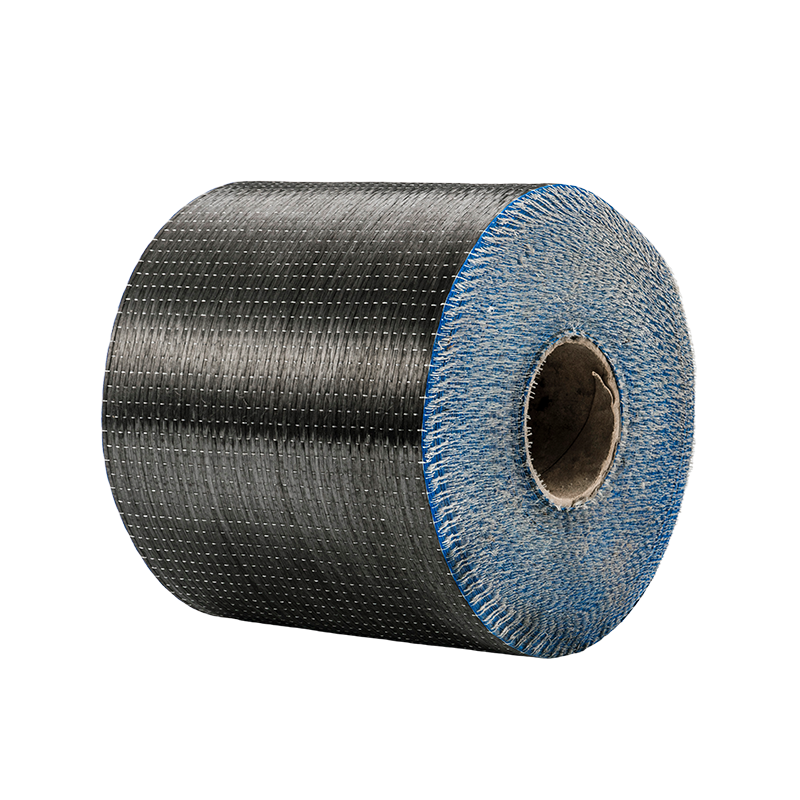 CFRP Carbon Fiber FabricCFRP Carbon Fiber Fabric technology uses a specialized structural adhesive to bond carbon fiber fabric to the concrete surface, forming a composite structure. Through ...View Product →
 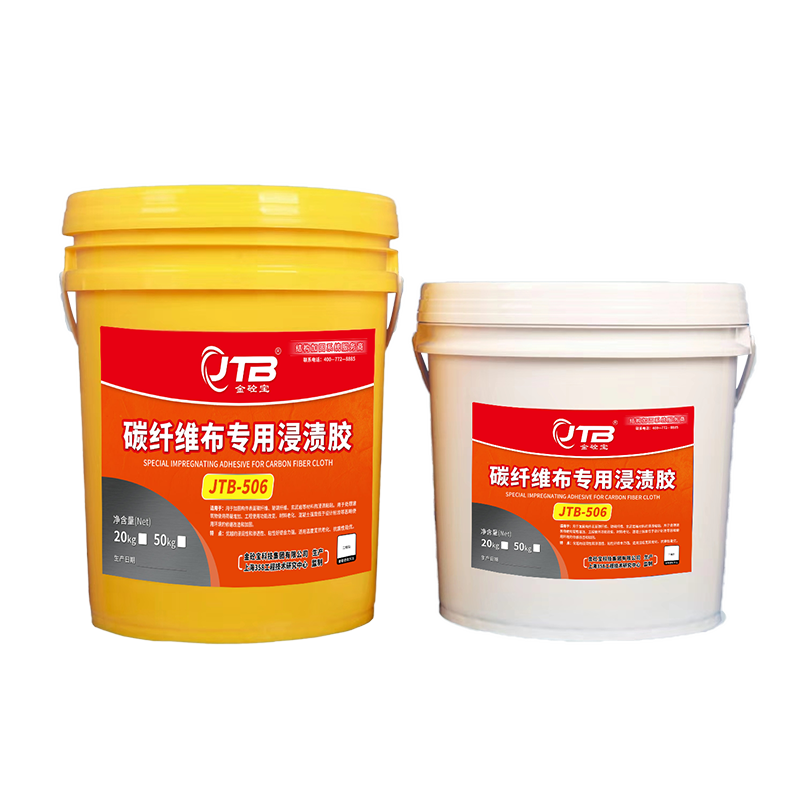 Carbon Fiber Impregnation ResinJTB Carbon Fiber Impregnation Resin is a two-component epoxy adhesive specifically designed for carbon fiber fabric reinforcement. It features precise mixing ratio, st...View Product →
For designers who want to keep conventional rebar behavior, stainless steel and galvanized steel are the most direct alternatives. Stainless steel rebar has a chromium-rich oxide layer that resists chloride attack and gives a very long service life. Galvanized rebar provides a zinc coating that can protect against early corrosion in moderately exposed conditions. Both options maintain the familiar modulus, bond characteristics, and placement methods of black steel, which makes them a lower-risk upgrade when the budget allows.
Fiber mesh and micro reinforcement are best understood as complementary systems rather than complete structural replacements. Polypropylene fibers are added to concrete to reduce plastic shrinkage cracking and improve surface durability. Micro rebar consists of short, deformed fibers that enhance post-cracking toughness, impact resistance, and fatigue behavior. These products are used in slabs-on-ground, industrial floors, precast elements, and shotcrete linings. They can sometimes eliminate the need for welded wire mesh in secondary reinforcement, but they do not provide the same ability as primary rebar to carry bending tension.
Bamboo deserves a mention because it is renewable and has a long history in low-cost construction. Some experimental projects have used treated bamboo as a tensile element in concrete. Yet bamboo absorbs water, expands, and can be attacked by insects and fungi if the treatment is not carefully controlled. Its bond with concrete is also less predictable than steel or FRP. For these reasons, bamboo is not a direct alternative to steel rebar in permanent engineered structures; at best, it may be suitable for temporary or very low-load applications.
Selecting the right alternative to steel rebar requires a clear understanding of the structural role, exposure class, installation constraints, and maintenance strategy. A product that solves corrosion in a bridge deck may be too flexible for a heavily loaded beam. The table below summarizes the common options and their typical uses.
| Material | Key Strength | Primary Use | Consideration |
|---|---|---|---|
| Stainless steel rebar | High corrosion resistance | Marine structures, bridge decks | Higher material cost |
| GFRP rebar | Lightweight, non-corrosive | Seawalls, chemical plants | Lower stiffness than steel |
| CFRP rebar / fabric | Very high strength, low weight | Beam and column strengthening | Requires design expertise |
| Fiber mesh | Crack control | Slabs on grade, overlays | Secondary reinforcement only |
| Micro rebar | Toughness, impact resistance | Industrial floors, precast segments | Does not replace primary rebar |
Beyond the material itself, it is important to evaluate the full system. For existing concrete structures, the practical choice is often not a rebar replacement but an external strengthening approach. A column or beam can be reinforced with CFRP fabric; a new connection might require a structural adhesive to anchor an inserted bar into hardened concrete. This is why we look at every project through a dedicated reinforcement correction engineering system rather than offering an isolated material. In some cases, a new load path requires a rebar anchoring adhesive to bond the inserted bar to old concrete.
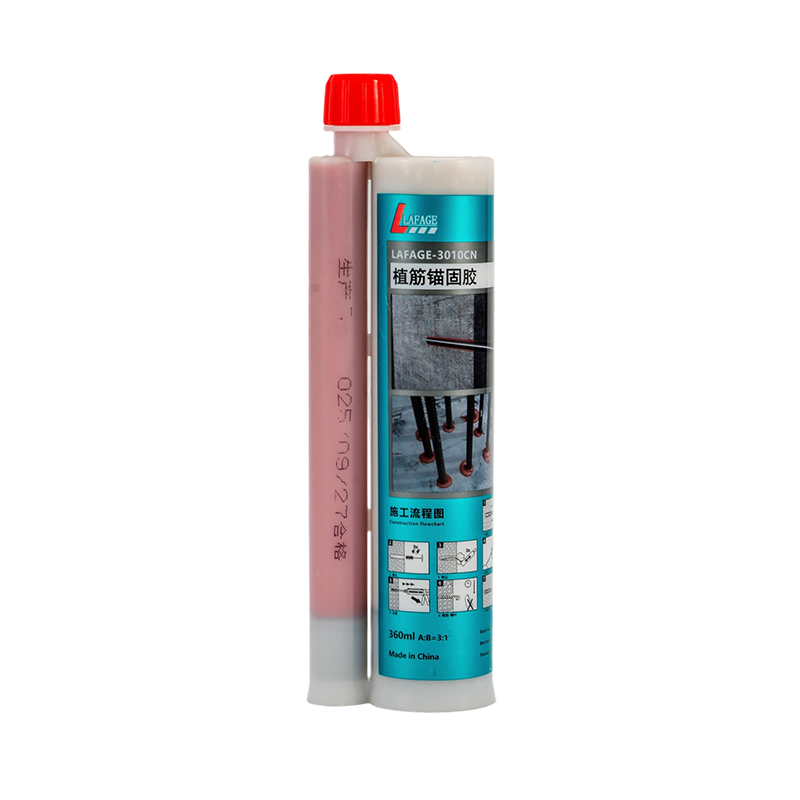 Rebar Anchoring AdhesiveThe JTB-507 Rebar Anchoring Adhesive is a two-component modified epoxy adhesive used primarily for chemical anchoring, bolt fastening, crack repair, and various concre...View Product →
Material choice affects construction in ways that are not obvious at the design stage. FRP bars are supplied in fixed shapes and should not be bent on site; sharp bends can damage the fibers and create local weaknesses. CFRP fabric must be installed on sound, dry substrates with the right amount of impregnation resin. Contractors should also remember that the resin system, while cured, behaves differently from steel at elevated temperatures; some FRP systems may require fire protection depending on the building code and the location of the member. For a close look at how carbon fiber is applied on beams and columns, this guide to CFRP reinforcement for beams and columns covers the main steps and quality checks.
Quality control is another area where composites require a different mindset. Steel rebar is easy to inspect after tying; CFRP strengthening is only as reliable as the surface preparation, the fiber orientation, and the resin mixing. This is not a reason to avoid alternatives, but it is a reason to work with an experienced supplier and trained installers.
The best alternative to steel rebar is not the one with the highest tensile strength on paper. It is the one that performs reliably in the actual environment, that can be installed correctly on site, and that fits the maintenance plan of the owner. Stainless steel, FRP rebar, CFRP strengthening systems, fiber mesh, and micro reinforcement each have a role. By matching the material to the problem, engineers can build structures that last longer, cost less to operate, and offer more design freedom than a one-size-fits-all steel solution.
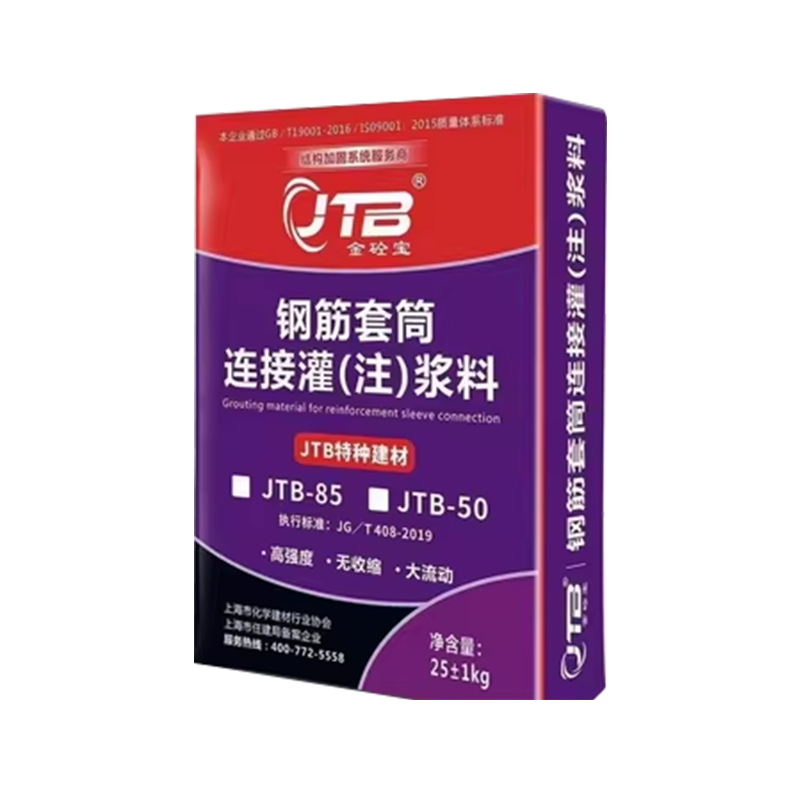 Rebar Coupler Grout
VIEW MORE
Rebar Coupler Grout
VIEW MORE
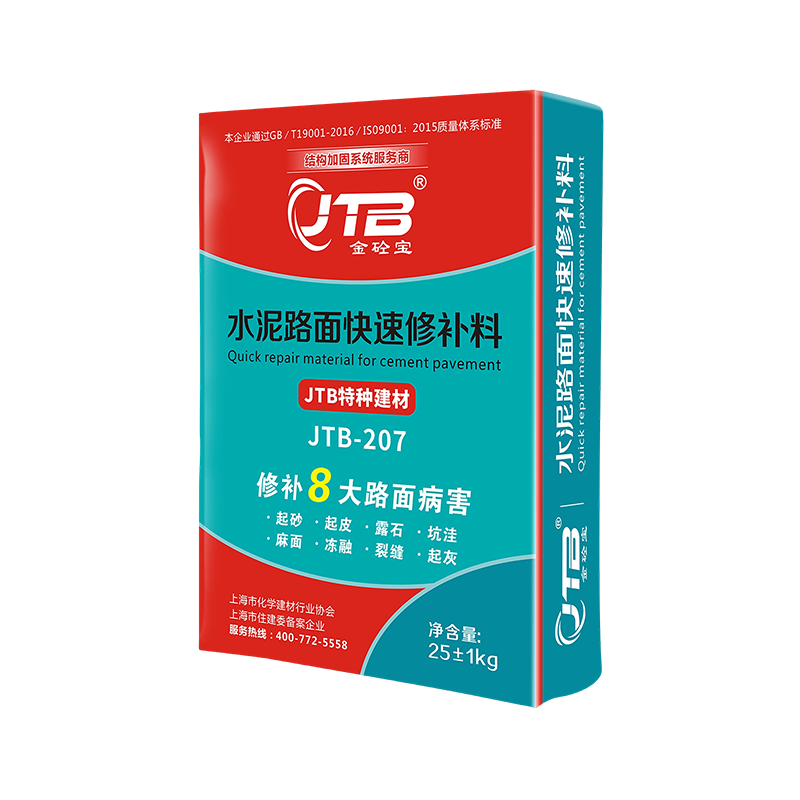 Rapid Repair Mortar for Concrete Pavement
VIEW MORE
Rapid Repair Mortar for Concrete Pavement
VIEW MORE
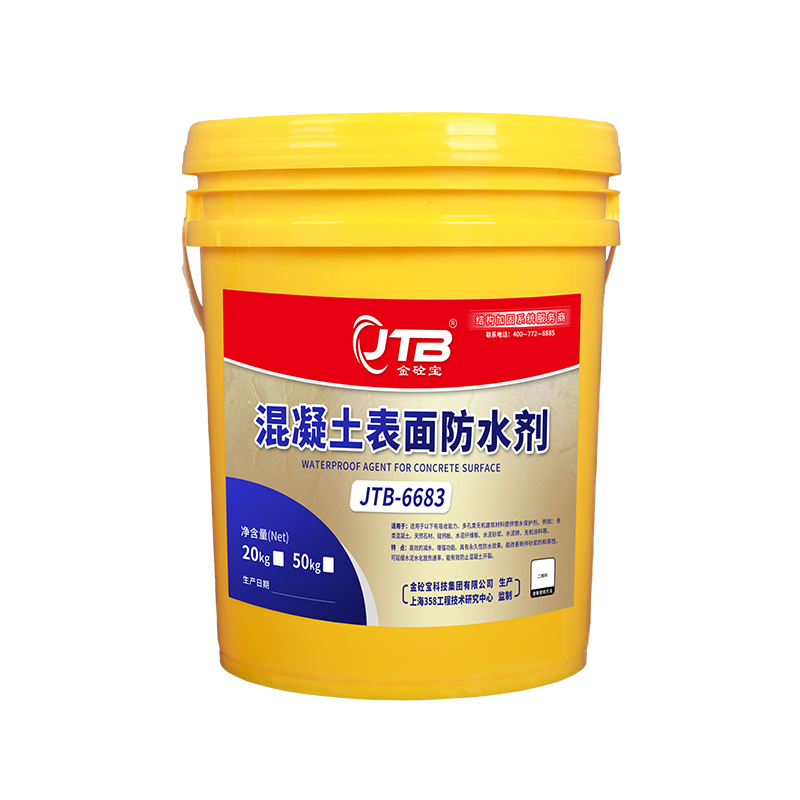 Concrete Waterproofing Admixture
VIEW MORE
Concrete Waterproofing Admixture
VIEW MORE
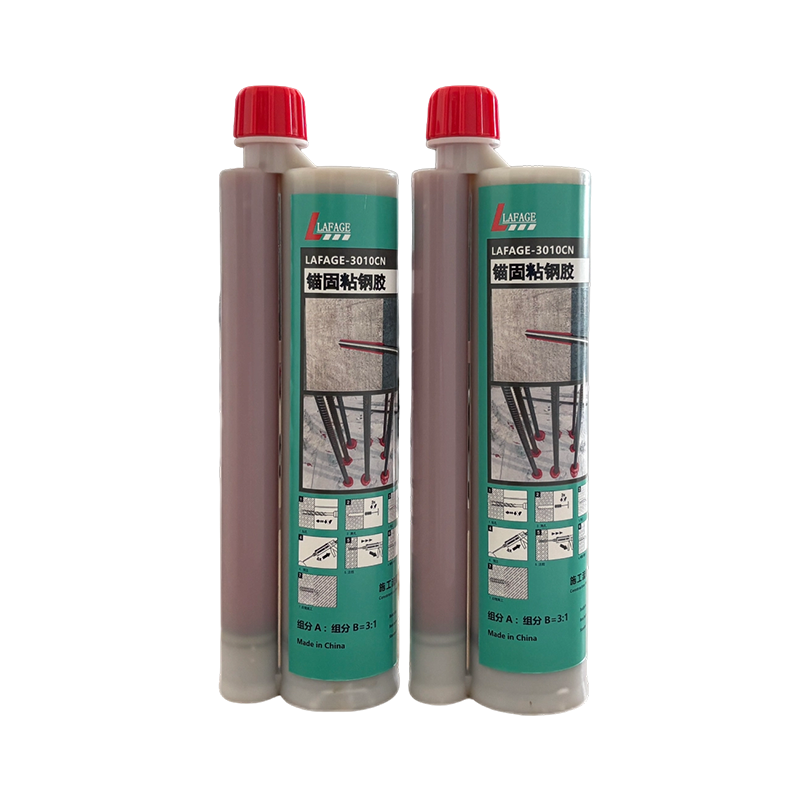 Steel Plate Bonding Adhesive
VIEW MORE
Steel Plate Bonding Adhesive
VIEW MORE
 Rebar Anchoring Adhesive
VIEW MORE
Rebar Anchoring Adhesive
VIEW MORE
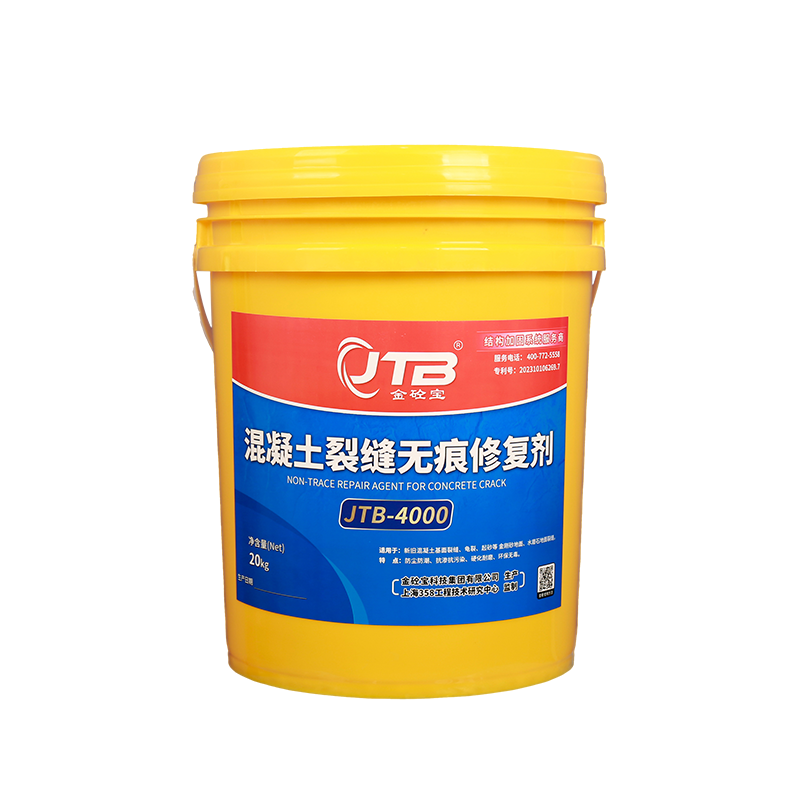 Concrete Crack Repair Agent
VIEW MORE
Concrete Crack Repair Agent
VIEW MORE
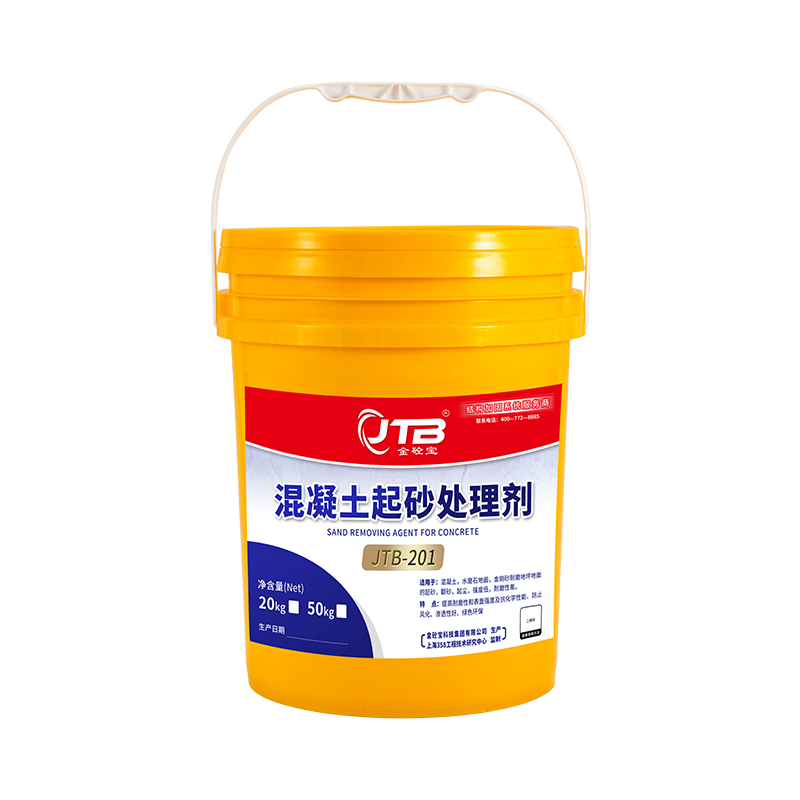 Concrete Surface Hardener
VIEW MORE
Concrete Surface Hardener
VIEW MORE
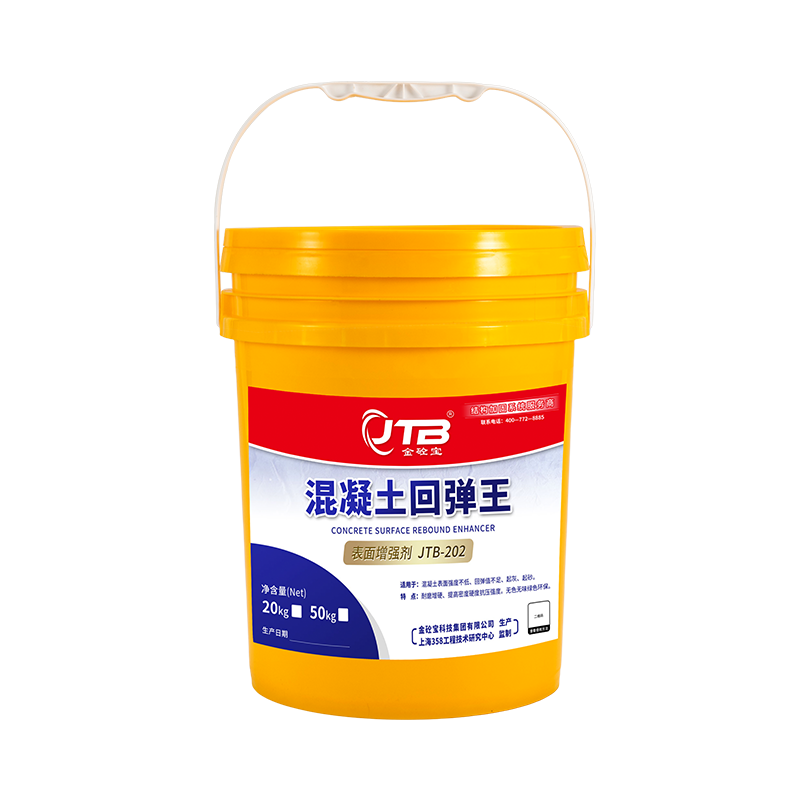 Concrete Surface Strengthener
VIEW MORE
Concrete Surface Strengthener
VIEW MORE
:root { --text: #1f2937; --muted: #6b7280; --border: #e5e7eb; --accent: #b91c1c; --bg: #ffffff; ...
READ MORE:root { --text: #1f2937; --muted: #6b7280; --border: #e5e7eb; --navy: #1e3a5f; --navy-dark: #163...
READ MORETo use concrete repair mortar correctly: remove all loose or crumbling material down to solid concrete, clean and dampe...
READ MORETechnical Engineering Insights Comprehensive Chemical & Mechanical Guide to Concrete Admixtures Modern concrete de...
READ MORE
JTB technology group is a one-stop structural strengthening system service and solution provider with more than 10 years of industry experience.

+86-138 6245 1066
400-772-5558

sales@jtbmaterials.com

Qianjin Hebei Road, Dantu District, Zhenjiang City, Jiangsu Province, China
Copyright © JTB Technology Group Co. , Ltd.All rights reserved.
Cutsom Construction Chemicals & Reinforcement Materials Manufacturer

