
 en
en
 English
 Español
 Structural Strengthening System Service Provider
Product
Company
News


Content
In the field of infrastructure engineering, concrete is the most widely used basic material. However, traditional ordinary concrete has shortcomings such as limited strength, high porosity, susceptibility to cracking, and poor durability, making it difficult to meet the construction needs of super high-rise buildings, long-span bridges, irregularly shaped buildings, and century-lasting projects. Ultra-High Performance Concrete (UHPC), as a new generation of cement-based composite building material, has completely broken through the performance limits of traditional concrete. With its ultra-high strength, ultra-low porosity, ultra-strong durability, and high toughness/crack resistance, it is known in the industry as the "performance ceiling" of concrete.
Composed of four categories of raw materials — cementitious materials, fine aggregates, toughening fibers, and high-efficiency admixtures — with no coarse gravel aggregate used at all:
Mainly based on the theory of closest particle packing, with three core underlying logics:
| Grade | Compressive Strength (MPa) | Flexural Strength (MPa) | Elastic Modulus (GPa)ᵃ | ||
|---|---|---|---|---|---|
| Steel / Mixed Fiber | Non-metallic Fiber | Steel / Mixed Fiber | Non-metallic Fiber | ||
| UC100 | – | 100 | – | ≥12 | ≥40 |
| UC120 | 120 | 120 | ≥17 | ≥15 | ≥40 |
| UC140 | 140 | 140 | ≥20 | ≥18 | ≥40 |
| UC160 | 160 | 160 | ≥24 | ≥20 | ≥45 |
| UC180 | 180 | – | ≥27 | – | ≥45 |
| UC200 | 200 | – | ≥30 | – | ≥45 |
ᵃ For any given compressive strength grade of UHPC, the corresponding flexural strength and elastic modulus requirements must also be satisfied simultaneously.
| Grade | Elastic Tensile Strength Standard Value fte,k (MPa) | Tensile Strength ftu,k (MPa) | Tensile Strain at ftu,k εtu,k (%) |
|---|---|---|---|
| UT5 | 5 | ≥3.5 | 0.15 |
| UT7L | 7 | ≥7.0 | 0.15 |
| UT7H | 7 | ≥7.7 | 0.15 |
| UT9L | 9 | ≥9.0 | 0.15 |
| UT9H | 9 | ≥10.8 | 0.2 |
| UT11H | 11 | ≥13.2 | 0.2 |
Dedicated C120/C135/C150 grades for bridge deck paving on large-span bridges, bridge wet joints, pier reinforcement, repair of defects in old bridges, and lightweight UHPC pedestrian bridges. Solves industry pain points such as traditional deck water seepage and peeling, joint cracking, and repeated repairs. Key domestic projects such as the Yuanjiahe Bridge have applied it at scale.
UHPC irregular curtain walls, fair-faced concrete cladding panels, art sculptures, landscape components, and hollow-carved building materials. Combines ultra-high strength with plasticity, enabling ultra-thin, ultra-light, and complex irregular shapes, replacing stone and ordinary curtain wall panels.
Ballastless track for high-speed rail, railway sleepers, high-speed anti-collision guardrails, tunnel linings, and underground utility tunnel structures, suitable for specialized municipal engineering with high-frequency loads and high durability requirements.
High-strength thin-layer reinforcement and repair of old buildings, factories, and roads/bridges — thin, lightweight, and high-strength, without damaging the original structure; reinforcement effect far exceeds that of ordinary repair mortar.
3D-printed architectural components, lightweight prefabricated assembled building materials, marine anti-corrosion engineering, and military special protective structures.
UHPC compressive strength is 150–200 MPa, far higher than conventional concrete. Under the same load-bearing capacity, component thickness can be halved, significantly reducing self-weight, suitable for large-span and lightweight structures.
Internal steel fibers form a three-dimensional network, with tensile strength ≥7 MPa. Only minor cracks form under loading, with no sudden brittle fracture; outstanding fatigue and impact resistance.
Resistant to freeze-thaw, chloride ion penetration, carbonation, and acid/alkali corrosion; performs stably long-term in cold, coastal, and saline-alkali environments.
The self-leveling mix can be cast into ultra-thin, curved, and hollow-carved irregular components, enabling complex artistic architectural shapes while balancing aesthetics and structural safety.
Supports factory prefabrication, on-site pumping, thin-layer repair, 3D printing, and other processes; can meet standards with room-temperature curing, compatible with all types of construction equipment.
Initial raw material costs are relatively high, but component cross-sections are smaller with less reinforcement; century-level durability greatly reduces later repair and replacement costs, resulting in lower long-term overall cost.
Incorporates large amounts of industrial solid waste such as silica fume, slag, and fly ash, reducing cement usage; low material consumption and long service life reduce construction waste and carbon emissions.
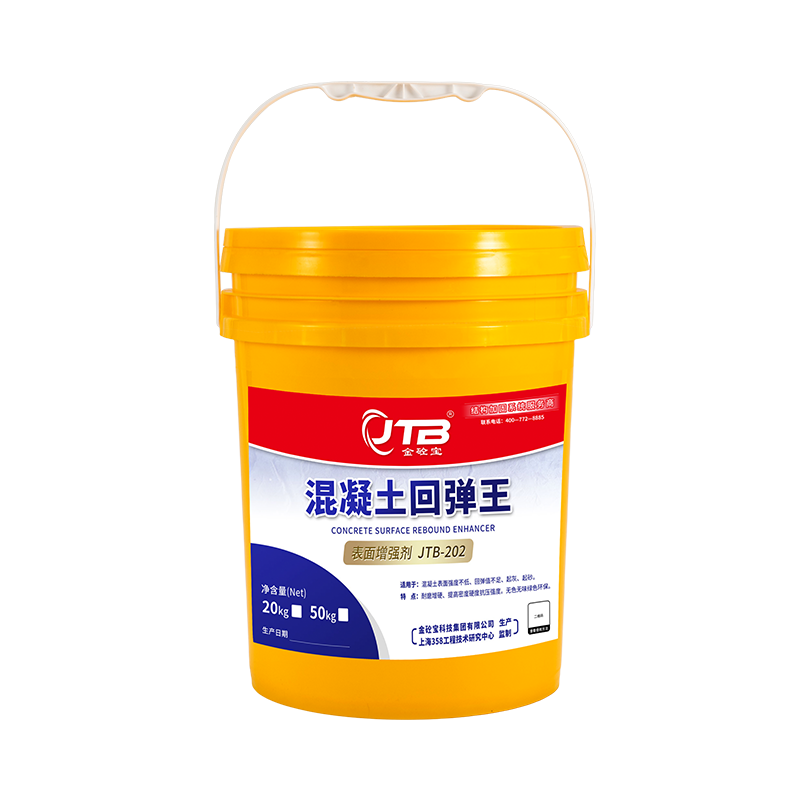 Concrete Surface Strengthener
VIEW MORE
Concrete Surface Strengthener
VIEW MORE
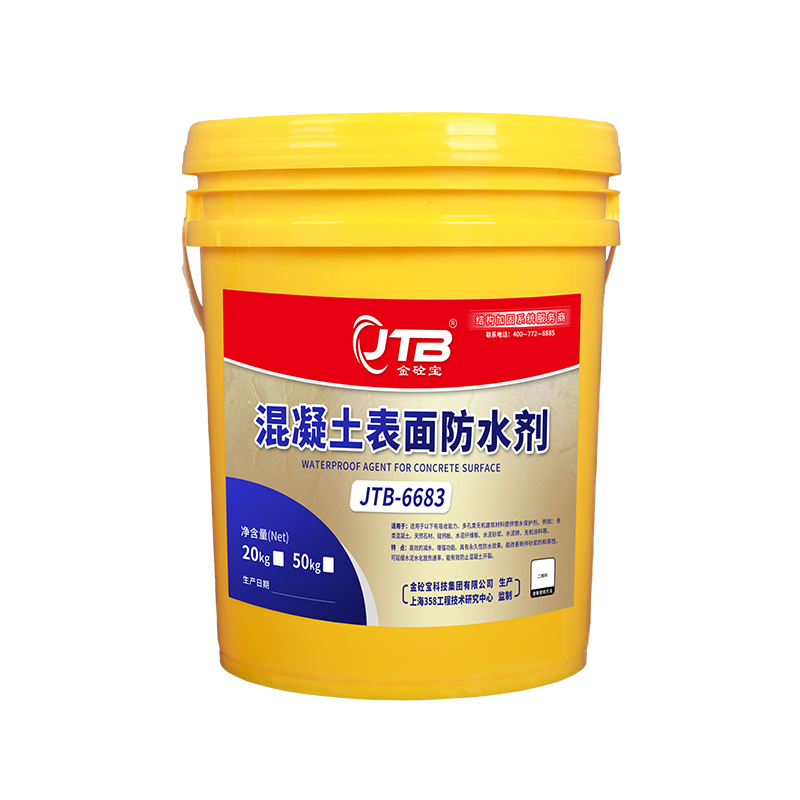 Concrete Waterproofing Admixture
VIEW MORE
Concrete Waterproofing Admixture
VIEW MORE
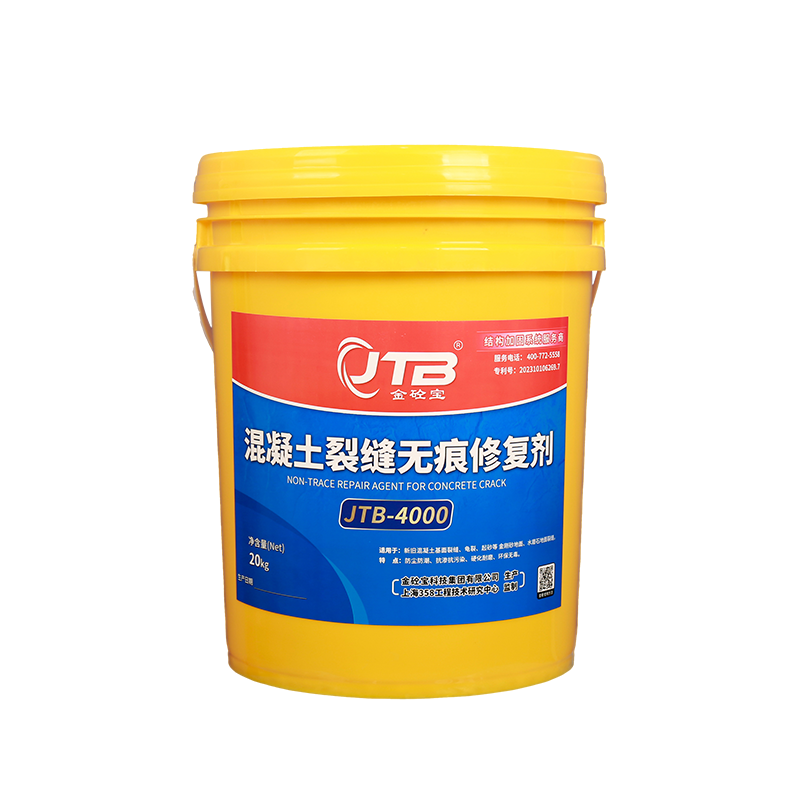 Concrete Crack Repair Agent
VIEW MORE
Concrete Crack Repair Agent
VIEW MORE
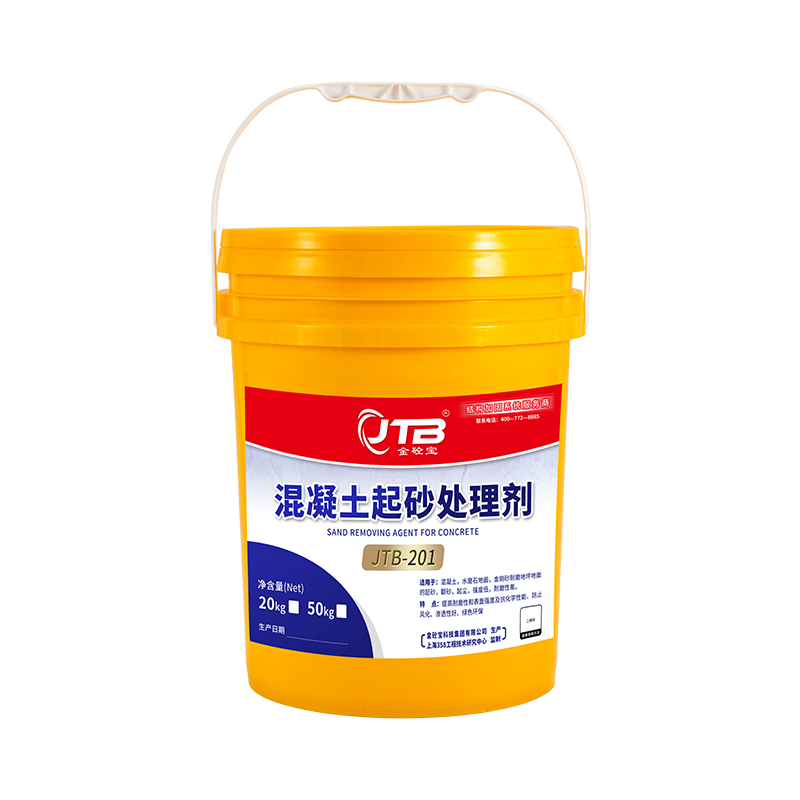 Concrete Surface Hardener
VIEW MORE
Concrete Surface Hardener
VIEW MORE
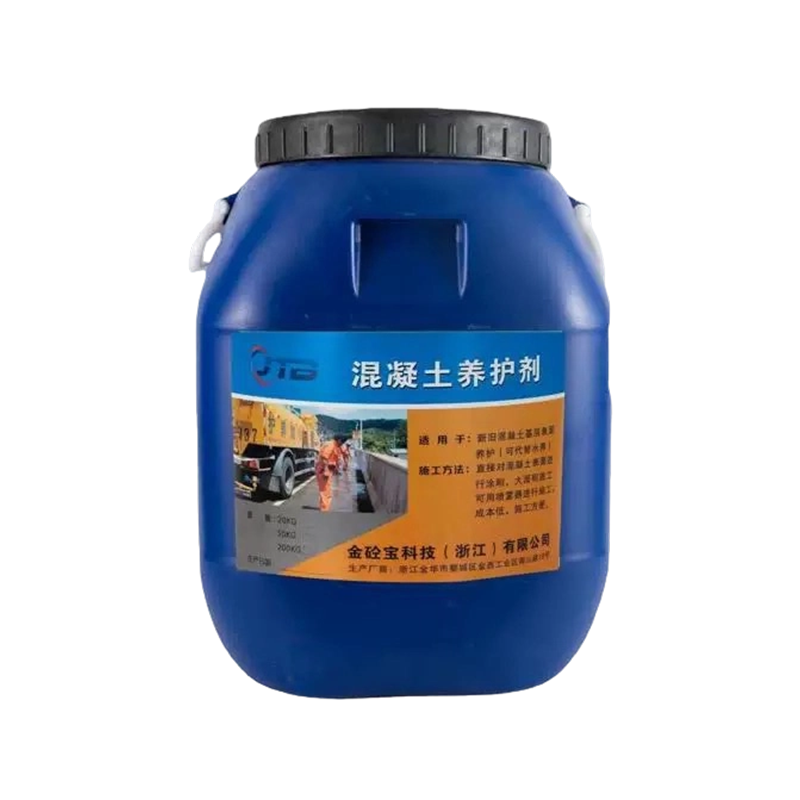 Concrete Curing Compound
VIEW MORE
Concrete Curing Compound
VIEW MORE
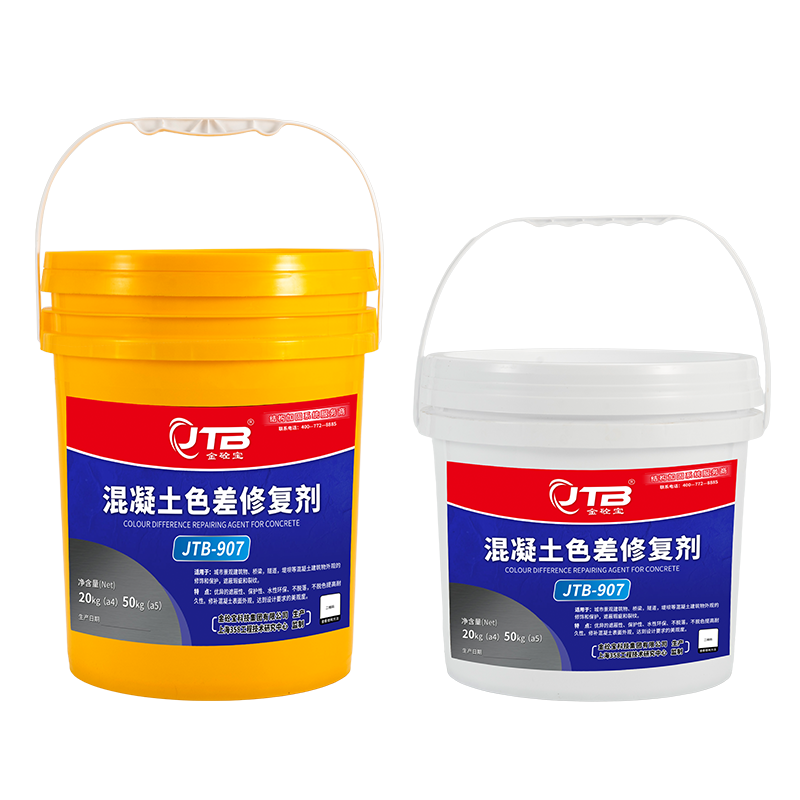 Concrete Color Repair Agent
VIEW MORE
Concrete Color Repair Agent
VIEW MORE
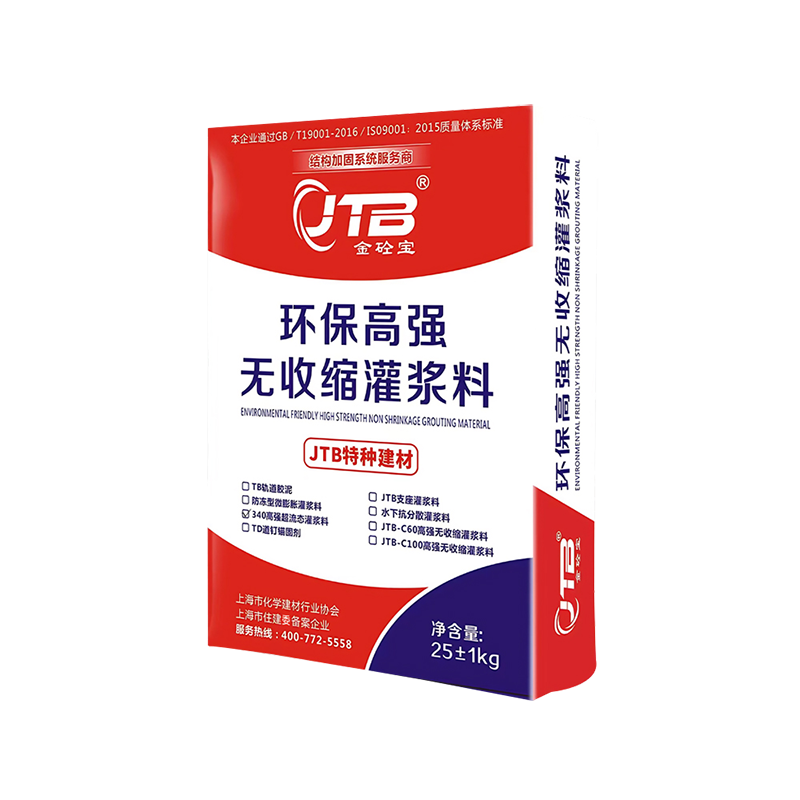 High-Strength Ultra-flow Grout
VIEW MORE
High-Strength Ultra-flow Grout
VIEW MORE
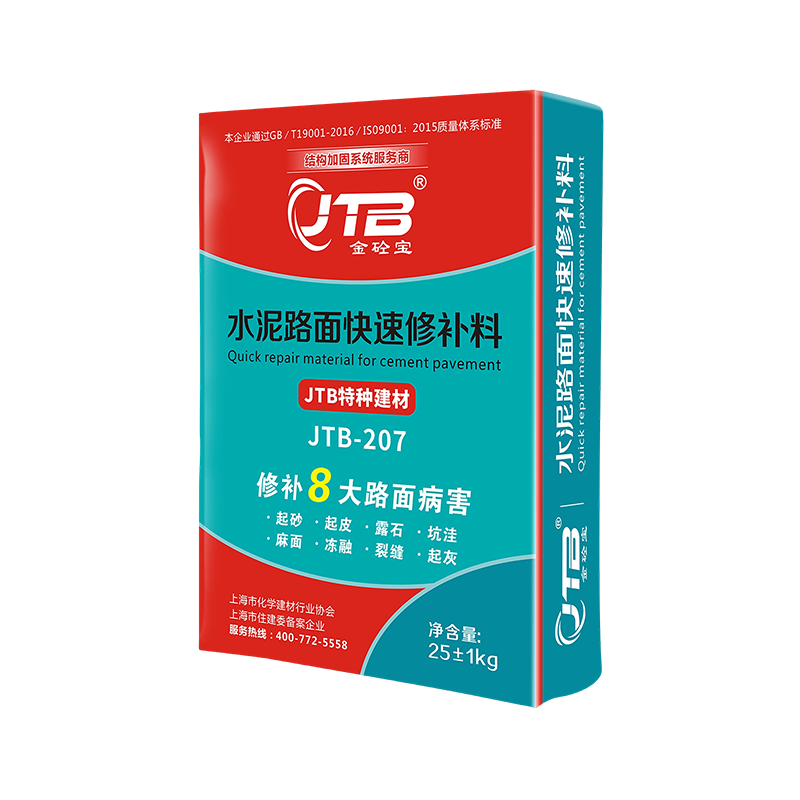 Rapid Repair Mortar for Concrete Pavement
VIEW MORE
Rapid Repair Mortar for Concrete Pavement
VIEW MORE
Precision grouting differs from standard concrete grouting primarily in aggregate size, flow behavior, and shrinkage co...
READ MORETechnical Engineering Insights Comprehensive Chemical & Mechanical Guide to Concrete Admixtures Modern concrete de...
READ MOREIn the construction industry, cement grouting material plays a critical role in ensuring structural integrity and stabil...
READ MORETo use concrete repair mortar correctly: remove all loose or crumbling material down to solid concrete, clean and dampe...
READ MORE
JTB technology group is a one-stop structural strengthening system service and solution provider with more than 10 years of industry experience.

+86-138 6245 1066
400-772-5558

sales@jtbmaterials.com

Qianjin Hebei Road, Dantu District, Zhenjiang City, Jiangsu Province, China
Copyright © JTB Technology Group Co. , Ltd.All rights reserved.
Cutsom Construction Chemicals & Reinforcement Materials Manufacturer

