
 en
en
 English
 Español
 Structural Strengthening System Service Provider
Product
Company
News


Content
In the operation of municipal underground pipelines, issues such as loosened soil around pipe exteriors, gaps in pipe walls, seepage in surrounding rock, and void defects frequently occur. Ordinary cement grout has coarse particles that struggle to penetrate fine fissures, resulting in limited sealing and anti-corrosion performance. Inorganic modified cement grout, with its hydration system optimized through mineral modification, offers excellent permeability, forms a dense and stable consolidated body, and combines the advantages of slight expansion with durability and corrosion resistance. It is widely used in substrate pretreatment and defect repair projects such as filling around pipelines, pipe-wall anti-corrosion treatment, and anti-seepage reinforcement of surrounding rock along pipelines.
Mainly ordinary Portland cement, providing basic hydration and cementing capacity.
Possess pozzolanic activity, regulating the later-stage hydration reaction.
Ultra-fine powders of fly ash, silica fume, and mineral powder, optimizing particle gradation.
Polycarboxylate high-efficiency water reducer, improving fluidity and reducing bleeding/segregation.
Composed of four categories of raw materials: cementitious base material, ultra-fine mineral admixtures, inorganic reactive modifying components, and high-efficiency admixtures.
Fills gaps between particles, improving injectability.
Generates C-S-H gel, sealing internal pores.
Offsets hardening shrinkage, reducing interface gaps.
Mainly based on the theory of closest particle packing, with three core underlying logics:
The raw material particles are optimized in proportion, enabling penetration into fine cracks that ordinary cement grout cannot reach, filling the micro-gaps between the pipe's outer wall and the surrounding soil, and achieving deep filling and anti-seepage sealing around the pipeline.
The pozzolanic reaction continues throughout the hardening process, optimizing the internal structure; the resulting consolidated body has few pores and outstanding impermeability and soil-corrosion resistance, providing long-term protection of the pipe's outer wall against water and soil erosion.
With controllable slight-expansion characteristics, it offsets the shrinkage deformation produced during hardening, preventing gaps or voids from forming between the grout and the pipe's outer wall or surrounding rock, maintaining a tight, long-lasting bond, and ensuring the anti-corrosion sealing does not fail.
Composed purely of inorganic minerals, containing no organic solvents or harmful substances — environmentally friendly. Resistant to water and to corrosion from groundwater and soil, it is suitable for long-term service in the damp operating conditions of underground pipelines, continuously providing protection to the pipe wall.
The grout has excellent fluidity and a simple mixing process. It is compatible with various pipe-exterior and pipeline-substrate pretreatment scenarios, has a low operational threshold, efficiently completes gap-filling and anti-corrosion protection work, and effectively shortens the construction cycle for pipeline repair.
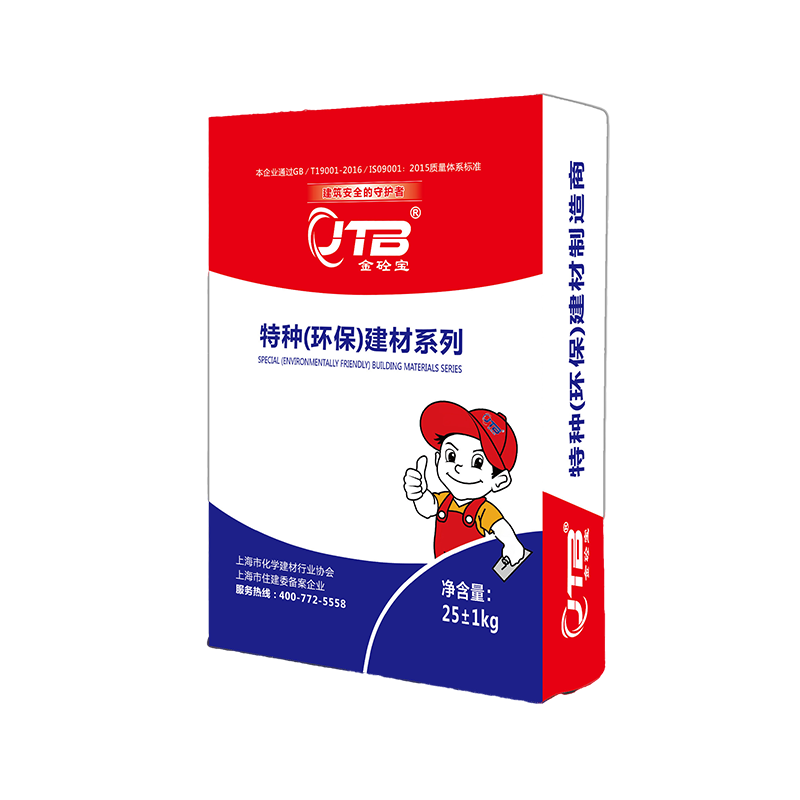 Anti-Static Non-Sparking Mortar
VIEW MORE
Anti-Static Non-Sparking Mortar
VIEW MORE
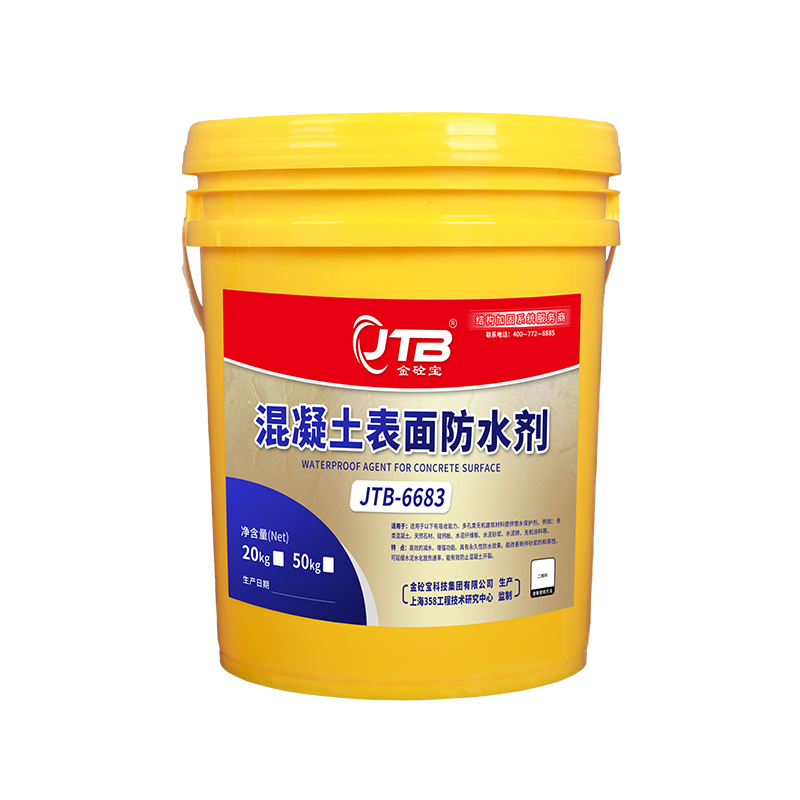 Concrete Waterproofing Admixture
VIEW MORE
Concrete Waterproofing Admixture
VIEW MORE
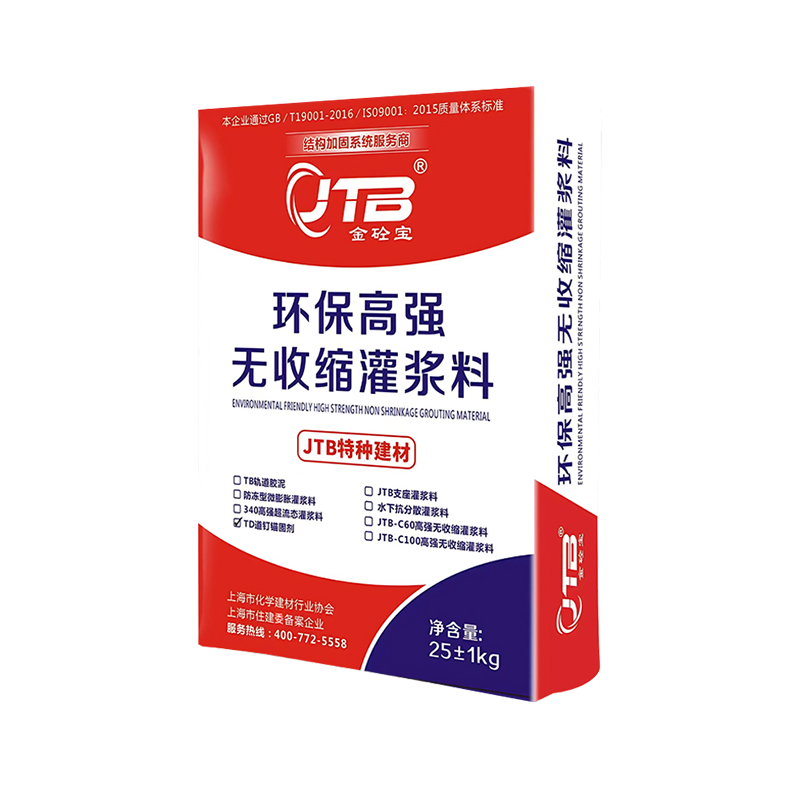 Rail Spike Anchoring Grout
VIEW MORE
Rail Spike Anchoring Grout
VIEW MORE
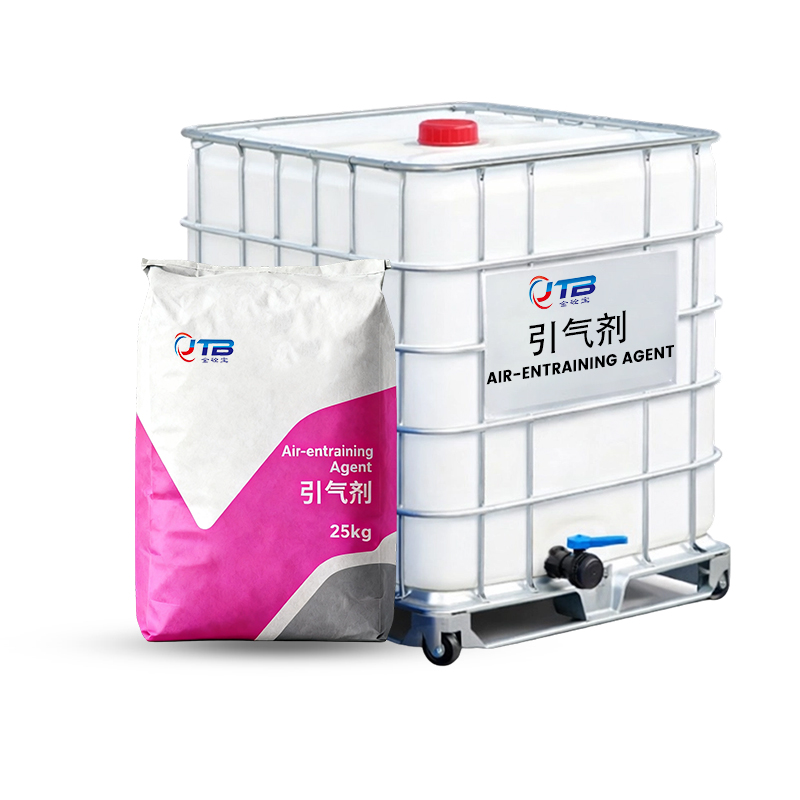 Air Entraining Agent
VIEW MORE
Air Entraining Agent
VIEW MORE
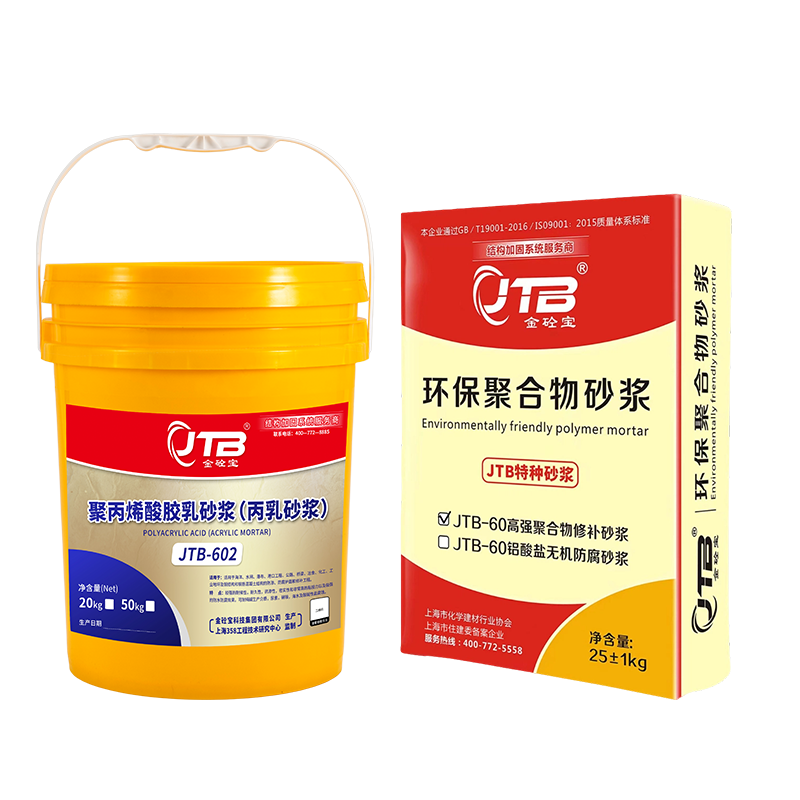 Acrylic Emulsion Mortar
VIEW MORE
Acrylic Emulsion Mortar
VIEW MORE
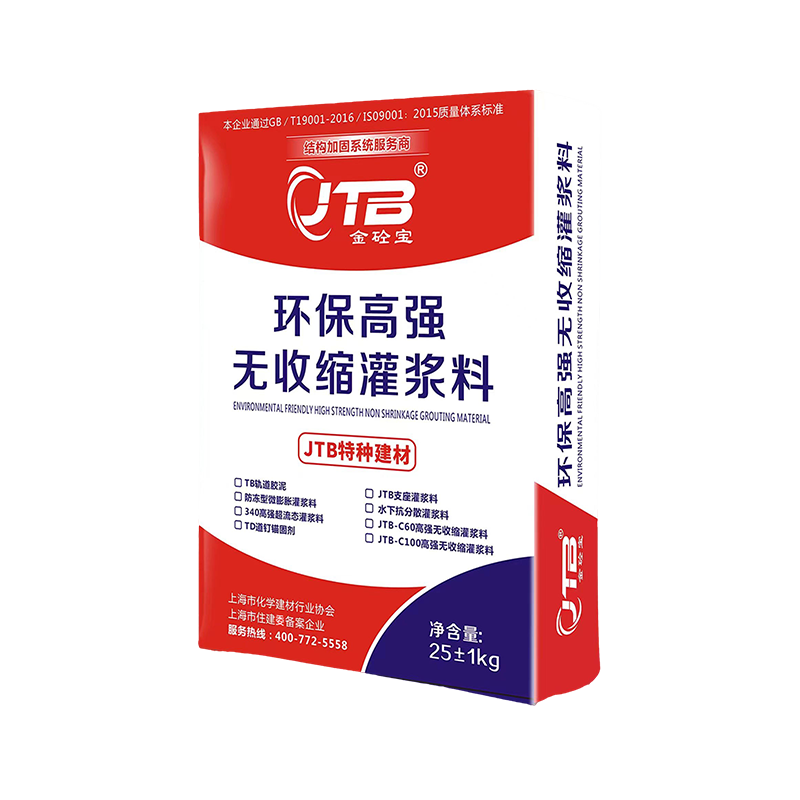 Rapid Repair Mortar for Airport Runways & Bridges
VIEW MORE
Rapid Repair Mortar for Airport Runways & Bridges
VIEW MORE
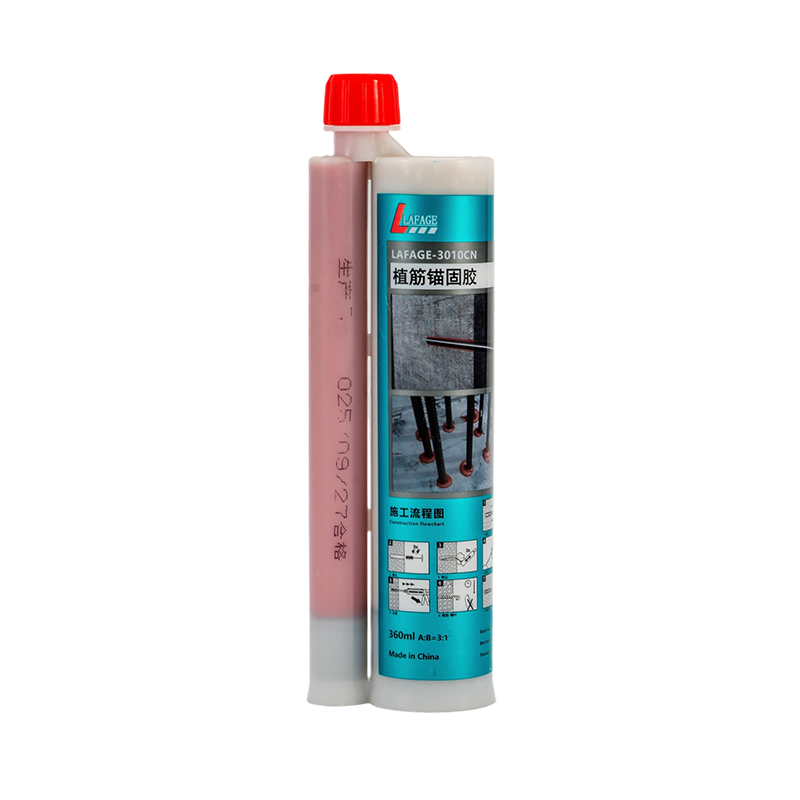 Rebar Anchoring Adhesive
VIEW MORE
Rebar Anchoring Adhesive
VIEW MORE
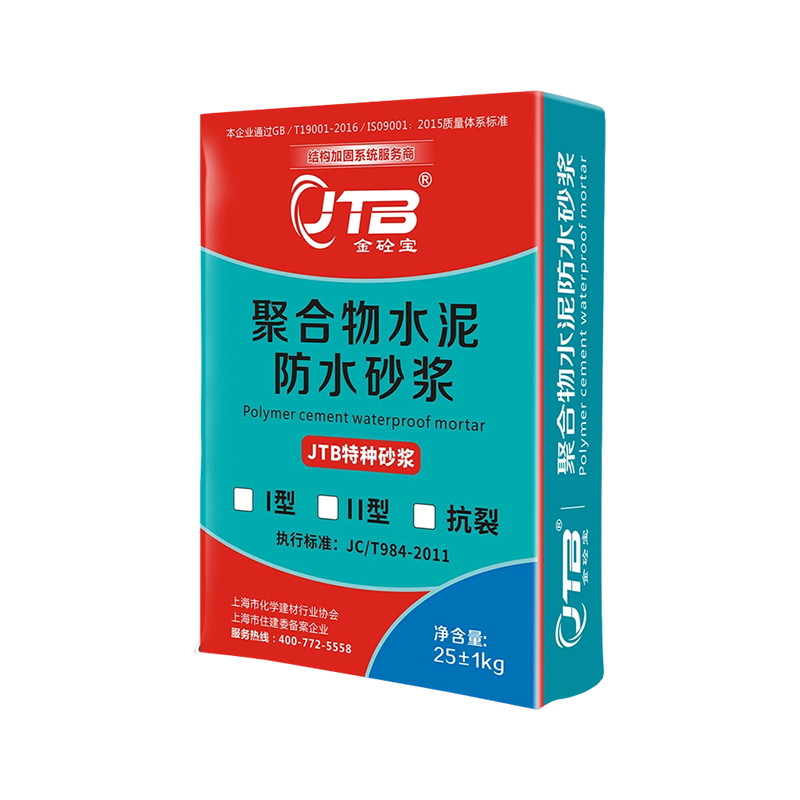 Polymer Cement Waterproof Mortar
VIEW MORE
Polymer Cement Waterproof Mortar
VIEW MORE
A base plate sits 25 mm above a concrete foundation, and every tonne that presses, vibrates, or torques the equipment a...
READ MOREOn most of the sites our technical team walks, the parts that fail first are not the beams or columns everyone photogra...
READ MOREPrecision grouting differs from standard concrete grouting primarily in aggregate size, flow behavior, and shrinkage co...
READ MOREMaterial Science & Construction Water, Stone, and Polymer A close reading of how Polymer-Modified Cementitious Mort...
READ MORE
JTB technology group is a one-stop structural strengthening system service and solution provider with more than 10 years of industry experience.

+86-138 6245 1066
400-772-5558

sales@jtbmaterials.com

Qianjin Hebei Road, Dantu District, Zhenjiang City, Jiangsu Province, China
Copyright © JTB Technology Group Co. , Ltd.All rights reserved.
Cutsom Construction Chemicals & Reinforcement Materials Manufacturer

