
 en
en
 English
 Structural Strengthening System Service Provider
Product
Company
News


Introduction to Sulphoaluminate Cement
Sulphoaluminate cement, a specialized type of hydraulic cement, is gaining traction in the construction industry due to its unique chemical composition and properties. Unlike traditional Portland cement, sulphoaluminate cement is characterized by the presence of calcium sulfoaluminate (CSA), which significantly enhances its performance. This article explores how sulphoaluminate cement improves the durability of brick and stone materials, making it an attractive choice for modern construction.
The Science Behind Sulphoaluminate Cement
Chemical Composition
Sulphoaluminate cement consists primarily of calcium, aluminum, iron, sulfur, and oxygen. The key compound, calcium sulfoaluminate, contributes to its rapid strength gain and exceptional durability. The presence of sulfoaluminate phases allows for a lower water-cement ratio, resulting in denser and more resilient concrete.
Hydration Process
During the hydration process, sulphoaluminate cement reacts with water to form calcium silicate hydrate (C-S-H), ettringite, and other compounds. The formation of ettringite is crucial as it fills voids within the cement matrix, promoting a denser structure. This density translates to enhanced resistance against environmental factors, a critical attribute for brick and stone materials.
Enhanced Durability Characteristics
Resistance to Chemical Attacks
One of the standout features of sulphoaluminate cement is its superior resistance to chemical attacks. It exhibits remarkable performance against sulfates, chlorides, and acids, which often compromise the integrity of traditional cement-based materials. This property makes it particularly beneficial for applications in aggressive environments, such as wastewater treatment plants and coastal areas.
Lower Permeability
The denser microstructure formed by sulphoaluminate cement results in lower permeability. This characteristic is vital for brick and stone materials as it minimizes water ingress and protects against freeze-thaw cycles, enhancing the long-term durability of structures. Reduced permeability also mitigates the risk of efflorescence, a common problem in masonry.
Improved Mechanical Properties
Sulphoaluminate cement exhibits superior mechanical properties compared to Portland cement. It provides higher compressive strength, tensile strength, and flexural strength, essential for the structural integrity of brick and stone applications. The rapid strength development also allows for quicker project timelines without compromising quality.
Applications in Brick and Stone Materials
Brick Production
The use of sulphoaluminate cement in brick production offers numerous advantages. It enhances the durability and strength of bricks, making them suitable for load-bearing applications. Furthermore, the quick setting time reduces the production cycle, allowing manufacturers to increase output without sacrificing quality.
Stone Restoration
In stone restoration projects, sulphoaluminate cement is utilized for repairing and reinforcing existing masonry. Its compatibility with traditional materials ensures seamless integration, while its enhanced durability extends the lifespan of restored structures. This application is particularly valuable in historical preservation, where maintaining the original aesthetics is crucial.
Precast Concrete Elements
Precast concrete elements made with sulphoaluminate cement are increasingly popular in construction. They offer significant advantages in durability and strength, making them ideal for use in bridges, walls, and foundations. The lightweight nature of precast elements also contributes to easier handling and transportation on construction sites.
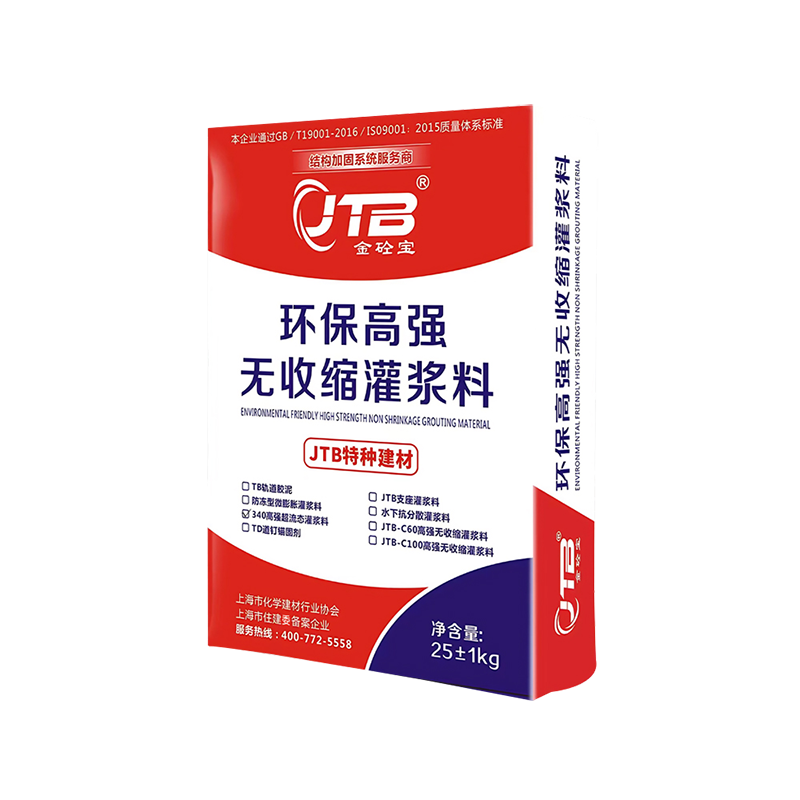 High-Strength Ultra-flow Grout
VIEW MORE
High-Strength Ultra-flow Grout
VIEW MORE
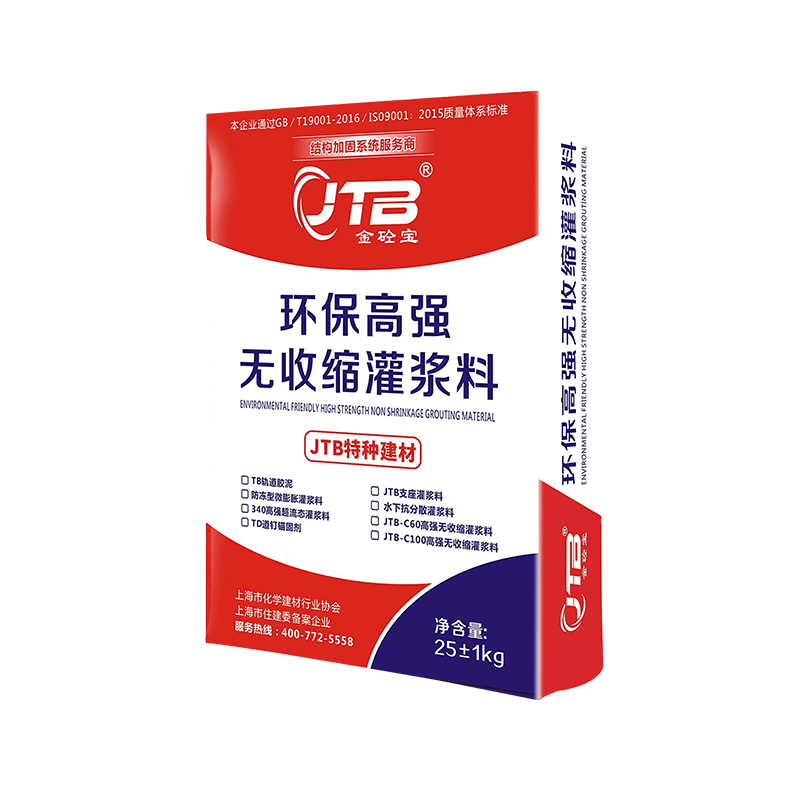 Eco-Friendly High-Strength Non-Shrink Grout
VIEW MORE
Eco-Friendly High-Strength Non-Shrink Grout
VIEW MORE
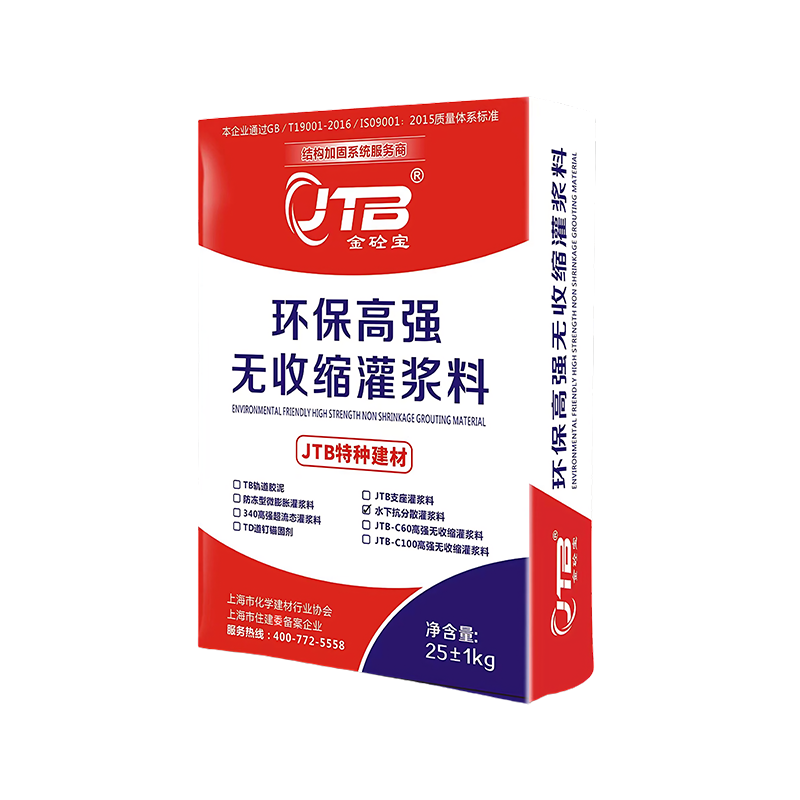 Underwater Non-Dispersive Grout
VIEW MORE
Underwater Non-Dispersive Grout
VIEW MORE
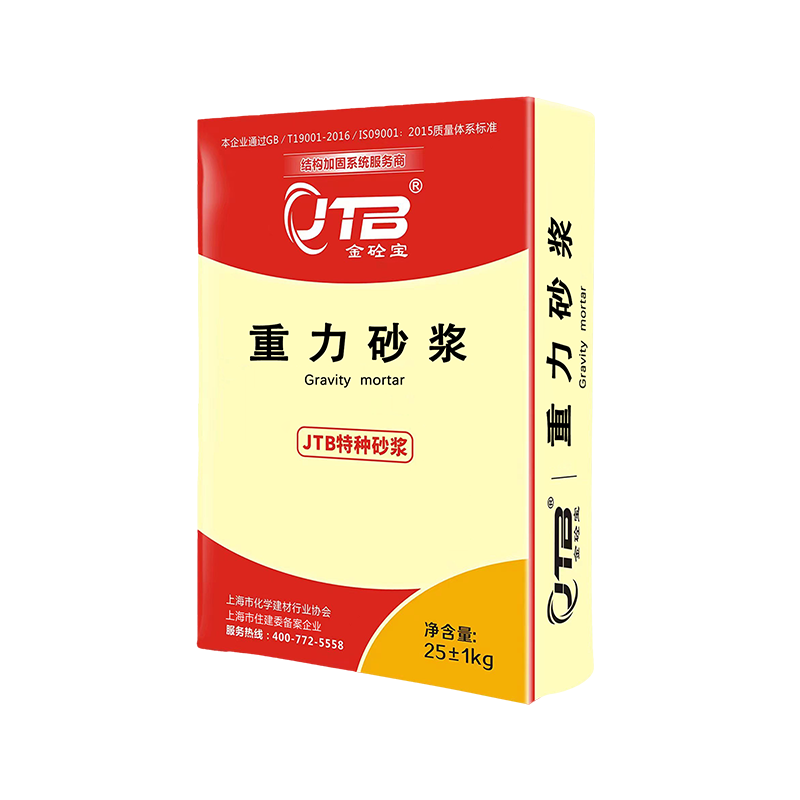 Gravity Grouting Mortar
VIEW MORE
Gravity Grouting Mortar
VIEW MORE
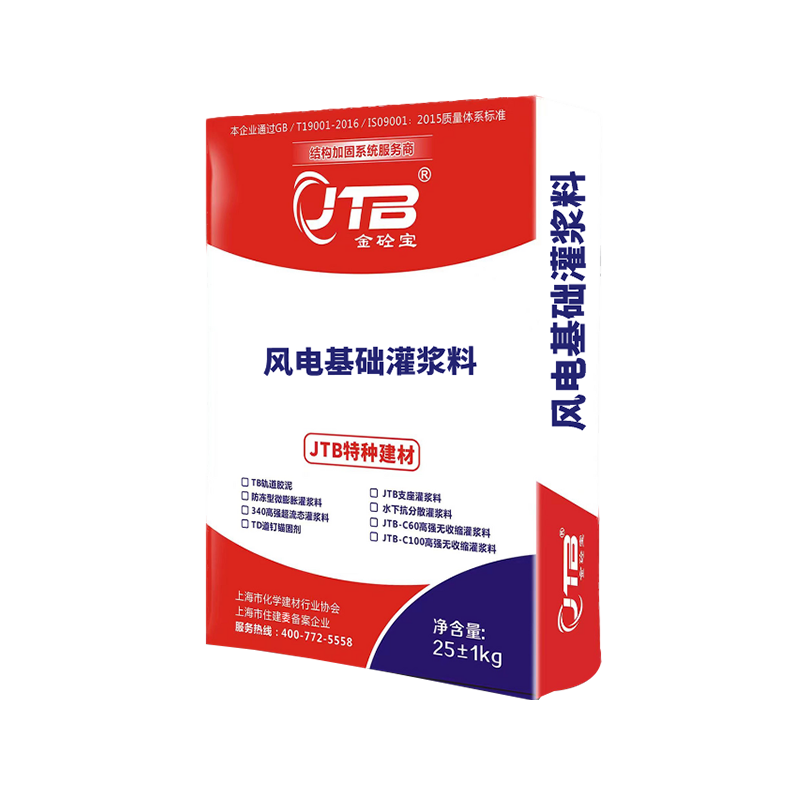 Wind Turbine Foundation Grout
VIEW MORE
Wind Turbine Foundation Grout
VIEW MORE
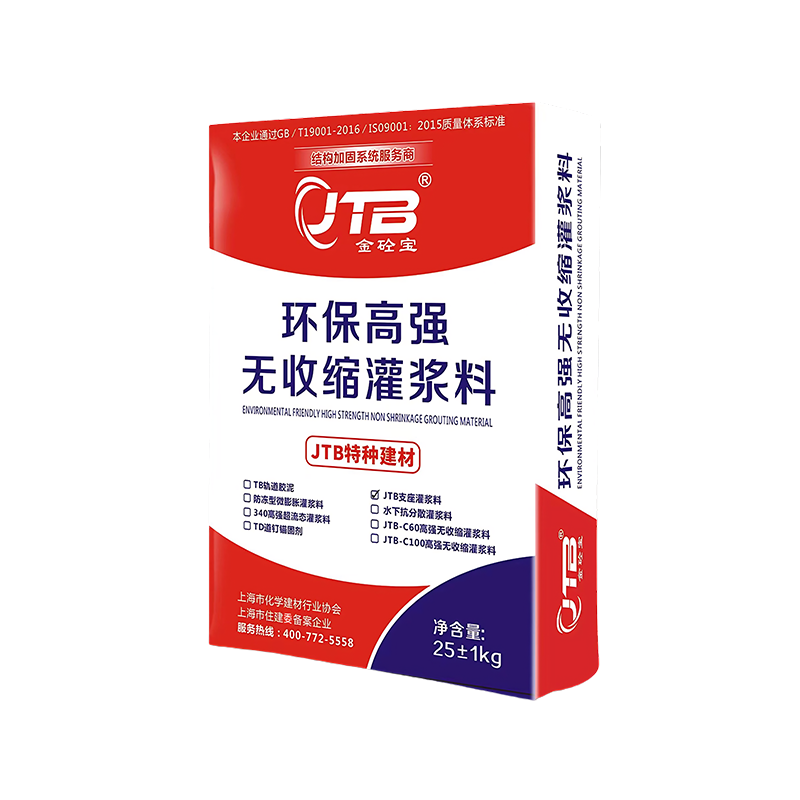 Bridge Bearing Grout
VIEW MORE
Bridge Bearing Grout
VIEW MORE
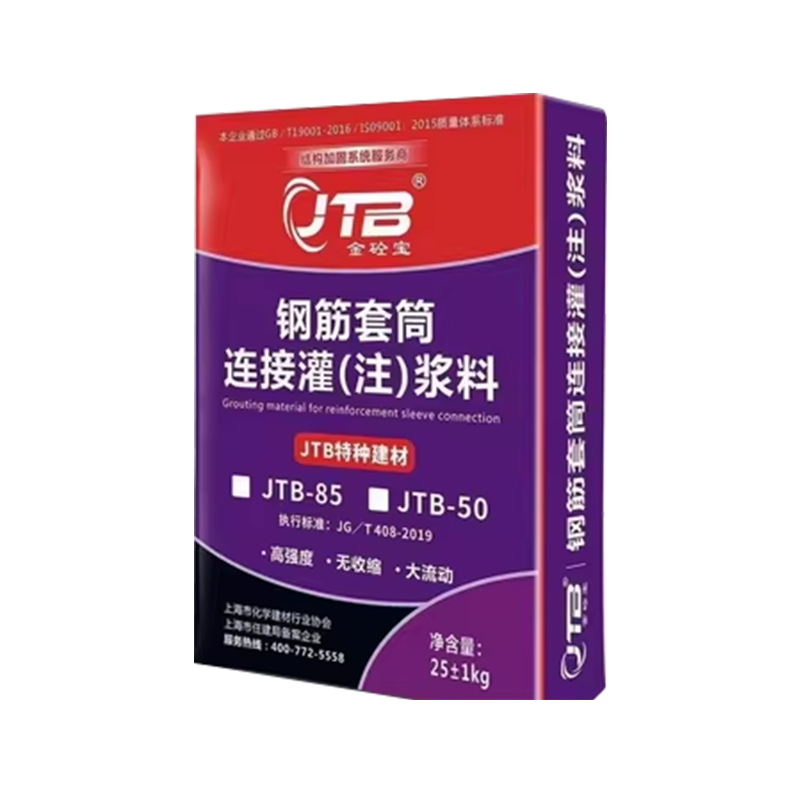 Rebar Coupler Grout
VIEW MORE
Rebar Coupler Grout
VIEW MORE
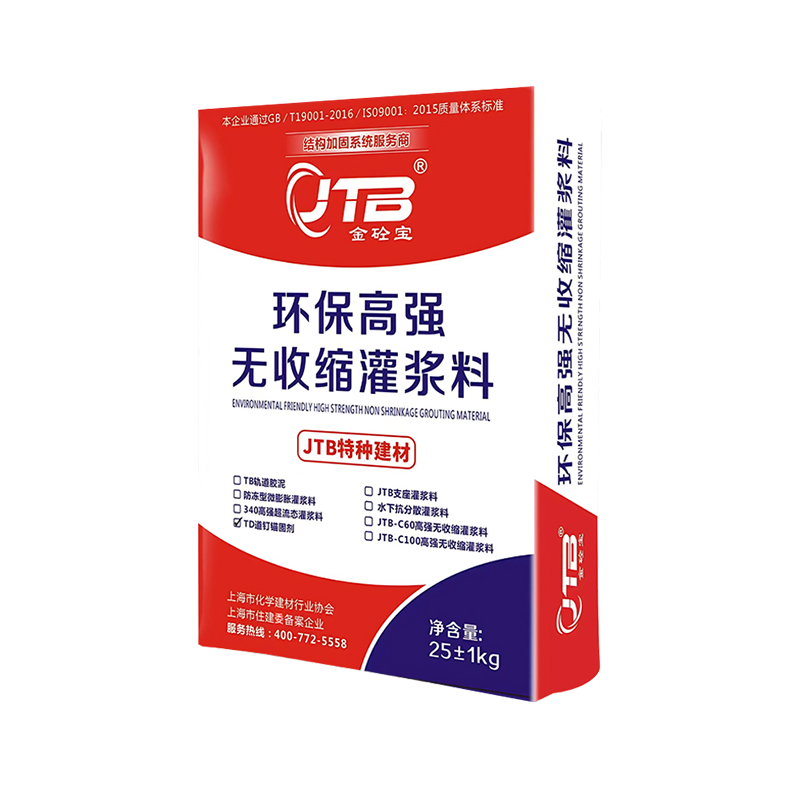 Rail Spike Anchoring Grout
VIEW MORE
Rail Spike Anchoring Grout
VIEW MORE
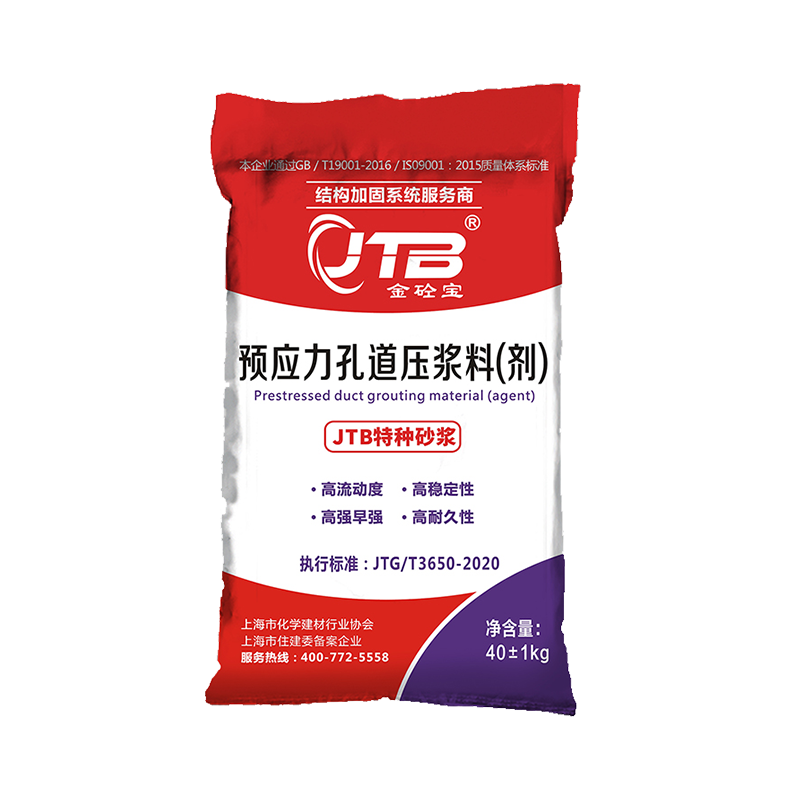 Prestressed Duct Grout
VIEW MORE
Prestressed Duct Grout
VIEW MORE
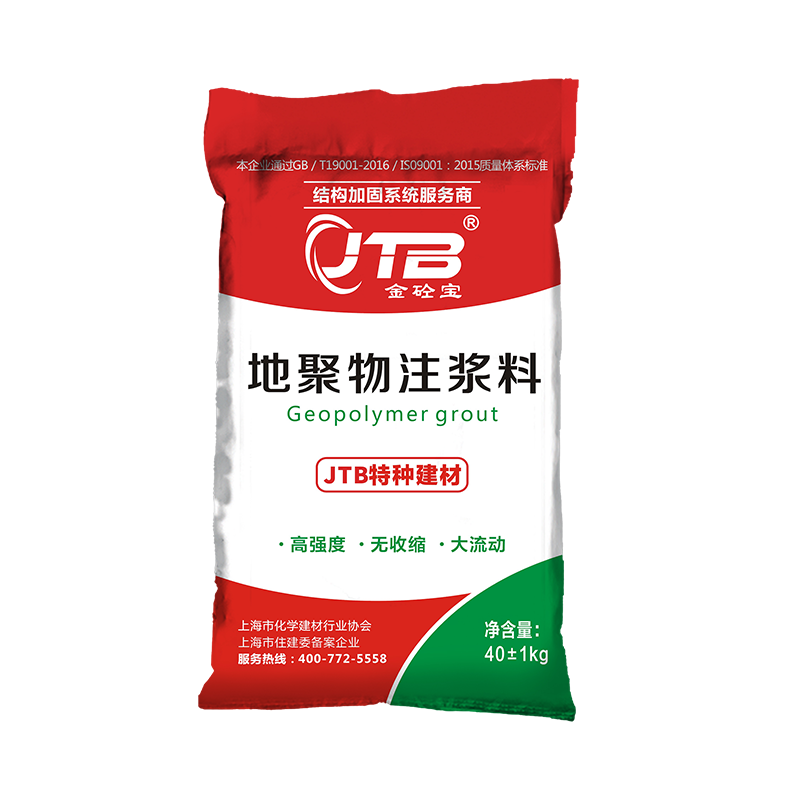 Geopolymer Grout
VIEW MORE
Geopolymer Grout
VIEW MORE
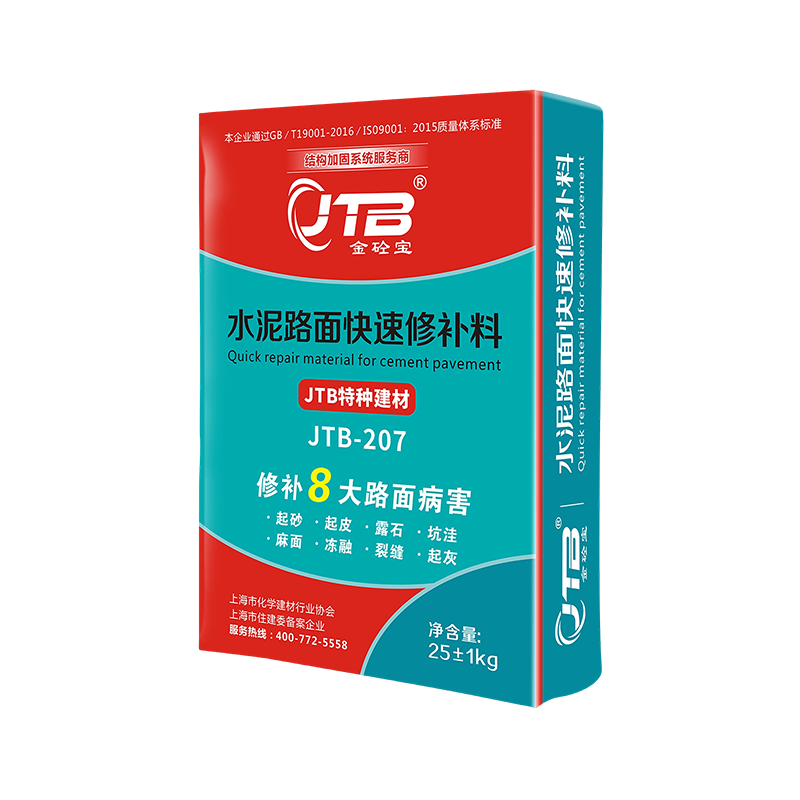 Rapid Repair Mortar for Concrete Pavement
VIEW MORE
Rapid Repair Mortar for Concrete Pavement
VIEW MORE
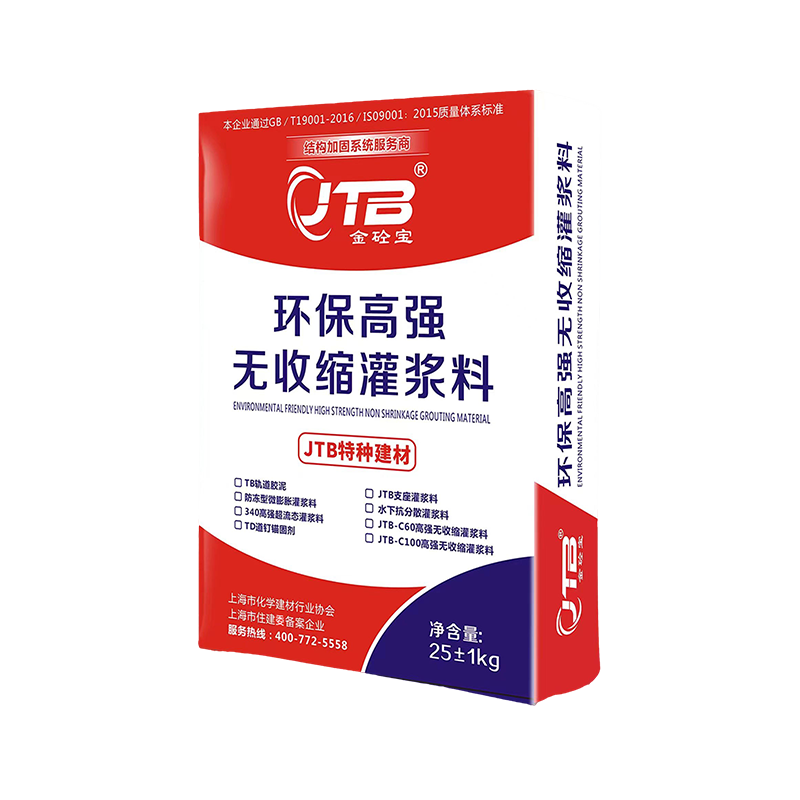 Rapid Repair Mortar for Airport Runways & Bridges
VIEW MORE
Rapid Repair Mortar for Airport Runways & Bridges
VIEW MORE
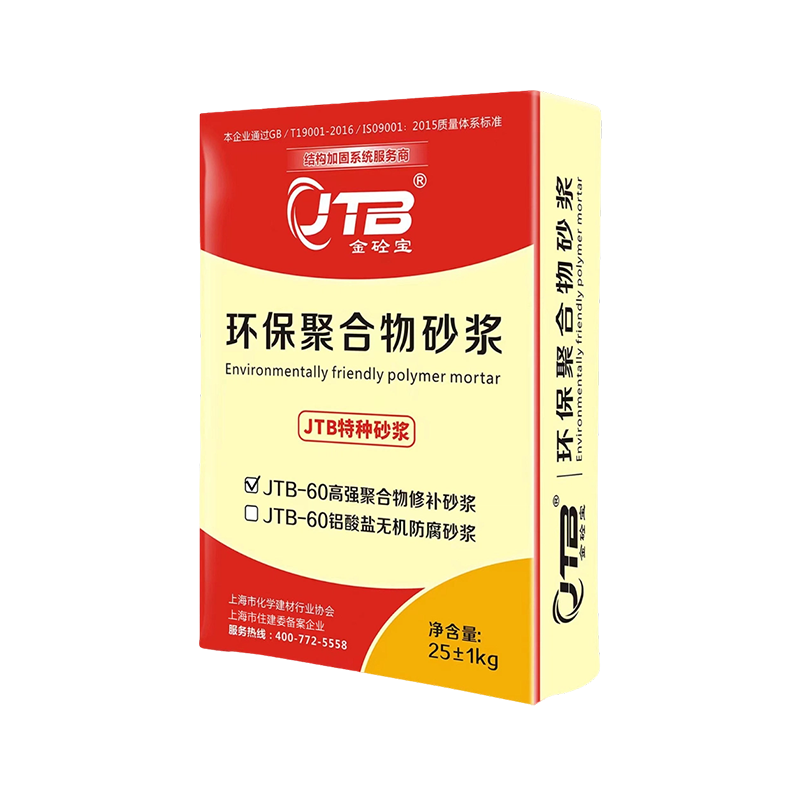 Polymer Repair Mortar
VIEW MORE
Polymer Repair Mortar
VIEW MORE
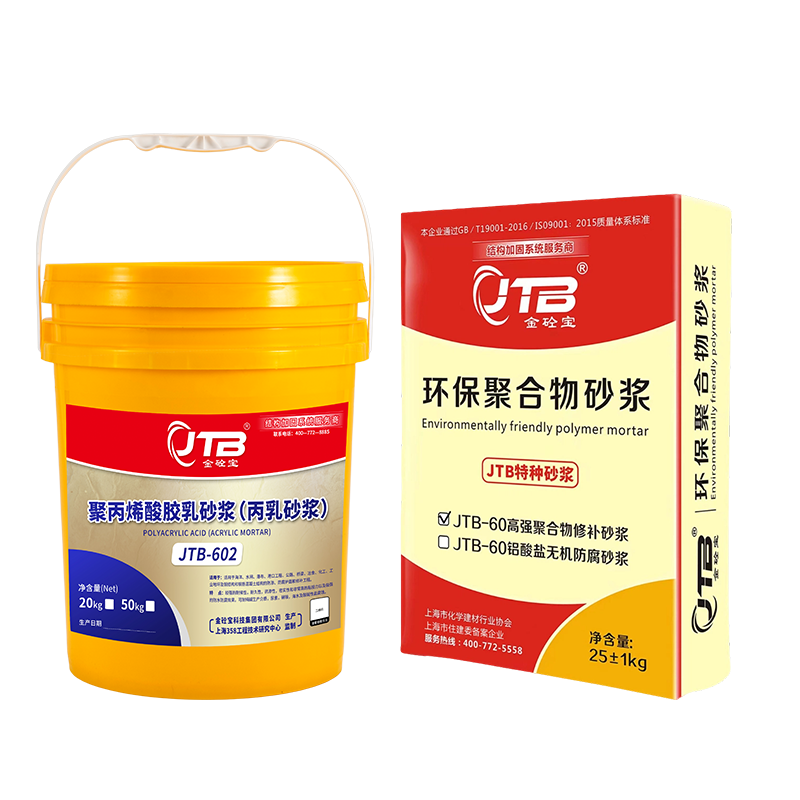 Acrylic Emulsion Mortar
VIEW MORE
Acrylic Emulsion Mortar
VIEW MORE
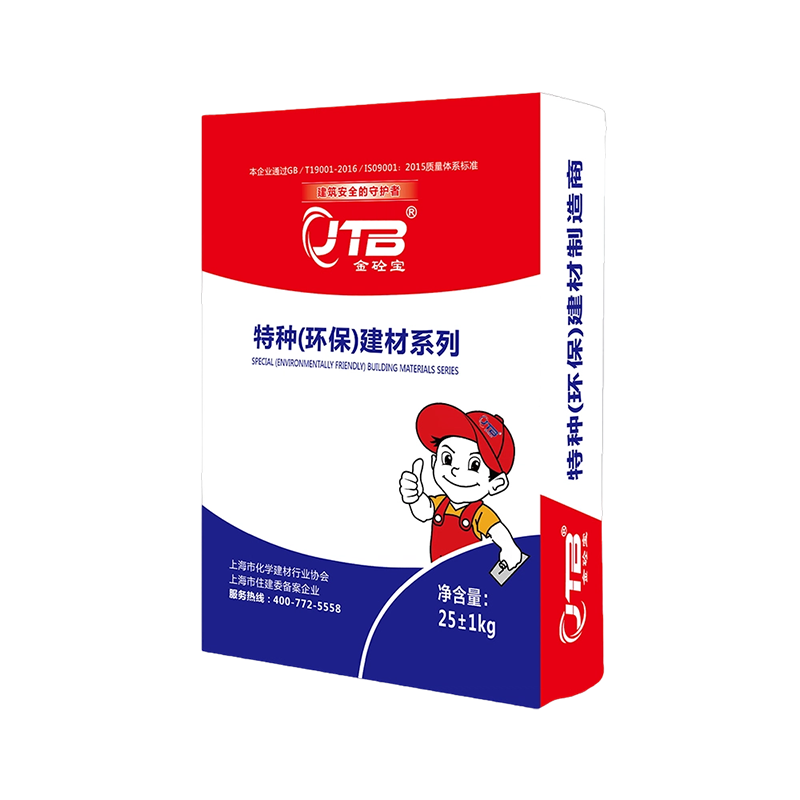 Crack-Resistant Mortar
VIEW MORE
Crack-Resistant Mortar
VIEW MORE
Jintongbao group is a one-stop structural strengthening system service and solution provider with more than 20 years of industry experience.

+86-158 6293 6789
400-772-5558

76073937@qq.com

Qianjin Hebei Road, Dantu District, Zhenjiang City, Jiangsu Province, China
Copyright © Jintongbao Technology Group Co. , Ltd.All rights reserved.

