
 en
 English
 Español

 Structural Strengthening System Service Provider
Product
Company
News


Content
Cold joints in concrete slabs raise a fair amount of concern on site, and often they appear when the schedule is already tight. A cold joint is simply the surface between two separate concrete placements when the first placement has begun to set before the second one arrives. The two layers do not truly intermingle, and the resulting line can become a path for water, a point for cracking, or a source of structural doubt. At Jintongbao, we have spent years helping contractors work through this exact problem, and the first thing we tell them is usually reassuring: a cold joint is not automatically a fatal defect.
A cold joint forms when fresh concrete is placed against concrete that has already lost its plasticity. The delay can be 30 minutes in hot, dry weather or several hours in cooler conditions. Once the first layer has reached initial set, the two layers cannot be integrated by vibration or by placing the next batch directly on top. The visible result is a fine line, often with sand or laitance along the surface, where the concrete has not bonded across the full section.
It helps to place a cold joint in context. A construction joint is planned, prepared, and detailed to transfer load. An expansion or contraction joint is intentionally created to control movement. A cold joint is unplanned and unprepared, which is why its behavior is less predictable.
| Joint Type | How It Is Formed | Structural Intention | Typical Treatment |
|---|---|---|---|
| Construction joint | Planned stopping point with prepared surface | Designed to transfer load | Keyway, reinforcement, bonding agent |
| Cold joint | Unplanned delay in placement | Not intentionally designed | Assess, bond, inject, or seal |
| Contraction joint | Cut or formed in fresh concrete | Controls drying shrinkage cracking | Sealed with a suitable joint filler |
| Expansion or isolation joint | Separates slab from other elements | Allows independent movement | Compressible fill and sealant |
The significance of a cold joint depends on the stress state at that location. If the joint is in a compression zone, it may carry load without obvious trouble. If it sits in a tension or flexural zone, it becomes the weakest link in the section and can open further under repeated loading. In a slab on grade, the most common complaint is water tracking through the joint. Over time, that water can soften the subgrade, carry fine particles, and eventually create a void under the slab.
In structural slabs, such as parking decks, bridge decks, or transfer slabs, the risk is higher. A cold joint can reduce the effective shear capacity, allow reinforcement to corrode, and shorten the service life of the whole element. That is why our bridge and tunnel engineering systems often include joint assessment and repair as a first step before any strengthening work is considered.
Most cold joints are the result of planning gaps or equipment failure, not poor workmanship. The same patterns appear on projects around the world, and identifying them early can prevent a repeat delay.
When we are brought in after a cold joint has formed, we ask about the pour sequence, the timing, and the weather. The answers help us decide whether the joint needs a simple seal or a complete structural repair.
There is no single repair for every cold joint. The right method depends on the joint width, the condition of the exposed concrete, the load path, and whether the slab is on grade or suspended. In general, the repair process moves from assessment to bonding and injection to surface restoration.
Before any material is applied, the joint needs to be opened and inspected. Use a grinder or saw to expose a sound surface along the joint line. Look for loose aggregate, laitance, and signs of water staining. If the joint is tight and clean, it may only need epoxy injection. If the concrete is broken out along the joint, a repair mortar or a localized replacement may be required. In heavily loaded slabs, the repair design may also call for dowels or rebar drilled and bonded across the joint to restore continuity.
When a second pour is placed against hardened concrete, the existing surface must be clean, sound, and preferably damp. A high-quality interface bonding agent helps create adhesion between the old and new layers. It should be applied with a brush or spray just ahead of the concrete placement, and the second layer should be placed before the bonding agent dries.
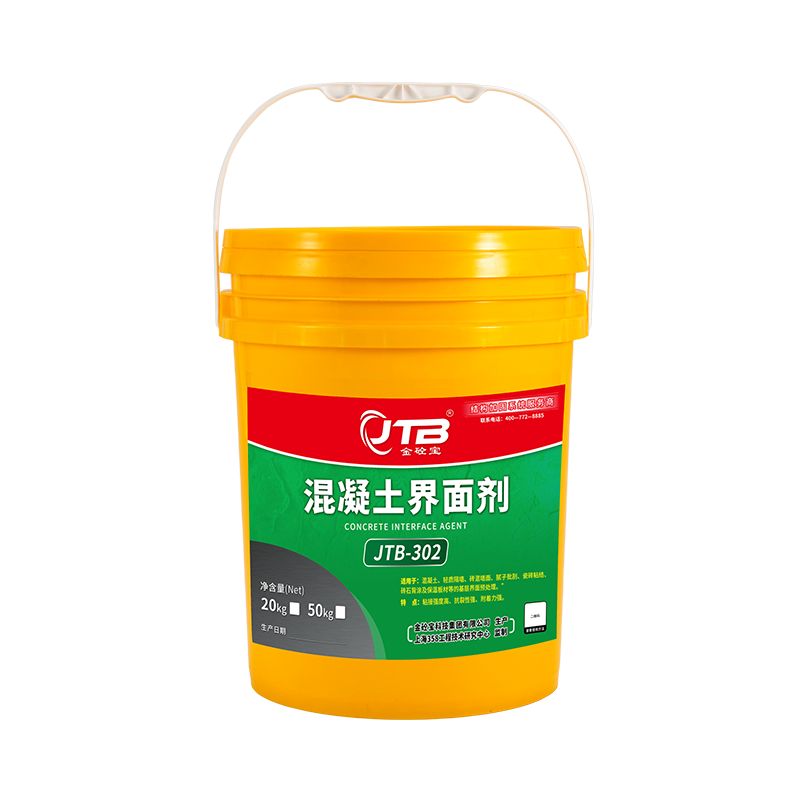 JTB-302 Interface Bonding Agent for Concrete JointsUse this bonding agent to improve adhesion between new and old concrete layers. It prevents hollowing and debonding, and is suitable for damp substrates and construction joints.View Product →
Our interface bonding agent is designed for exactly this situation. It improves the bond of fresh concrete, mortar, and repair materials to sound concrete substrates, which makes it a practical choice at a planned construction joint or an unavoidable cold joint.
For cold joints that are tight but still represent a plane of weakness, epoxy injection is the most reliable way to restore continuity. Small ports are placed along the joint, the surface is sealed, and low-viscosity epoxy is pumped into the joint under pressure. The epoxy fills the void, bonds to the concrete on both sides, and restores the joint’s ability to transfer stress.
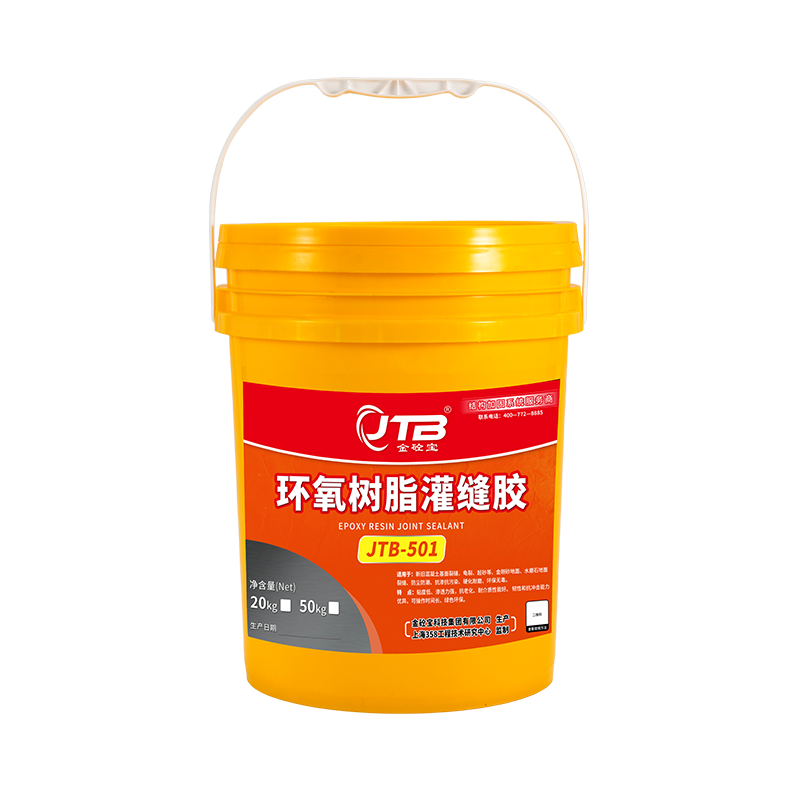 Low-Viscosity Epoxy Injection Resin for Structural CracksInject this epoxy into tight cold joints to restore structural continuity. It bonds to both sides of the crack, filling voids and enabling effective stress transfer.View Product →
Epoxy injection is most effective when the joint is dry, the concrete is sound, and the joint has not opened wider than the epoxy can reasonably fill. For wider joints, or joints with active movement, injection alone may not be enough.
After a cold joint has been cleaned, bonded, or injected, the surface usually needs to be brought back to profile. This is where a compatible repair mortar is useful. A cement-based polymer repair mortar can be applied to the joint area to level the surface, close the visible line, and protect the repair from traffic and water.
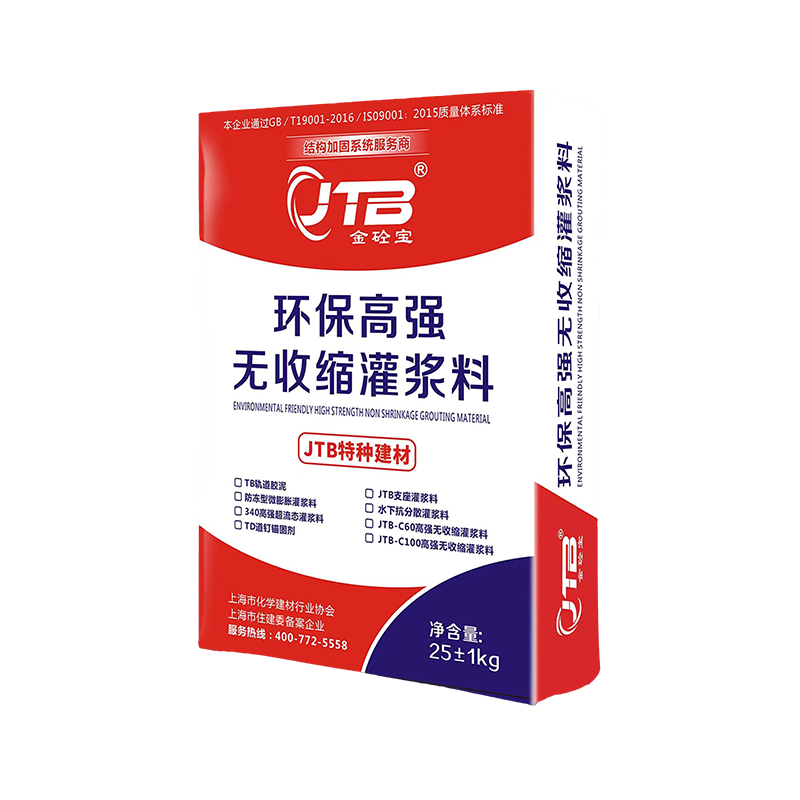 Ultra-Early Strength Rapid Repair Mortar for Heavy Traffic SurfacesThis mortar levels joint areas and protects repairs from traffic and water. It gains high early strength, allowing reopened roadways within two hours.View Product →
For slabs exposed to heavy traffic, such as loading docks, airport aprons, or bridge decks, a rapid repair mortar with good early strength can reopen the area quickly. We also have a step-by-step guide to concrete repair mortar when the repair team needs more detailed application advice.
Prevention is always simpler than repair. The goal is to keep the concrete moving fast enough that each batch is placed and compacted before the previous batch starts to set. That means matching the supply rate to the placing and finishing capacity of the crew.
These measures do not guarantee a perfect pour, but they reduce the chance of a cold joint considerably.
A cold joint in a concrete slab is not usually a reason to tear the slab out. With the right assessment, compatible bonding products, epoxy injection where needed, and a durable repair mortar, most slabs can go on to provide many more years of service. If a cold joint is causing concern on your project, send us a few photos, the pour record, and the joint location. We can help you decide whether it is a simple maintenance problem or a structural issue that needs engineering input.
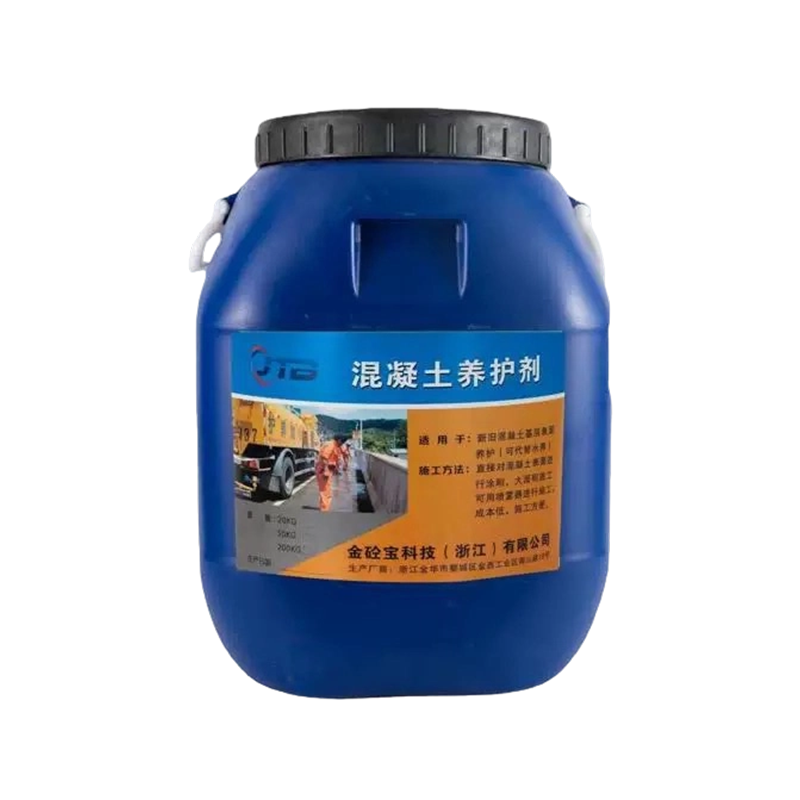 Concrete Curing Compound
VIEW MORE
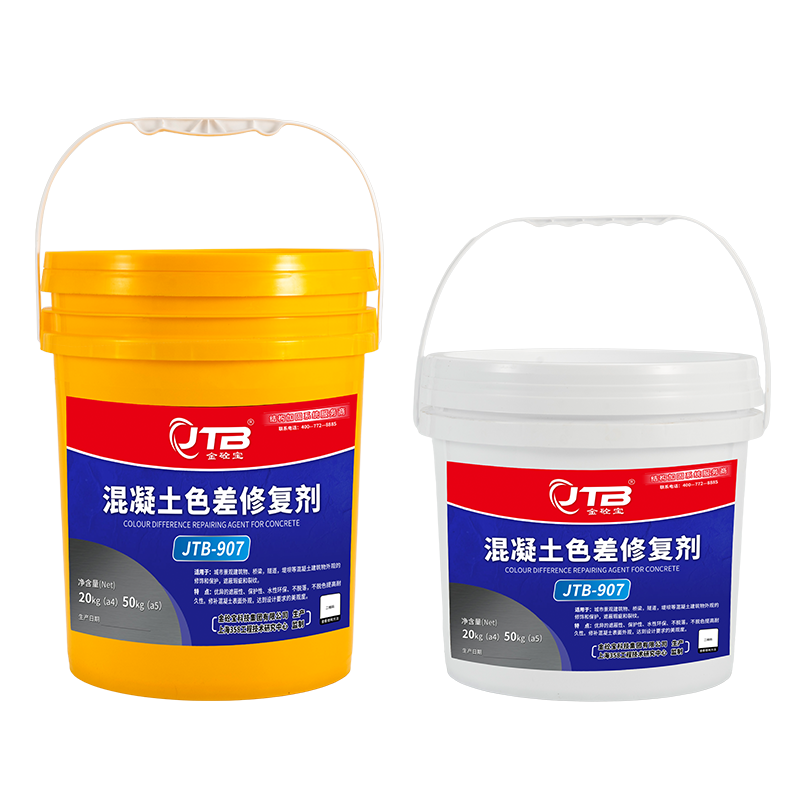 Concrete Color Repair Agent
VIEW MORE
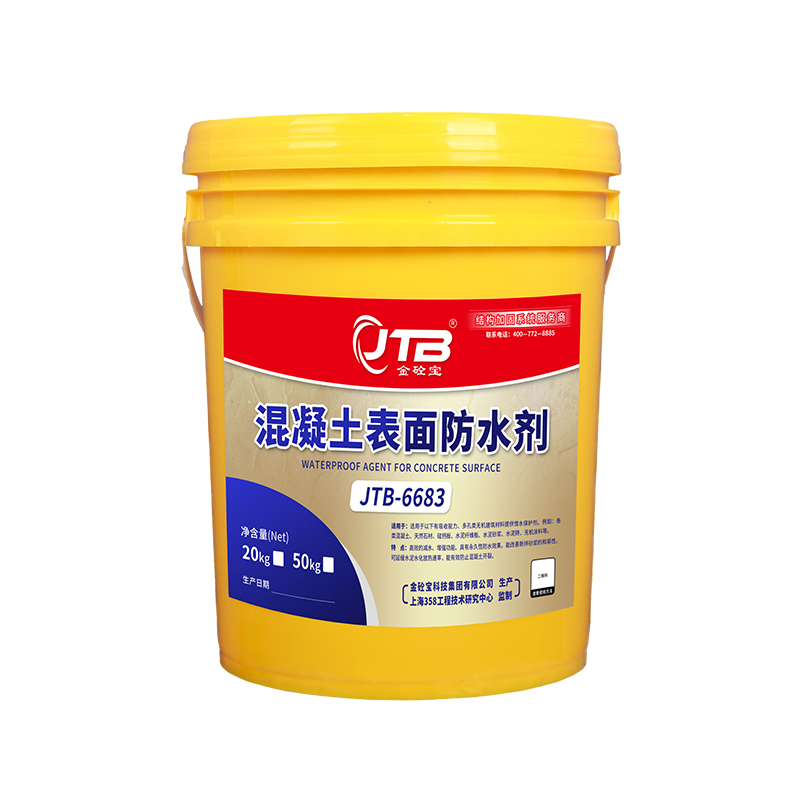 Concrete Waterproofing Admixture
VIEW MORE
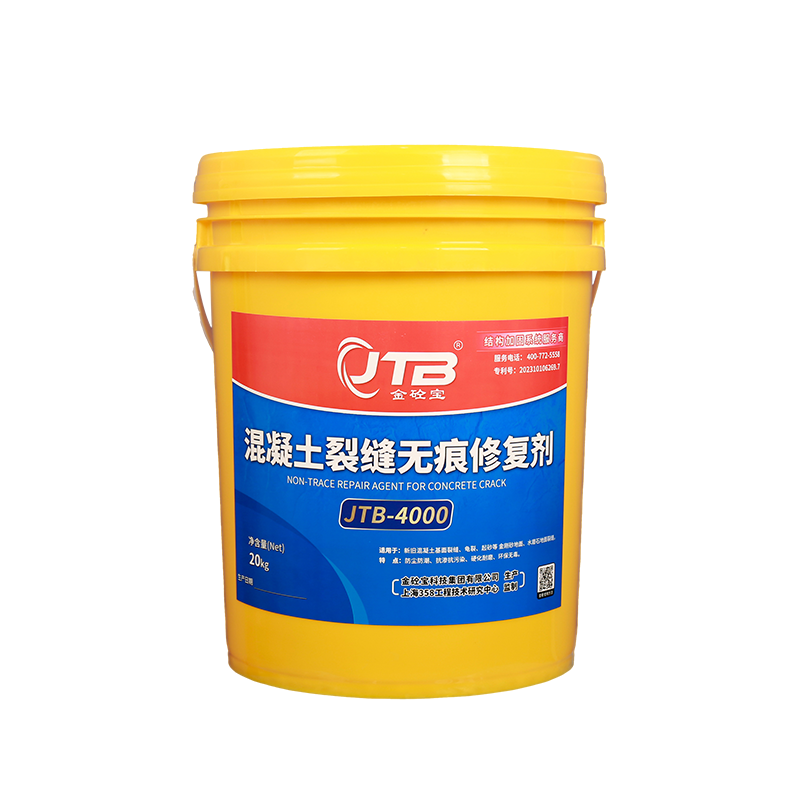 Concrete Crack Repair Agent
VIEW MORE
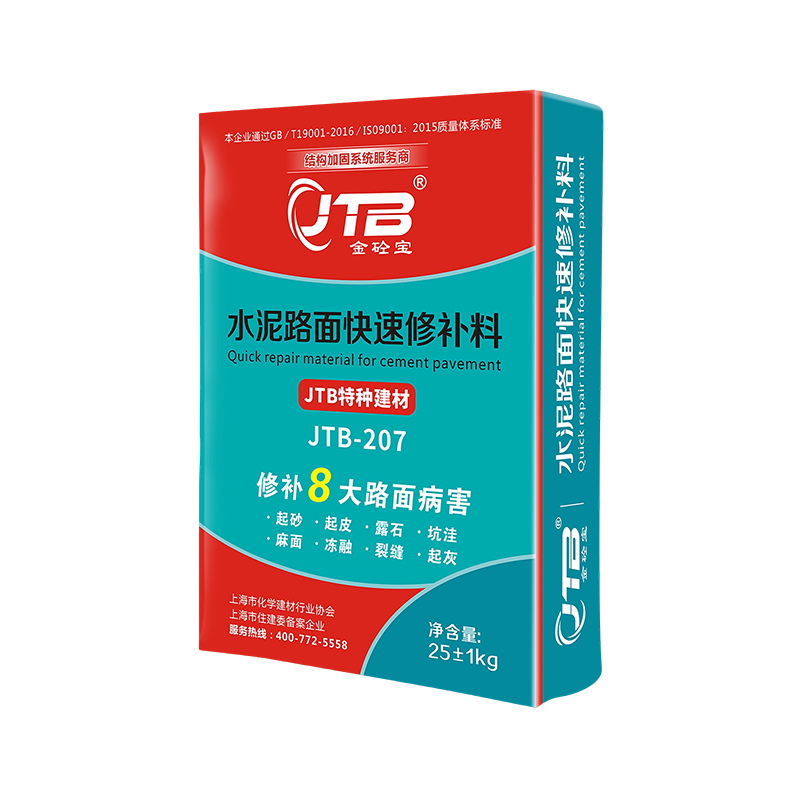 Rapid Repair Mortar for Concrete Pavement
VIEW MORE
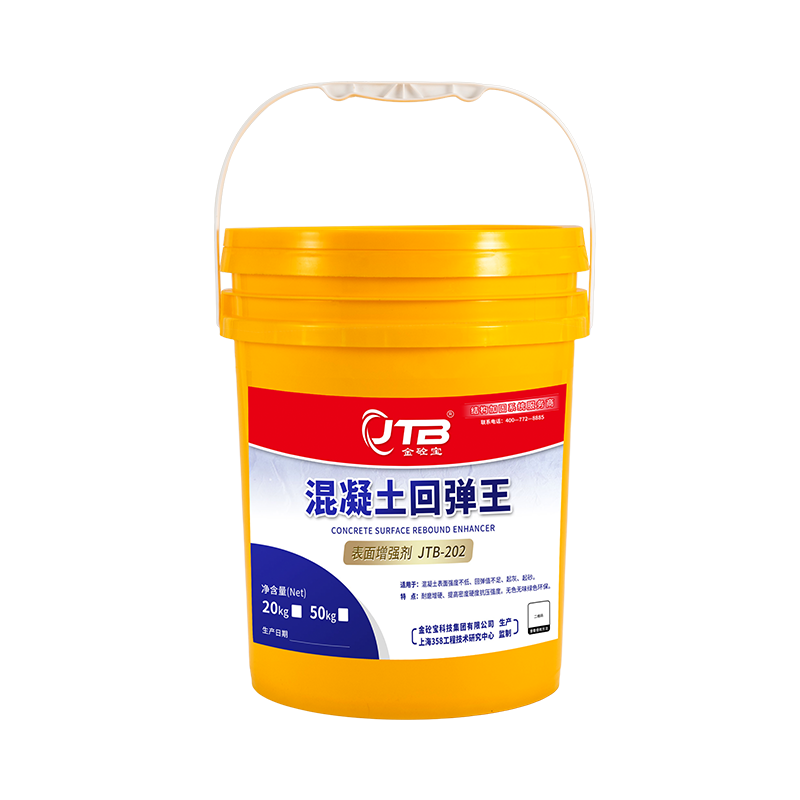 Concrete Surface Strengthener
VIEW MORE
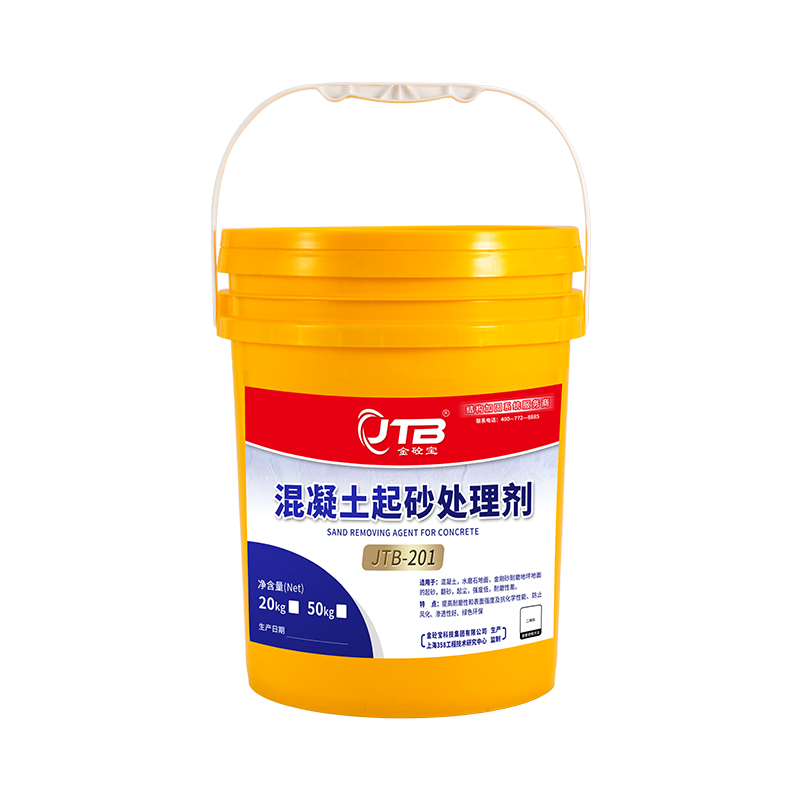 Concrete Surface Hardener
VIEW MORE
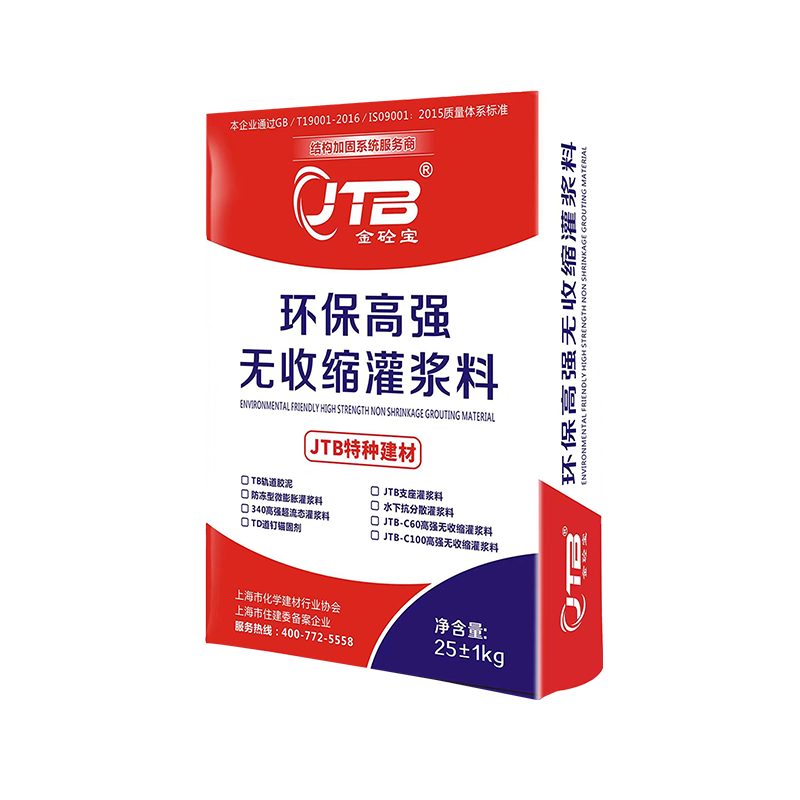 Eco-Friendly High-Strength Non-Shrink Grout
VIEW MORE
Curing concrete is the quiet part of the job. The screed has been pulled, the trowel marks are gone, and everyone on si...
READ MOREAn isolation joint is a full-depth separation between two concrete elements that allows each one to move on its own. If...
READ MOREPrecision grouting differs from standard concrete grouting primarily in aggregate size, flow behavior, and shrinkage co...
READ MOREConcrete looks like it never moves, but it does, constantly. It shrinks as it cures, swells in summer heat, contracts i...
READ MORE
JTB technology group is a one-stop structural strengthening system service and solution provider with more than 10 years of industry experience.

+86-138 6245 1066
400-772-5558

sales@jtbmaterials.com

Qianjin Hebei Road, Dantu District, Zhenjiang City, Jiangsu Province, China
Copyright © JTB Technology Group Co. , Ltd.All rights reserved.
Cutsom Construction Chemicals & Reinforcement Materials Manufacturer

