
 en
en
 English
 Español
 Structural Strengthening System Service Provider
Product
Company
News


Content
Precision grouting differs from standard concrete grouting primarily in aggregate size, flow behavior, and shrinkage control, each of which is engineered specifically to transfer heavy, concentrated loads without gaps forming beneath equipment baseplates. Standard concrete grouting relies on coarse aggregate and gravity placement suited for general filling work, while precision grouting uses fine, graded aggregate combined with high-flow and micro-expansive additives to achieve complete contact under machinery bases where even small voids can cause vibration or misalignment over time. This distinction becomes particularly relevant in applications where equipment tolerances are measured in fractions of a millimeter rather than the centimeter-level tolerances typical of general construction work.
Standard concrete grouting mixes typically use aggregate particles ranging from 5 to 20 millimeters, a size range well suited for filling foundation voids, anchoring bolts, or leveling slabs where the surrounding structure can tolerate minor inconsistencies in mix density. Precision grouting formulations instead rely on finely graded sand or micro-aggregate, often kept under 2 to 4 millimeters, blended with cementitious binder and specialty additives that control flow and expansion behavior during curing.
This finer aggregate composition allows the grout to flow into narrow gaps and around anchor bolts without segregating, meaning the heavier particles do not settle out and leave a weaker, resin-rich layer near the surface. A grout mix built around high-strength aggregate and cement binder, supplemented with fluidity-enhancing and anti-segregation agents, tends to maintain a uniform particle distribution throughout the pour, which directly supports consistent load-bearing performance once the material cures.
Flowability represents one of the more measurable distinctions between the two grouting categories. Standard concrete grout is typically mixed to a stiffer consistency and placed with manual tamping or vibration to remove air pockets, a method that works adequately for open pours but struggles to reach confined spaces such as the narrow gap beneath a CNC machine baseplate. Precision grouting formulations are designed as self-leveling or pourable mixes with significantly higher flow values, sometimes tested using a flow cone method that measures the time required for a fixed volume of grout to pass through a standardized opening.
High-flow precision grouts are commonly rated to travel horizontal distances of one meter or more from a single pour point while maintaining consistent density, which allows installation crews to fill baseplates with limited access points without creating multiple injection holes. Gap thickness for these mixes often falls in the 25 to 50 millimeter range, thin enough to support precise equipment leveling while still allowing the fine aggregate to move freely through the cavity.
Precision grouts generally offer a controlled working window, often between 20 and 40 minutes depending on ambient temperature, giving installation teams enough time to complete a continuous pour before the mixture begins to stiffen. Standard concrete grouting mixes can tolerate longer handling times but sacrifice the fluidity needed for tight tolerance work in exchange for that flexibility.
Ordinary cementitious materials naturally shrink slightly as they cure, a process driven by moisture loss and the chemical hydration reaction within the cement paste. In general construction grouting, this shrinkage is often accounted for within broader structural tolerances and does not compromise overall performance. Under precision equipment, however, even a shrinkage gap measured in tenths of a millimeter can create a void that allows the baseplate to flex under operating loads, gradually contributing to misalignment, increased vibration, or accelerated wear on rotating machinery components.
To address this, precision grouting formulations typically incorporate micro-expansive agents that offset natural cement shrinkage during the curing period, producing a slightly expansive or dimensionally stable result rather than a contracting one. This behavior helps maintain full, continuous contact between the grout layer and both the foundation below and the equipment baseplate above, which supports even load distribution across the entire contact surface rather than concentrating stress at a few high points.
The table below summarizes typical characteristics across both grouting categories to illustrate where the practical differences tend to concentrate.
| Characteristic | Standard Concrete Grouting | Precision Grouting |
|---|---|---|
| Aggregate Size | 5-20 millimeters | Under 2-4 millimeters |
| Flow Behavior | Stiff, requires tamping | Self-leveling, pourable |
| Shrinkage Behavior | Standard shrinkage during cure | Micro-expansive, shrinkage compensated |
| Typical Gap Thickness | 50 millimeters or greater | 25-50 millimeters |
| Common Application | Foundation filling, slab leveling | Machine baseplates, precision equipment |
Precision grouting appears frequently beneath CNC machining centers, where consistent alignment directly affects cutting tolerance and surface finish quality on manufactured parts. Turbine generator bases in power plants also rely on precision grouting to maintain rotational balance under continuous operating loads, since even minor baseplate movement can introduce vibration that shortens bearing lifespan over time. Crane rail foundations, compressor skids, and heavy pump installations represent additional settings where the combination of high flow, controlled shrinkage, and elevated compressive strength allows equipment to transfer operational loads evenly into the underlying concrete foundation.
Bridge bearing pads and precast structural connections sometimes use similar high-strength, high-flow grout formulations, though in these cases the priority often shifts toward rapid strength gain to minimize construction downtime rather than the ongoing vibration resistance that machinery installations require. Selecting the appropriate grouting category for a given project generally depends on evaluating the expected load pattern, the available gap dimensions, and how much shrinkage the surrounding structure can tolerate without affecting long-term performance.
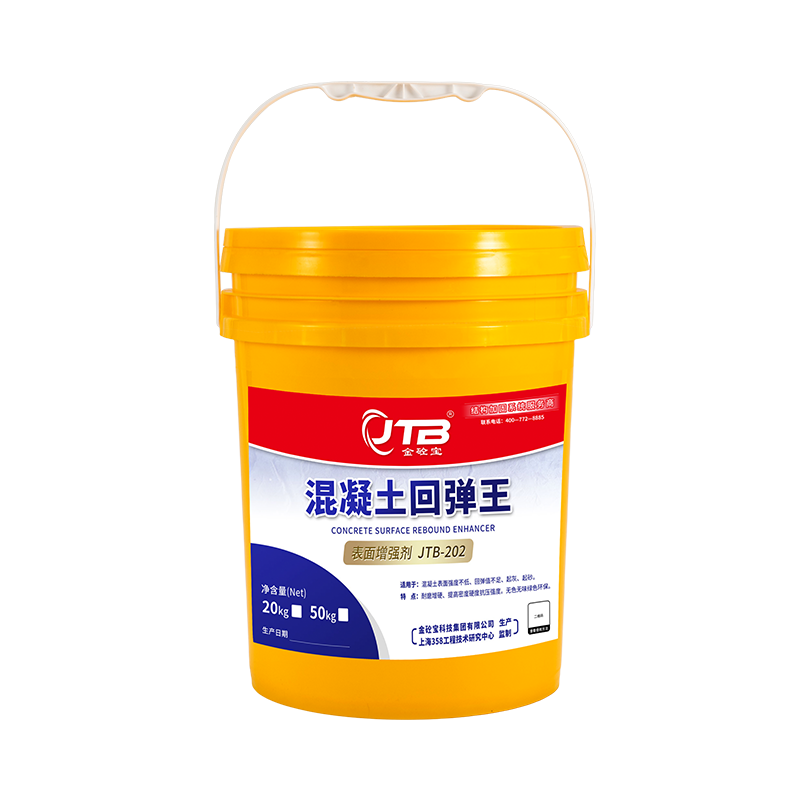 Concrete Surface Strengthener
VIEW MORE
Concrete Surface Strengthener
VIEW MORE
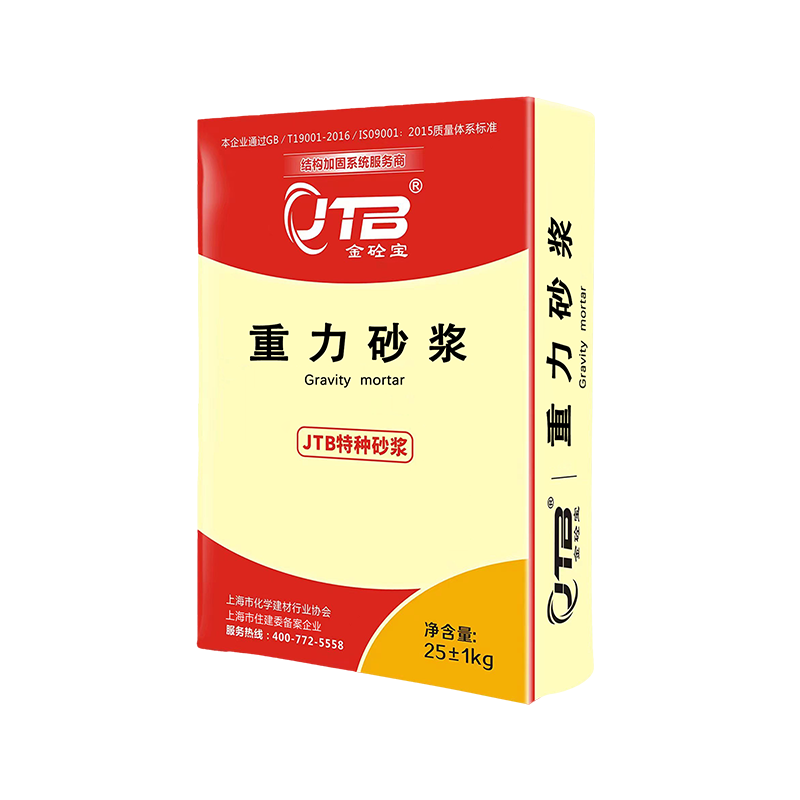 Gravity Grouting Mortar
VIEW MORE
Gravity Grouting Mortar
VIEW MORE
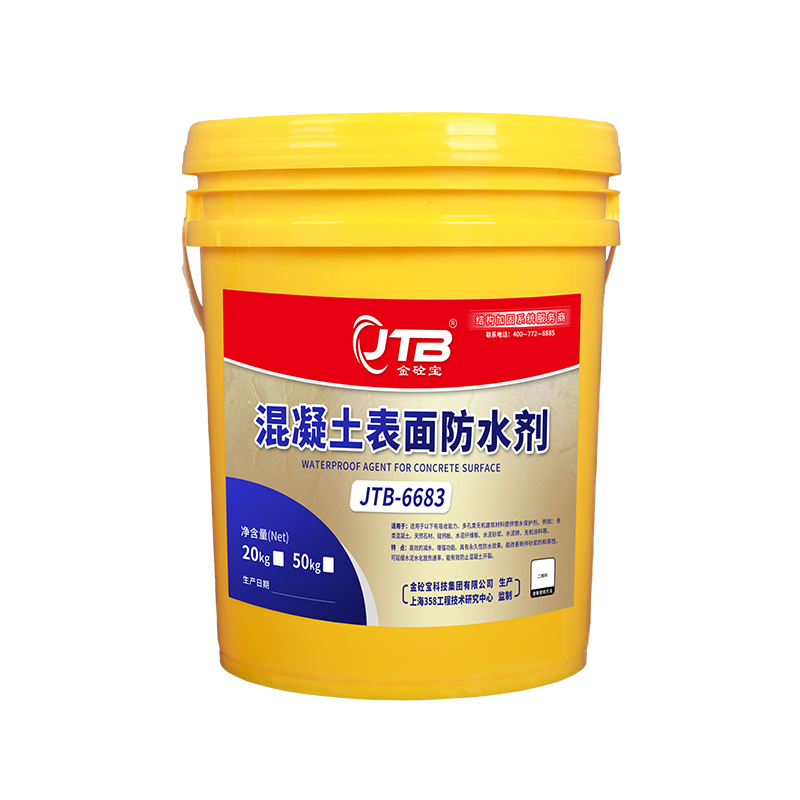 Concrete Waterproofing Admixture
VIEW MORE
Concrete Waterproofing Admixture
VIEW MORE
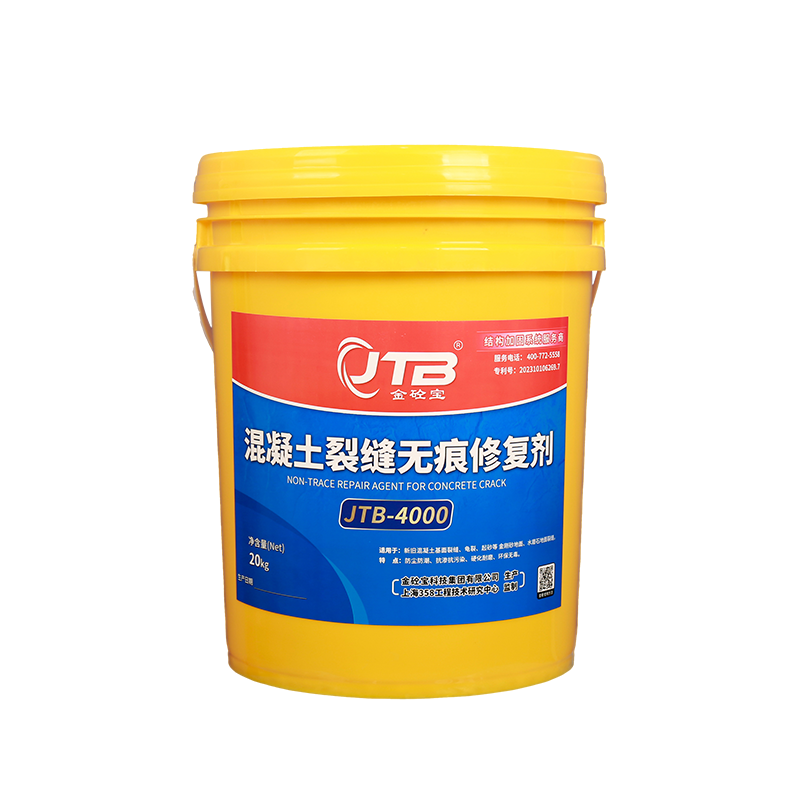 Concrete Crack Repair Agent
VIEW MORE
Concrete Crack Repair Agent
VIEW MORE
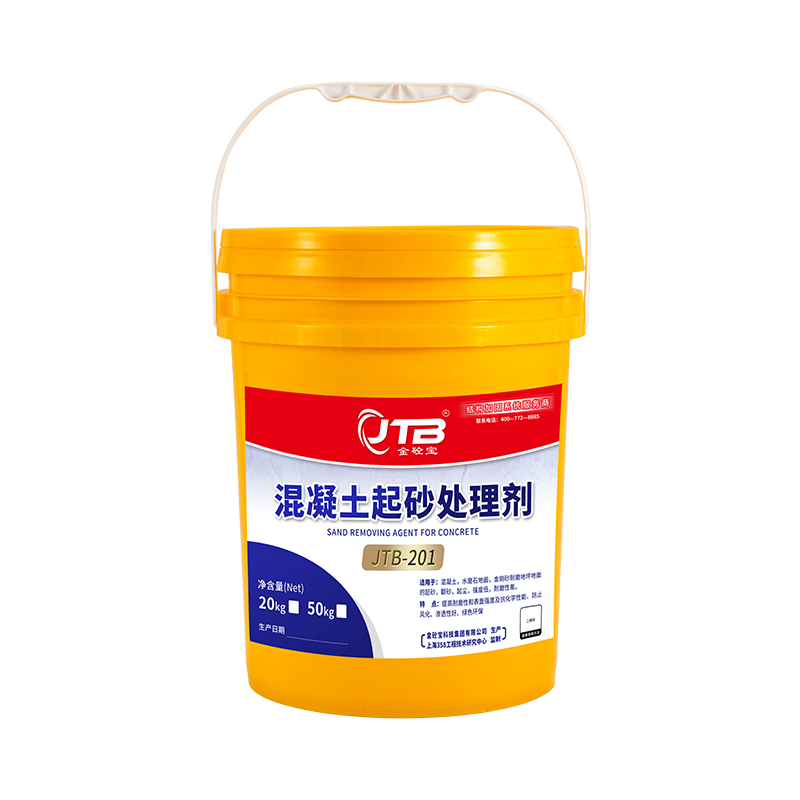 Concrete Surface Hardener
VIEW MORE
Concrete Surface Hardener
VIEW MORE
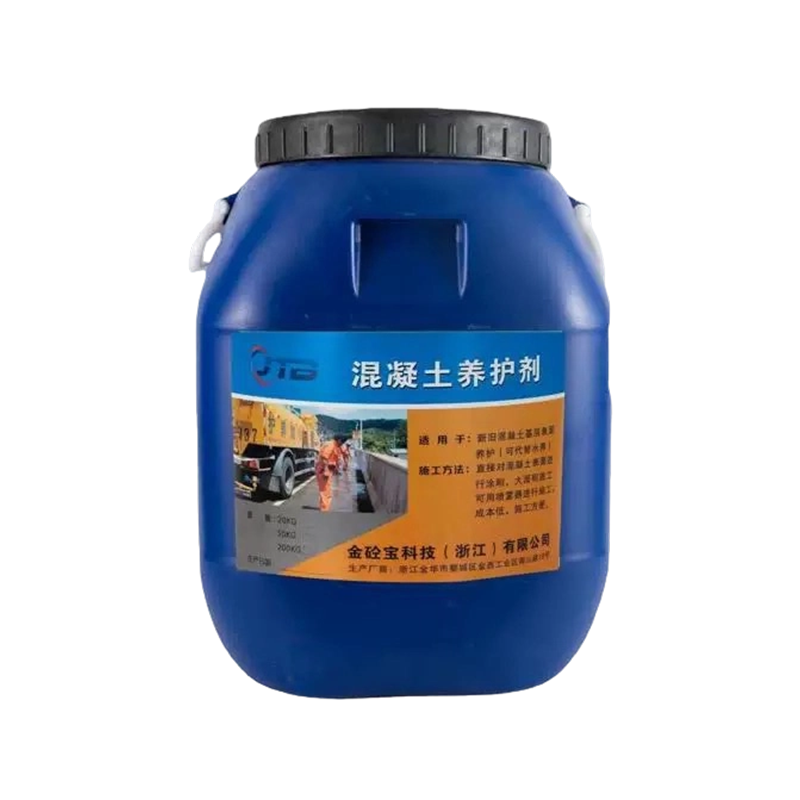 Concrete Curing Compound
VIEW MORE
Concrete Curing Compound
VIEW MORE
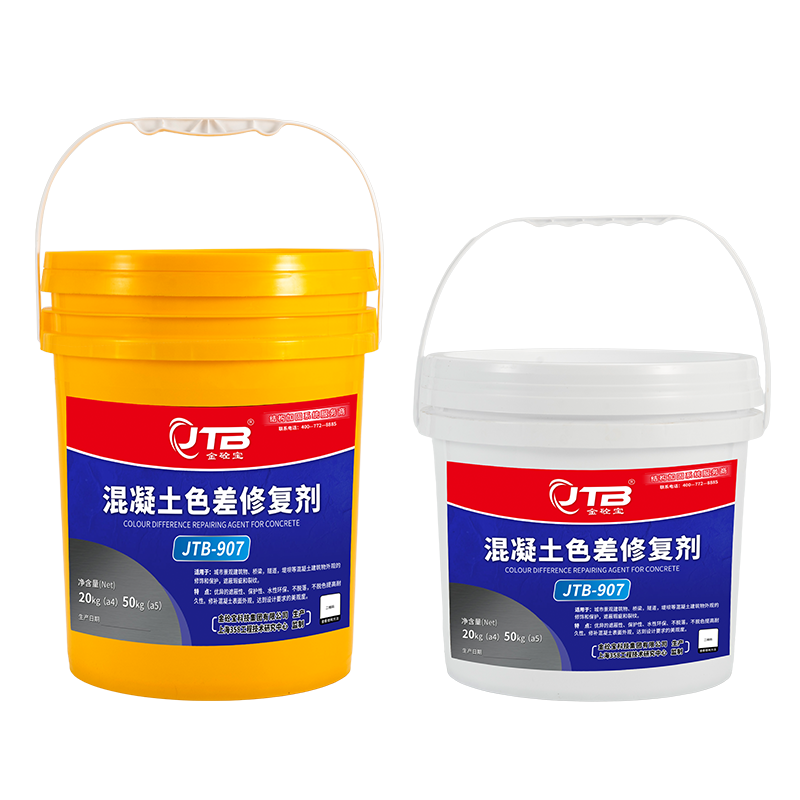 Concrete Color Repair Agent
VIEW MORE
Concrete Color Repair Agent
VIEW MORE
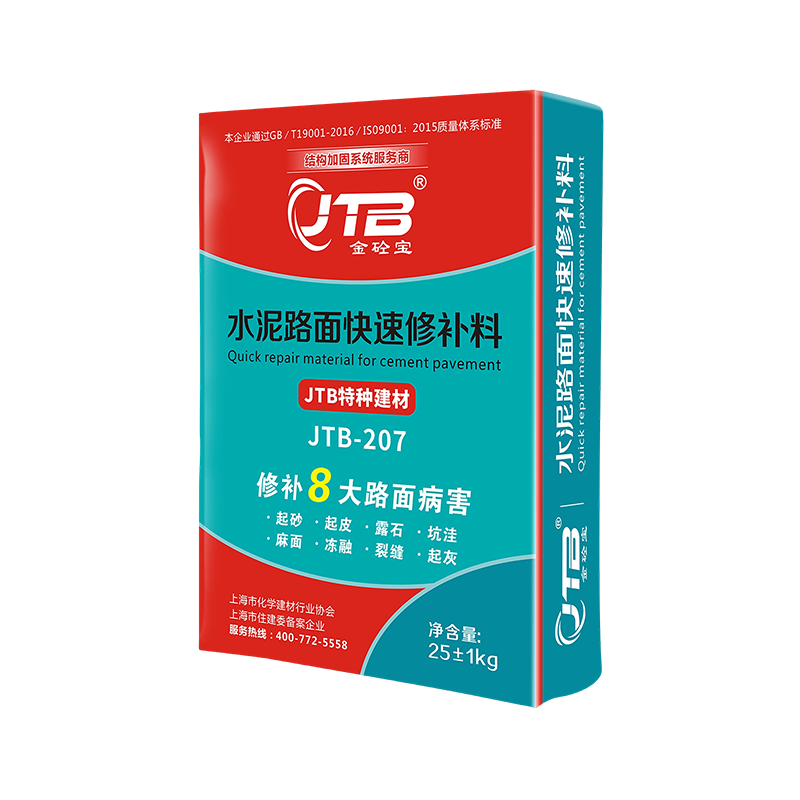 Rapid Repair Mortar for Concrete Pavement
VIEW MORE
Rapid Repair Mortar for Concrete Pavement
VIEW MORE
Technical Engineering Insights Comprehensive Chemical & Mechanical Guide to Concrete Admixtures Modern concrete de...
READ MOREMaterial Science & Construction Water, Stone, and Polymer A close reading of how Polymer-Modified Cementitious Mort...
READ MOREIn the construction industry, cement grouting material plays a critical role in ensuring structural integrity and stabil...
READ MOREWhy Non-Shrink Grout Is Chosen for Load-Bearing Connections Non-shrink high strength construction grout is formulated t...
READ MORE
JTB technology group is a one-stop structural strengthening system service and solution provider with more than 10 years of industry experience.

+86-138 6245 1066
400-772-5558

sales@jtbmaterials.com

Qianjin Hebei Road, Dantu District, Zhenjiang City, Jiangsu Province, China
Copyright © JTB Technology Group Co. , Ltd.All rights reserved.
Cutsom Construction Chemicals & Reinforcement Materials Manufacturer

