
 en
en
 English
 Español
 Structural Strengthening System Service Provider
Product
Company
News


Content
Non-shrink high strength construction grout is formulated to fill gaps beneath baseplates, bearings, and structural connections without losing volume as it cures, which keeps the material in full contact with both surfaces and preserves the load path it was placed to support. Ordinary cementitious mixes tend to contract slightly during hydration, and even a small gap forming under a machine base or a steel column can concentrate stress at a single point rather than spreading it evenly, eventually causing cracking or loosening under repeated loading. Grout formulated with shrinkage-compensating additives counters this by expanding slightly during the plastic and early hardening stages, offsetting the natural contraction that would otherwise occur and leaving the cured material in continuous contact with the substrate.
The strength component matters just as much as the shrinkage control. Products in this category typically reach compressive strength figures in the range of 50 to 80 MPa at 28 days, which allows them to carry heavy static and dynamic loads from equipment, structural steel, or precast concrete elements without deforming under service conditions. This combination of dimensional stability and load-bearing capacity is what separates construction grout from general-purpose patching or leveling compounds.
Shrinkage in cementitious materials happens through a few overlapping mechanisms: plastic shrinkage as surface water evaporates before the mix sets, autogenous shrinkage as the cement paste consumes water during hydration, and drying shrinkage as remaining moisture leaves the hardened material over weeks or months. Non-shrink grout formulations address these mechanisms through expansive additives, commonly based on calcium sulfoaluminate or metallic aluminum powder, that generate a controlled internal expansion during curing. This expansion is calibrated to offset the volume loss from hydration and drying, rather than to expand the material beyond its original placed volume, which would create its own set of problems around bearing surface flatness.
Fine, graded aggregate is blended into the cementitious base to control flow consistency and reduce the risk of segregation as the grout is poured or pumped into confined spaces. A well-graded aggregate structure also limits the total shrinkage potential of the mix, since aggregate particles do not shrink the way cement paste does, so a higher aggregate content within the design generally corresponds to lower overall volume change. Flowable formulations are engineered to move under their own weight into narrow gaps as small as a few millimeters, filling voids beneath baseplates without trapped air pockets that would otherwise weaken the bearing surface.
Strength gain in non-shrink grout follows a curing curve similar to structural concrete but often accelerated through the fineness of the cement particles and the inclusion of supplementary cementitious materials such as silica fume or fly ash. Early strength is particularly relevant in situations where equipment needs to return to service quickly, and many formulations reach a substantial share of their design strength within 24 to 72 hours of curing, with continued gain through the standard 28-day curing period.
| Curing Period | Approximate Strength | Typical Use Stage |
|---|---|---|
| 24 hours | 20-30 MPa | Light equipment start-up |
| 7 days | 40-55 MPa | Partial structural loading |
| 28 days | 50-80 MPa | Full design load |
Temperature during curing has a noticeable effect on this timeline, since cement hydration slows in cold conditions and accelerates in warmer ones. Many manufacturers publish adjusted curing guidance for cold weather placement, and some formulations include additives specifically intended to maintain workable strength gain when ambient temperatures drop below typical placement thresholds.
Correct placement has as much influence on final performance as the material formulation itself. Forms are typically built with a head box on one side to create hydraulic pressure that pushes the grout completely under the baseplate, reducing the chance of voids forming in the center of large plates where gravity alone would not carry flowable material effectively. Pouring from a single direction, rather than from multiple points around the plate perimeter, helps air escape ahead of the advancing grout front instead of becoming trapped beneath the plate.
Substrate preparation is equally important. Concrete surfaces receiving the grout are usually roughened and saturated with water prior to placement, since a dry or smooth substrate can draw moisture out of the grout mix too quickly or fail to develop adequate mechanical bond. Bolt pockets and anchor holes are typically cleaned of debris and standing water before pouring, as trapped water can dilute the grout locally and create a weak zone around the anchor.
Non-shrink high strength grout is used wherever a rigid, gap-free connection between two structural or mechanical elements is required. Machine base grouting under compressors, turbines, and pumps relies on the material to transfer vibration and operating loads evenly into the foundation, preventing the misalignment that can develop when a baseplate rests on an uneven or partially voided surface. Bridge bearing pads and expansion joint assemblies use it to seat precisely against both the superstructure and the pier cap, maintaining consistent load transfer as the structure experiences thermal movement and traffic loading over years of service.
Anchor bolt installation for structural steel columns depends on this grout type to fill the annular space around the bolt and lock it rigidly within the foundation, a detail that affects how well the connection resists lateral and uplift forces during wind or seismic events. Precast concrete panel connections, post-tensioning duct grouting, and rail baseplate installation on transit systems represent additional settings where dimensional stability under load is a defining requirement rather than a secondary consideration.
Flow testing before pouring, typically using a flow cone method, confirms that the mixed grout has reached the consistency specified for the placement method, since a mix that is too thick may trap air while one that is too thin can segregate and lose strength uniformity. Compressive strength cubes or cylinders are commonly cast alongside the placement and tested at intervals matching the curing schedule, giving a direct measurement against the design strength rather than relying on visual inspection alone.
After curing, sounding the grouted area with a hammer or similar tool can reveal hollow spots indicating voids beneath the plate, a check often performed before equipment is brought into full operation. Bearing surface contact is sometimes verified through core sampling in critical structural applications, particularly on bridge and heavy industrial projects where an undetected void could compromise long-term performance under repeated loading cycles.
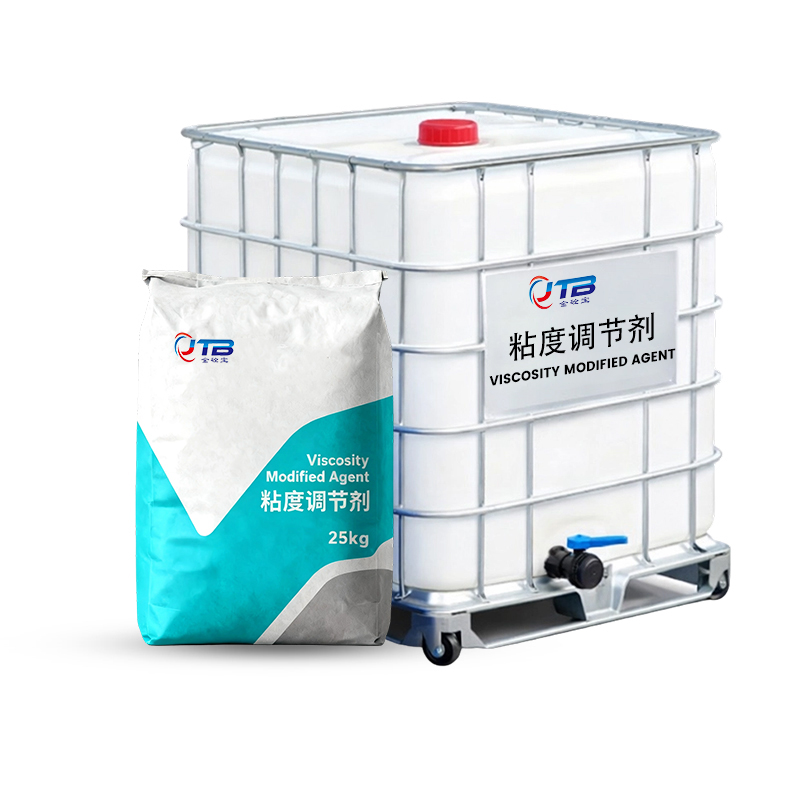 Viscosity Modifying Agent (VMA)
VIEW MORE
Viscosity Modifying Agent (VMA)
VIEW MORE
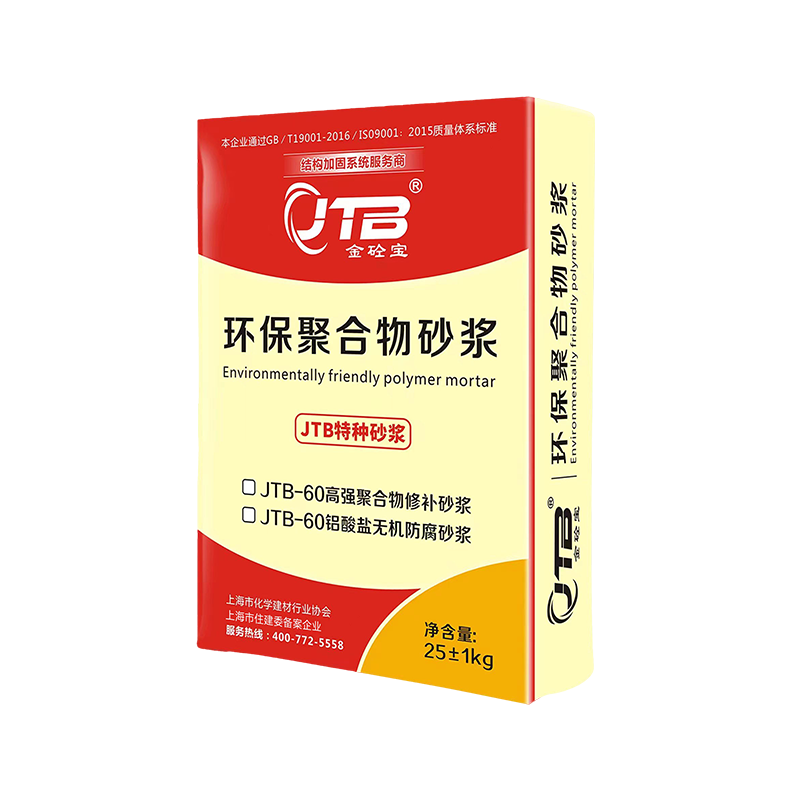 Polymer Strengthening Mortar
VIEW MORE
Polymer Strengthening Mortar
VIEW MORE
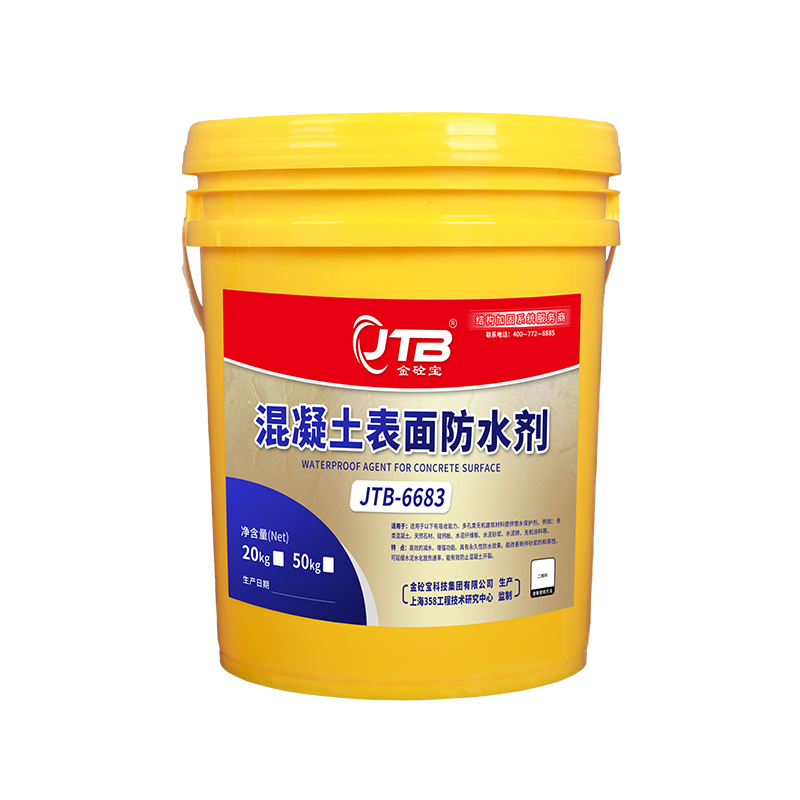 Concrete Waterproofing Admixture
VIEW MORE
Concrete Waterproofing Admixture
VIEW MORE
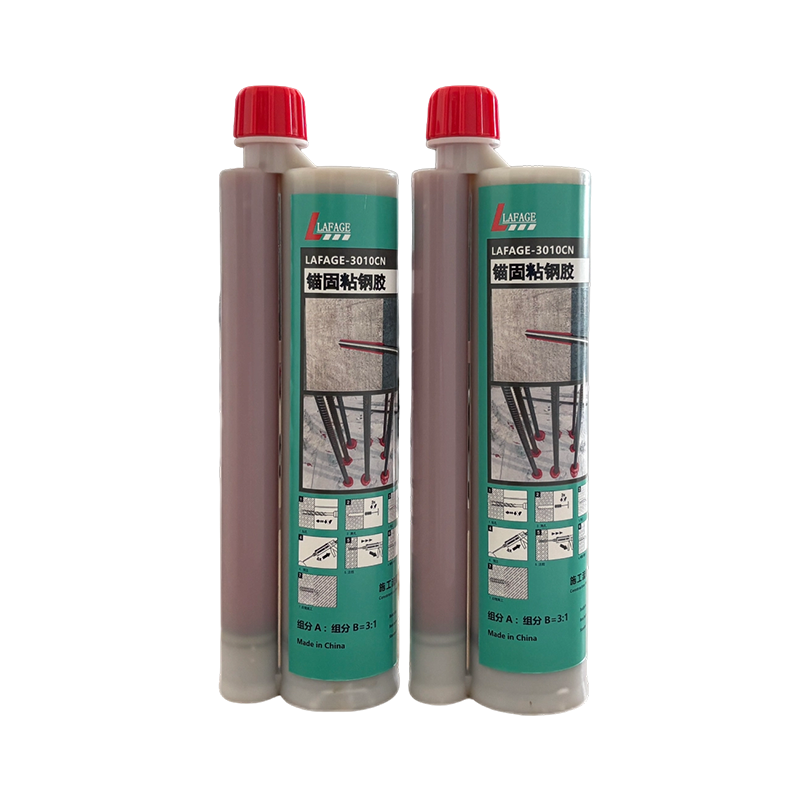 Steel Plate Bonding Adhesive
VIEW MORE
Steel Plate Bonding Adhesive
VIEW MORE
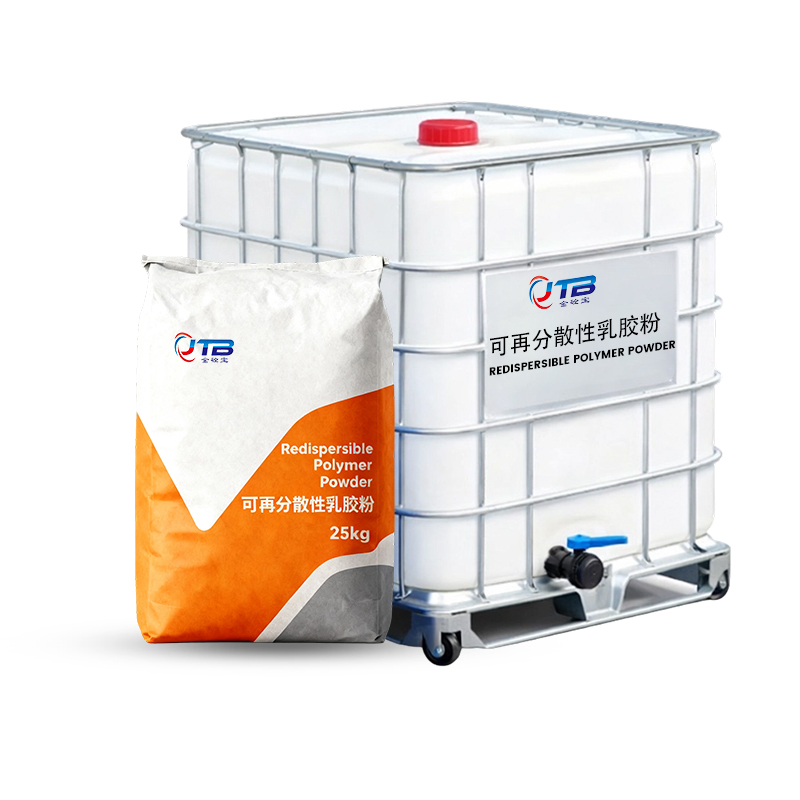 Redispersible Latex Powder (RDP)
VIEW MORE
Redispersible Latex Powder (RDP)
VIEW MORE
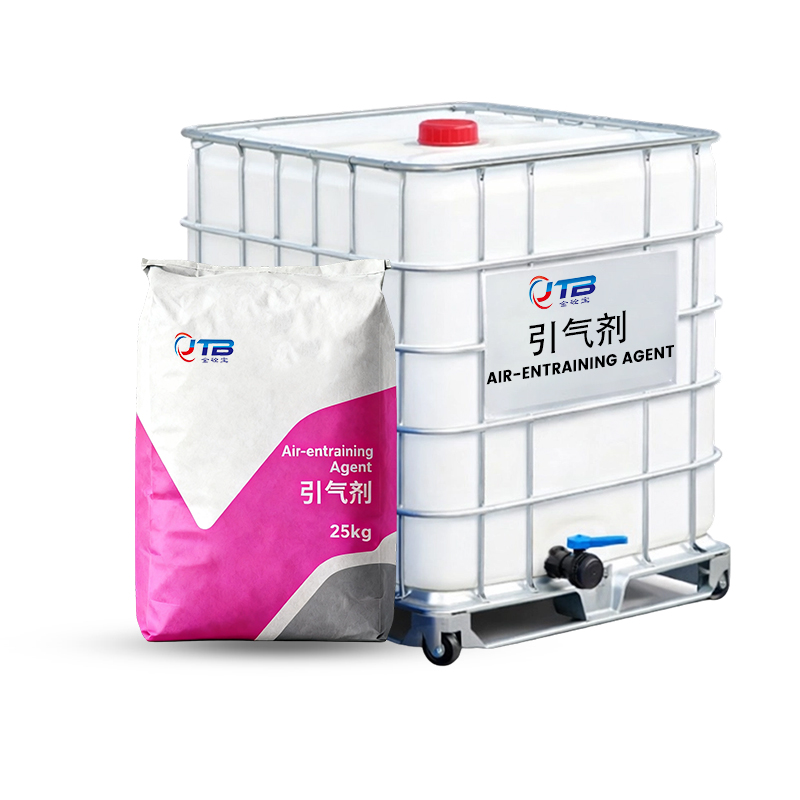 Air Entraining Agent
VIEW MORE
Air Entraining Agent
VIEW MORE
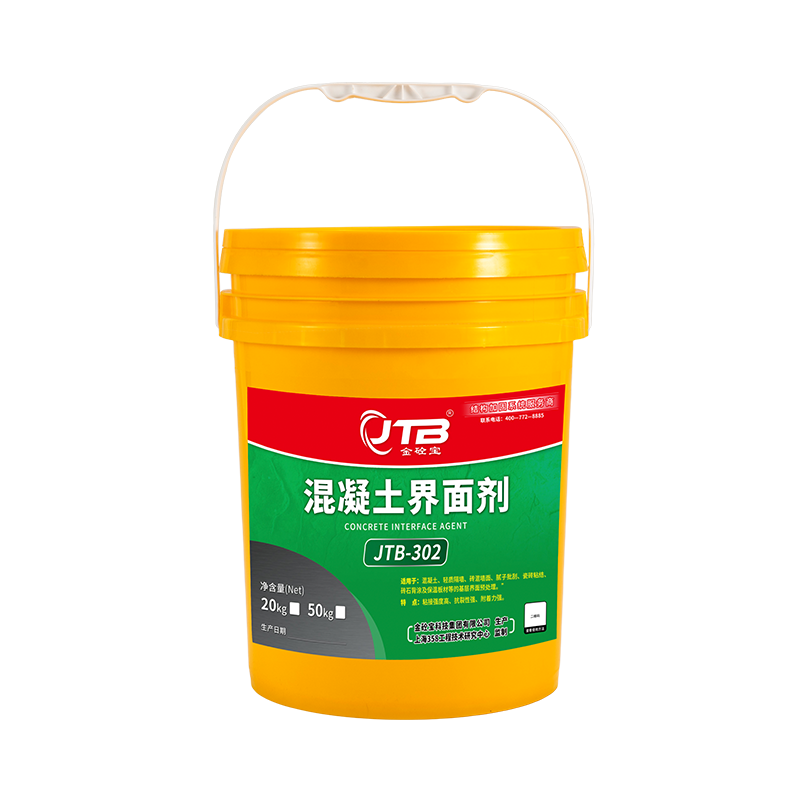 Interface Bonding Agent
VIEW MORE
Interface Bonding Agent
VIEW MORE
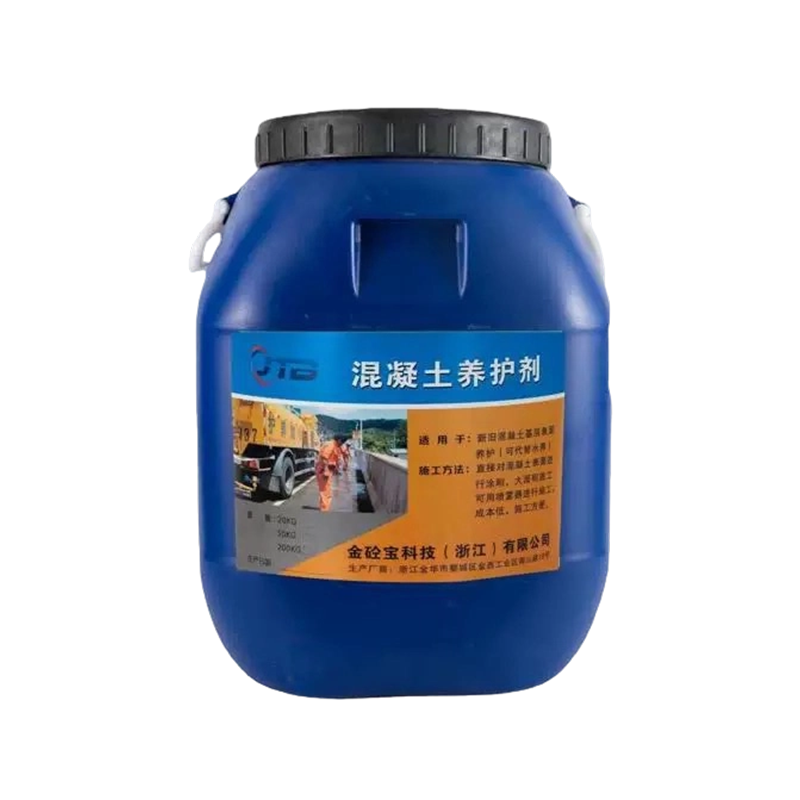 Concrete Curing Compound
VIEW MORE
Concrete Curing Compound
VIEW MORE
Material Science & Construction Water, Stone, and Polymer A close reading of how Polymer-Modified Cementitious Mort...
READ MOREPrecision grouting differs from standard concrete grouting primarily in aggregate size, flow behavior, and shrinkage co...
READ MOREIn the construction industry, cement grouting material plays a critical role in ensuring structural integrity and stabil...
READ MOREThe 26th International Cement Technology and Equipment Exhibition (CEMENTTECH 2025), jointly organized by the China Buil...
READ MORE
JTB technology group is a one-stop structural strengthening system service and solution provider with more than 10 years of industry experience.

+86-138 6245 1066
400-772-5558

sales@jtbmaterials.com

Qianjin Hebei Road, Dantu District, Zhenjiang City, Jiangsu Province, China
Copyright © JTB Technology Group Co. , Ltd.All rights reserved.
Cutsom Construction Chemicals & Reinforcement Materials Manufacturer

