
 en
en
 English
 Español
 Structural Strengthening System Service Provider
Product
Company
News


Content
A base plate sits 25 mm above a concrete foundation, and every tonne that presses, vibrates, or torques the equipment above it will pass through that gap. Fill it with ordinary mortar and the mix dries, shrinks, and pulls away from the steel. Leave it as-cast concrete and the coarse aggregate cannot even enter the space. Cementitious precision grout exists for exactly this situation: a factory-blended, cement-based material with graded fine aggregate and shrinkage-compensating admixtures that flows into confined gaps, hardens without net volume loss, and transfers load across the full bearing area. The short version for specifiers and buyers is this: when a thin, load-bearing gap must be filled completely and stay filled, precision grout is the material, and a handful of details—water dosage, lift thickness, placement discipline—decide whether it performs as the datasheet promises.
Cementitious precision grout, often labeled non-shrink precision grout or NSPG, is a pre-packaged blend of Portland cement, graded silica sand, and chemical admixtures: expanding agents to offset shrinkage, superplasticizers to deliver flow at low water content, and viscosity-modifying agents to keep the mix cohesive. On site you add a measured amount of water, mix mechanically, and place. The word "precision" describes the job rather than the chemistry: filling controlled gaps, typically 10 to 100 mm deep, under elements that demand uniform, void-free contact—machine base plates, bearing assemblies, anchor bolt pockets, and precast connections.
Three characteristics separate it from neighboring materials:
Standard site mortar can be strong, yet it still shrinks as it dries and separates from the steel above, leaving voids that concentrate stress exactly where the load path should be cleanest. For a fuller treatment of this distinction, this walkthrough of the differences between precision grouting and standard grouting covers what actually changes on site.
Grout datasheets carry a lot of numbers, but four parameters do much of the specification work.
Many structural grades reach 50 to 80 MPa (roughly 7,000 to 11,500 psi) at 28 days, which is why 8,000 psi appears so often in project documents; European Class R4 grouts under EN 1504-3 must exceed 45 MPa at the same age. Early strength matters even more in shutdown work, where rapid-setting products can reach 20 MPa within a few hours and allow alignment and loading the same day.
Fluid grades are judged by flow-cone or flow-table tests, and the mix has to travel beneath a plate with no mechanical vibration. A grout that cannot reach the far edge of the bearing area will leave voids no matter how impressive its strength number reads.
Shrinkage compensation comes from gas-forming additives, expansive cement phases, or gypsum-based systems. Standards such as ASTM C1107, together with height-change testing, define the acceptable expansion and shrinkage limits, and a compliant product maintains contact with both surfaces as it cures.
The placement window, often 20 to 60 minutes after mixing at normal temperature, determines how far a batch can travel from mixer to form before it stiffens. Hot weather shortens that window quickly.
| Property | Typical target | Common reference | Why it matters |
|---|---|---|---|
| Flow | 350 to 500 mm spread for fluid grades | ASTM C939 flow cone or flow table tests | Determines whether the grout fills under a plate without vibration |
| Compressive strength | 50 to 80 MPa at 28 days; from 20 MPa within hours for rapid grades | ASTM C109 or EN 196-1 cube testing | Carries static and dynamic loads across the full bearing area |
| Height change | Slight controlled expansion to near-zero shrinkage | ASTM C1107 with C1090 height-change testing | Confirms shrinkage compensation and lasting contact with steel |
| Working time | 20 to 60 minutes after mixing at normal temperature | Manufacturer placement data | Sets how far a batch travels from mixer to form before stiffening |
One warning deserves its own paragraph: water dosage. Adding extra water to ease placement is a common field error. It improves flow on the surface, but it causes bleeding and segregation, reduces compressive strength, and can reintroduce the delayed shrinkage the specification paid to avoid. A typical product calls for water at roughly 12 to 14 percent of powder weight; the bag governs, never a ratio remembered from another product.
The same chemistry serves very different jobs, and each job pulls on different properties.
Presses, crushers, generators, and crane rails all depend on complete contact between base plate and foundation. Precision grout spreads the load, damps vibration, and prevents the micro-movement that works anchor bolts loose over the years. For general structural and equipment work, a high-strength ultra-flow formulation covers many base-plate and anchoring needs.
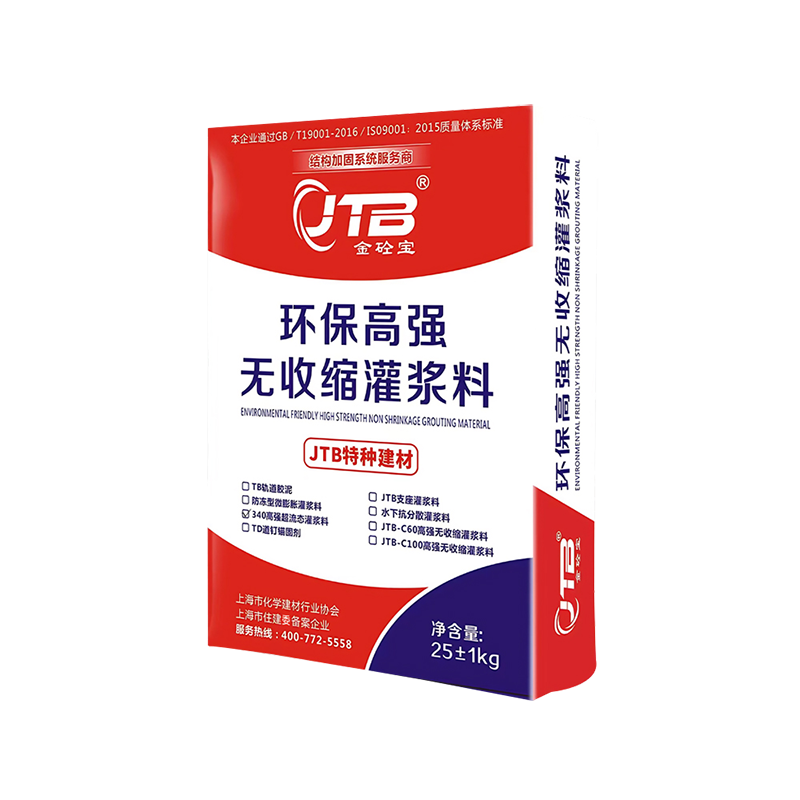 High-Strength Ultra-Flow Grout for Base Plates and AnchoringA high-flow, non-shrink cementitious grout with early strength and slight expansion, suited to equipment base plates and anchoring where complete contact between foundation and base plate is needed to spread loads and damp vibration.View Product →
Tower bases and holding-down bolt pockets combine large pour volumes, ring geometries, and fatigue-sensitive loads, which is why dedicated turbine grouts exist for them. These materials form part of broader nuclear and wind power engineering systems, where grouting is one element of a complete structural package rather than a standalone purchase.
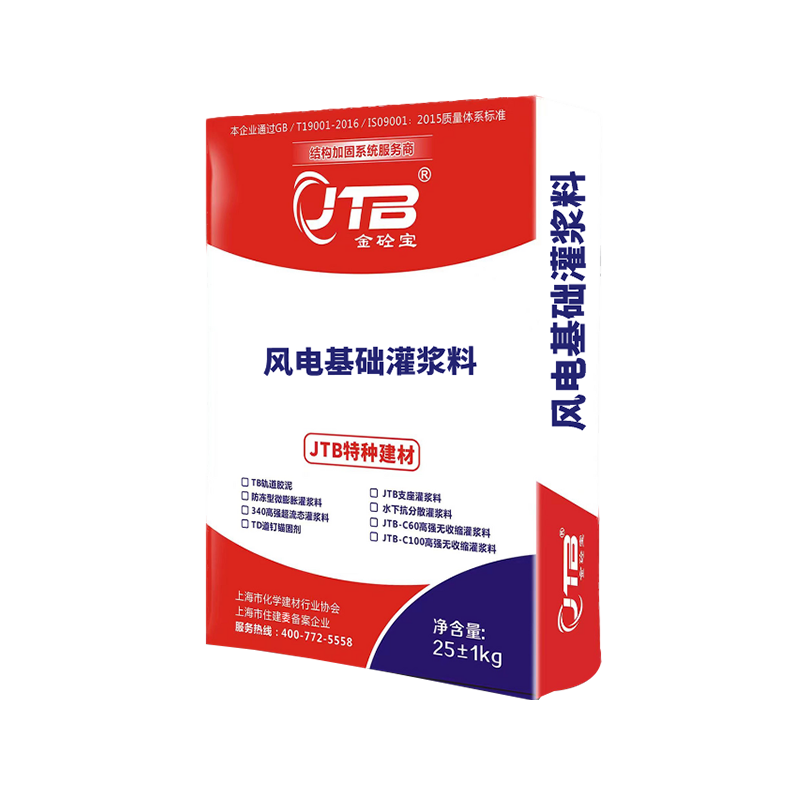 Wind Turbine Foundation Grout C100 for Tower Base GroutingA pumpable, high-flow, early-strength grout formulated for large pours such as wind turbine tower bases and holding-down bolt pockets, where ring geometries and fatigue-sensitive loads demand non-segregating, non-bleeding placement.View Product →
Bearing replacement is usually squeezed into a traffic window measured in hours, and the grout is placed in thin lifts. Early strength and low bleeding dominate the specification, because the deck goes back into service long before 28-day data becomes relevant. A dedicated bridge bearing grout is formulated for exactly these thin-section, fast-return placements.
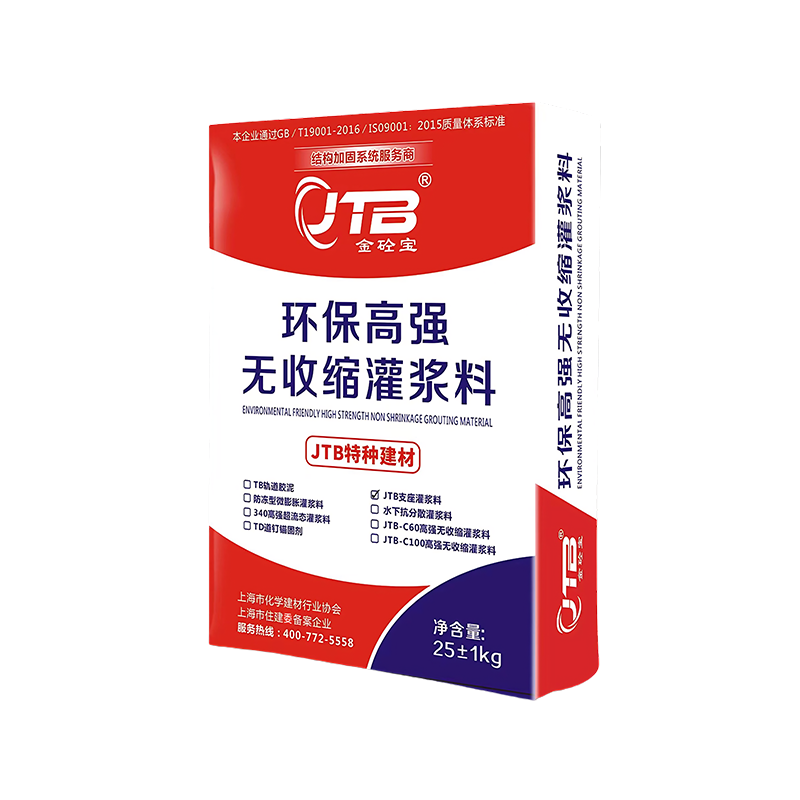 Bridge Bearing Grout for Bearing-to-Substructure InstallationA self-compacting, non-shrink grout with early strength and low bleeding, designed for thin-lift bearing installations where traffic windows are short and the deck must return to service well before 28-day strength is reached.View Product →
Rail fastening pockets, rebar coupler sleeves, and prestressing ducts each demand a grout tuned to their geometry: stiff enough to stay put in a vertical sleeve, yet fluid enough to travel a duct without segregating. Checking the flow class against the geometry before ordering prevents the classic mismatch of a fluid grout specified for an open shoulder, or a stiff grout asked to fill a long, enclosed duct.
Match the grade to the geometry and the schedule, not to the headline strength number. The checks below catch many procurement mistakes before the purchase order is signed:
Procurement risk hides in documents that look complete but are not. Ask for third-party test reports tied to recognized standards, batch-to-batch consistency data, and technical support during placement. A grout that is cheap per bag but arrives without certificates can become a costly material on the project once it fails inspection.
Even a correctly specified grout fails on poor placement, and the steps below are where many site problems actually originate:
None of these steps costs much. Skipping any of them can void the performance that the specification and the purchase order both assumed.
Cementitious precision grout is not a complicated material, but it is an unforgiving one. The chemistry delivers its documented strength and non-shrink behavior only when the grade matches the geometry, the water is measured, and the placement is disciplined. Working with a supplier that pairs tested products with site-level support—Jintongbao Technology Group positions itself as a structural strengthening system service provider with certified production, field technical support, and remote construction guidance—reduces the chance that a well-specified grout turns into a poorly placed one. For engineers and buyers, the sequence is straightforward: define the gap, the load, and the schedule early, then select the grout system that can document its compliance from bag to bearing.
 High-Strength Ultra-flow Grout
VIEW MORE
High-Strength Ultra-flow Grout
VIEW MORE
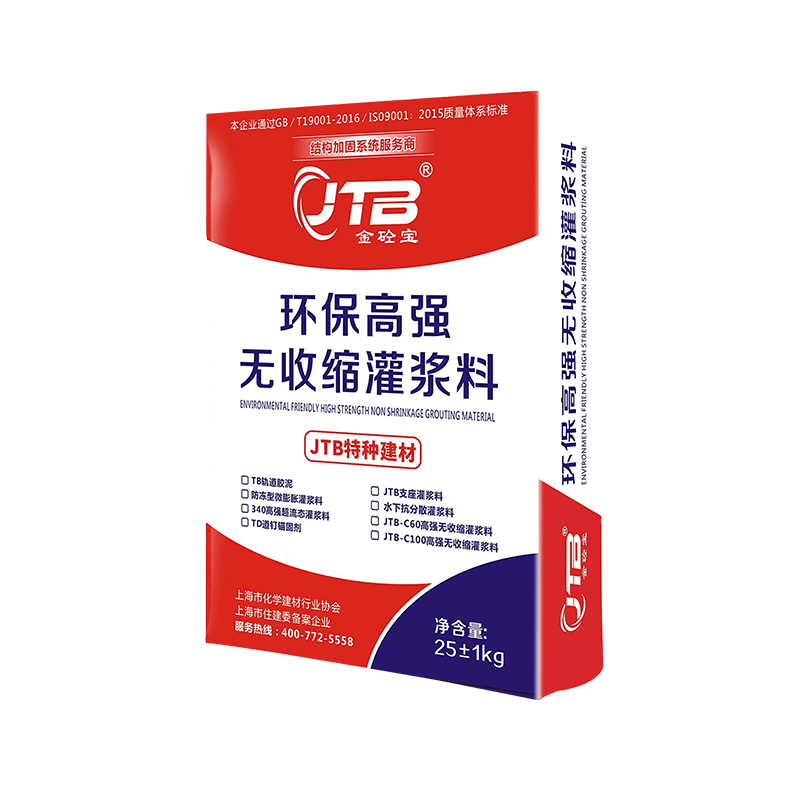 Eco-Friendly High-Strength Non-Shrink Grout
VIEW MORE
Eco-Friendly High-Strength Non-Shrink Grout
VIEW MORE
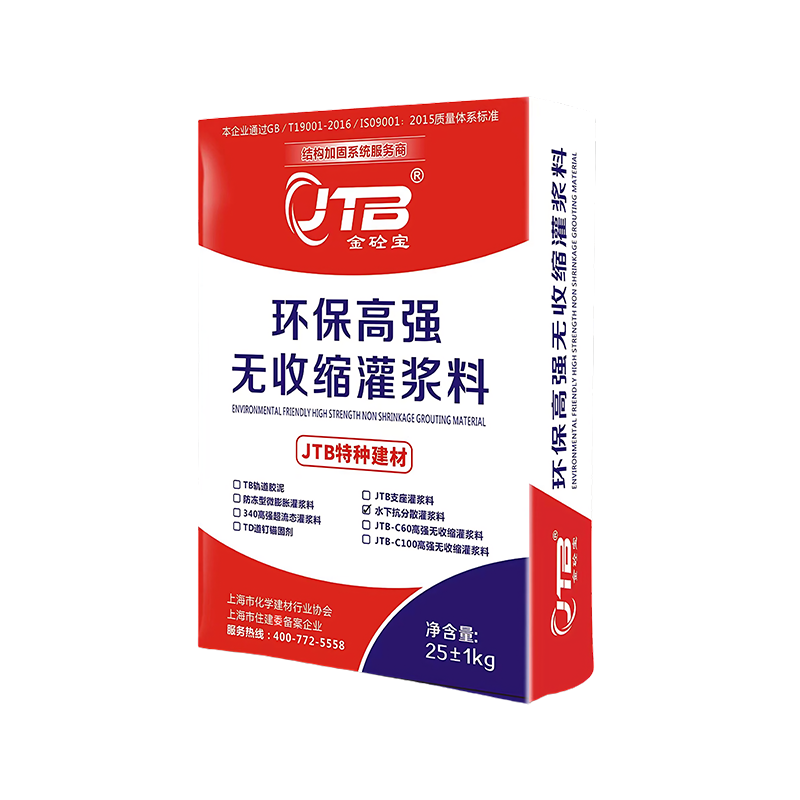 Underwater Non-Dispersive Grout
VIEW MORE
Underwater Non-Dispersive Grout
VIEW MORE
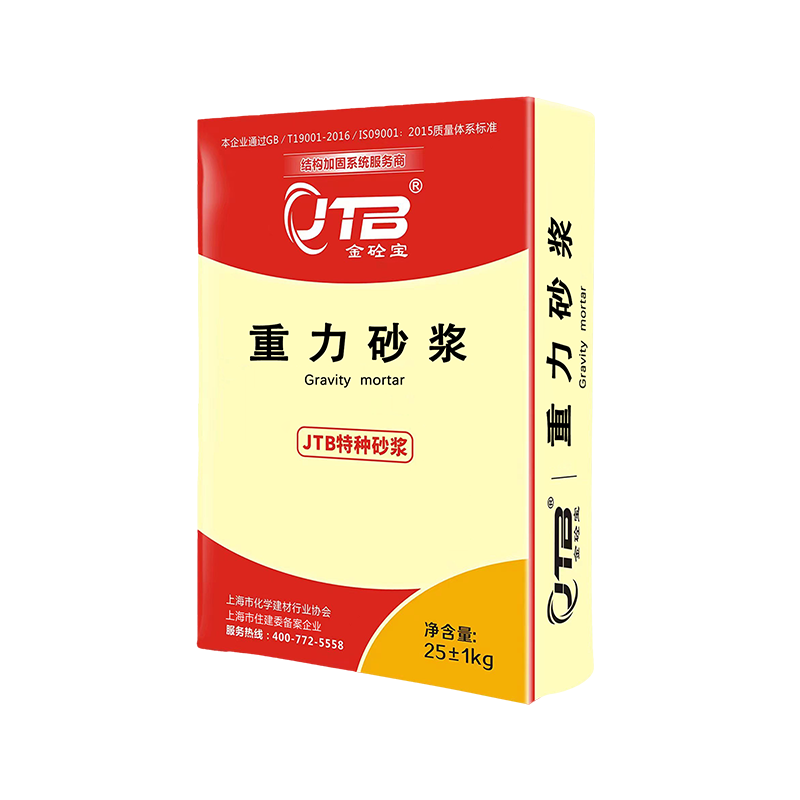 Gravity Grouting Mortar
VIEW MORE
Gravity Grouting Mortar
VIEW MORE
 Wind Turbine Foundation Grout
VIEW MORE
Wind Turbine Foundation Grout
VIEW MORE
 Bridge Bearing Grout
VIEW MORE
Bridge Bearing Grout
VIEW MORE
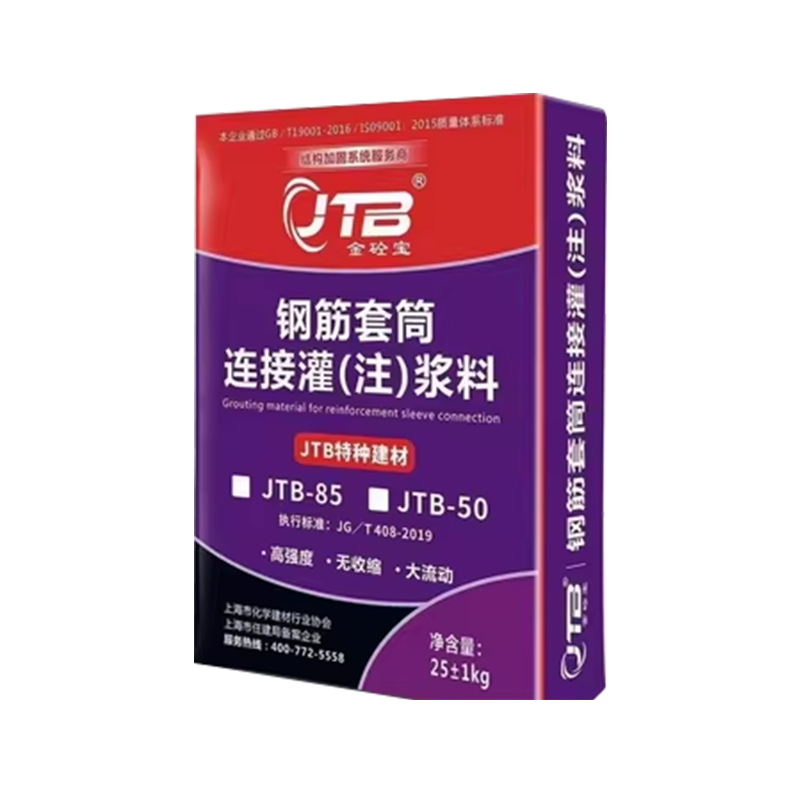 Rebar Coupler Grout
VIEW MORE
Rebar Coupler Grout
VIEW MORE
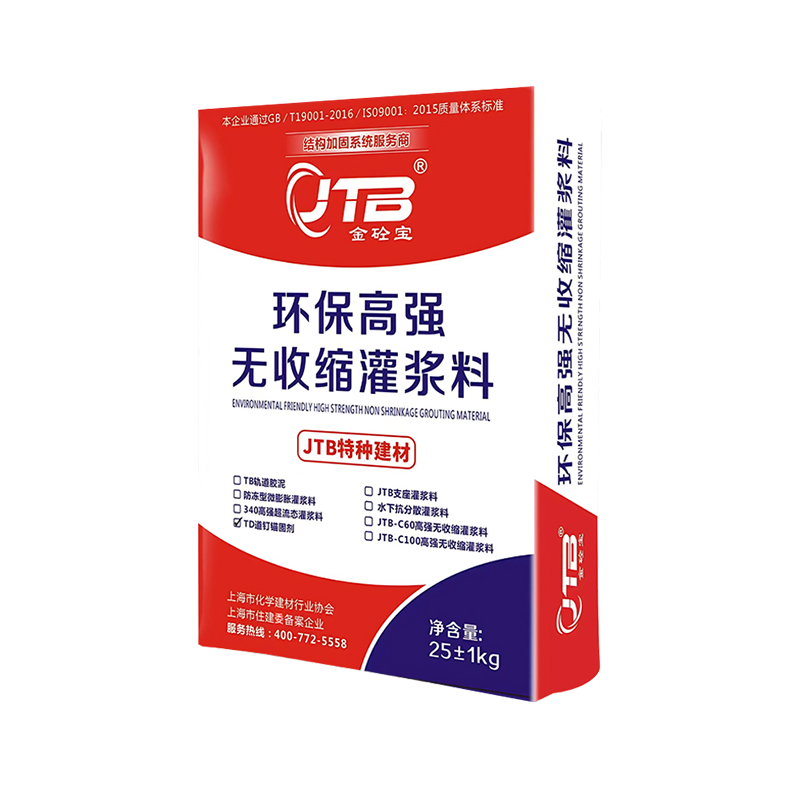 Rail Spike Anchoring Grout
VIEW MORE
Rail Spike Anchoring Grout
VIEW MORE
What Carbon Fibre Structural Strengthening Actually Does Carbon fibre structural strengthening bonds a high-tensile fab...
READ MOREIntroduction to Tunnel Grouting Tunnel grouting is a critical process in construction and civil engineering, particularl...
READ MOREIntroduction to High-Strength Grouting Materials In the modern construction industry, the durability and performance of ...
READ MOREIntroduction to Sulphoaluminate Cement Sulphoaluminate cement, a specialized type of hydraulic cement, is gaining tracti...
READ MORE
JTB technology group is a one-stop structural strengthening system service and solution provider with more than 10 years of industry experience.

+86-138 6245 1066
400-772-5558

sales@jtbmaterials.com

Qianjin Hebei Road, Dantu District, Zhenjiang City, Jiangsu Province, China
Copyright © JTB Technology Group Co. , Ltd.All rights reserved.
Cutsom Construction Chemicals & Reinforcement Materials Manufacturer

