
 en
en
 English
 Español
 Structural Strengthening System Service Provider
Product
Company
News


Content
Material Science & Construction
A close reading of how Polymer-Modified Cementitious Mortar and traditional Lime Mortar behave when water becomes the enemy — and why the answer is rarely as simple as "newer is better."
In direct comparison, Polymer-Modified Cementitious Mortar provides significantly better water resistance than traditional Lime Mortar, primarily because polymer additives reduce capillary porosity and create a continuous internal film that blocks water penetration. Traditional lime mortar, by contrast, relies on a naturally porous microstructure that allows moisture to move freely through the material, which is beneficial for breathability in historic masonry but poor for waterproofing performance in modern wet environments. Laboratory water absorption tests typically show lime mortar absorbing 15 to 25 percent of its weight in water within 24 hours, while a properly formulated polymer modified cementitious mortar often absorbs less than 5 percent under identical conditions.
This difference has direct consequences for durability, freeze-thaw resistance, and long-term structural performance in bathrooms, basements, water tanks, and exterior facades exposed to rain. For any project where water exposure is a primary concern, polymer modified cementitious mortar is the more reliable choice. The remainder of this article breaks down exactly why that is true, using measurable performance indicators, application scenarios, and side-by-side comparisons.
The water resistance gap between these two materials comes down to microstructure. Lime mortar cures through carbonation, a slow chemical reaction with atmospheric carbon dioxide that produces a mortar with a relatively open, interconnected pore network. This porosity is not a defect; it is actually valued in heritage restoration because it lets moisture escape from old masonry walls rather than trapping it. However, that same open structure means water can wick upward and inward through capillary action, especially in below-grade or splash-zone applications.
Polymer modified cementitious mortar works differently. During curing, the polymer emulsion coalesces into a thin, flexible film that lines the internal pores and bridges microcracks. This film physically obstructs the capillary pathways that water would otherwise use to migrate through the material. The result is a denser, less permeable matrix without sacrificing the mortar's ability to bond mechanically to concrete, brick, or block substrates.
Most commercial-grade polymer modified cementitious mortar formulations use a polymer-to-cement ratio between 5 and 20 percent by weight, depending on the intended application. Higher polymer content generally correlates with lower water absorption and better crack-bridging capacity, though it also increases material cost. A mortar formulated for a waterproof membrane layer under tile might use a higher ratio, while a general-purpose cementitious repair mortar for structural patching might use a lower ratio to prioritize compressive strength over waterproofing.
The film is invisible, but it is the entire point — a continuous barrier stitched through the pores of the mortar, standing between the wall and the water.
The table below summarizes typical performance ranges reported across independent material testing standards for both mortar types. Actual values vary by manufacturer and mix design, but the relative gap between the two materials remains consistent across most published data.
| Performance Indicator | Traditional Lime Mortar | Polymer-Modified Cementitious Mortar |
|---|---|---|
| 24-hour water absorption | 15% to 25% | Under 5% |
| Capillary water uptake | High | Low to negligible |
| Freeze-thaw resistance after saturation | Poor to moderate | Good to excellent |
| Vapor permeability | High (breathable) | Reduced (semi-sealed) |
| Typical service life in wet exposure | 5 to 10 years without added protection | 15 to 25 years depending on formulation |
Info
Because polymer modified cementitious mortar forms a semi-sealed surface, it does not allow moisture vapor to escape as freely as lime mortar. This makes it less suitable for restoring older, solid-wall masonry buildings that depend on breathability, but excellent for modern concrete and block construction where the goal is to keep water out entirely.
Understanding lab data is useful, but the practical question most buyers ask is which mortar fits their specific job site conditions. The list below breaks down common scenarios and which material tends to perform better.
When a cementitious repair mortar is used to patch spalled or damaged reinforced concrete, water resistance is not just about surface aesthetics. Water that penetrates a repair patch can reach embedded steel reinforcement, triggering corrosion, expansion, and eventual re-cracking of the repair. Because polymer modified cementitious mortar limits water ingress so effectively, it is frequently the default specification for structural repair work on bridges, parking structures, and industrial floors where reinforcing steel is present near the surface.
Water resistance is not solely determined by the raw material formulation. Application technique and curing conditions play a measurable role in how well either mortar performs once installed.
Warning
A common installation mistake is treating both materials the same way during curing. Lime mortar needs consistent moisture retention in the early days after application, achieved through misting or covering, to avoid premature surface carbonation and cracking. Polymer modified cementitious mortar, by comparison, cures more like a conventional cement product but requires 24 to 72 hours for the polymer phase to properly coalesce, depending on temperature and humidity.
Material cost is often the first factor buyers weigh, but water resistance has a direct downstream effect on lifecycle cost. Traditional lime mortar is typically less expensive per unit volume, sometimes 20 to 40 percent cheaper than polymer modified cementitious mortar depending on region and supplier. However, in wet-exposure applications, lime mortar's higher water absorption often leads to earlier deterioration, more frequent maintenance, and a shorter effective service life.
When total cost of ownership is calculated over a 15 to 20 year horizon, polymer modified cementitious mortar frequently proves more economical in wet or exposed environments, despite its higher upfront material cost, because it requires fewer repairs and less frequent resealing. Lime mortar remains the more cost-effective and technically appropriate choice specifically in dry-climate or breathable-wall applications where its porosity is an asset rather than a liability.
Success
If water exposure, hydrostatic pressure, or protection of embedded steel reinforcement is a primary concern, polymer modified cementitious mortar is the stronger technical and economic choice. If the project involves historic masonry restoration, breathable wall assemblies, or dry-climate rendering where moisture needs to escape rather than be blocked, traditional lime mortar remains the more appropriate material.
Danger
Using standard lime mortar in a below-grade or constant-water-contact application without additional waterproofing is a frequent cause of premature failure, spalling, and mold growth. In these conditions, substituting polymer modified cementitious mortar substantially reduces long-term risk.
The water resistance comparison between these two materials is not simply a matter of one being universally better than the other; it depends heavily on the intended application. That said, for the vast majority of modern construction and repair scenarios involving direct water exposure, tiling, basements, or reinforced concrete, polymer modified cementitious mortar consistently outperforms traditional lime mortar in water resistance, freeze-thaw durability, and long-term structural protection. Buyers evaluating a cementitious repair mortar for wet or exposed conditions should prioritize polymer-modified formulations, while reserving lime mortar for specialized breathable and heritage applications where its porous nature is a functional advantage rather than a limitation.
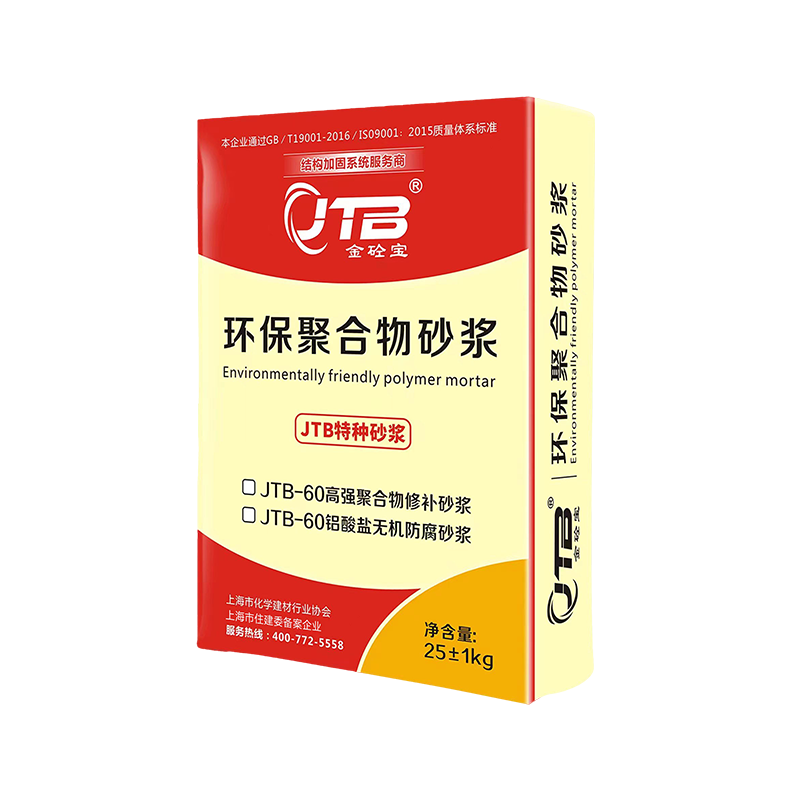 Polymer Strengthening Mortar
VIEW MORE
Polymer Strengthening Mortar
VIEW MORE
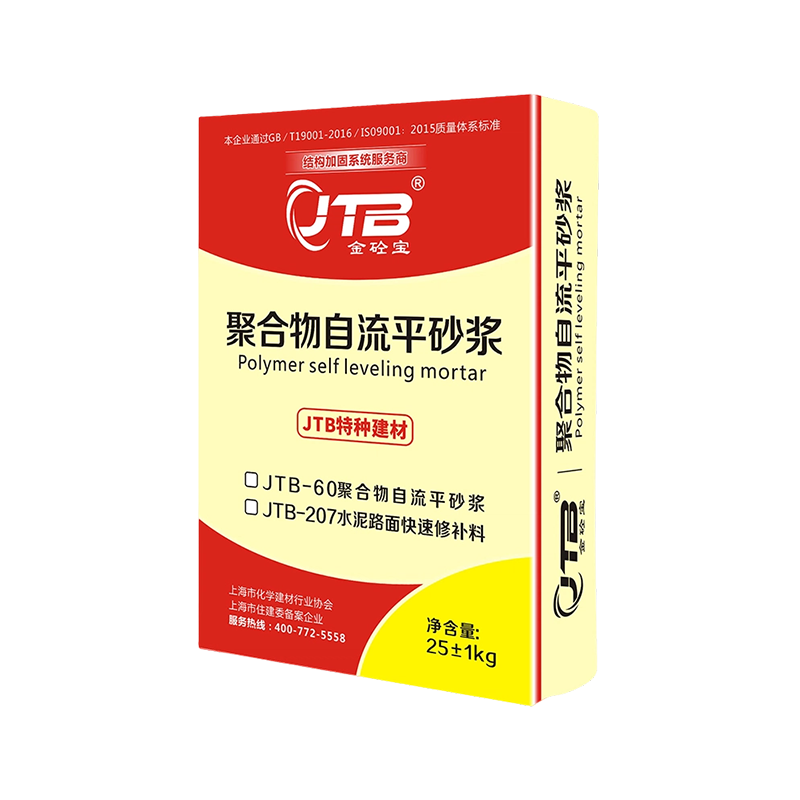 Polymer Self-Leveling Mortar
VIEW MORE
Polymer Self-Leveling Mortar
VIEW MORE
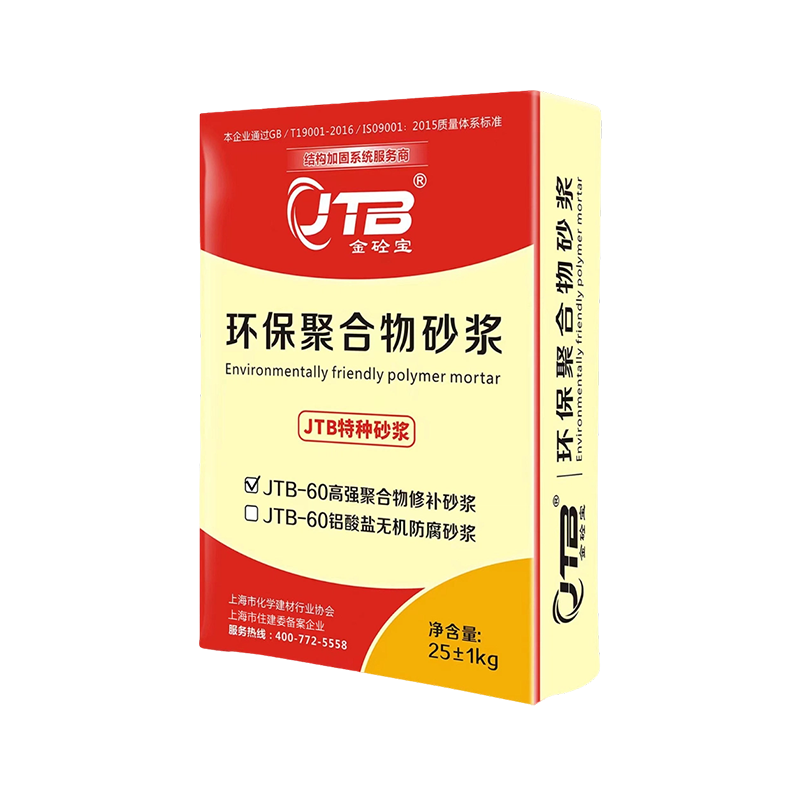 Polymer Repair Mortar
VIEW MORE
Polymer Repair Mortar
VIEW MORE
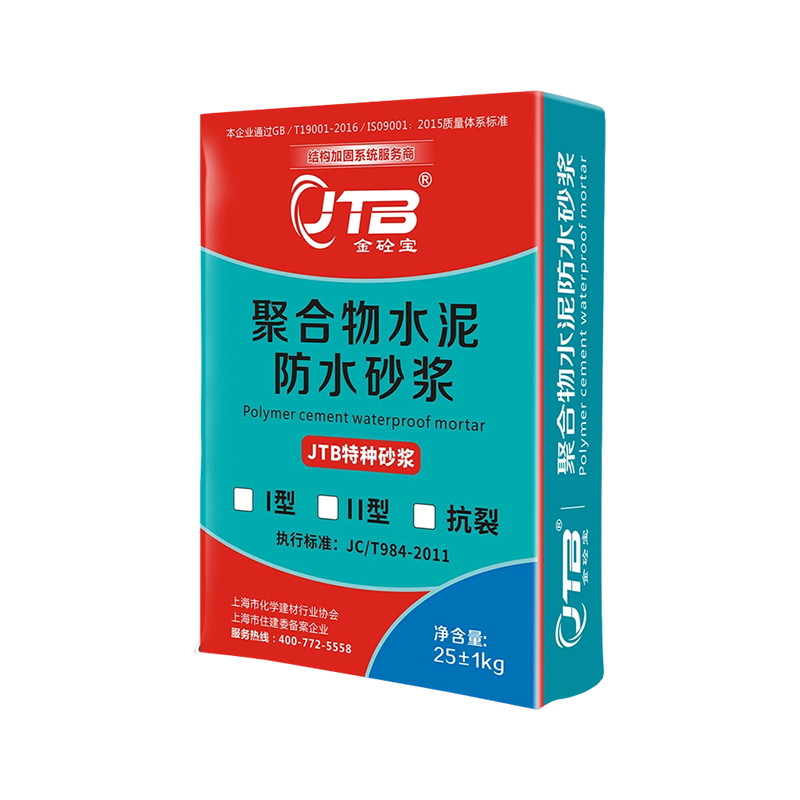 Polymer Cement Waterproof Mortar
VIEW MORE
Polymer Cement Waterproof Mortar
VIEW MORE
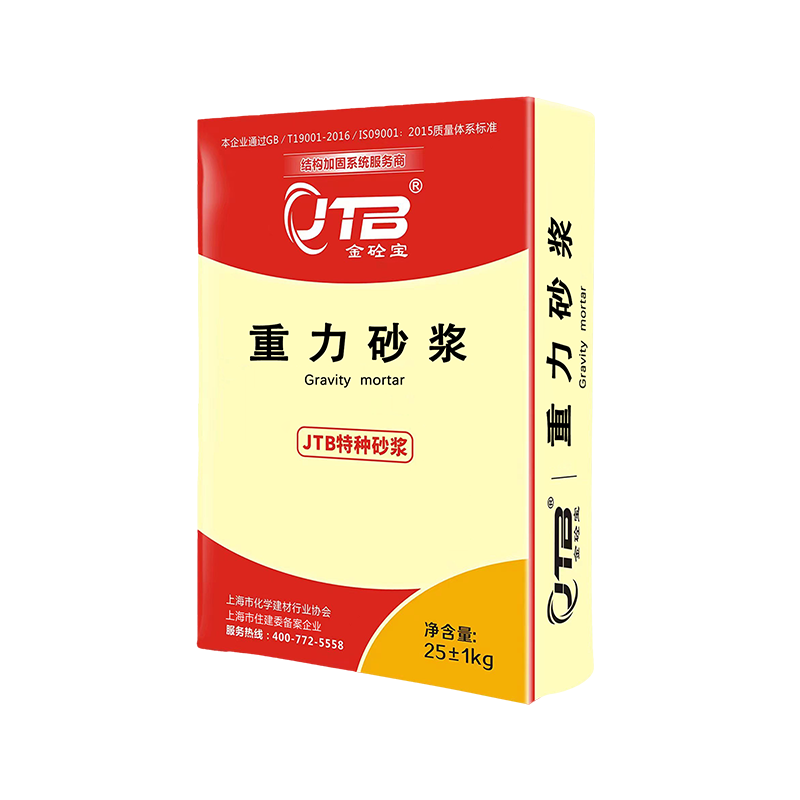 Gravity Grouting Mortar
VIEW MORE
Gravity Grouting Mortar
VIEW MORE
 Anti-Static Non-Sparking Mortar
VIEW MORE
Anti-Static Non-Sparking Mortar
VIEW MORE
 Crack-Resistant Mortar
VIEW MORE
Crack-Resistant Mortar
VIEW MORE
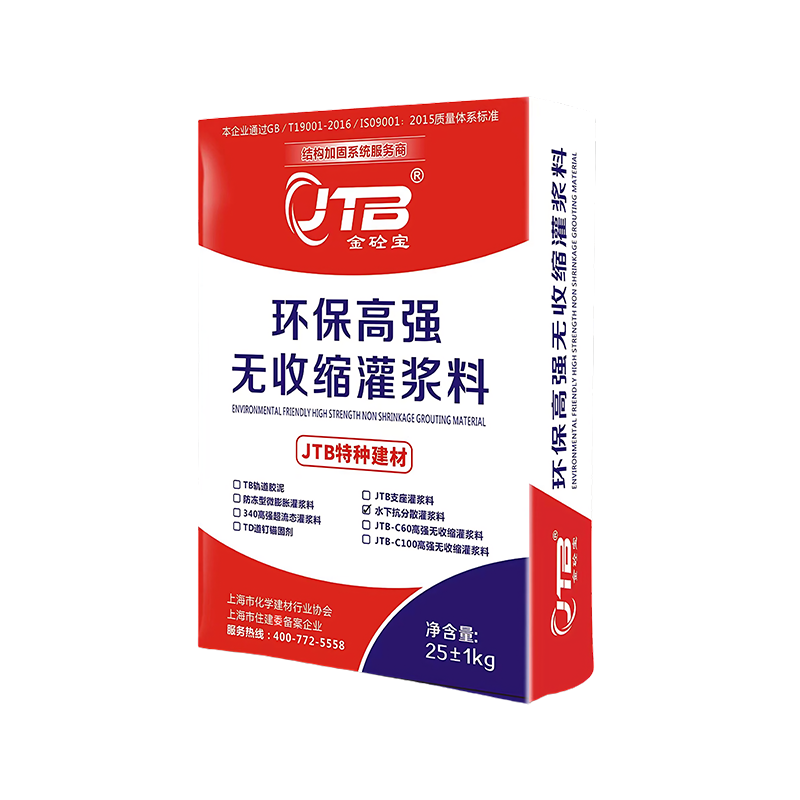 Underwater Non-Dispersive Grout
VIEW MORE
Underwater Non-Dispersive Grout
VIEW MORE
Technical Engineering Insights Comprehensive Chemical & Mechanical Guide to Concrete Admixtures Modern concrete de...
READ MOREThe 26th International Cement Technology and Equipment Exhibition (CEMENTTECH 2025), jointly organized by the China Buil...
READ MOREIn the construction industry, cement grouting material plays a critical role in ensuring structural integrity and stabil...
READ MOREIntroduction to Sulphoaluminate Cement Sulphoaluminate cement, a specialized type of hydraulic cement, is gaining tracti...
READ MORE
JTB technology group is a one-stop structural strengthening system service and solution provider with more than 10 years of industry experience.

+86-138 6245 1066
400-772-5558

sales@jtbmaterials.com

Qianjin Hebei Road, Dantu District, Zhenjiang City, Jiangsu Province, China
Copyright © JTB Technology Group Co. , Ltd.All rights reserved.
Cutsom Construction Chemicals & Reinforcement Materials Manufacturer

