How Does Polymer-Modified Cementitious Mortar Improve Bond Strength with Existing Concrete Surfaces?
The Role of Polymer Modification in Concrete Repair Bonding
Bond strength between repair materials and existing concrete surfaces is one of the key factors affecting the service performance of rehabilitation projects. When repairing damaged concrete structures, the interface between the old concrete substrate and the new repair layer needs to maintain stable adhesion under different environmental conditions. Polymer-modified cementitious mortar improves this interface performance by combining the hydraulic properties of cement-based materials with the flexible characteristics of polymer components.
Compared with conventional cement mortar, polymer-modified cementitious mortar forms a more integrated bonding structure during the hydration process. The polymer components can create a flexible network within the mortar matrix, helping the repair material better adapt to minor movements and stress changes at the concrete interface. This characteristic makes it suitable for applications requiring reliable adhesion, including bridge maintenance, tunnel rehabilitation, industrial structure repair, and other infrastructure projects.
How Polymer Components Enhance Interface Adhesion
The bonding performance of concrete repair mortar depends not only on the strength of the repair material itself but also on the interaction between the mortar and the existing concrete surface. Old concrete often contains pores, micro-cracks, weathered areas, and surface irregularities, which can influence the connection between the two materials.
In polymer-modified cementitious mortar, polymer additives improve the contact ability between the mortar and the concrete substrate. During curing, the polymer film structure helps fill micro-voids and improves the continuity of the bonding zone. This allows the repair mortar to achieve better surface contact and maintain adhesion when exposed to vibration, temperature changes, moisture, or mechanical loads.
| Bonding Factor |
Influence on Repair Performance |
| Surface Contact |
Better contact between repair mortar and existing concrete helps establish a stable interface layer. |
| Polymer Film Formation |
Creates a flexible connection structure that supports long-term adhesion performance. |
| Shrinkage Control |
Helps reduce stress caused by volume changes during curing and service conditions. |
| Environmental Adaptability |
Supports applications where repaired areas face moisture, temperature variation, or external loads. |
Importance of Bond Strength in Spalling Concrete Repair Applications
For projects involving damaged or spalled concrete, selecting suitable mortar for spalling concrete repair is essential because the repaired area must reconnect with the original structure. Concrete spalling may occur due to factors such as aging, water penetration, corrosion-related damage, or repeated environmental exposure. If the repair material cannot maintain sufficient bonding with the existing substrate, cracks, detachment, or secondary damage may occur over time.
Polymer-modified concrete repair mortar is designed to address these challenges by providing improved adhesion characteristics while maintaining compatibility with cement-based concrete structures. It can be applied for repairing concrete surfaces where bonding reliability is an important consideration, such as columns, beams, concrete facades, transportation infrastructure, and other engineering structures.
Factors Affecting Bond Strength Between Repair Mortar and Concrete
The bonding performance of repair mortar is influenced by multiple factors, including substrate preparation, material formulation, curing conditions, and construction methods. Even with advanced repair materials, proper surface treatment remains necessary to achieve stable bonding results.
| Key Factor |
Description |
| Concrete Surface Preparation |
Removing loose materials, dust, and contaminants helps create a suitable bonding surface. |
| Material Compatibility |
The repair mortar should match the existing concrete conditions and project requirements. |
| Curing Environment |
Appropriate curing conditions support hydration and polymer film development. |
| Construction Process |
Correct mixing, application thickness, and installation methods influence final bonding quality. |
Application Advantages of Polymer-Modified Cementitious Mortar in Infrastructure Repair
Infrastructure repair projects often require materials that can adapt to complex working environments. Polymer-modified cementitious mortar provides a practical solution for concrete restoration because it combines cement-based strength development with improved flexibility and adhesion properties.
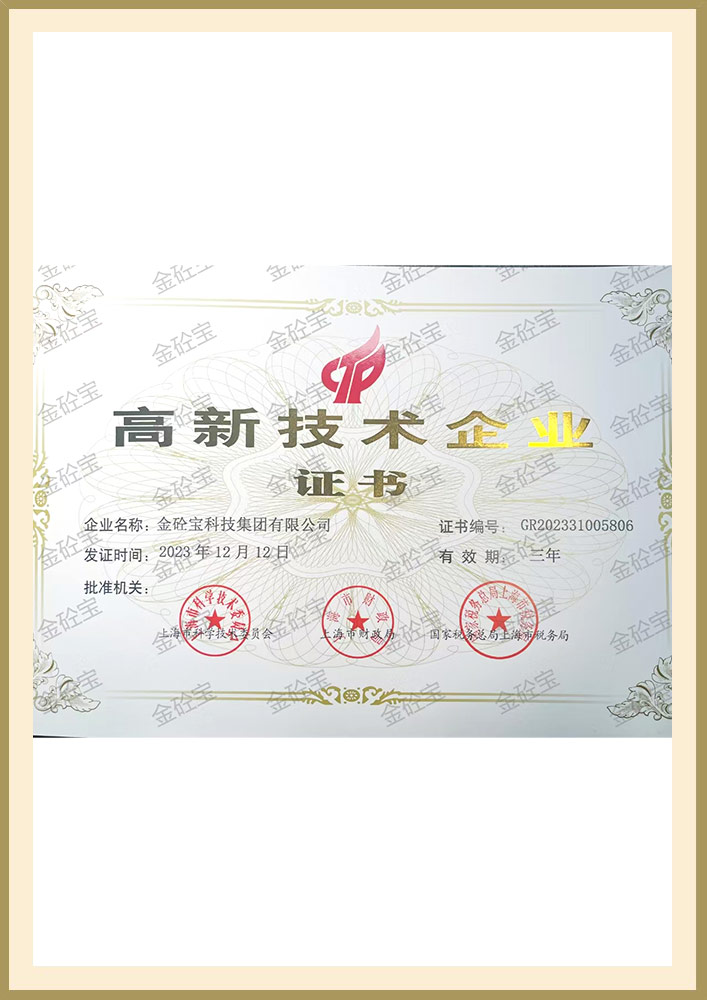
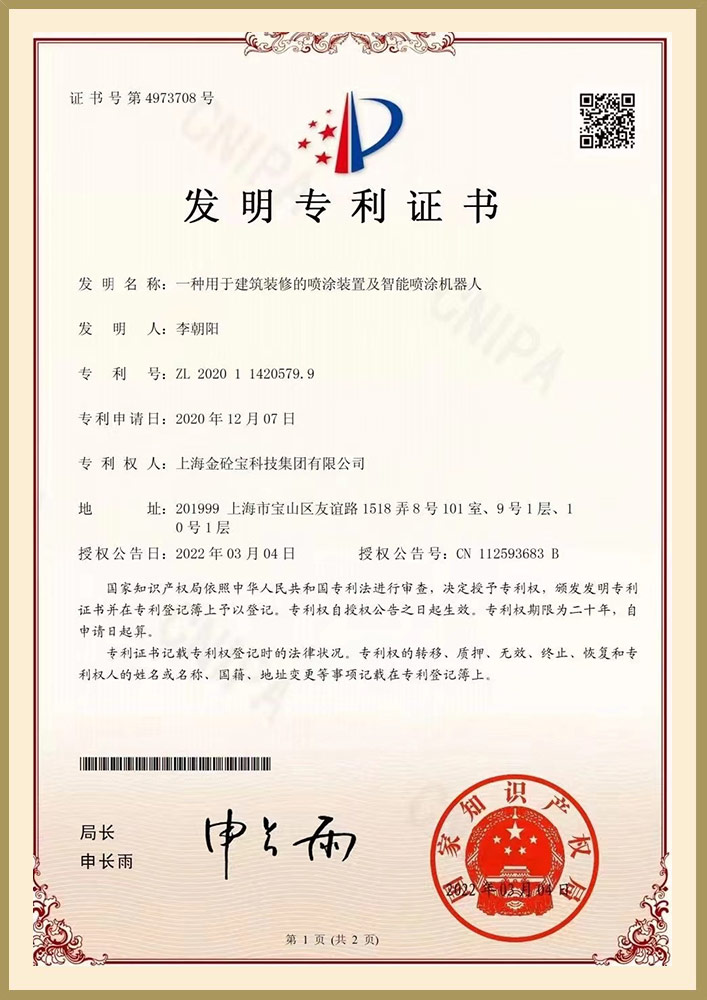
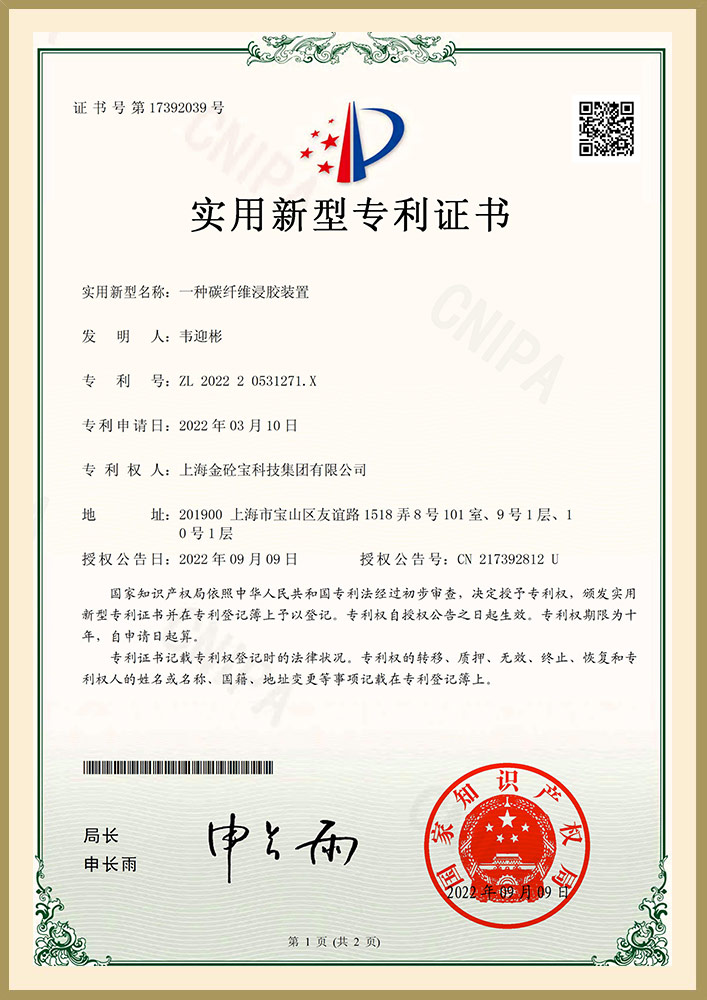
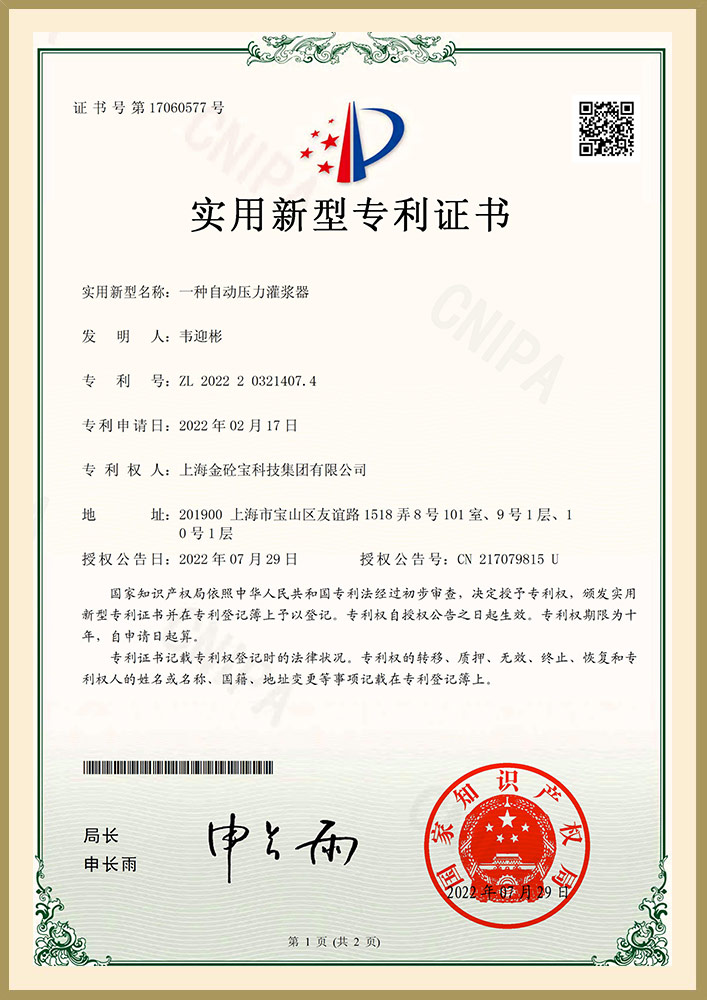
For projects such as urban renewal, airports, bridges, tunnels, waterproofing systems, and anti-corrosion engineering, repair materials need to support long-term structural maintenance requirements. JTB Technology Group Co., Ltd. focuses on reinforcement system solutions integrating research and development, production, sales, and construction services, providing polymer-modified repair materials that support different engineering applications.
With production bases located in Jiangsu, Zhejiang, and Guangdong, the company has developed large-scale manufacturing capabilities for reinforcement-related materials. Its production and technical resources support consistent material supply for construction projects requiring concrete repair solutions.
Selection Considerations for Polymer-Modified Concrete Repair Mortar
When selecting polymer-modified concrete repair mortar, engineering teams should consider factors such as required bond strength, repair location, environmental exposure, construction conditions, and long-term maintenance needs. A suitable mortar should not only provide adhesion to existing concrete but also maintain compatibility with the repaired structure throughout its service period.
For contractors and material purchasers, understanding the performance characteristics of polymer-modified cementitious mortar helps ensure better material selection for concrete restoration projects. By evaluating bonding requirements and application conditions, project teams can choose appropriate repair materials for different types of concrete damage, including spalling concrete repair, surface restoration, and infrastructure rehabilitation.
How Does Polymer-Modified Mortar Perform Under Wet, Freeze-Thaw, and Chemical Exposure Conditions?
Challenges of Concrete Repair Materials in Complex Environmental Conditions
Concrete structures used in infrastructure projects are often exposed to changing environmental conditions, including continuous moisture, repeated temperature fluctuations, and chemical substances. These factors can gradually affect concrete durability and may lead to surface deterioration, cracking, spalling, or reduced structural protection. For repair projects, selecting a suitable material is essential because the repair layer needs to maintain stable performance while working together with the existing concrete substrate.
Polymer-modified concrete repair mortar is developed to improve the adaptability of cement-based repair materials in demanding environments. By incorporating polymer components into cementitious formulations, the mortar gains improved bonding characteristics, flexibility, and resistance to environmental stress. This makes it suitable for applications where traditional repair materials may face challenges caused by water exposure, freeze-thaw cycles, or chemical influence.
Performance of Polymer-Modified Mortar Under Wet Conditions
Moisture is one of the common factors affecting concrete structures, especially in projects such as tunnels, underground facilities, water-related structures, and coastal infrastructure. Continuous exposure to water can increase the risk of material degradation if repair mortar has insufficient resistance to water penetration or weak adhesion with the concrete surface.
Polymer-modified cementitious mortar improves performance in wet environments through its internal structure. The polymer components help create a denser matrix, reducing the pathways that allow water to penetrate through the repair layer. At the same time, improved bonding between the mortar and the existing concrete helps maintain the integrity of the repaired area when exposed to long-term moisture conditions.
| Wet Environment Factor |
Impact on Polymer-Modified Mortar Performance |
| Water Penetration |
A denser material structure helps reduce moisture transmission through the repair layer. |
| Interface Adhesion |
Enhanced bonding helps maintain connection between repair mortar and existing concrete. |
| Long-Term Moisture Exposure |
Suitable formulation supports stable performance in areas with continuous humidity. |
Resistance to Freeze-Thaw Cycles in Concrete Repair Applications
In regions with seasonal temperature changes, concrete structures may experience repeated freezing and thawing cycles. During this process, water inside concrete pores expands when frozen and contracts after thawing, creating internal stress that can gradually damage the material. Repair mortar used in these environments needs to accommodate these repeated changes while maintaining adhesion and structural compatibility.
Polymer-modified concrete repair mortar provides improved flexibility compared with conventional cement-based materials. The polymer network within the mortar helps reduce the impact of repeated volume changes caused by temperature variations. This characteristic supports its application in bridges, tunnels, transportation facilities, and outdoor concrete structures exposed to cold climates.
| Freeze-Thaw Consideration |
Role of Polymer-Modified Mortar |
| Temperature Variation |
Flexible polymer components help the repair layer adapt to repeated expansion and contraction. |
| Internal Stress |
Improved material toughness helps reduce damage caused by environmental cycling. |
| Repair Layer Stability |
Better adhesion supports the connection between repaired areas and original concrete. |
Protection Against Chemical Exposure in Industrial and Infrastructure Projects
Concrete structures may also face chemical exposure from industrial environments, wastewater facilities, transportation areas, and other specialized applications. Chemical substances can react with concrete components or penetrate through surface defects, affecting the durability of the structure over time.
The formulation of polymer-modified mortar helps improve resistance against certain chemical exposure conditions by creating a more compact repair layer. Although specific performance depends on the project environment and chemical type, the enhanced density and bonding properties of polymer-modified cementitious mortar provide additional protection compared with basic cement repair materials.
For engineering projects requiring concrete restoration in challenging environments, material selection should consider the type of chemical exposure, expected service conditions, and compatibility with the existing structure. Repair materials designed for these applications need to balance strength development, adhesion, and environmental adaptability.
Application Requirements for Durable Concrete Repair Solutions
The performance of polymer-modified mortar is influenced by both material properties and construction practices. Proper surface preparation, accurate mixing procedures, suitable application thickness, and appropriate curing conditions all contribute to the final repair quality. A well-prepared concrete surface allows the repair mortar to establish a stronger connection with the substrate and improves long-term service performance.
JTB Technology Group Co., Ltd. focuses on reinforcement system solutions that integrate research and development, production, sales, and construction services. Through continuous investment in technical innovation and production capabilities, the company provides reinforcement materials designed for various engineering scenarios, including infrastructure maintenance and concrete restoration projects.
Choosing Polymer-Modified Mortar for Different Engineering Environments
Different repair projects require different material characteristics. For structures exposed to high humidity, freeze-thaw cycles, or chemical conditions, engineers and contractors need to evaluate factors such as bonding requirements, environmental exposure level, repair area location, and expected service period.
The following table shows common considerations when selecting polymer-modified concrete repair mortar for different environments:
| Application Environment |
Main Material Requirements |
| Wet and Underground Structures |
Good bonding ability, reduced water penetration, and stable performance under moisture conditions. |
| Cold Climate Infrastructure |
Resistance to repeated freezing and thawing with suitable flexibility. |
| Chemical Exposure Areas |
Appropriate resistance according to chemical conditions and project requirements. |
| General Concrete Rehabilitation |
Balanced adhesion, strength development, and compatibility with existing concrete. |
Role of Material Technology in Long-Term Concrete Rehabilitation
As infrastructure continues to age, reliable repair materials play an important role in extending the service life of concrete structures. Polymer-modified cementitious mortar provides a practical approach for repairing damaged concrete by improving the connection between new and existing materials while supporting performance under various environmental conditions.
With manufacturing facilities in Jiangsu, Zhejiang, and Guangdong, JTB Technology Group Co., Ltd. has developed production capacity and technical resources to support large-scale supply requirements for reinforcement and repair applications. The combination of material development and engineering experience allows repair solutions to better meet the needs of different construction environments.


 en
en
 English
 Español